REVIEW · TOKYO
Tokyo Full Day Customize Private City Tour
Book on Viator →Operated by Tokyo Luxury Private Tours · Bookable on Viator
Tokyo gets overwhelming fast. This private tour is built to keep you in control, with an expert English-speaking driver and a custom itinerary that you can shape around your day. You’ll get hotel pickup and drop-off, plus WiFi on board, and a smooth, air-conditioned ride between major sights.
My favorite part is how practical the plan feels: you’re not stuck on a rigid route, and you can swap in what matters most to you. I also like that the core sights are iconic but spread out enough to avoid feeling like a blur—think Tsukiji Fish Market, Senso-ji, Imperial Palace, Meiji Shrine, Shibuya, and even skyline stops like Tokyo Tower or Tokyo Skytree. One consideration: entrance fees for Tokyo Skytree and Tokyo Tower are extra, and lunch isn’t included, so budget and timing need a little forethought.
In This Review
- Key Points That Matter
- Luxury Ride With Custom Stops You Can Actually Control
- How the 10-Hour Timing Works (and How to Make It Work for You)
- Tsukiji Fish Market: Start With Tokyo’s Practical Energy
- Senso-ji Temple and Nakamise Street: Classic Tokyo With a Built-In Walk
- Imperial Palace and Meiji Shrine: Two Ways Tokyo Keeps Its Calm
- Skytree vs. Tokyo Tower: Pick the View Style You Prefer
- Harajuku and Odaiba: Fashion Streets and Waterfront Time
- Shibuya Crossing: The Photo Moment, With a Smarter Plan
- Food Notes: Lunch Isn’t Included, so Build Your Own Fuel Plan
- Price and Value for a Small Private Group
- Who This Tour Fits Best (and Who Might Prefer Something Else)
- Should You Book This Tokyo Private Tour?
- FAQ
- FAQ
- How many people is this private tour for?
- How long is the Tokyo tour?
- Is hotel pickup and drop-off included?
- Do you get WiFi during the tour?
- Can I customize the itinerary and order of stops?
- Are Tokyo Skytree and Tokyo Tower ticket fees included?
- Is lunch included in the price?
- What attractions are part of the typical route?
- Do I receive a mobile ticket?
- What happens if weather is bad or the minimum number of travelers isn’t met?
- Are service animals allowed?
Key Points That Matter
- Small group, big attention: private tour for up to 3 people, so your route can actually reflect you
- Hotel pickup and drop-off: you start and end where you’re staying
- WiFi on board: helpful for maps, tickets, and quick translations between stops
- Flexible major-sights day: classic Tokyo landmarks plus modern viewpoints like Shibuya and Odaiba
- Skyline fees aren’t included: plan for Skytree and Tower tickets if you want the views
Luxury Ride With Custom Stops You Can Actually Control
This is the kind of Tokyo day that works when you want a “best of” list, but not a cookie-cutter schedule. The tour is a private full-day experience (about 10 hours) with an English-speaking driver who helps you move through neighborhoods efficiently. You choose your itinerary and the order of what you see, so you can build the day around your interests instead of someone else’s checklist.
The vehicle is air-conditioned, and you get WiFi on board. That might sound like a small detail, but it changes the vibe of a long city day. You can quickly check transit ideas, confirm ticket times if needed, and keep your group synced without burning time. Bottled water is included, and the tour description also notes tea or coffee, which is nice if you’re timing temples and markets around energy levels.
Past guides named in reviews include Qasim and Rana, and they’re both praised for doing the key job well: knowing the sights, offering food and timing recommendations, and adjusting when conditions get tricky. Rana, for example, is specifically mentioned for being flexible when heat is a factor. That’s exactly the right attitude for Tokyo, where weather and crowds can steer the day.
You can also read our reviews of more city tours in Tokyo

How the 10-Hour Timing Works (and How to Make It Work for You)
Ten hours in Tokyo can either feel like plenty of time—or like you’re sprinting. The advantage here is that the route is designed around major stops, but your customization means you can control the pace.
Here’s the practical way to use it:
- Pick the anchor sights first (your “must-sees”).
- Then decide what kind of time you want between them: quick photo stops, longer browsing, or a slower temple-and-walk pace.
- If you’re heat-sensitive, dense-crowd sensitive, or photo-obsessed, say so early. The private format makes that information useful, not annoying.
Also, two skyline-related tickets can add cost and time: Tokyo Skytree and Tokyo Tower. The tour doesn’t include those entrance fees, but you can still include the stops. If you want views but hate ticket lines, you can sometimes trade “inside time” for “outside photos and skyline time” using the driver’s guidance.
Tsukiji Fish Market: Start With Tokyo’s Practical Energy
You begin at Tsukiji Fish Market, where the setting is part of the story. The land was created during the Edo period through land reclamation on Tokyo Bay, after the Great Fire of Meireki in 1657. That historical grounding matters because Tsukiji isn’t just a modern tourist stop—it’s connected to how Tokyo grew and rebuilt itself.
Admission for this stop is listed as free, and the time allocation is about an hour. That’s enough to get your bearings: watch the activity, look at the stalls, and decide what kind of food or market browsing you want to do next. If seafood is on your list, this is a good place to set that intention because it’s a strong sensory start to the day.
The only drawback to keep in mind: markets can be busy and movement can be tight. In a private tour, that’s less stressful, but you still want to wear comfortable shoes and plan for short bursts of standing and walking.
Senso-ji Temple and Nakamise Street: Classic Tokyo With a Built-In Walk
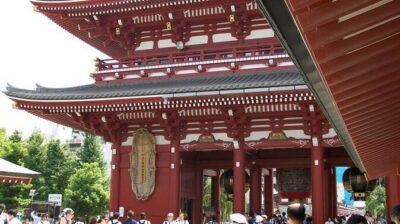
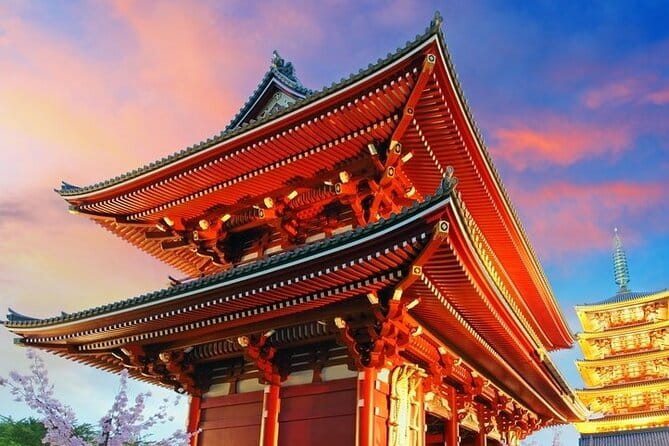
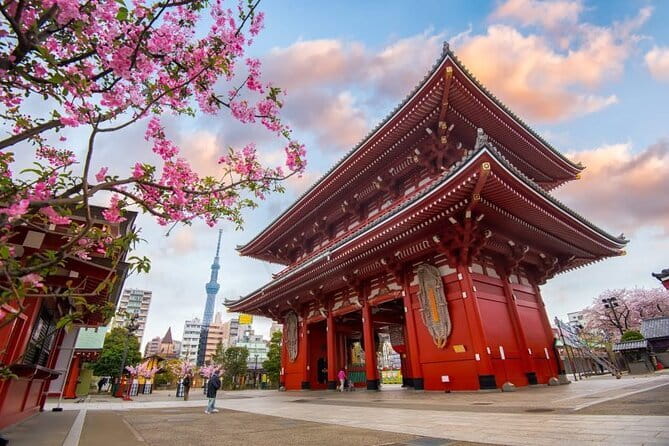
Next up is Senso-ji Temple, one of Tokyo’s most famous temple sites. The origin story in the tour overview goes back to 628 AD, when fishermen found a statue of Kannon in the Sumida River. The temple was then built to enshrine it. That legend is the kind of thing that helps the crowds make sense—you’re not just passing through; you’re entering a place with a long narrative.
Admission is listed as free, with about an hour here. This stop also pairs well with shopping streets because you can combine “temple time” with “walk time” without needing extra transit planning.
Later in the day you’ll also have time around Nakamise Shopping Street near Kaminarimon. Some of the outer streets parallel Nakamise and tend to have additional shops and cafés. Opening hours vary by shop, so the best move is to treat it as browsing time rather than a strict “I must buy X at Y time” mission. Your driver can help you prioritize what you care about.
Imperial Palace and Meiji Shrine: Two Ways Tokyo Keeps Its Calm

After the old-city energy, Tokyo turns quieter in a good way with the Imperial Palace area. The tour explains that the Tokugawa shogun ruled Japan during the Edo Period and that the current palace is tied to Edo Castle. The setting gives you a sense of how power and space shaped the city, even if you’re just walking and looking rather than doing a deep museum-style day.
Admission is listed as free, with about an hour. If you like gardens, wide paths, and a more spacious pace, this is a nice contrast point between dense streets and busy landmarks.
Then the route shifts to Meiji Shrine and its Imperial Garden area. The tour notes it was constructed in 1920, destroyed during WWII air raids, and rebuilt in 1958. That reconstruction detail matters because the shrine feels atmospheric in a way modern rebuilding sometimes doesn’t. This stop is very short in the listed schedule (about a minute), so treat it as a “get in, take a moment, and move on” visit. If you want longer time here, that’s exactly where customization helps—ask to stretch it.
You can also read our reviews of more private tours in Tokyo

Skytree vs. Tokyo Tower: Pick the View Style You Prefer
You’ll pass by Tokyo Skytree as a major option on this itinerary. The tour description traces its history back to a 16th-century tower called the Musashi Kosugi Signal Tower, used to transmit messages. That kind of lineage adds interest even if you’re mostly there for modern skyline photos.
Important detail: Tokyo Skytree entrance fees are not included (listed as 2,100 yen per person). If you want the deck experience, you’ll pay that separately. The stop still works even if you only want outside views, but the schedule includes about an hour here, so you’ll have time for both quick photos and a longer look if you choose to go up.
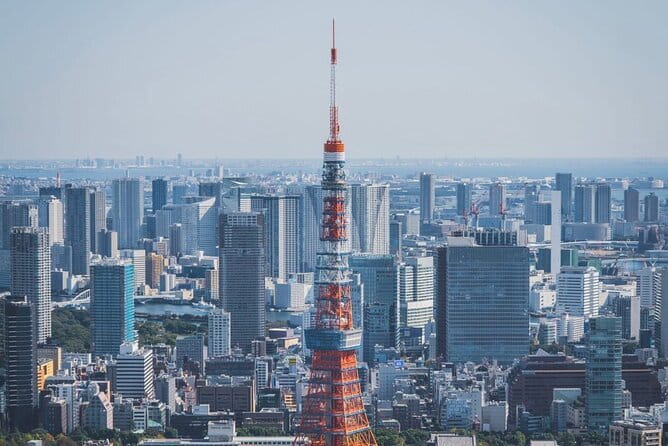
Later, there’s also time around Tokyo Tower, with entrance fees not included (listed as 800 yen per person). The tour overview describes Tokyo Tower’s design as based on the Eiffel Tower and notes it was completed in 1958. This is a different skyline mood than Skytree—more classic silhouette, more “photo icon” energy.
If you’re trying to keep costs down, here’s a simple decision rule: choose one skyline ticket and treat the other as a photo stop. Your driver can help you manage timing so you’re not spending the day paying for views you won’t actually enjoy.
Harajuku and Odaiba: Fashion Streets and Waterfront Time

Harajuku shows up through a quick stop at Osamu Owl & Mameshiba Cafe. Even with minimal time, Harajuku is a great area to sample Tokyo’s playful side. The tour also gives you historical context: Harajuku was a small post town along the road connecting Tokyo (then Edo) to Kyoto, and the name relates to meadow lodging.
This part of the day is short (listed as about a minute), so don’t expect a full Harajuku shopping spree unless you adjust the plan. If you’re a fan of street style, trendy snacks, or quirky décor, mention it and ask to turn this into a longer stop.
Then the itinerary moves to Odaiba Seaside Garden. Odaiba began as defensive land built in the 1850s, and later expanded dramatically as a seaport district. Redevelopment in the 1990s turned it into a commercial/residential area, which helps explain why it feels modern and planned compared to older Tokyo neighborhoods.
Admission is listed as free, with about an hour. This is a strong reset point: you get open views and a slower pace than temple streets and market sidewalks. If you’re tired, Odaiba is often the kind of stop that helps the day feel less frantic.
Shibuya Crossing: The Photo Moment, With a Smarter Plan
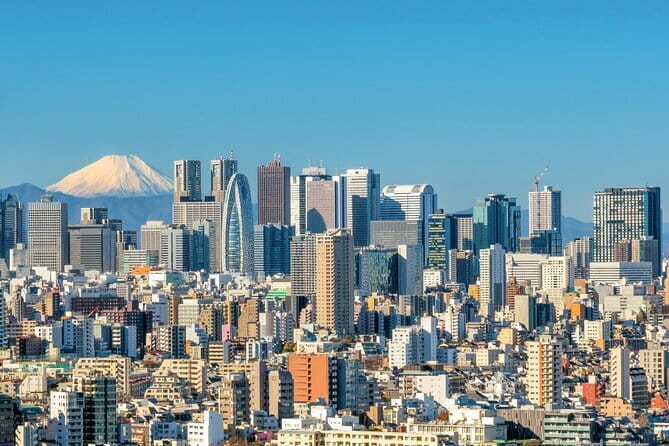
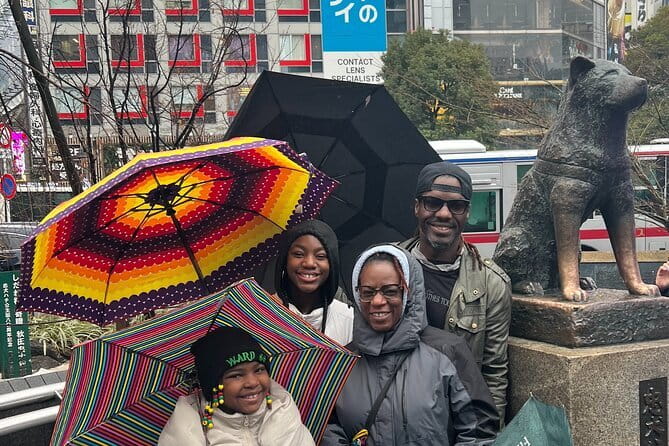
Shibuya Crossing is scheduled for about an hour. It’s famous for a reason, and the tour explanation includes the key development: Shibuya Station dates back to 1885, but the modern crossing form dates to 1932 when the Tokyu Toyoko Line opened. That timeline is useful because it frames the crossing not as random chaos, but as a piece of infrastructure that grew with the city.
Admission is listed as free. This stop is great for the iconic photo and people-watching, but it can also turn into “stand there, take photos, leave.” The private format lets you do it better. If you’re serious about photos, plan a short viewing break in a spot that gives you a clear view, then use the remaining time to explore nearby streets at your own pace.
Food Notes: Lunch Isn’t Included, so Build Your Own Fuel Plan
Lunch is not included. That’s normal for private city tours, but you should treat it like part of the design work. Tokyo offers everything from fast bowls to long café breaks, so your best move is to decide your style in advance:
- If you want a proper meal, plan a sit-down window in the middle of the day.
- If you want to keep moving, aim for snack-style fuel near the stops you’re already seeing.
The tour does include bottled water, and the description mentions tea or coffee. That helps during crowded hours, especially if you’re planning temples early and shopping later. With customization, you can also align your “food time” with the neighborhoods where it makes sense.
Price and Value for a Small Private Group
The price is $389 per group, up to 3 people, for about 10 hours. That framing matters. You’re not paying per person for a large, crowded bus day. You’re paying for private transport, pickup and drop-off, and an expert English-speaking driver who helps you shape the day.
For two or three people, the value is often strong because:
- You split the cost across the group.
- You avoid the stress of self-navigating all day.
- You get flexibility when weather, crowds, or your own energy level changes.
If you’re traveling solo, it can feel pricey compared to public transit. But if you want a smooth, guided day with minimal friction—and you care about hitting multiple major sights in one go—this can still be a practical splurge.
Two costs to watch: Tokyo Skytree (2,100 yen) and Tokyo Tower (800 yen) entrances are listed as not included. If skyline views are part of your plan, budget for them. If they’re optional, you can often keep the stops without taking the paid ticket.
Who This Tour Fits Best (and Who Might Prefer Something Else)
This fits best if you want:
- A private day instead of a group schedule
- Customization across classic Tokyo landmarks and modern districts
- English-speaking help to keep the day smooth, especially between neighborhoods
It may be less ideal if you’re happy doing everything on your own and you’re on a tight budget. Public transit can be cheaper, but you’ll spend more time planning and switching trains. A private driver pays off when time and energy matter more than saving a few dollars.
Also note the tour is described as requiring good weather. If Tokyo is having a rainy stretch, you may need to reschedule.
Should You Book This Tokyo Private Tour?
If you like the idea of a Tokyo day that feels organized but still flexible, I’d book it. The combination of hotel pickup, WiFi on board, air-conditioned comfort, and a route that mixes temples, markets, neighborhoods, and skyline views is a strong match for most first-time visitors who want both structure and choice.
Book it with extra care if skyline tickets are a must for you—because they’re not included. If you’re trying to keep costs tight, pick Skytree or Tower (not both) and use the rest of the time for shopping and strolling where you don’t pay entry fees.
FAQ
FAQ
How many people is this private tour for?
It’s a private tour for your group, up to 3 people per group.
How long is the Tokyo tour?
The duration is about 10 hours.
Is hotel pickup and drop-off included?
Yes. Hotel pickup and drop-off are included.
Do you get WiFi during the tour?
Yes. WiFi is provided on board.
Can I customize the itinerary and order of stops?
Yes. The tour is described as customizable, so you can choose your itinerary and optimize your time.
Are Tokyo Skytree and Tokyo Tower ticket fees included?
No. Tokyo Skytree entrance fees (2,100 yen per person) and Tokyo Tower entrance fees (800 yen per person) are not included.
Is lunch included in the price?
No. Lunch is not included.
What attractions are part of the typical route?
The listed stops include Tsukiji Fish Market, Senso-ji Temple, the Imperial Palace, Meiji Shrine Imperial Garden, Tokyo Skytree, Harajuku (Osamu Owl & Mameshiba Cafe), Odaiba Seaside Garden, Nakamise Shopping Street (Kaminarimon), Tokyo Tower, and Shibuya Crossing.
Do I receive a mobile ticket?
Yes. A mobile ticket is provided.
What happens if weather is bad or the minimum number of travelers isn’t met?
The tour requires good weather. If it’s canceled due to poor weather, you’ll be offered a different date or a full refund. If canceled because the minimum number of travelers isn’t met, you’ll be offered a different experience or a full refund.
Are service animals allowed?
Yes. Service animals are allowed, and the tour notes that most travelers can participate.