REVIEW · TOKYO
Shibuya by night in Small Groups: Neon Lights and Local Flavors
Book on Viator →Operated by Amigo Tours Japan · Bookable on Viator
Shibuya at night is a show you can taste. This 3-hour small-group walk turns the usual neon-photo circuit into a food-forward tour, with stories and stops that feel more local than checklist. You’ll start at Hachiko Square at 6:00 pm and work your way through Shibuya’s most photographed streets, plus places to shop and snack.
What I like most is how the tour mixes famous landmarks with very practical food stops, so you get context and calories together. I also like the small group size (max 10) and the fact that the guide is bilingual in Spanish and English, which keeps things easy when you want to ask questions mid-walk (and yes, guides like Lily, Jorge, Giorgio, and Camila have been called out for being friendly and attentive).
The one thing to consider is pacing. There’s at least one report where the tastings or shopping stops didn’t happen exactly as expected due to time, so if you’re hoping to linger hard in stores, keep your expectations for a structured night route.
In This Review
- Key things to know before you go
- Shibuya at 6:00 pm: when the lights match the appetite
- Small-group guiding: why the guide matters here
- Value check: $79 for a night route that feeds you
- Stop 1: Hachiko Square and the story that sets the tone
- Stop 2: Miyashita Park for modern Tokyo on an elevated level
- Stop 3: Shibuya Crossing and a konbini bite plan
- Stop 4: Center-gai for street-food energy and big photo energy
- Stop 5: MEGA Don Quijote Shibuya for souvenirs and snack browsing
- Stop 6: Antenna 21 building and an onigiri stand stop
- Stop 7: Hands Shibuya to end with gadgets, stationery, and fun finds
- Walking logistics: what to plan so it feels fun
- Who this tour suits best
- Should you book the Shibuya by night small-group tour?
- FAQ
- What time does the tour start and how long is it?
- How big is the group?
- What languages is the guide?
- Where does the tour start and end?
- What food is included in the tastings?
- Is the tour ticket mobile?
- Are entrance fees included?
- Is this tour near public transportation?
- Can I cancel for a full refund?
Key things to know before you go
- Small group size (up to 10) makes it feel like a guided night out, not a crowded herding situation.
- Two-language guiding (Spanish and English) helps you follow the stories and ask food questions fast.
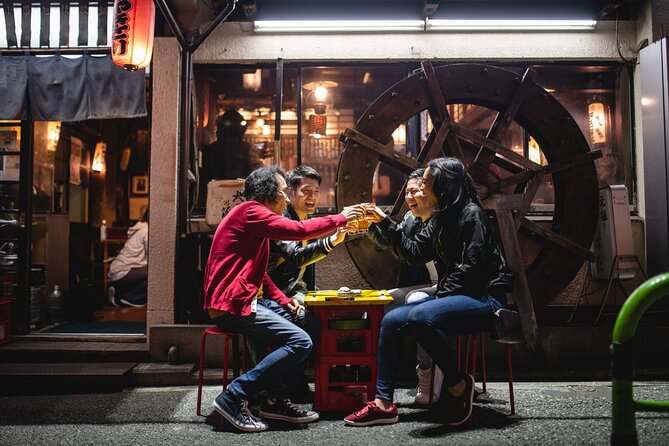
- Tastings are built into the route: konbini bites, a Korean corndog or takoyaki stop, plus onigiri chances.
- A mix of icons and everyday Tokyo: Hachiko, Miyashita Park, Shibuya Crossing, Center-gai, and big-name shopping stops.
- Price-to-time ratio is the value play: $79 for about 3 hours with multiple included tastings and guided stops.
Shibuya at 6:00 pm: when the lights match the appetite
If you’ve only seen Shibuya by day, you’re missing half the mood. At night, the streets feel louder, the signage becomes part of the scenery, and the food stops make more sense because you’re out when dinner decisions are real. Starting at 6:00 pm also gives you a sweet spot: the sun has gone, the crowds are building, and you’re not stuck in late-night exhaustion.
This tour is designed for that window. It’s short enough (about 3 hours) to keep it fun, not exhausting, and focused enough that you don’t just wander looking for something to eat. You’ll also end near Hands Shibuya, which is a handy area to continue on your own afterward.
You can also read our reviews of more evening experiences in Tokyo


Small-group guiding: why the guide matters here
In Tokyo, the difference between a good walk and a great walk is often one person: the person holding the context. This tour runs with a bilingual guide in Spanish and English, and the group stays capped at 10 people, which makes the conversation feel personal.
From past guests’ comments, guides like Lily, Jorge, Giorgio, and Camila tend to be friendly and engaged, and that shows in the way the tour flows between stories and food. I like that style because it’s not just facts; it’s explanations that help you read the place as you’re walking through it.
One practical point: with only about 3 hours, you’ll get the most out of it if you’re comfortable moving at a walking pace and asking questions in between stops.
Value check: $79 for a night route that feeds you
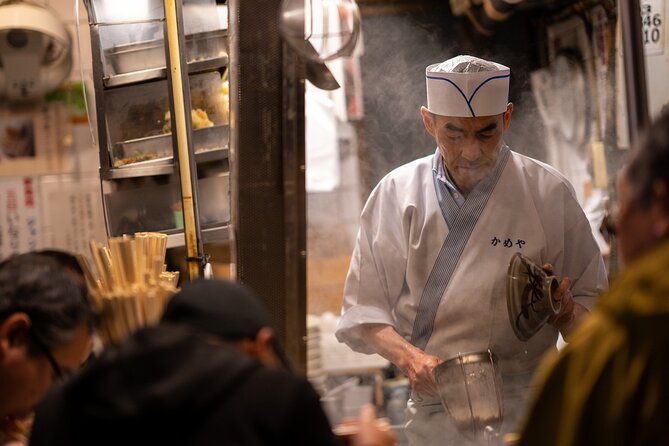
Let’s talk money in normal terms. $79 for roughly 3 hours is the kind of price where you should ask: do I get enough included to feel it was worth it?
Here’s the math-minded view:
- You’re paying for guided routing through major Shibuya zones (not just a single viewpoint).
- The tour includes tastings tied to the route—konbini-style bites, a Center-gai street-food choice, and onigiri stops.
- Several attractions are free at the stop level (your included “admission ticket free” items), so the value comes from the guidance and the food, not entry fees.
If you plan to spend a bunch on snacks anyway, this can feel like a shortcut to getting good variety without figuring out where to go in the dark. If you’re the type who wants full independence to browse stores at length, then part of the value (and time) may feel a bit scheduled.
Stop 1: Hachiko Square and the story that sets the tone
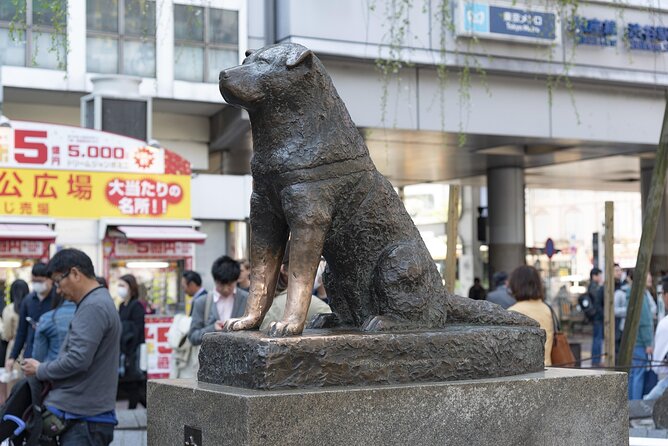
You begin at Hachiko Square, right by the famous Hachiko statue. This isn’t just a quick photo moment. The guide shares the touching story of Hachiko, the Akita dog who waited for his owner for nearly a decade.
Why this stop works at night: the story gives the neon chaos a human anchor. You’re not just collecting landmarks; you’re learning the kind of loyalty and attention Tokyo often celebrates in public spaces. It’s also a good reset before the crowds and street-level noise start to grow.
Stop 2: Miyashita Park for modern Tokyo on an elevated level
Next up is Miyashita Park, an elevated space that blends nature, shopping, and entertainment. You’ll get a brief explanation of its renovation and why it matters in Tokyo’s urban life, then you’ll head down to explore the Miyashita area around it.
This is a smart contrast stop. After Hachiko and the main Shibuya-adjacent landmarks, Miyashita Park offers a different vibe: more layered space, more design-forward Tokyo, and a reminder that this district isn’t only streets and signs—it’s also architecture that shapes how you move.
You’ll have about 40 minutes here, so don’t plan to see every corner in detail. Instead, treat it like a chance to orient yourself and catch the “Tokyo today” feel.




Stop 3: Shibuya Crossing and a konbini bite plan
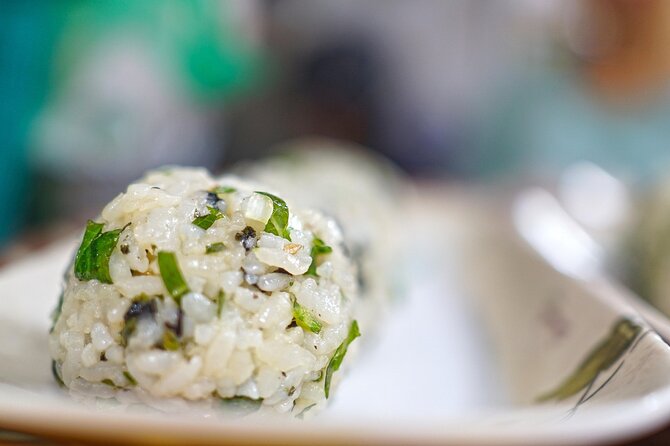
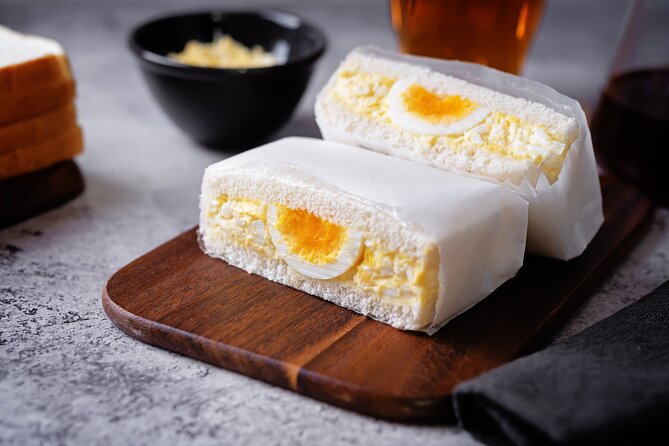
Now you’re back at the iconic Shibuya pedestrian crossing—the place where people always look a little stunned in a good way. The tour then nudges you into a nearby konbini (convenience store), where you’ll try local delights like egg sandwiches, fried chicken with bread, and classic onigiris.
This is one of my favorite parts of many Tokyo food walks because konbini food is approachable. You don’t need restaurant reservations or a menu translation skill to enjoy it. It’s also a real Tokyo habit, not just a tourist snack.
A good strategy: eat mindfully here. Don’t try to over-order. The tour is giving you the idea of what to try, and then you can decide later whether you want to go deeper on your own.
Stop 4: Center-gai for street-food energy and big photo energy
From the crossing, you head into Shibuya Center-gai, one of the most lively and photographed street areas in Shibuya. This is where you’ll likely feel the district’s true “night identity.”
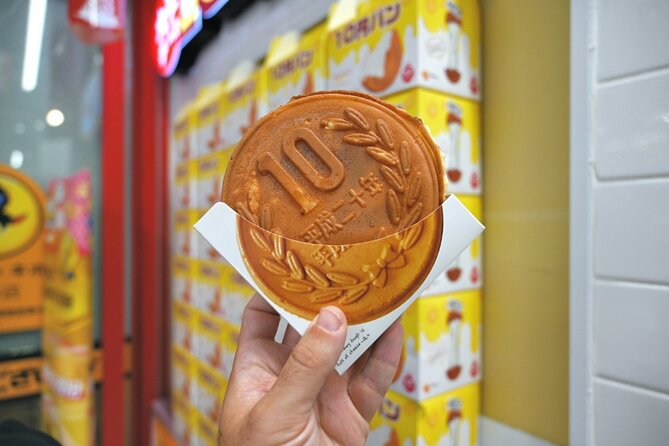
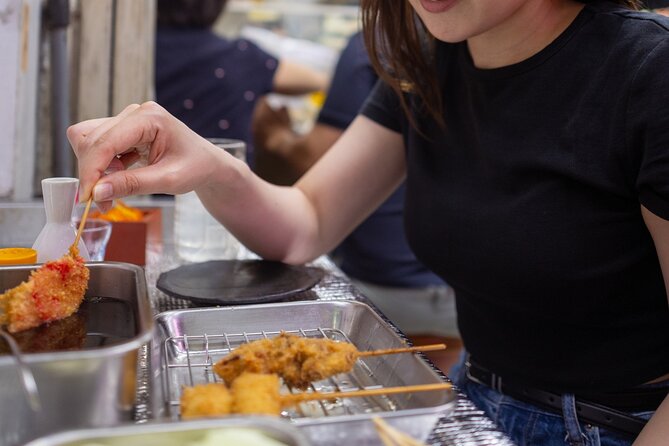
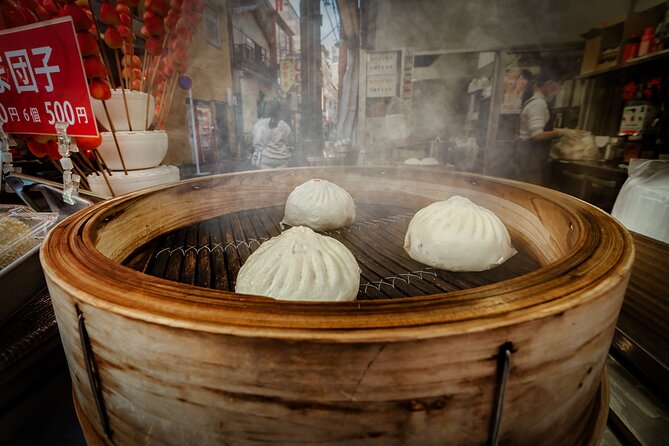
In this part of the walk, you’ll have time to enjoy something like a Korean corndog or takoyaki, plus chances to take photos around Center-gai. There’s also a quick stop to purchase a 10-yen coin from a nearby vending machine area, adding a small taste of everyday Tokyo transactions.
One note to keep you happy: street-food stalls can get loud and crowded. If you’re picky about noise or waiting, this is the stop where you’ll notice it most. If you can handle the chaos, it’s also the most fun visually and socially.
Stop 5: MEGA Don Quijote Shibuya for souvenirs and snack browsing
After Center-gai, you’ll visit MEGA Don Quijote Shibuya, a discount store packed with quirky products, Japanese snacks, and souvenirs. You get a quick explanation to help you shop efficiently—because this place can swallow time if you let it.
This is where the tour earns its “shopping stop” label. You’re not just walking past a famous store; you’re getting guidance on how to use it. The goal is smart browsing: find a few memorable items without turning the tour into a marathon.
Keep your eyes on bag space. At night, it’s easy to buy “one more thing” and then regret it later when you’re holding shopping bags back at your hotel.
Stop 6: Antenna 21 building and an onigiri stand stop
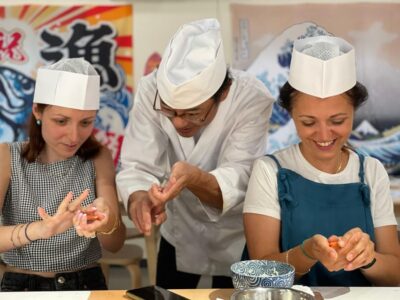
Next is a short stop at the Antenna 21 building area for a special onigiri stand. You’ll have a chance to try one of Japan’s traditional and popular foods: onigiri.
This tasting works because it’s connected to the earlier konbini stop. You’ll get to compare the feel of onigiri as a daily convenience food versus an emphasized specialty moment. Even if you don’t remember every flavor, you’ll remember the texture: rice that stays firm, fillings that taste more concentrated than typical handheld snacks.
Time here is about 15 minutes, so expect a quick bite, not a slow food experience. That’s fine—it’s a highlight, not a meal replacement.
Stop 7: Hands Shibuya to end with gadgets, stationery, and fun finds
The tour ends at Hands Shibuya (formerly known as Tokyu Hands). You’ll explore this department-store style shop with stationery, home goods, and Japanese curiosities, and the guide will share a brief explanation to help you spot the kind of items worth picking up.
This is a smart place to finish. The end point is a shopping hub, so if you want to keep browsing, you can. If you want to grab dessert or head to dinner nearby, you’re already in the right zone.
Also, the Hands stop gives the walk a satisfying “souvenir logic.” Instead of buying random trinkets, you can choose items that feel useful and nicely made.
Walking logistics: what to plan so it feels fun
This is a night walk with a set route and multiple stops. Even though most entries are free at the stop level, you’ll be moving between districts and landmarks, so comfortable shoes matter more than usual.
A couple of practical tips:
- Eat lightly before you go. You’ll be sampling several things, and getting full early helps you enjoy each stop instead of rushing the later ones.
- Bring cash or a card for personal purchases. The tour includes tastings, but shopping is personal.
- If you’re the type who likes long store browsing, consider doing that on another night. This one is built for variety and momentum.
Who this tour suits best
This tour is a great fit if you:
- Want Shibuya at night with structure, without spending hours figuring out where to eat.
- Like food variety more than formal sit-down meals.
- Prefer a small group and a bilingual guide who can answer questions.
- Enjoy a mix of icons (Hachiko, Shibuya Crossing) and everyday Tokyo habits (konbini snacks, onigiri stops).
It may be less ideal if you:
- Want maximum time inside stores with no pacing.
- Have very tight dietary needs, since the included tastings are part of the route and you’ll be sampling specific items.
Should you book the Shibuya by night small-group tour?
Yes, I’d book it if you want a guided, food-focused evening that covers the main Shibuya highlights while still giving you real snack experiences. At $79 for about 3 hours with a max of 10 people and multiple included tastings, it’s priced like a plan—not just a walking tour.
My main “wait” reason is timing expectations. One experience reported the tastings and shop time not going exactly as announced. So if you’re counting on long browsing or a very specific food outcome, treat it as a guided route with tasting moments, not an open-ended shopping spree.
If you’re excited by the idea of Hachiko, Center-gai street energy, konbini bites, and onigiri—with a friendly bilingual guide like Lily, Giorgio, Jorge, or Camila—this is a strong way to spend a Tokyo evening.
FAQ
What time does the tour start and how long is it?
The tour starts at 6:00 pm and lasts about 3 hours.
How big is the group?
The tour has a maximum of 10 travelers.
What languages is the guide?
The guide is bilingual in Spanish and English.
Where does the tour start and end?
It starts at Hachiko Statue 2 Chome-1 Dogenzaka, Shibuya, Tokyo 150-0043, Japan and ends at Hands Shibuya, 12-18 Udagawachō, Shibuya, Tokyo 150-0042, Japan.
What food is included in the tastings?
Tastings include items mentioned in the route such as onigiris, konbini-style bites (like egg sandwiches and fried chicken with bread), and a street-food stop such as a Korean corndog or takoyaki.
Is the tour ticket mobile?
Yes, the tour uses a mobile ticket.
Are entrance fees included?
Entrance fees to specific attractions are not included.
Is this tour near public transportation?
Yes, it’s near public transportation.
Can I cancel for a full refund?
Yes. You can cancel up to 24 hours in advance for a full refund. If you cancel less than 24 hours before the start time, it isn’t refunded.