REVIEW · TOKYO
Tokyo: Asakusa – Walking Tour
Book on GetYourGuide →Operated by Japandas · Bookable on GetYourGuide
Step into old Tokyo for three hours. This Asakusa walking tour strings together the big-name sights—Kaminarimon Gate and Sensō-ji—with the street life in between, plus a couple stops that feel very Tokyo today.
I love how the route moves from landmark gates into the real shopping-and-sweets corridor of Nakamise-dori, then right into major temple space at Sensō-ji and nearby Asakusa Shrine. One thing to consider: meeting up can be tricky if your ride drops you off a few minutes away, so arrive early and watch for the guide’s blue panda flag.
In This Review
- Key things to know before you go
- Why This Asakusa Walk Works in 3 Hours
- Starting at Sumida Park and Finding Your Guide
- Kaminarimon Gate to Nakamise-dori: the Street That Sells You a Story
- Sensō-ji Through the Hozomon Gate to the Main Hall
- Asakusa Shrine and the Buddhism–Shinto Connection
- Keeping Sumo Alive at Asakusa Sumo Club
- Don Quijote: Souvenirs and a Little Tokyo Mischief
- Practical Notes: Shoes, Weather, Tickets, and Rules
- Who This Tour Fits Best (and Who Might Prefer Another Plan)
- Should You Book This Asakusa Walking Tour?
- FAQ
- How long is the Asakusa walking tour?
- What’s the meeting point?
- Is the tour guided, and what language is it in?
- Does the price include admissions?
- Is the tour wheelchair accessible?
- What should I bring for the tour?
Key things to know before you go
- Sumida Park start: you kick off with a river-and-Skytree view before you hit the crowds.
- Kaminarimon + Nakamise-dori: iconic gate to century-old snacks and storefronts.
- Sensō-ji via Hozomon Gate: you’ll go in through one of the temple’s classic entrances.
- Asakusa Shrine stop: a clear explanation of the Buddhism–Shinto connection in one place.
- Asakusa Sumo Club + Don Quijote: tradition side-by-side with easy, fun shopping.
Why This Asakusa Walk Works in 3 Hours
Asakusa is the traditional part of Tokyo, but it’s not a museum-only zone. It’s busy, lived-in, and layered—so the best way to see it is to walk and connect the dots fast.
This tour is priced at $21 and lasts 3 hours, which is a good deal for a guided route that also includes admissions to ticketed sites when they come up. In practice, you’re not paying extra to enter every stop. That matters in Tokyo, where small ticket costs add up.
You’ll get a mix that keeps your brain from glazing over: gates and big temple moments, street-level shopping, and a tradition-meets-modernity pairing with sumo and Don Quijote.
You can also read our reviews of more walking tours in Tokyo


Starting at Sumida Park and Finding Your Guide
The tour begins at Sumida Park. You start with a nice orientation moment over the river, with Tokyo Skytree visible nearby—useful for getting your bearings before you step into Asakusa’s main corridor.
Meeting point details are specific: the guide carries a blue flag with a panda. The coordinates are 35.7107915, 139.7979734. If you’re taking Uber or another ride, I’d plan to arrive on the early side and cross-check the pickup spot. One real-world hiccup is that rides can drop you a bit off, and if you’re scrambling to find your guide, it turns into stress instead of sightseeing.
My tip: screenshot the coordinates and look for the panda flag before you wander off to “quickly grab something.” In a place this popular, that detour can cost you a lot of time.
Kaminarimon Gate to Nakamise-dori: the Street That Sells You a Story
The first major “wow” is crossing the Kaminarimon Gate with its famous red lantern. This is the kind of place where photos look great, but what I like more is how it marks the shift from open space into the temple district.
Right after the gate, you’ll stroll along Nakamise-dori. This is the classic shopping street—lined with long-running stalls and stores that sell traditional snacks and souvenirs. Expect the smell of sweet things in the air and a constant stream of people doing exactly what you’re doing: pausing, browsing, and sampling.
Two practical notes:
- Wear shoes you can stand in. Nakamise-dori and the temple approach roads add up quickly.
- If you want food, go early in the walk. You’ll still find snacks later, but getting your first round in while you’re fresh makes the rest of the route more fun.
Sensō-ji Through the Hozomon Gate to the Main Hall
Next you’ll head to Sensō-ji, one of Tokyo’s most visited Buddhist temples. Your route includes the Hozomon Gate, which is the entrance to the Main Hall area. That matters because you’re not just walking past big buildings—you’re entering the temple flow the way visitors are meant to experience it.
Sensō-ji is a major landmark, so the guide’s job here is more than “point and shoot.” A good guide helps you understand where to look and what’s meaningful, so you don’t just see statues and lanterns without context.
What to watch for as you enter the main areas:
- The layered scale: gates, hall approaches, and the sense of approaching something important.
- People’s behavior and ritual cues. Even if you don’t follow every custom, you’ll figure out where to stand and how to move respectfully.
- The switch from street chatter to calmer temple pacing. The sound changes as you get deeper.
If you’ve only seen temple sites from outside, this is the part that turns “I’ve heard of it” into “I get it.”
Asakusa Shrine and the Buddhism–Shinto Connection
After Sensō-ji, you’ll visit Asakusa Shrine, dedicated to the founders of the temple. This stop is especially worth your time because it highlights how Japanese religious life often works as a blend rather than a strict split.
The shrine is known as a symbol of the fusion between Buddhism and Shintoism. That can sound abstract until you see it in place. The guide’s explanation helps you connect the dots between what you saw at Sensō-ji and what changes here at the shrine.
Practical takeaway: slow down a bit at Asakusa Shrine. This isn’t just another “look around.” It’s the moment where the tour gives you a framework for understanding why Asakusa feels like one continuous sacred zone rather than separate sites.






Keeping Sumo Alive at Asakusa Sumo Club
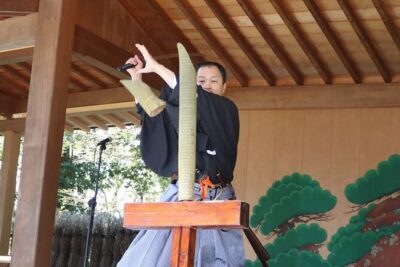
Then the walk pivots into something less expected: the Asakusa Sumo Club. This stop is there to keep Japanese tradition present beyond the temple streets.
You’ll get the sense that sumo isn’t only for stadium spectacle; it’s maintained through local training culture and community spaces. Even if you’re not a hardcore sumo fan, this is a nice change of pace after the gates and incense atmosphere.
What I like about this stop on a walking tour is that it broadens your definition of “traditional Tokyo.” You leave with one more piece of cultural context than you’d get from temples alone.
Don Quijote: Souvenirs and a Little Tokyo Mischief
To wrap up, you’ll pass by Don Quijote, which is one of Tokyo’s best-known shopping and curiosity stores. This is ideal for the practical side of travel: souvenirs, snacks, small gifts, and the kind of fun browsing that doesn’t require a perfect plan.
Don Quijote also works as a final stop because it lowers the emotional intensity of the day. After walking through sacred spaces and historical sites, a lively retail stop feels like a reset button.
If you’re thinking about taking home snacks or quirky items, decide what you’re buying here rather than trying to squeeze it into the middle of temple streets. Late in the tour is when you’ll be most realistic about your bag space.
Practical Notes: Shoes, Weather, Tickets, and Rules
A few practical items that make or break your day:
What to bring
- Comfortable shoes (seriously—this is a walking tour through multiple gate areas)
- Comfortable clothes
Weather
The activity runs regardless of weather, so bring rain gear or an umbrella. In humid summer or rainy shoulder seasons, walking longer than expected can feel harder if you’re unprepared.
What’s included
Admission is included for sites that require tickets. Some ticketed venues may be part of the day’s route, and the package covers those entries. The information also lists examples like Imperial Gardens, which suggests the tour may use paid-entry spaces as part of its broader plan when they fit.
Rules
- No smoking
- No drones
- No alcohol and drugs
Guide language and accessibility
- The live guide is Spanish
- The tour is wheelchair accessible
That Spanish-language detail is important. If you don’t read or speak Spanish at all, you’ll still be able to see what’s going on, but you’ll get more value if you’re comfortable following simple explanations. If you want, you can also use the time to look for visual cues and let the guide fill in the meaning.
Who This Tour Fits Best (and Who Might Prefer Another Plan)
I think this tour is a strong match for:
- First-timers in Tokyo who want Asakusa highlights without wasting time
- People who like a balanced mix of historic sites and everyday street life
- Travelers who value guided context (especially around the temple-and-shrine connection)
It may be less ideal if:
- You want long stays at each site for deep, independent exploration
- You rely on English-only explanations and you’re not comfortable with Spanish guiding
If you’re doing other Tokyo neighborhoods the same day, this 3-hour time window is also a good “anchor block.” It gives you a clean Asakusa experience without turning the day into a nonstop marathon.
Should You Book This Asakusa Walking Tour?
If you want a practical introduction to traditional Tokyo that still feels current, I’d book it. For $21 and a 3-hour pace, you get the big Asakusa identifiers—Kaminarimon, Sensō-ji, and Asakusa Shrine—plus smart add-ons like Asakusa Sumo Club and easy shopping at Don Quijote. That’s the kind of mix that keeps the walk interesting from gate to street to culture stop.
Just do two things to make it smooth: arrive a bit early for the blue panda flag meeting, and pack rain gear. If you do those basics, this is the kind of Tokyo walk that leaves you feeling oriented and satisfied.
FAQ
How long is the Asakusa walking tour?
The tour lasts 3 hours.
What’s the meeting point?
The tour starts in Sumida Park. The guide carries a blue flag with a panda. Coordinates are 35.7107915, 139.7979734.
Is the tour guided, and what language is it in?
Yes, it’s a live tour with a Spanish guide.
Does the price include admissions?
It includes admissions for sites that require ticket purchase, including temples, museums, or other ticketed venues that are part of the tour.
Is the tour wheelchair accessible?
Yes, the tour is wheelchair accessible.
What should I bring for the tour?
Bring comfortable shoes and comfortable clothes. Since the tour runs in all weather, bring an umbrella or rain gear if rain is possible.