REVIEW · TOKYO
Wheelchair Accessible Taxi from HND to Yokohama Port
Book on Viator →Operated by 横浜福祉タクシーBridgeMAIT · Bookable on Viator
Haneda can be stressful. This one-way wheelchair transfer is built to reduce the stress fast, with a pickup that’s timed to your reservation and a van designed around real wheelchair needs. I especially love the driver’s safety training and credentials, and the fact that the service is priced up front using approved fares.
You’ll also like the practical comfort details: an English-speaking driver and onboard perks like WiFi and AC100V power. One consideration: there’s no restroom on board, so plan around your timing.
In This Review
- Key Things I’d Plan Around
- A One-Way Wheelchair Transfer That Makes the Start Feel Easy
- Pickup at Haneda: What You Need Ready for a 7:00am Start
- The Van Setup: Toyota Hiace Commuter Wheelchair + Luggage Math
- The Driver: Safety Training Plus Calm, Courteous Handling
- Comfort That’s Not Just Marketing: AC, Low Vibration, WiFi, Power
- Price and Value: $170.19 Per Group (Up to 3) for a One-Way Transfer
- The Timeline: What 1 to 1.5 Hours Means for Your Arrival
- What’s Not Included: Restroom and Refreshments (Plan Like a Pro)
- Who This Wheelchair Taxi Is Best For
- Should You Book This From Haneda to Yokohama Port?
- FAQ
- Is this transportation from Haneda to Yokohama Port one-way or round-trip?
- How long does the transfer take?
- What wheelchair and passenger capacity does the van have?
- Where does the pickup happen?
- Will the driver speak English?
- Is WiFi or power available during the ride?
- Is there a restroom on board?
- Is this private transportation?
- Can I cancel and get a full refund?
Key Things I’d Plan Around
- Pickup at Haneda at your reserved time (start time listed as 7:00am)
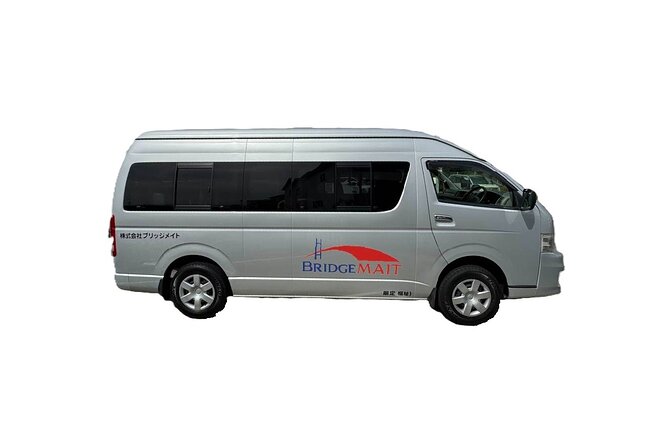
- Wheelchair-friendly Toyota Hiace Commuter layout for two wheelchairs and up to four adults
- Driver credentials you can feel good about (including Yokohama City Fire Department patient transportation certification)
- Clear, group-based pricing for up to three people
- WiFi and AC100V power on board for the ride
- No onboard restroom or coffee/tea, so bring water if you like
A One-Way Wheelchair Transfer That Makes the Start Feel Easy
Getting from Haneda Airport to Yokohama Port can be complicated when mobility is part of the plan. This service focuses on the part that usually causes the most friction: getting you into a vehicle safely and getting you out cleanly at the other end. It’s a private transfer, one way only, and it’s timed for a smooth departure from the airport area.
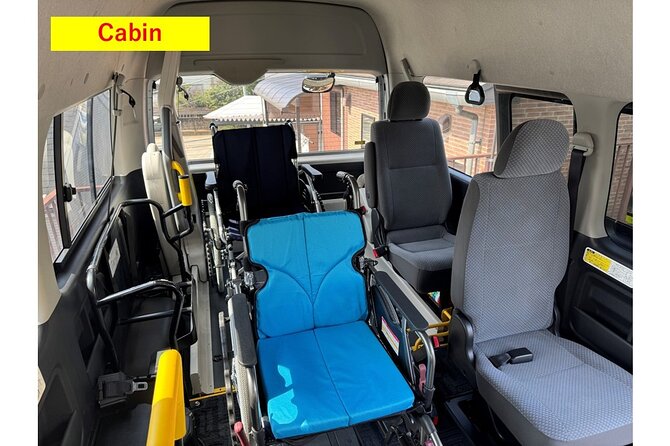
I like that the comfort approach is not vague. The van is set up to keep a spacious, clean passenger space, with proper temperature and humidity control. You also get a low-vibration ride design, which matters when you’re traveling seated in a wheelchair and you’d rather not feel every bump.
The other big win is the human factor. The service is tied to a driver who’s been trained in multiple areas, including wheelchair and disability support, patient transportation, and even a racing-driver license (more on that below). That blend is what makes this transfer feel like a real logistics solution, not just a taxi with ramps.
You can also read our reviews of more tours and experiences in Tokyo.



Pickup at Haneda: What You Need Ready for a 7:00am Start
Your pickup is at Haneda Airport, specifically Hanedakuko in Ota City, Tokyo. The scheduled start time shown is 7:00am, and your driver meets you at the time you selected when you reserved. Since this is private, you’re not sharing the pickup window with strangers, which usually makes the whole process calmer.
Here’s what you should have ready so the driver can help quickly:
- Your reservation details on your phone (it’s a mobile ticket)
- Your wheelchair and any key access points you want the driver to be careful around
- A quick plan for luggage: where you want the suitcases when you reach the port
Also, this service includes 7*24 customer support. That’s useful if you run into a flight delay, a terminal change, or confusion about where to meet. You’re not left guessing with only daytime support.
The Van Setup: Toyota Hiace Commuter Wheelchair + Luggage Math
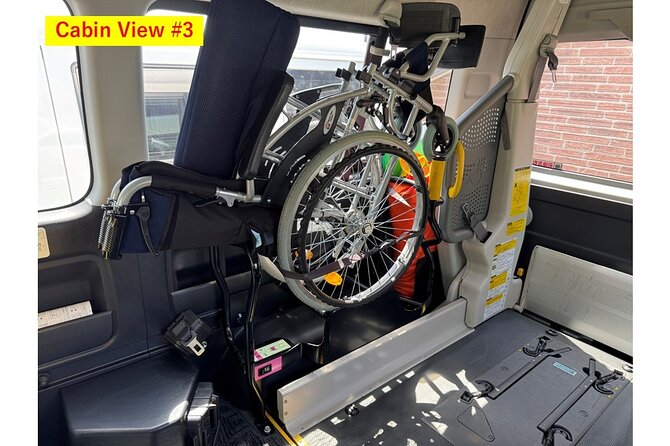
The vehicle is a Toyota Hiace Commuter configured for accessibility. The capacity is specific and worth planning around: it can handle two (2) wheelchairs, up to four (4) adults, and about five (5) oversized suitcases.
That luggage number is the kind of detail that helps you avoid a last-minute scramble. If you’re traveling with a powered wheelchair and multiple big bags, you’ll want to think in terms of total volume, not just weight. The van’s space is meant to handle both people and luggage in one go, which is exactly what you want for a one-way transfer to a port.
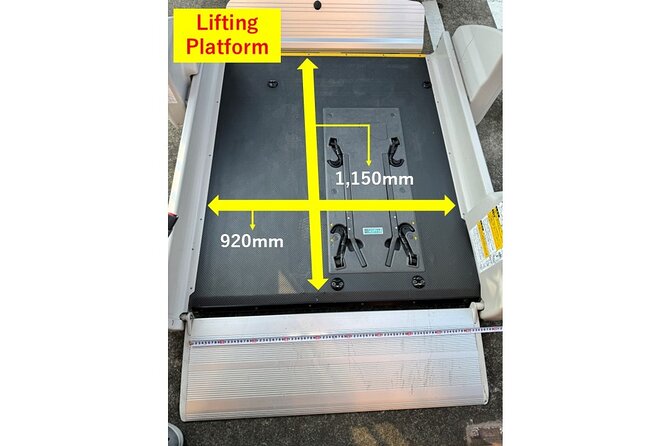
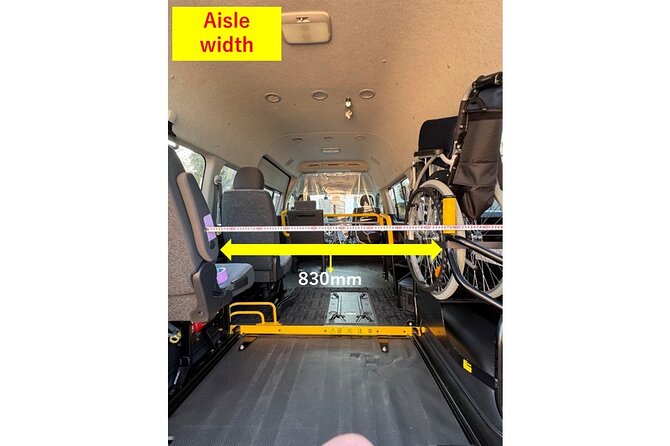
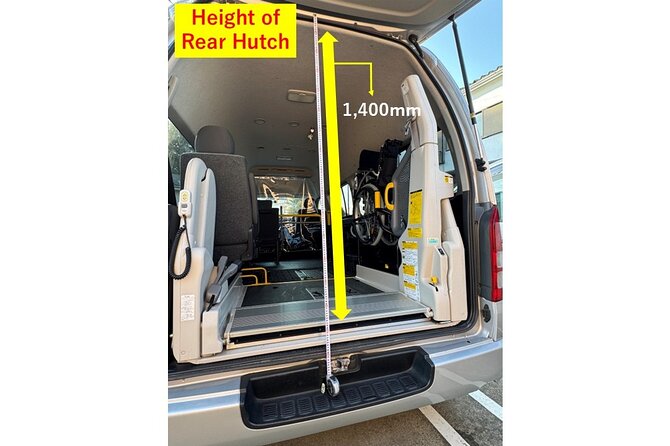
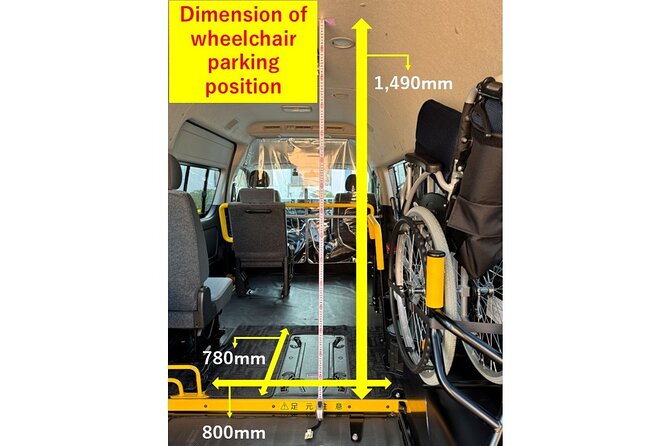
One more practical note: one of the best signals of good accessibility planning is whether the service can handle a large powered wheelchair. The driver provides detailed photos and measurements before pickup, so you can confirm fit and avoid surprises at the curb. That’s the kind of prep that makes you feel confident early, not panicked late.
The Driver: Safety Training Plus Calm, Courteous Handling
You’re not just hiring a driver. You’re getting someone with serious training for this kind of transportation.
The driver credentials listed include:
- Home Helper 2nd class
- Guide Helper (generalized and intellectual disabilities)
- Yokohama City Fire Department-certified Patient Transportation Driver
- Japan Automobile Federation Type 2 racing driver license
Those certifications matter for different reasons. The disability-related training suggests the driver understands how to communicate and assist in a way that’s respectful and safe. The patient transportation certification is directly relevant to careful handling and safe transport practices. And the racing-license background is a strong indicator of disciplined driving control—useful when you want smooth motion and predictable handling.
In day-to-day terms, the service is also known for being on time and careful with wheelchair handling. That’s crucial. The best transfers feel like the driver has done this many times, and that the vehicle approach is methodical, not improvisational.
Comfort That’s Not Just Marketing: AC, Low Vibration, WiFi, Power
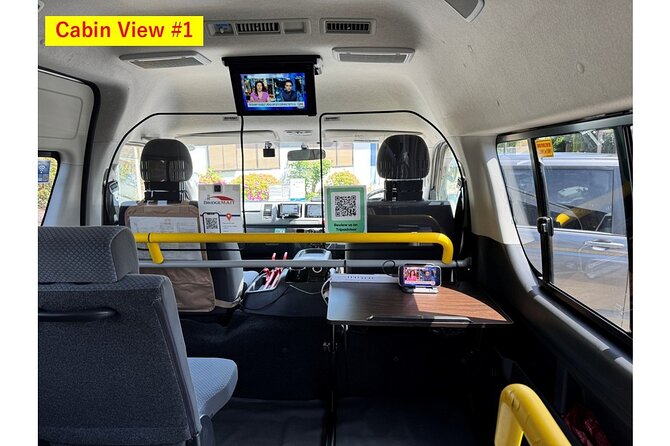
This transfer is designed to feel comfortable even though it’s relatively short (about 1 to 1.5 hours). You get:
- AC100V power supply
- WiFi on board
- Proper temperature and humidity control
- A low-vibration structure
If you rely on devices (medical equipment, phone charging for navigation, tablets for entertainment), AC100V power can be a big deal. And WiFi helps you pass the time without burning battery life.
Low vibration is one of those details you only appreciate when you’re in a wheelchair. It affects how steady the ride feels. For many people, the ride comfort is not about luxury—it’s about reducing fatigue and discomfort so you arrive at the port in better shape.






Price and Value: $170.19 Per Group (Up to 3) for a One-Way Transfer
The price is $170.19 per group, up to 3 people, for a one-way transfer. That might sound simple, but the value comes from what’s included and what’s often missed with less specialized transport.
Included costs:
- Private transportation
- Boarding and disembarking assistance for wheelchair users
- English-speaking driver
- Parking fees
- Expressway toll
Expressway tolls and parking fees add up fast in Tokyo-area transfers. Including them means you don’t get surprised later, and you don’t have to worry about whether a driver is taking the quickest accessible route.
Also, because it’s priced per group (up to three), it can work out very well for families or small groups traveling together. If you’re traveling solo, it may feel like a premium versus a standard taxi—but when you factor in accessibility support, careful handling, and vehicle fit for wheelchairs, the cost starts to make sense.
The Timeline: What 1 to 1.5 Hours Means for Your Arrival
This is a one-way service from Haneda Airport area to Yokohama Port, with an estimated duration of about 1 hour to 1 hour 30 minutes. You’re traveling in the morning (pickup starts at 7:00am per the listed start time), which can be a smart choice because delays due to traffic are usually less chaotic than peak times.
Because there’s no onboard restroom, the ride length should still be planned around your comfort. If you have any time-sensitive needs, it’s better to handle them before you board.
The good part: the transfer is direct in the sense that it’s a single leg. You’re not juggling multiple vehicles or complicated changes. For a port arrival, that kind of simplicity is worth money.
What’s Not Included: Restroom and Refreshments (Plan Like a Pro)
Two items are specifically not included:
- Restroom on board
- Coffee and/or tea
That’s not a deal-breaker, but it does mean you should plan like you’re taking a short ride, not a full tour experience. Bring water if you like something to sip during the ride. If you rely on any snack timing for comfort, have it ready before pickup.
Also, since the service includes WiFi and power, you might want to pack a charged phone or device accessories so you can make use of the ride time without stressing.
Who This Wheelchair Taxi Is Best For
This transfer fits best when you need accessibility handled thoughtfully and you want a private setup.
It’s a strong match if:
- You use a wheelchair and want assistance with boarding and getting out
- You’re traveling with a small group (up to three in the booking, and up to four adults can fit in the van overall)
- You have large luggage and need space planned from the start
- You want an English-speaking driver who can coordinate calmly
- You have a powered wheelchair or larger equipment and want measurements and photos ahead of time
It also works well for people traveling for disability inclusion events or group planning scenarios, where safe, dependable transport isn’t optional. The service approach is clearly aimed at reducing guesswork and making the first steps in Japan feel manageable.
Should You Book This From Haneda to Yokohama Port?
If you value safe, trained assistance and you want a smooth, direct one-way transfer to the port, I’d book this. The driver credentials and the vehicle capacity details are exactly the kind of planning that prevents the stressful moments people dread at airports and ports.
I’d especially recommend it when:
- You need wheelchair handling done carefully
- You want WiFi and power for the ride
- You’re traveling with family and want one private vehicle instead of complicated alternatives
If you’re someone who absolutely needs a restroom during transit, you’ll want to plan around that limitation since there’s no restroom on board. And because the pickup time is set for a morning start, make sure your schedule and your port timing line up.
FAQ
Is this transportation from Haneda to Yokohama Port one-way or round-trip?
It is one-way only. The reservation covers a single transfer.
How long does the transfer take?
The duration is about 1 hour to 1 hour 30 minutes.
What wheelchair and passenger capacity does the van have?
The Toyota Hiace Commuter configuration can accommodate two wheelchairs and up to four adults, plus about five oversized suitcases.
Where does the pickup happen?
Pickup is at Haneda Airport, Hanedakuko, Ota City, Tokyo 144-0041, Japan.
Will the driver speak English?
Yes. An English-speaking driver is included.
Is WiFi or power available during the ride?
Yes. There is WiFi on board and an AC100V power supply.
Is there a restroom on board?
No. A restroom on board is not included.
Is this private transportation?
Yes. It’s a private tour/activity, and only your group participates.
Can I cancel and get a full refund?
Free cancellation is available. You can cancel up to 24 hours in advance for a full refund.