REVIEW · TOKYO
Tokyo: Samurai Sword Academy in the Hometown of Last Samurai
Book on GetYourGuide →Operated by Masubuchi Dojo LLC · Bookable on GetYourGuide
Hino makes sword training feel like time travel. I like that you learn Tennen Rishin-ryu the way it’s still practiced, and I like the hands-on flow with small groups. The main drawback to plan around: this is a physical activity, and it’s not a fit if you have back problems, mobility limits, vertigo, or recent surgery.
You meet at the Inoue Genzaburo Museum, then step into a real dojo atmosphere tied to the Shinsengumi story. Led by Masao Inoue (chairman of the Tennen Rishin-ryu Hino Dojo, descendant of Genzaburo Inoue), the class mixes serious discipline with patient teaching—so you feel safe while you learn.
The session runs about 2 hours and includes practice gear and sword practice. If you’re expecting a quick photo stop, this won’t be that kind of experience.
In This Review
- Key things to know before you go
- Why Hino, the Shinsengumi hometown, changes the whole vibe
- Meeting Masao Inoue at the Inoue Genzaburo Museum (easy to find)
- What’s included: uniforms, wooden sword, and the real thing
- The lesson plan: staged training that keeps you safe and confident
- Learning Tennen Rishin-ryu kenjutsu, not a watered-down version
- The dojo atmosphere: where the history actually lands
- Cutting practice: what you should be ready for (and how it’s taught)
- Price and value: $116 for 2 hours with a master-led, small-group class
- Who should book this Samurai Sword Academy class
- What you’ll take home: technique, story, and a small piece of Hino
- Should you book the Tokyo Samurai Sword Academy in the Last Samurai hometown?
- FAQ
- How long is the Samurai Sword Academy experience?
- Where do I meet for the class?
- What will I learn during the class?
- Will I handle a real Japanese sword?
- What group size is it?
- What languages are supported?
- What’s included with the experience?
- Is it suitable for children or people with health limits?
Key things to know before you go
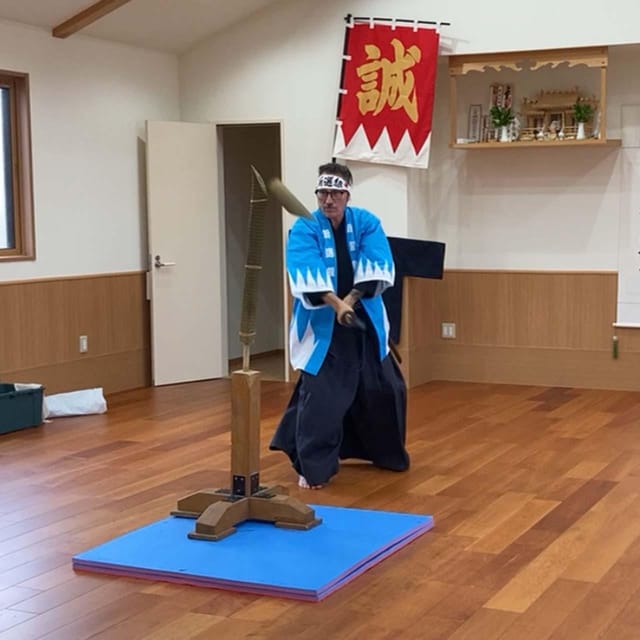
- Learn Tennen Rishin-ryu kenjutsu at the Hino Dojo, an Edo-period tradition still practiced today
- Train in a group of up to 4, so you get real attention and corrections
- Go from wooden sword basics to handling a Japanese sword
- Practice kata and cutting, with instruction built around safe posture and footwork
- Get the Shinsengumi hometown context, not just generic samurai talk
- Expect a final surprise at the end of the class
Why Hino, the Shinsengumi hometown, changes the whole vibe
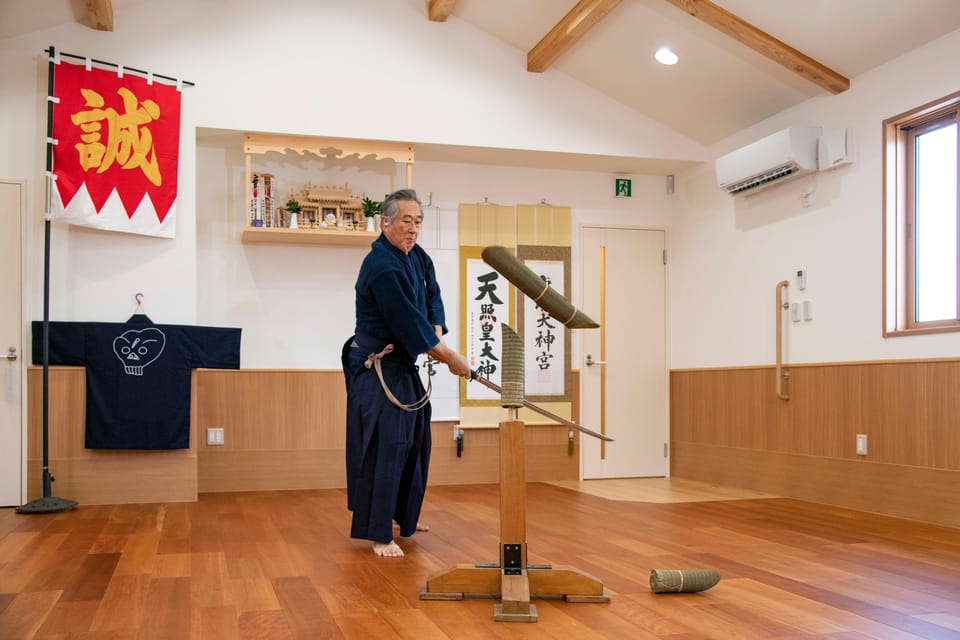
Tokyo is packed with samurai-themed shows. This is different because you’re not watching a performance in a studio room. You’re stepping into Hino City, tied to the Shinsengumi lineage and the sword tradition that grew out of that era.
I love training experiences that treat movement like a language. Here, you don’t just swing a sword because it looks cool. You build the basics—stance, balance, and foot placement—so later, when you handle a real blade, it feels like progress instead of chaos.
One more thing I like: you don’t get a “history lecture and good luck” setup. The historical story is baked into the dojo atmosphere. Even if you only know the Shinsengumi name from pop culture, you’ll leave with a clearer sense of place.
You can also read our reviews of more tours and experiences in Tokyo.



Meeting Masao Inoue at the Inoue Genzaburo Museum (easy to find)
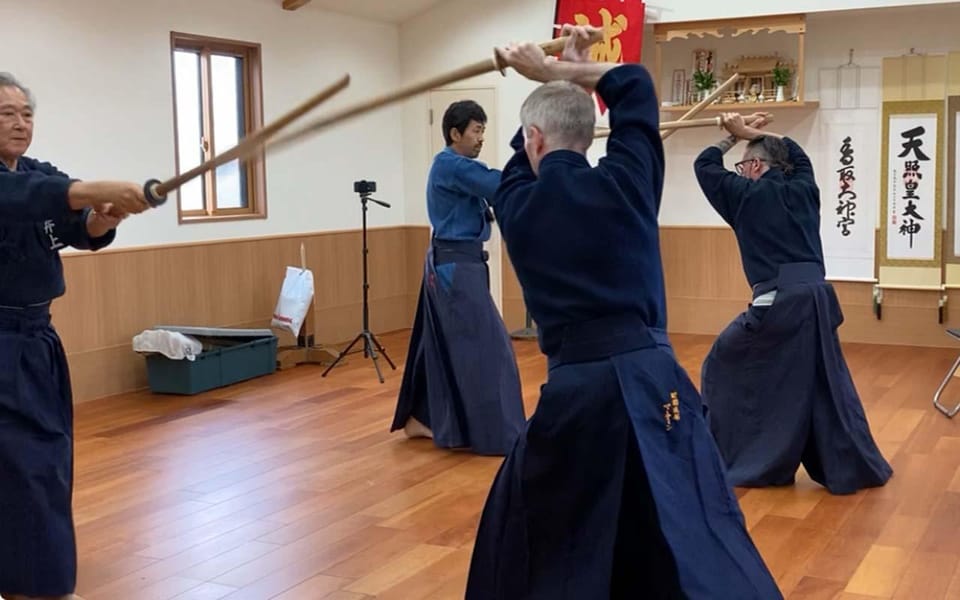
Your meeting point is on the second floor of the Inoue Genzaburo Museum, a 5-minute walk from Hino Station on the JR Chuo Line. That’s good news for your planning. You can arrive without a complicated transfer maze.
When you get there, you’re not just checking in and waiting around. The class is built around instruction, gear, and practice time in a steady sequence. Being at the museum also helps the story stick in your head: you’re starting from a place that’s actually connected to the family name tied to the dojo leadership.
In practice, this kind of meeting setup matters. It means you’re not wasting energy figuring out where to go, and you can show up focused.
What’s included: uniforms, wooden sword, and the real thing
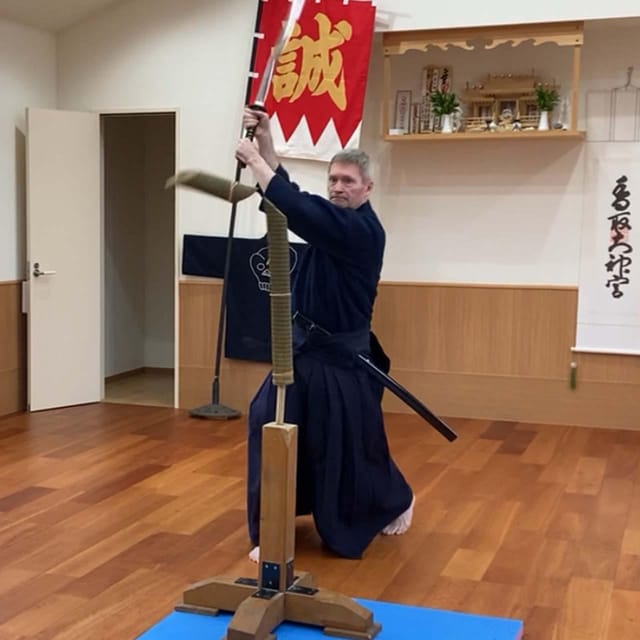
This experience includes the essentials you’ll need to train: practice uniform (dōgi and hakama) and a dandara haori associated with the Shinsengumi style. You also get a wooden sword for early learning, plus time with a Japanese sword (you can handle it during the program).
That matters for value. Sword training often fails for one reason: people bring the wrong expectations. Some classes are mostly props; some are mostly theory. This one includes the key step you want—physical handling—and it does it in stages.
You’ll also have an instructor present for guidance. Instruction is offered in English and Japanese, which helps if you want to understand the “why,” not just copy the “how.”
The lesson plan: staged training that keeps you safe and confident
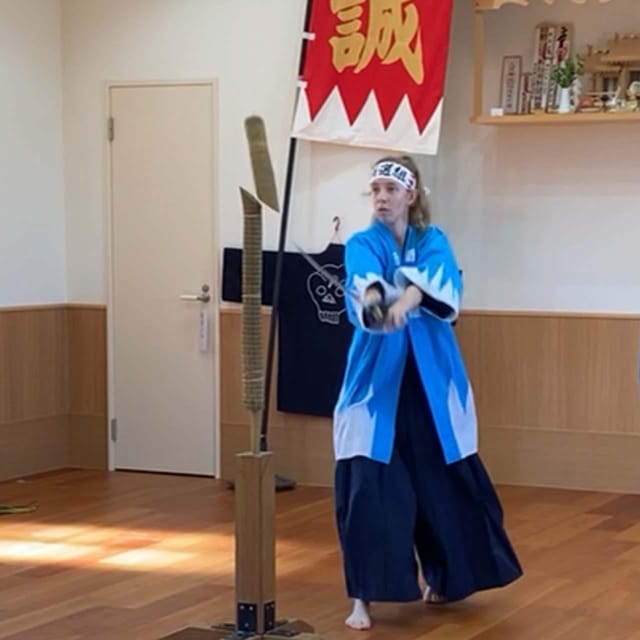
The program follows a learning ladder. You start with fundamentals, then build toward more advanced practice.
Here’s the core flow you should expect:
- Posture and footwork first: how to stand and move safely
- Wooden sword training: stances and basic sword motions
- Progress to sword handling: learning how a Japanese sword feels in your hands
- Kata and controlled practice: applying movements in a set structure
- Cutting practice: many participants practice cutting targets such as tatami mats
Some classes also include an extra cutting attempt. One participant mentioned a bamboo cut after the main cutting segment. I’d treat that as a bonus rather than a guaranteed promise, but it gives you a sense that the class isn’t stuck at “pose and bow.”
Why this staged structure is so important: it turns “swing a sword” into a skill you can understand. You’ll see how foot placement affects stability, how posture reduces strain, and how timing matters.
And yes, instructors are serious about safety. The best part is that seriousness doesn’t come off as cold. The teaching style is described as serious and friendly at the same time—so you get correction without feeling judged.
Learning Tennen Rishin-ryu kenjutsu, not a watered-down version
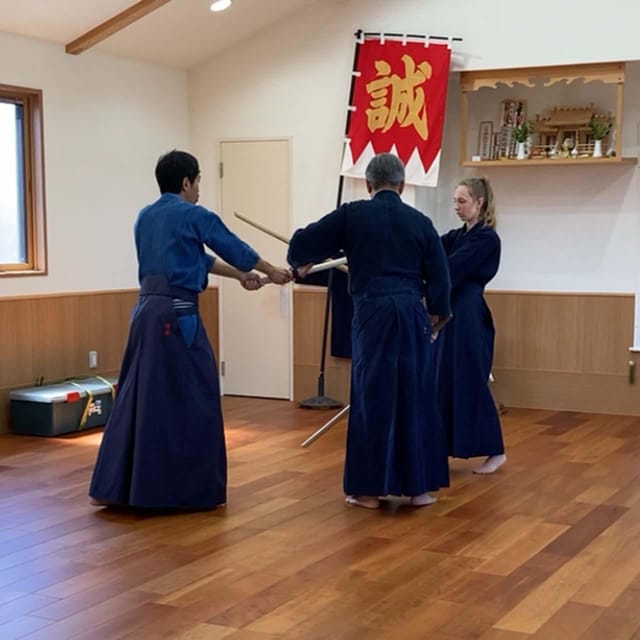
What you’re learning is Tennen Rishin-ryu, a swordsmanship style that traces back to the Edo period and continues today.
The class frames Tennen Rishin-ryu as part of the Shinsengumi legacy. The instructors explain that the swordsmen who practiced in the Hino area formed the Shinsengumi toward the end of the Edo period—often described as the strongest swordsmen group of that time.
I like this approach because it avoids the tourist trap of treating samurai history like costumes. Instead, you connect the technique to the people and place it came from.
And because the program is led by a dojo chair and descendants connected to the tradition, it doesn’t feel like a generic workshop. You’re learning from people who treat the art as something living, not something museum-style.






The dojo atmosphere: where the history actually lands
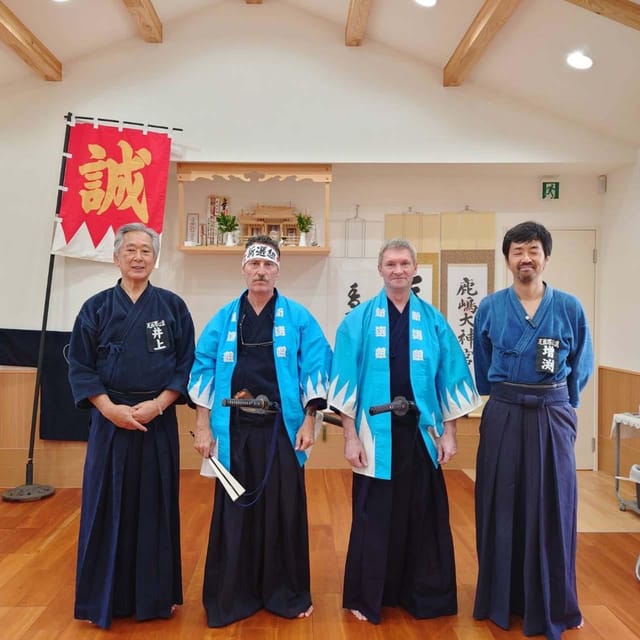
In a good dojo, discipline is visible. The room, the layout, and the training rhythm all encourage focus. Here, the atmosphere at the Tennen Rishin-ryu dojo is described as impressive, and that fits the experience type.
What you’ll feel is the cultural weight of practice. Even if you can’t read the full story behind every detail, the behavior of the instructors teaches it. You notice how movements start, how corrections are delivered, and how everyone stays attentive during drills.
This is also where Hino helps. You’re not learning sword basics in a random venue with samurai posters on the wall. You’re learning in the Shinsengumi hometown, which makes the history feel less like a fact you memorize and more like a place you understand.
Cutting practice: what you should be ready for (and how it’s taught)
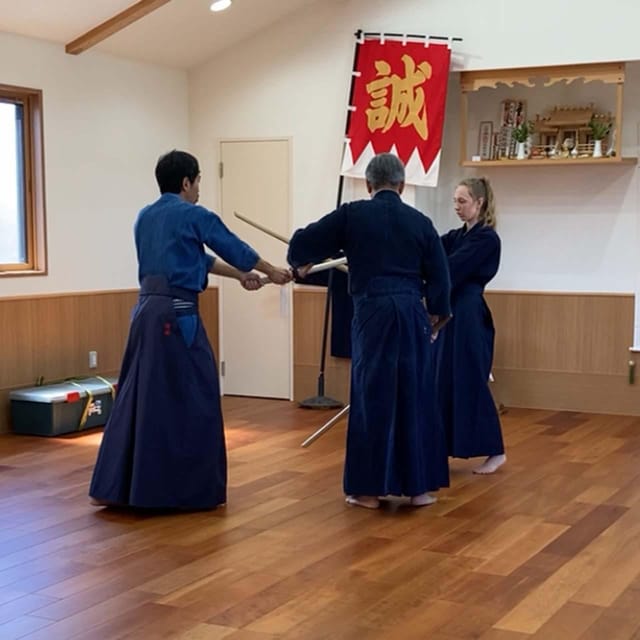
The most exciting part is also the part that can scare people. Cutting feels dangerous if you haven’t done it before.
The good news: the teaching is staged and supportive. Participants specifically mention that instructors explain not just movements, but the reasons behind them—like how proper foot placement helps prevent injury and improves control.
So when cutting comes, you’re not rushing into it blind. You understand your stance. You understand alignment. And you understand how to move with intent.
Most importantly, the cutting segment is described around real training targets such as tatami mats, and you also get real-sword handling. That’s the line where this experience becomes more than a “try a sword” moment.
Price and value: $116 for 2 hours with a master-led, small-group class
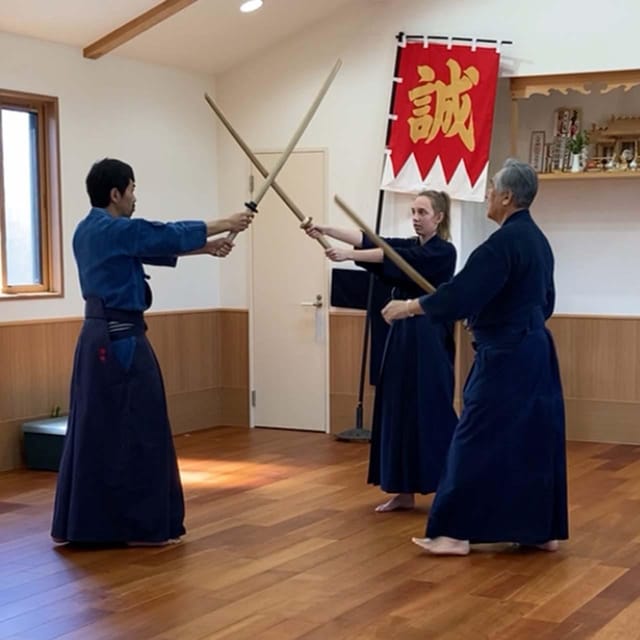
At $116 per person for about 2 hours, this isn’t a cheap add-on. But it can be good value if you care about authenticity and hands-on training.
Here’s why I think it’s worth evaluating as value, not just cost:
- Small group size (up to 4) means less waiting and more direct coaching
- Real instruction tied to a living tradition (not just a themed demo)
- Gear provided (uniforms, plus wooden sword and Japanese sword handling)
- Active learning: posture, kata practice, and cutting, not just watching
If you’re traveling on a tight schedule, you might compare it to a more general activity. But if you want one “do something” experience in your Japan trip that feels real, this is the kind that sticks with you.
The main “cost” beyond money is physical effort. You’ll want to arrive feeling rested and ready to move.
Who should book this Samurai Sword Academy class
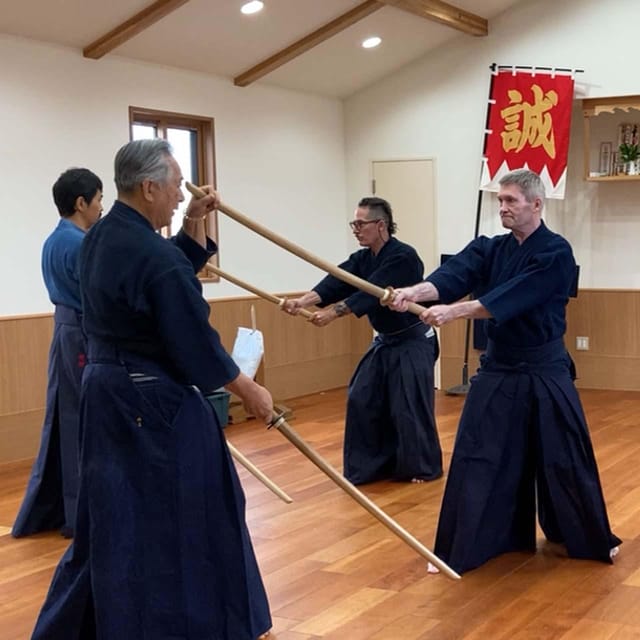
This is best for you if:
- You want hands-on sword training with real instruction and real gear
- You’re curious about Shinsengumi culture and want it tied to a real dojo
- You appreciate learning in a calm, disciplined environment
It’s also a strong choice for couples or small friend groups because up to 4 participants keeps the class personal.
It’s not suitable if you:
- are pregnant
- have back problems
- have mobility impairments
- use a wheelchair
- have heart problems
- have vertigo
- are under 18
- have a cold
- have recent surgeries
- are over 75
- have low level of fitness
- have altitude sickness concerns
Even if you’re “okay with workouts,” treat those restrictions seriously. Sword training involves controlled power and balance; the safe choice is to match your body and health to the requirements.
What you’ll take home: technique, story, and a small piece of Hino
A class like this tends to give you three things:
- Technique awareness (stance and footwork that you can feel in your body)
- A story you can place (Shinsengumi hometown context tied to the dojo)
- A closing moment that makes it memorable
One participant mentioned receiving a Shinsengumi map with key historical spots at the end. Another described a final surprise beyond the training itself. So yes, there’s likely a memorable wrap-up—not just “class done, goodbye.”
Should you book the Tokyo Samurai Sword Academy in the Last Samurai hometown?
If your goal is a real dojo experience—small group, patient coaching, sword handling, and cutting practice—then yes, this is the kind of booking I’d recommend.
Book it if you want more than photos. You want instruction with meaning, and you’re ready for an active 2-hour session. If you hate being corrected, you’ll still get guidance here, but the teaching style is described as supportive and encouraging, not harsh.
Don’t book it if you’re dealing with the listed health or mobility limitations. This isn’t built for gentle sightseeing, and the restrictions exist for a reason.
If you’re on the fence, ask yourself one question: Do you want to learn how sword training works, or do you just want a samurai moment? This experience is clearly in the first category.
FAQ
How long is the Samurai Sword Academy experience?
The experience lasts about 2 hours.
Where do I meet for the class?
You meet on the second floor of the Inoue Genzaburo Museum, which is 5 minutes on foot from Hino Station on the JR Chuo Line.
What will I learn during the class?
You’ll learn Tennen Rishin-ryu swordsmanship basics, including practice movements and instruction tied to the dojo tradition. The program includes swordsmanship practice and handling.
Will I handle a real Japanese sword?
Yes. The experience includes time where you can handle a Japanese sword, along with earlier practice using a wooden sword.
What group size is it?
It’s a small group, limited to up to 4 participants.
What languages are supported?
The instructor can teach in English and Japanese.
What’s included with the experience?
Included are instructors, swordsmanship experience, a wooden sword, a Japanese sword, and practice uniforms: dōgi and hakama, plus a dandara haori.
Is it suitable for children or people with health limits?
It’s not suitable for people including children under 18, pregnant women, wheelchair users, and anyone with certain health issues such as back problems, heart problems, vertigo, or recent surgeries, among others listed.