REVIEW · TOKYO
Shimbashi Tastes & Stories A Culinary Foodie Tour By Local Guide
Book on Viator →Operated by The Washoku Club Culture and Food Tours · Bookable on Viator
This 4-hour Tokyo tour is built around Shimbashi alley life, with tastings that include sushi, seafood, and Japanese beef wagyu. I like that you get the food, then you get the why behind it—railway landmarks, a local shrine area, and the neighborhood logic that makes this part of Tokyo feel like a real weekday city. One possible drawback: the SL Square meeting area can be a little tricky to spot, so give yourself a few extra minutes to line up with the guide.
What makes it work is the mix of small sights and real eating. You’ll walk through places tied to railway history and post-olympics city reshaping, and you’ll also spend time at Karasumori-jinja, a shrine that most visitors never bother to look up from their phones. That combo turns a food tour into a Tokyo orientation course you’ll actually remember.
This is also a good fit if you want a smaller group. The tour caps at 15 people, and you’ll be guided by a professional English-speaking guide who speaks Japanese too. Alcohol isn’t included, so if your ideal meal includes beer or highballs, plan to purchase those separately.
In This Review
- Why this Shimbashi tour is worth your time
- Shimbashi: the salaryman-side of Tokyo you can actually eat
- Getting started at SL Square without stress
- Old Shimbashi Station: railway nostalgia with real neighborhood context
- SL Square and the 1972 railway celebration story
- Karasumori-jinja: a shrine stop that feels local
- The Shimbashi building and Tanuki Alley history you’ll notice on the walk
- Shiodome City Center and NTV Plaza: city power in plain sight
- Shimbashi station overview: putting it all together
- The food part: sushi, seafood, and Japanese wagyu—spread across real eateries
- What I’d watch for as you eat
- Value check: $171 for 4 hours with multiple tastings
- Who this tour suits best
- A quick reality check before you book
- Should you book the Shimbashi Tastes & Stories tour?
- FAQ
- How long is the Shimbashi Tastes & Stories tour?
- How much does the tour cost?
- What food and drinks are included?
- Is alcohol included?
- Where does the tour start?
- Is the group size small?
- Will I get a mobile ticket?
- What language is the guide?
- Can I get a refund if I cancel?
Why this Shimbashi tour is worth your time
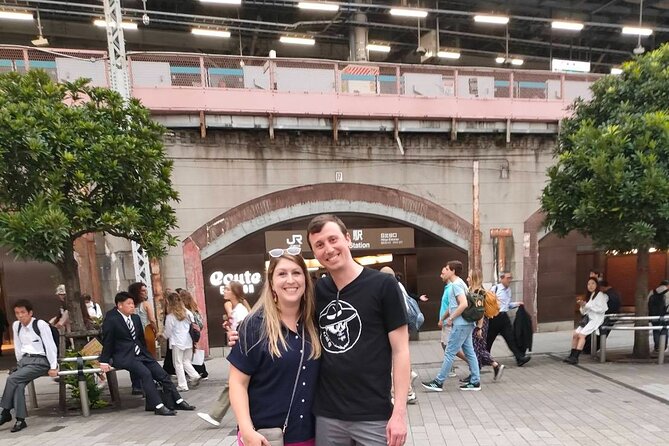
- Four hours that blend walking culture with multiple food stops, not just one quick snack
- Tastings that cover sushi, seafood, and Japanese wagyu, plus desserts and soft drinks/water
- A local guide who can explain what you’re seeing in plain English (and Japanese too)
- Stops in station-adjacent Tokyo, including railway landmarks and Shimbashi’s station-area pulse
- A group size of max 15 so questions and photo requests don’t get lost in the crowd
Shimbashi: the salaryman-side of Tokyo you can actually eat
Most first-timers aim for the big Tokyo names. This tour quietly takes you elsewhere: Shimbashi, the part of Tokyo where office workers spill out after work and meals feel less like a performance and more like routine.
The area is close to major rail lines, but it doesn’t feel like a theme park. Instead, it feels like a working neighborhood where food shows up in the gaps between commutes, shopping, and late-night plans. That’s the real value here: you’re not just watching Tokyo from a distance—you’re tasting it while it’s still doing its everyday job.
You can also read our reviews of more tours and experiences in Tokyo



Getting started at SL Square without stress
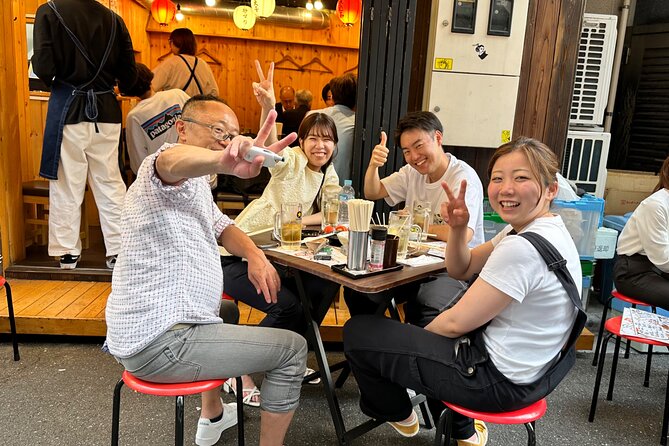
The tour starts at SL Square near Shinbashi (meeting point: SL Square, 2-chōme-7-先 Shinbashi, Minato City, Tokyo 105-0004). Because the name covers an area, not one exact doorway, I recommend arriving early and checking the guide’s location before you drift into the nearby streets.
Good news: you’re given a mobile ticket, and the route loops back to the same meeting point at the end. For a 4-hour walk, that matters. You’re not spending the day playing “where did everyone go?” with your phone at half battery.
Also, the tour is capped at 15 travelers, so the group won’t feel like a moving stampede. That makes it easier to pause for explanations and keep your bearings as you shift from station landmarks to eating streets.
Old Shimbashi Station: railway nostalgia with real neighborhood context
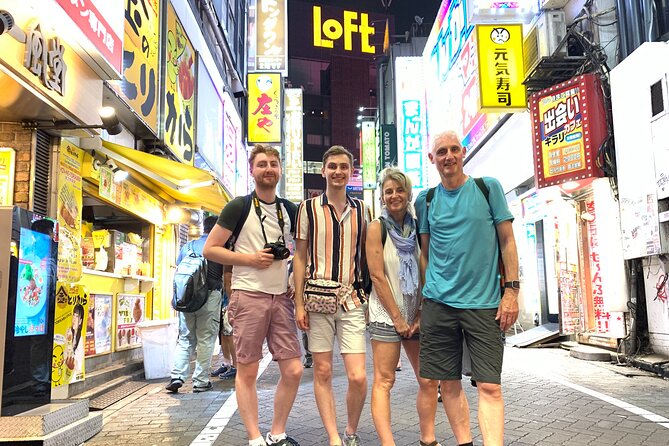
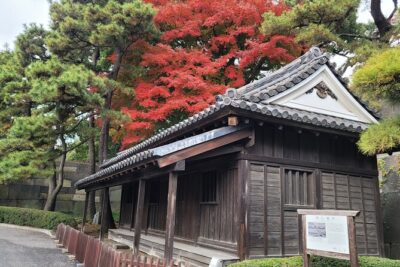
One of the first segments takes you to Old Shimbashi Station for about 30 minutes. This is a strong “start point” because Shimbashi’s identity is tied to rail travel and commuting patterns. Even if you’re not a trains person, you’ll get a clearer sense of why this area developed the way it did.
Old stations also help you understand the food side of Tokyo. When people move through a place every day—before work, during breaks, after work—food doesn’t sit far away. It forms right where time and hunger meet.
If you’re the type who likes your travel photos with a story behind them, this stop gives you that. And it’s free admission, so you’re spending your yen on the part you came for: eating.
SL Square and the 1972 railway celebration story
Next comes SL Square, around 45 minutes, created in 1972 to mark Japan’s railway transport system and its 100-year anniversary. The area was also a starting point for the rail line connecting Tokyo and Yokohama, which helps connect this corner of Shimbashi to a much larger Tokyo story.
Why should you care? Because railway towns behave a certain way. When a neighborhood has a constant flow of commuters, you get lots of small dining options that fit short windows—quick lunch, snack between meetings, and a proper post-work meal.
This stop isn’t just “look at a sign.” It’s a mental warm-up. Once you get the station-and-schedule vibe, the food choices you make later feel more understandable.
Karasumori-jinja: a shrine stop that feels local
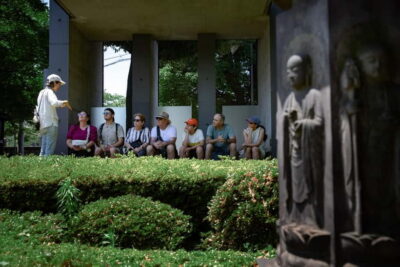
About 45 minutes is spent at Karasumori-jinja, described as one of the older shrines visited by locals. This is a smart break from the station area because it puts you in a quieter pocket of Tokyo.
Even if you don’t read every sign, shrine visits work because they’re visual and rhythmic. You’ll see how Tokyo places spirituality in the daily route, not just in postcard locations. And since it’s a local-leaning stop, it helps you experience Tokyo beyond the “everyone goes here” circuit.
You can also read our reviews of more guided tours in Tokyo

The Shimbashi building and Tanuki Alley history you’ll notice on the walk
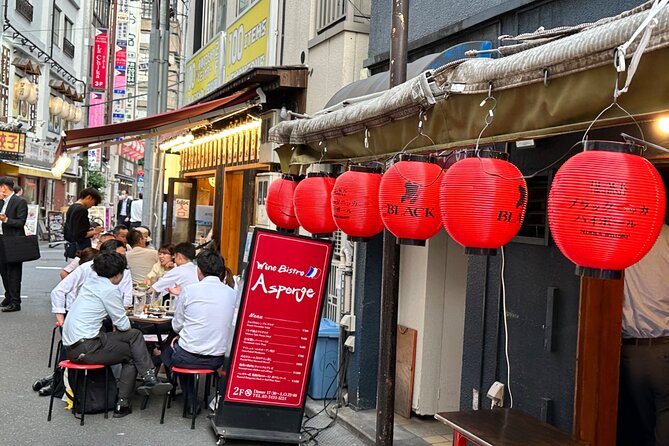
A 30-minute segment takes you to the New Shimbashi Building, tied to Shimbashi Ekimae’s former bar district called Tanuki Alley. After the 1964 Tokyo Olympics, an urban restructuring project shaped the area into the building you can see today.
This is one of those details that makes the rest of the neighborhood “click.” Shimbashi’s nightlife and food culture aren’t random. They’re shaped by zoning, rebuilding, and the way Tokyo re-plans space while trying to keep daily life moving.
So when you walk through station-adjacent Tokyo later, you’re not guessing. You have context: this area changed on purpose, but the need for places to eat and gather didn’t disappear.
Shiodome City Center and NTV Plaza: city power in plain sight
Then you’ll spend about 30 minutes around Shiodome City Center, including NTV Plaza in front of the NTV Tower. The tower houses the main studios and offices of NTV, one of Japan’s large broadcasters.
If you’re not glued to Japanese TV, you might wonder why this belongs on a food tour. Here’s my take: it’s useful contrast. Tokyo food neighborhoods exist next to business and media hubs, and Shiodome represents that “work Tokyo” side in a visible way.
And because it’s near other major hubs, it reinforces the tour’s core theme: Shimbashi isn’t only about alleys and meals. It’s about how the city’s industries shape daily foot traffic, break times, and where people go to eat.
Shimbashi station overview: putting it all together
The final walking segment is a Shimbashi overview (about 30 minutes) guided by the person leading you. This kind of wrap-up is more helpful than it sounds. You’ll leave with a mental map: where the flow comes from, which streets matter, and why certain pockets feel lively at certain hours.
This is especially important in Tokyo, where stations can be maze-like. A guided “here’s what to look for next” section helps you keep your momentum after the tour ends.
The food part: sushi, seafood, and Japanese wagyu—spread across real eateries
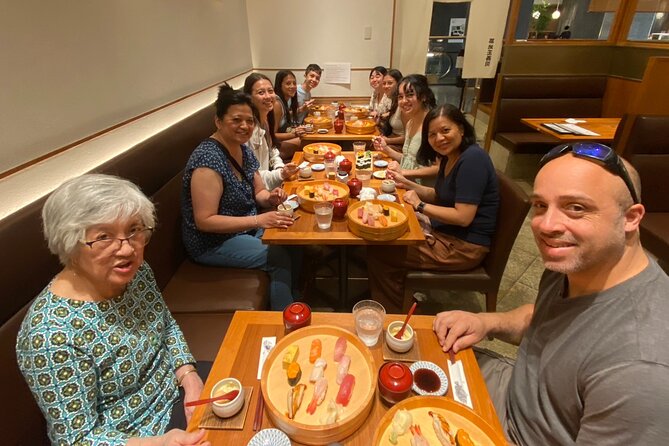
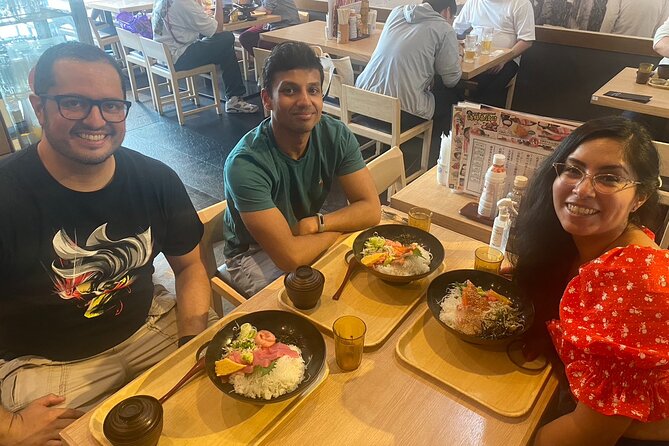
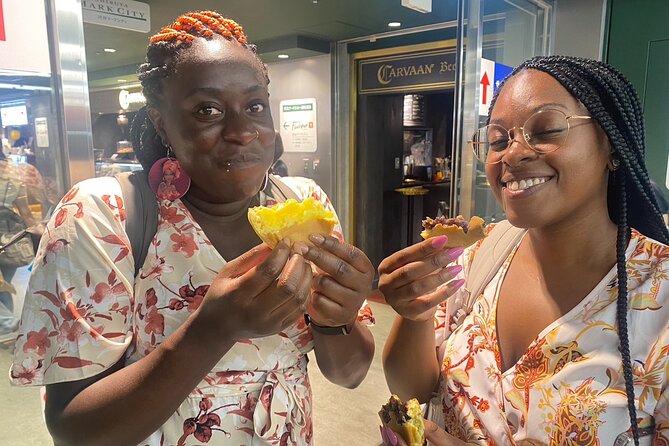
The headline for this tour is simple: you eat. The included food covers sushi, seafood, and Japanese beef wagyu, with desserts added as part of the experience. You also get two soft drinks and water, which is a nice touch for pacing—no one wants to sprint from bite to bite with nothing to wash it down.
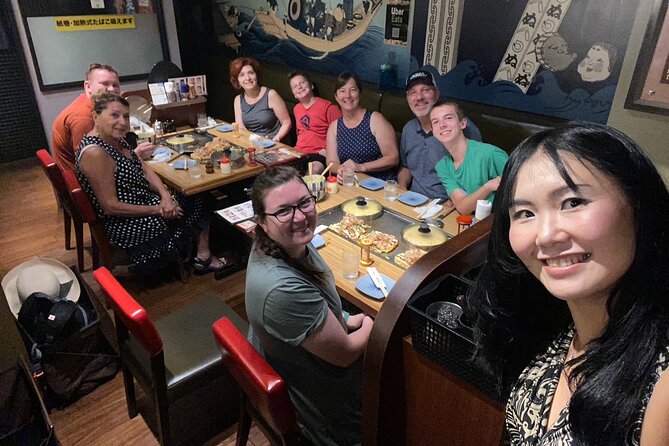
You’ll also be moving between different places, not doing one single restaurant meal. That matches the idea of Shimbashi as a neighborhood of many small choices. It’s a better way to learn local habits than a single set menu, because you notice how flavors and portion styles vary by shop.
From what’s reflected in guide-focused feedback, the strongest part of the food experience is how well it’s explained. Guides like Akira and Kaori are highlighted for taking the extra step—answering questions, making the meal stops feel comfortable, and even offering practical help like taking photos while you’re out walking.
What I’d watch for as you eat
You won’t be ordering alcohol as part of the package, since alcoholic drinks aren’t included (they can be purchased). That means the tour is set up for comfort and clarity: you can stay present, enjoy the walking, and not end up needing a recovery nap immediately after dessert.
If you have strong dietary needs, the description doesn’t spell out specific substitutions. So if you need vegetarian, vegan, or allergy handling, it’s smart to confirm directly when you book.
Value check: $171 for 4 hours with multiple tastings
At $171 per person, this isn’t a bargain-basement food walk. But it’s also not priced like a luxury tasting menu experience. You’re paying for three things you usually can’t DIY easily:
- A local guide who can explain what you’re seeing and what you’re eating
- Multiple food categories in multiple eateries (sushi, seafood, wagyu, plus desserts)
- Time + pacing in a station-heavy neighborhood, where finding the right places takes effort
A four-hour tour with this mix of included food and drinks often feels fair because it covers the hard part: figuring out where to go and what to order without ending up in tourist-priced mediocrity.
Also, with a maximum of 15 travelers, you’re paying for a smaller-group experience rather than being swallowed by a giant bus-tour crowd.
Who this tour suits best
This tour is a great match if you:
- Want to see Tokyo beyond Shibuya, Shinjuku, and the obvious Ginza loop
- Like your food tours to include culture and context, not just a list of bites
- Enjoy walking neighborhoods that feel used by locals and office workers
- Prefer a small group so the guide can give you real attention
If you’re the kind of traveler who wants nonstop sightseeing with famous landmarks every 10 minutes, you may find Shimbashi’s pace more subtle. But if you like Japan as it feels on an average day, this kind of Tokyo works beautifully.
A quick reality check before you book
The biggest practical thing to remember is that this is a walking experience. Even though every stop isn’t long, the day is still about moving, eating, and listening. Wear comfortable shoes and bring a bit of patience.
Second, come hungry in a controlled way. Because you’re getting sushi/seafood/wagyu plus desserts, you don’t want to show up full from a big late breakfast. Aim for a light meal earlier, then let the tour do the heavy lifting.
Should you book the Shimbashi Tastes & Stories tour?
I’d book it if you want a Tokyo food experience with a neighborhood brain. Shimbashi is close to the action, but it has its own rhythm, and the tour’s structure helps you understand that rhythm while you eat.
Skip it only if you’re strictly chasing the biggest name sights, or if your dietary needs are complex enough that you’d need guaranteed substitutions. Otherwise, for the price, you’re getting real variety, real local context, and a guide-driven day that doesn’t feel like a scripted stop-and-go routine.
FAQ
How long is the Shimbashi Tastes & Stories tour?
It runs for about 4 hours.
How much does the tour cost?
The price is $171.00 per person.
What food and drinks are included?
The tour includes sushi, seafood, Japanese beef wagyu, desserts, and 2 soft drinks plus water.
Is alcohol included?
No, alcoholic drinks are not included, though they are available to purchase.
Where does the tour start?
The meeting point is SL Square, 2-chōme-7-先 Shinbashi, Minato City, Tokyo 105-0004, Japan.
Is the group size small?
Yes. The tour has a maximum of 15 travelers.
Will I get a mobile ticket?
Yes, the tour uses a mobile ticket.
What language is the guide?
The guide is a professional English-speaking guide who also speaks Japanese.
Can I get a refund if I cancel?
Yes. You can cancel for free up to 24 hours in advance for a full refund, and cancellations within 24 hours are not refunded.