REVIEW · TOKYO
Private Tour with a Local Guide – Learn about daily life in Japan
Book on Viator →Operated by Shiny Tours Tokyo · Bookable on Viator
Tokyo can feel like a loud swirl. This private walk threads together Meiji Jingu, Harajuku style, and Shibuya landmarks with local guidance and photo help. You’ll get a planned route, but also the chance to move at a pace that fits your group.
I like two things right away: the tour uses a private format, so you’re not stuck doing awkward stop-start selfies, and your guide helps with both solo and group photos at key spots. I also appreciate the “daily life” angle, especially the way the walk connects traditional culture at Meiji Jingu with the pop and subculture scene around Takeshita Street and Shibuya.
One thing to consider: you’ll be walking for about 2 to 3 hours, and you’ll spend time in areas that are naturally crowded and very photo-friendly (so if you hate standing around for photos, plan accordingly).
In This Review
- Key things to know before you go
- A private Harajuku to Shibuya walk that actually helps you see Tokyo
- Meiji Jingu Shrine: starting Tokyo with sacred calm
- Takeshita Street and Harajuku street style: pop culture on foot
- Cat Street: independent shops and vintage vibes with a calmer rhythm
- Shibuya Crossing: the world-famous intersection, guided so it’s not just chaos
- Photo help that feels worth it, not gimmicky
- Price and value: what $88.68 buys in Tokyo time
- Timing and how to get the best experience from a 2–3 hour walk
- Who should book this tour, and who might skip it
- Should you book this private Harajuku and Shibuya guide walk?
- FAQ
- What’s the meeting point for this tour?
- Where does the tour end?
- How long is the tour?
- Is this a private tour?
- What’s included in the price?
- Are food and drinks included?
- Can I cancel and get a full refund?
Key things to know before you go
- Private, English-speaking guide focused on how Tokyo actually works day to day
- Photo help for both solo and group pictures at landmarks (less guesswork, better results)
- Harajuku + Shibuya route that’s often missed when you jump between train stops solo
- Smart street mix: Takeshita Street for energy, Cat Street for independent shops and vintage finds
- Shibuya Crossing finale that ends at Shibuya Station, making it easy to keep exploring
A private Harajuku to Shibuya walk that actually helps you see Tokyo
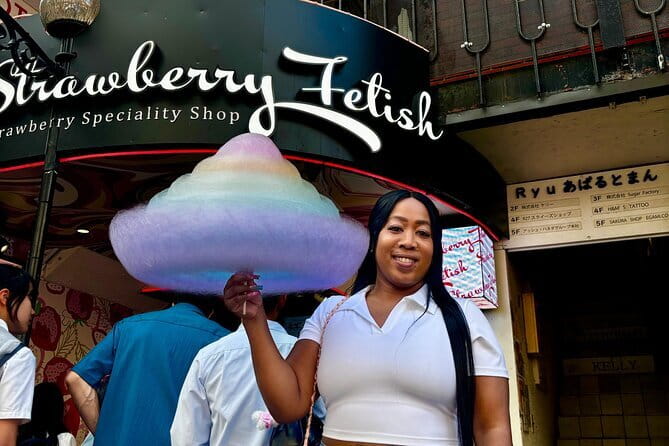
Tokyo is famous for being efficient. It’s also famous for making you feel a little lost on foot, especially if you don’t read the signage fast or you’re trying to catch photos while dodging people.
This tour tackles that problem with a simple idea: walk two of Tokyo’s best-known districts with a local guide who can explain what you’re seeing while also helping you make images you’ll want to keep. You’re not just doing a checklist of stops. You’re getting context for the places between the checklist items too: the vibe, the street rhythms, and why people gather where they gather.
You also get to pick your start time. That matters in Tokyo, where the best photos can depend on light and crowds, and where your morning might be better spent at a shrine than in a line.
The private setup is the biggest value lever here. At $88.68 per person, it’s not a “cheap and cheerful” add-on. But if you compare it to the time cost and stress cost of figuring out the best photo angles, the most meaningful route order, and what’s worth your attention, the price starts to feel more reasonable—especially for couples, small families, or anyone traveling with teens who want street culture rather than lectures.
You can also read our reviews of more guided tours in Tokyo
Meiji Jingu Shrine: starting Tokyo with sacred calm
The tour starts at Café Mori no Terrace near Shibuya (so you’re not trekking across town first). From there, the route heads toward Meiji Jingu Shrine, one of the most significant Shinto shrines in Tokyo, located in the Harajuku area.
This is a great first stop because it changes your frame of mind. You begin with something rooted in Japanese tradition before you switch gears into shopping streets and fashion talk. Instead of running from one busy attraction to the next, you get a breather that helps the rest of the walk make more sense.
Meiji Jingu Shrine isn’t just a scenic background. The guide focuses on culture and history as you walk to the main building. That means you’re not standing there wondering what you’re supposed to notice. You’ll likely learn the basics of what you’re seeing and why the shrine matters, which makes your photos more than just postcard souvenirs.
A practical note: shrines can make you slow down naturally, and that’s a good thing. If your day in Tokyo usually feels rushed, this start can help set a calmer pace for the rest of the walk.
Takeshita Street and Harajuku street style: pop culture on foot
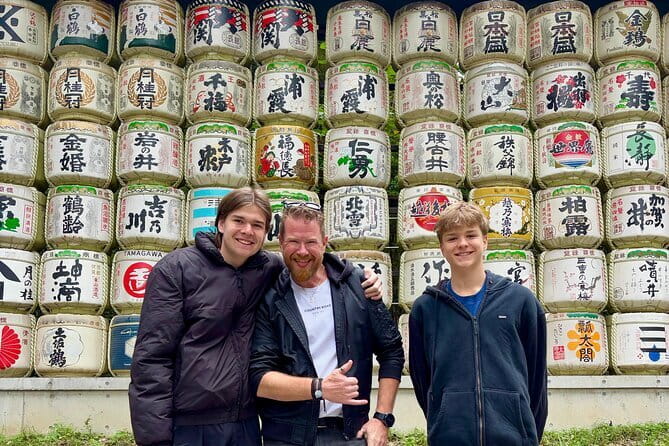
After the shrine, you head into Harajuku via Takeshita Street. This is the “people watching and shopping” stretch—known for being colorful, energetic, and very much about youth fashion and trends.
What I like about this part is that it’s not treated like a random shopping detour. The tour uses Takeshita Street and nearby streets to explain the pop and subculture scene through a local lens. That’s the difference between browsing stores and understanding why the street looks the way it does.
You’ll also get help with photos at the landmarks along the way, which is a big deal here. Harajuku is one of those places where you can easily miss the best angles because you’re focused on your screen or you’re stuck waiting for the right moment. A guide can help you move to positions that work and keep the group from turning into a slow traffic jam.
Drawback to plan for: if you’re easily overwhelmed by lots of sensory input—signage, crowds, and constant window displays—Takeshita Street may feel like sensory overload. I’d treat it like a short, high-energy stop rather than the only Harajuku experience you’re having that day.
Cat Street: independent shops and vintage vibes with a calmer rhythm

From Harajuku, the route continues to Cat Street, a pedestrian street between Shibuya and Harajuku. It’s known for independent boutiques, vintage shops, and trendy cafes.
This is where the tour offers a nice “choose your own speed” feeling. Cat Street is less about the big, obvious spectacle and more about browsing at eye level—things you might not notice if you were sprinting from one headline attraction to the next.
The tour plans around a short visit (about 20 minutes) here, and there’s no admission ticket listed for the stop. In plain terms: it’s a good spot for quick exploration without turning your 2 to 3 hours into a shopping marathon.
If you like fashion as more than just trends—if you enjoy the details, the mix of old and new, and the way neighborhoods shape style—this stop is likely to land well.
The photo angle is different here too. Cat Street gives you street-scene photos that feel more like everyday Tokyo than like an attraction queue.
Shibuya Crossing: the world-famous intersection, guided so it’s not just chaos
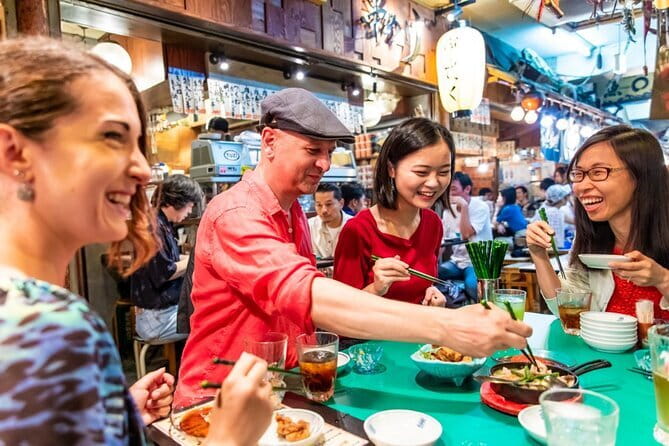
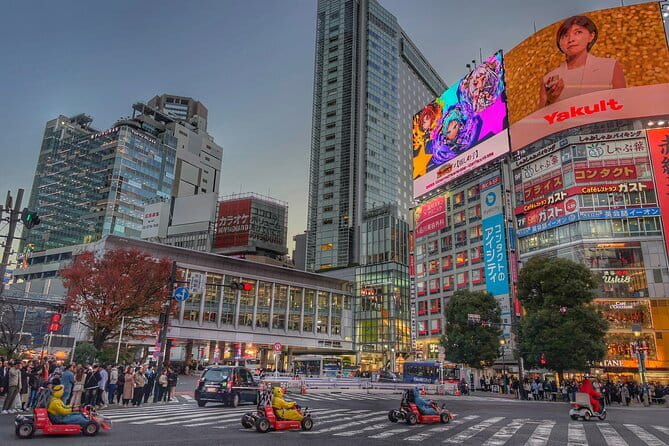
The tour finishes with Shibuya Crossing, the iconic intersection that has become shorthand for modern Tokyo. It’s one thing to see it from afar. It’s another to understand the flow of people crossing and how to navigate it for photos without losing your place.
A local guide can help you time your steps and choose a spot so you’re not just standing there hoping for the best. You get the experience of the crossing as a landmark, but also the practical know-how to move with the group.
This part is often where people either love the spectacle or feel stressed by crowds and motion. The tour’s private format helps. You can move together, you can regroup quickly, and you’re not stuck watching ten strangers wander in unpredictable directions.
You also end at Shibuya Station (right at the end of the tour). That’s practical. It means you can keep going in whichever direction you want after the crossing—shopping, dinner, a museum, or just a longer walk with no need to backtrack.
You can also read our reviews of more private tours in Tokyo


Photo help that feels worth it, not gimmicky
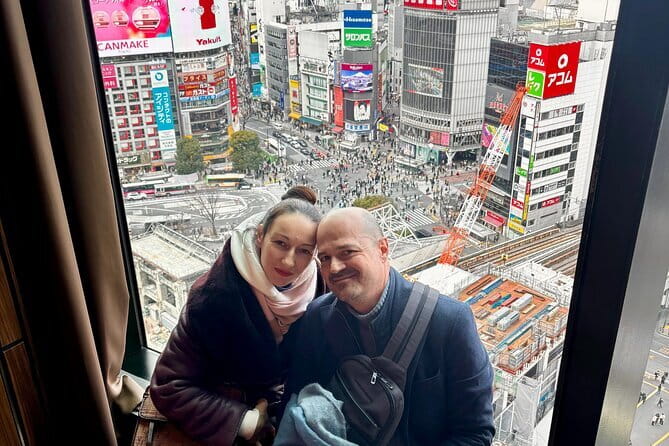
A standout feature here is the photo support: the tour includes both solo pictures and group pictures with famous landmarks.
For many visitors, the hardest part of Tokyo photography isn’t the camera. It’s the coordination. You’re trying to hold your phone, avoid blocking people, and figure out the right place to stand before the crowd shifts. On a self-guided walk, you’ll take a few okay shots and then give up.
With this guide format, you’re trading that stress for a plan. You’ll get guidance on where to stand and how to frame the shot. That alone can make the tour feel “worth it” even if you’re not the most photo-happy person.
The guide’s approach matters too. One guide name comes up clearly in the feedback you’re sharing here: Jero. People call him kind, helpful, and excellent at showing corners you might miss on your own. That kind of guide makes photo stops smoother because they know where the group stands, how to manage timing, and how to get you in position without rushing.
Price and value: what $88.68 buys in Tokyo time
At $88.68 per person, this tour sits in the middle of private walking tours. It’s not the cheapest way to see Harajuku and Shibuya—but it’s also not priced like a luxury car service.
Here’s the value math that makes sense:
- You’re paying for an English-speaking guide plus photo help at landmarks.
- You’re saving time and mental effort versus mapping a route and figuring out what each street is “for.”
- You’re also getting a structure that includes tradition (Meiji Jingu) and modern youth culture (Takeshita, Cat Street, Shibuya) in one flow.
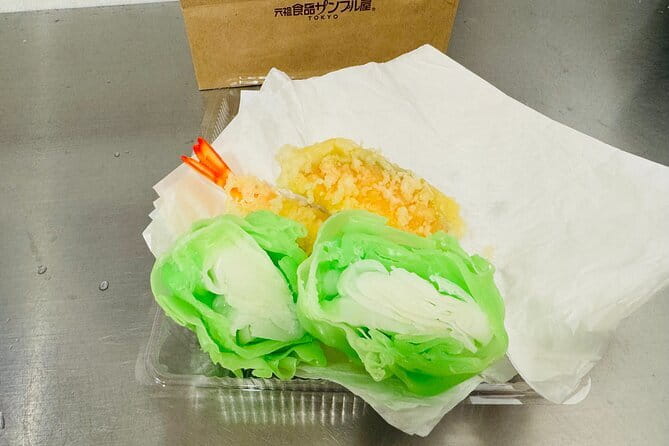
What’s not included is food and drinks. The tour suggests where to stop for Japanese street food, but you pay for it yourself. That’s a reasonable setup. Street food is half the fun, and you’re free to choose what actually looks good to you in the moment.
If you’re the kind of traveler who hates wasting hours trying to solve logistics and photo positioning, private tours like this often feel like a smart use of time. If you’re comfortable navigating on your own and you’re traveling with multiple people who can take turns taking photos, your personal value might be lower.
Timing and how to get the best experience from a 2–3 hour walk
The duration is listed as about 2 to 3 hours, which is a sweet spot for Tokyo neighborhoods. Long enough to feel like you did something, short enough that you can still eat, shop, and hop trains afterward.
Start time flexibility is a real advantage. You can match the tour to your energy levels. If you want a shrine calm moment early, start earlier. If you’re saving your fashion and street culture energy for later in the day, start later. The tour is short enough that you can adjust without ruining your whole schedule.
Also, the meeting point near Shibuya means this tour can fit smoothly into a Tokyo day. You don’t have to plan a separate half-day just to reach a distant neighborhood.
One more practical point: the tour is marked as near public transportation. That matters because in Tokyo, walking is great, but smooth connections can save time if your itinerary includes multiple areas in one day.
Who should book this tour, and who might skip it
This tour is a strong fit if you want:
- A guided walk that makes Harajuku and Shibuya intelligible, not just photographed
- Help with photos so your group gets clear images without the awkward scramble
- A balance of tradition and pop culture in a short window
- A local-style explanation of daily life and the pop/subculture scene
It’s also a smart choice if you’re traveling with someone who gets restless when the day feels too slow, or someone who loves street culture but still wants a meaningful starting point.
You might prefer a different plan if:
- You hate walking and you’re looking for a low-movement experience
- You only want the most famous highlights with no cultural context
- You’d rather spend your time shopping at your own pace and you don’t need photo guidance
In other words: if you want the “how to see it and what it means” package, this works. If you want only the highlights and you’re fully confident navigating on your own, you may not feel the same level of value.
Should you book this private Harajuku and Shibuya guide walk?
If you’re trying to cover Meiji Jingu Shrine, Takeshita Street, Cat Street, and Shibuya Crossing all in one day, a private guided route is a practical way to reduce stress and improve your photos. The biggest reasons to book are the private format and the photo help, plus the way the walk pairs tradition with modern Tokyo street culture.
I’d book it especially if you care about understanding Tokyo beyond the postcard version. And if you want a guide with a warm, helpful reputation—like Jero, who people describe as exceptionally kind and good at finding interesting corners—this is the kind of tour where that guidance shows up quickly.
FAQ
What’s the meeting point for this tour?
The tour starts at Café Mori no Terrace, 1-1 Yoyogikamizonochō, Shibuya, Tokyo 151-0052, Japan.
Where does the tour end?
The tour ends at Shibuya Station, 2 Chome-24, Shibuya, Tokyo 150-0002, Japan.
How long is the tour?
It runs for about 2 to 3 hours.
Is this a private tour?
Yes. It’s private, and only your group will participate.
What’s included in the price?
Included features are an English walking guide, solo pictures of you with famous landmarks, group pictures with famous landmarks, and unique insights about Japan’s iconic capital. A mobile ticket is used, and there are group discounts.
Are food and drinks included?
No. Food and drinks are not included, though your guide can suggest where to stop for street food (own expense).
Can I cancel and get a full refund?
Yes. You can cancel up to 24 hours in advance for a full refund.