REVIEW · TOKYO
Private tour Tokyo – The Harmony of Modernity and Tradition
Book on Viator →Operated by My Japan Guide · Bookable on Viator
Tokyo makes sense with a human map. This private day stitches together modern Tokyo and traditional icons, with hotel pickup so you start moving fast instead of figuring out meeting points.
I like that your guide helps you handle Tokyo’s streets and subways in real time. You’ll also get a custom itinerary that can flex to what your group wants and how the weather’s behaving, which turns a set-route day into your day.
One thing to consider: it’s still a long walking stretch over an ~8-hour schedule, and while big site admissions are shown as free, food and transport aren’t fully covered—so budget for subway rides and snacks.
In This Review
- Key things to know before you go
- What you’re really paying for: a guided Tokyo day with hotel pickup
- The 8-hour pacing: why 30 minutes per stop can work
- Imperial Palace: free entry and the Emperor’s home in plain view
- Meiji Jingu Shrine: deified spirits, free entry, and a calmer rhythm
- Tsukiji Fish Market: get the story behind the seafood rush
- Senso-ji Temple and Ueno Park: two classics, one day of contrast
- Shibuya Crossing: 30 minutes of modern Tokyo energy
- Getting around Tokyo with a guide: subway skill you can reuse
- The guide team: flexibility, patience, and real people
- Who this tour fits (and who might want a different plan)
- Should you book this private Harmony of Modernity and Tradition tour?
- FAQ
- What time does the tour start?
- How long is the tour?
- Is this tour private or shared?
- What’s included in the price?
- Are tickets included for the main attractions?
- Is transportation between attractions included?
- Is food and drinks included?
- Does the tour run in bad weather?
- Can children join the tour?
- Can I cancel for a full refund?
Key things to know before you go
- Hotel pickup saves time and stress on a first-day Tokyo plan
- A private local guide helps you move fast on foot and by subway
- Customizable stops let your group prioritize what matters most
- Free admissions are listed for the main landmarks on the route
- Real navigation practice: you learn routes instead of just getting dropped off
- All-weather operation means you should pack for rain and sun
What you’re really paying for: a guided Tokyo day with hotel pickup
At $196.48 per person for about 8 hours, the value here comes from the combination: hotel pickup plus a local guide who actively manages the logistics. In Tokyo, that matters more than people expect. If you’ve ever tried to translate a map while crowds surge around you, you already know why.
The tour is private, so it’s not about sharing your time with strangers or guessing what pace they want. Your guide can also work with group needs—especially helpful when one person wants slower shrine time and another wants the quickest shot at the city’s most famous corners. You’ll also see mobile ticket support mentioned, which usually means fewer last-minute hassles once you’re out the door.
Transportation and food are the two cost items you should plan for. The tour lists transportation as an average of JPY 1,500 per person per day. Food and drinks are not included unless specified, so treat the day as sightseeing first, refuel on your own (or ask your guide what to do nearby if they’re able to suggest options).
One more practical note: this style of private day tends to get booked ahead. The average booking lead time is listed at 68 days, so if your dates are set, it’s worth locking it in.
You can also read our reviews of more private tours in Tokyo



The 8-hour pacing: why 30 minutes per stop can work
This tour is built around multiple major landmarks with short, focused visits—each listed stop is about 30 minutes. That’s not “slow travel,” but it’s not a hurried scam either. It’s a smart format for first-time orientation: you get the highlights, you learn what you’re seeing, and you move on before fatigue turns the day into a chore.
The guide’s job is timing and context. A 30-minute stop is enough to:
- understand what the place represents
- take photos without feeling lost
- know what to notice (and what’s less important for your first visit)
Where this really becomes your advantage is customization. The tour description makes it clear you can tailor your itinerary to your must-see locations. In real life, that means you’re not stuck with a one-size route. If your group has a clear preference—say, more shrine time over market time—your guide can often adjust the balance while still keeping the day on track.
The big “consideration” is stamina. Tokyo’s sidewalks can be straightforward, but you’re still covering ground across different neighborhoods and transit segments. Wear shoes you’d wear for a full day, not “pretty for photos” shoes.
Imperial Palace: free entry and the Emperor’s home in plain view
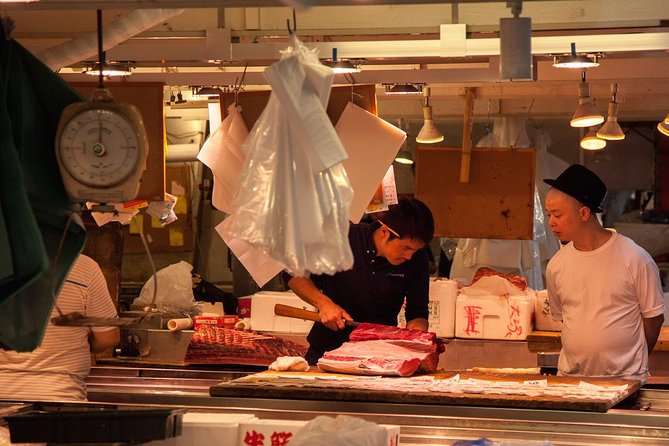
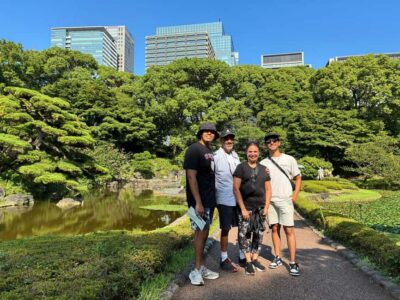
You start at the Tokyo Imperial Palace, described as the Emperor of Japan’s primary residence. Even if you’ve read about Japan’s imperial traditions, seeing the scale and setting helps it click in a way that museum text can’t.
The tour lists admission ticket free for this stop, so you get a major cultural anchor without another ticket line or fee. In a guided format, the payoff is interpretation: you’re not just staring at gates. Your guide can point out what this place signals about Japanese history and governance, and help you understand why it’s such a big deal even in a city of neon.
Potential drawback: this stop can feel more “symbolic” than “hands-on.” You’re there to observe and learn, not to roam a theme-park version of it. If your group expects constant action, manage expectations going in.
Meiji Jingu Shrine: deified spirits, free entry, and a calmer rhythm
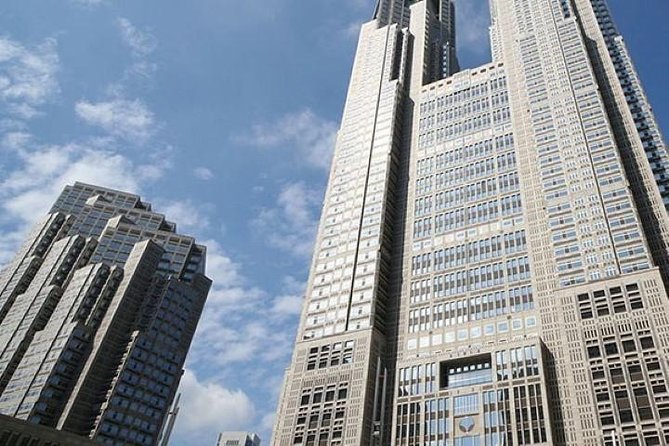
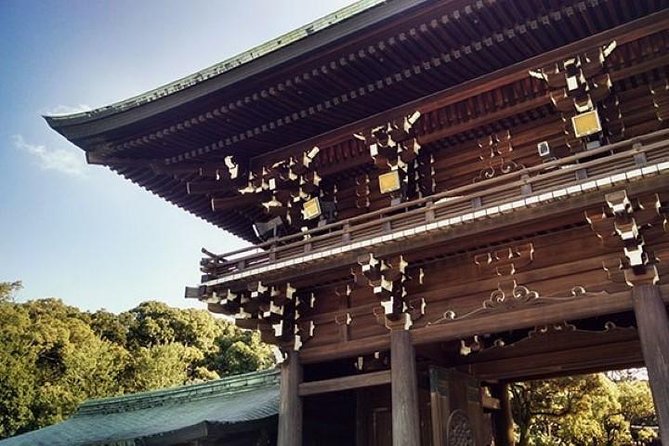
Next comes Meiji Jingu Shrine, a Shinto site dedicated to the deified spirits of Emperor Meiji and his wife. This stop is one of the best examples of how Tokyo can shift tone quickly. One moment you’re in the city’s momentum; the next, you’re in a shrine setting with a different pace.
Again, the listing shows admission ticket free, which is great for value. More importantly, a guided visit helps you navigate the meaning of what you see. Shinto shrines can look similar if you don’t know what you’re observing. With a local guide, you’re more likely to catch the details that connect the site to its spiritual purpose.
My practical tip: bring a layer. Even in cities that run warm, shrine areas can feel cooler or breezier, and you’ll be glad you’re comfortable for the walk segments between stops.
Tsukiji Fish Market: get the story behind the seafood rush
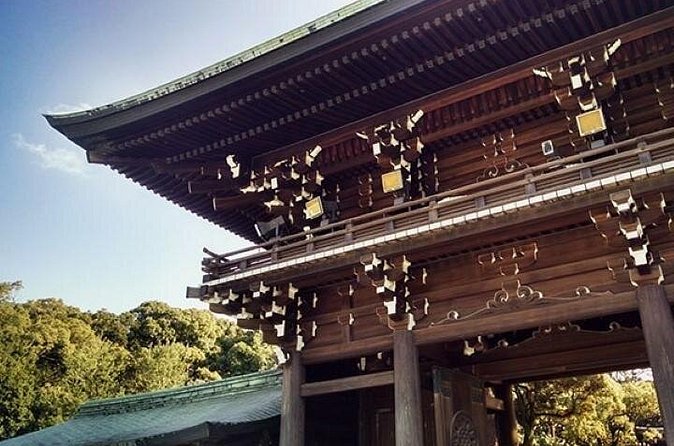
Tsukiji Fish Market is described as the former home of the world’s largest fish market. For many people, Tsukiji is a word they’ve heard in travel guides and food documentaries. Here, the value is the “why” behind the hype: what made it world-famous and what kind of trading culture surrounded it.
The tour lists the Tsukiji stop as free admission as well, so it’s another cost-friendly landmark. You’ll likely spend this part of the day getting oriented—seeing the area’s food identity and learning how fish-market life shaped Tokyo’s culinary world.
Possible drawback: market areas can be crowded and sometimes sensory-heavy (sound, smells, motion). If your group has anyone who gets overwhelmed easily, this is where your guide’s management matters. You can keep it to a short stop and move on while your energy still feels good.






Senso-ji Temple and Ueno Park: two classics, one day of contrast
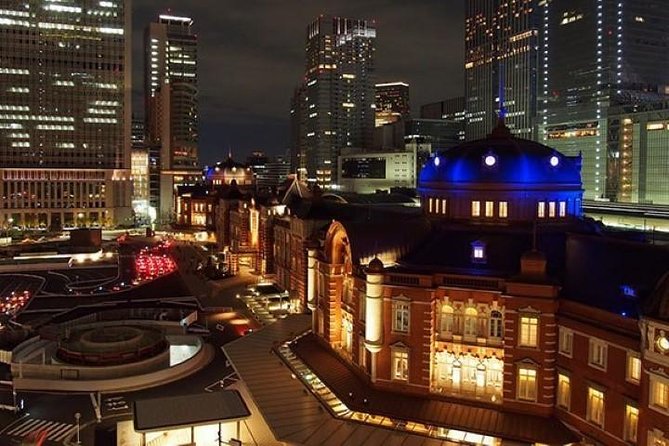
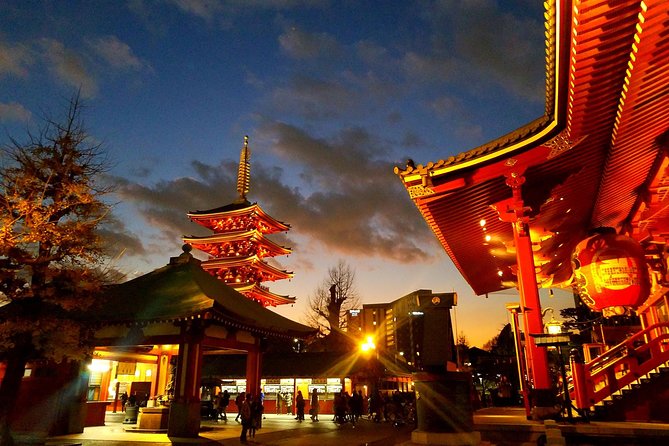
Senso-ji Temple is described as Tokyo’s oldest temple and one of its most significant. That alone is a big reason to visit, but the guided element is what turns it from “pretty photos” into understanding. With a guide, you’ll get context for what the temple represents and what to pay attention to as you walk through the area.
Then you head to Ueno Park, a large park that’s a favorite destination for Tokyo residents. The listing also mentions major attractions within it, including the Tokyo National Museum and Toshogu. This is a smart pairing: temples give you spiritual grounding; a park gives you space to breathe and reset.
Why I like this combo: it gives your day a rhythm. You get tradition (Senso-ji), then you shift to a more local, everyday-use area (Ueno). Ueno’s role as a resident-friendly park is the key. It’s not only a tourist “checklist stop.” It’s the kind of place locals use when they want a break.
What to watch for: the Tokyo National Museum is mentioned, but the tour stop time is listed as about 30 minutes. That means you probably won’t fit an entire museum visit here unless your guide adjusts the day. If museums are your priority, consider asking early how they might re-balance time.
Shibuya Crossing: 30 minutes of modern Tokyo energy
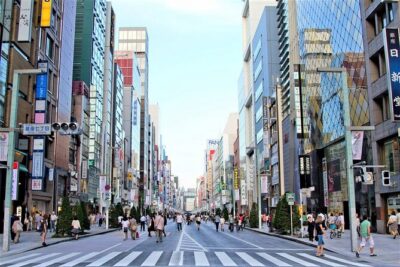
Shibuya Crossing is listed as the most identifiable landmark in Tokyo. You don’t need a lecture to know it’s famous. But you do benefit from guidance—especially when you’re trying to understand flow: how people move through the crosswalks, where to stand for a good view, and how to avoid ending up stuck in the least convenient crowd pocket.
The stop is free and listed at 30 minutes. That’s enough time to:
- see the choreography of the intersection
- take a few photos from a better vantage point
- learn a bit about why Shibuya symbolizes modern Tokyo
Possible drawback: Shibuya can feel intense. If your group prefers quieter cultural sites, keep an eye on energy levels and treat this as your “big modern finale,” not a place to hang out for hours.
Getting around Tokyo with a guide: subway skill you can reuse
One of the most consistently valued parts of this type of tour is learning routes, not just riding them. The tour description explicitly mentions navigating through streets and subways like a local, and the best guides make that practical.
In past experiences with this team, guides have been praised for teaching people how to use public transportation effectively—so you’re not just outsourcing your day. You’re learning enough to do it on your own later. That’s huge for value, because Tokyo is walkable but the subway system can be intimidating on day one.
You’ll also see mention of punctuality and meeting at the hotel lobby in customer stories. That’s exactly what you want: you show up for your day once, and someone handles the rest.
My tip for you: after the tour, try one simple thing yourself—like taking the subway line your guide used for the last segment. It’s a confidence booster, and it turns the day into real skill.
The guide team: flexibility, patience, and real people
The company behind this experience is My Japan Guide, and the guide names that come up in customer stories include Yoko and Xavier (and other guides such as Mikato, Faustine, Shotaro, Yuko, Raphaela, and Makato). That matters because different guides can match different styles.
If you’re traveling with family, or you have mixed interests, this kind of team flexibility is a big plus. Customer feedback points to tailoring for different ages and needs. One story highlighted patience when someone had difficulty walking comfortably. That’s not a guarantee for every day, but it does suggest the guides are used to adjusting pace and expectations.
Also, responsiveness before the trip is mentioned in customer experiences—so if you have questions about timing, meeting comfort, or priorities, you’ll want to ask. The tour is designed for customization, so the earlier you communicate your must-sees, the easier it is for the guide to shape the day.
Who this tour fits (and who might want a different plan)
This is a great fit if:
- you want a first-timer overview that balances tradition and modern Tokyo
- you like structure but still want customization
- you’d rather pay for guidance than spend your first day figuring out the subway
- your group includes different ages or interests (the private setup helps)
It might be less ideal if:
- your group dislikes walking and prefers longer stops
- you want full museum time and deep browsing at one site (the listed stops are about 30 minutes each)
- you already feel totally confident navigating Tokyo and you’d rather DIY everything
Also consider that admission for the listed big stops is shown as free, but you still need to budget for transit and your own meals. If your goal is a no-extra-spending day, you’ll likely spend something unless the guide specifies food stops.
Should you book this private Harmony of Modernity and Tradition tour?
Book it if you want a guided Tokyo day that gives you both symbols and practical city skills. The hotel pickup plus private pacing is a real time-saver, and the free admission for major landmarks makes the price feel more reasonable. You’re paying for a local guide who can steer you through Tokyo’s rhythm and help you understand what you’re seeing, not just tick off names.
Skip it (or consider a different format) if you want long, slow visits where you can linger for hours, or if your group needs minimal walking and minimal transit.
If you do book, I’d suggest one simple move before you go: send your “must-see” list and any energy limits. This tour is built for tailoring, so the more clearly you set your priorities, the more likely your guide can turn those 30-minute stops into meaningful moments instead of quick photo ops.
FAQ
What time does the tour start?
The tour start time is listed as 10:00 am.
How long is the tour?
The duration is approximately 8 hours.
Is this tour private or shared?
This is a private tour/activity, and only your group will participate.
What’s included in the price?
The price includes hotel pickup and a local guide.
Are tickets included for the main attractions?
For the listed stops, admission is shown as ticket free for Imperial Palace, Meiji Jingu Shrine, Tsukiji Fish Market, Senso-ji Temple, Ueno Park, and Shibuya Crossing.
Is transportation between attractions included?
Transportation to and from attractions is not included. The average cost is listed as JPY 1,500 per person per day.
Is food and drinks included?
Food and drinks are not included unless specified.
Does the tour run in bad weather?
Yes, it operates in all weather conditions. The guidance is to dress appropriately.
Can children join the tour?
Children must be accompanied by an adult.
Can I cancel for a full refund?
Yes. You can cancel up to 24 hours in advance for a full refund. If you cancel less than 24 hours before the start time, the amount paid is not refunded.