REVIEW · TOKYO
Private Japanese Sample Food Making and Asakusa History Tour
Book on Viator →Operated by Japan Awaits · Bookable on Viator
Sampuru food models are way more than restaurant décor. In this 3-hour Tokyo tour, you’ll make a hands-on fake-food piece, then walk through Asakusa to understand why these displays matter.
I like that the class includes a take-home sample and that the stops are built around real places: Kappabashi Street and Sensoji. One watch-out: you’ll be working with wax, so if your hands have nail art or polish, it can get messy.
In This Review
- Key Highlights You’ll Care About
- Fake Food Craft Meets Asakusa: What This 3-Hour Tour Really Covers
- Sampuru Workshop: Making Tempura Models Up Close (And Taking One Home)
- Before You Walk Kappabashi: Why Fake Food Became a Whole Craft
- Kappabashi Street (Kitchen Town): Shops, Tools, and What to Watch For
- Sensoji Temple and Nakamise Dori: A Classic Asakusa Stop Done at Human Speed
- Small Group Size, Meeting Point, and Timing That Doesn’t Feel Chaotic
- Price and Value: What You Get for About $172
- Who This Tour Fits Best (And Who Might Skip It)
- Should You Book This Tour?
- FAQ
- What age is the tour for?
- How long is the experience?
- What days and times does it operate?
- What do I make in the workshop, and can I take it home?
- What is included, and what isn’t?
- Is it wheelchair and stroller accessible?
Key Highlights You’ll Care About
- Make sampuru yourself in a small group capped at 15, so you’re not stuck watching
- Take home the tempura sampuru you produce in class
- Learn the craft and history behind fake food, including why it became a Japanese obsession
- Walk Kappabashi Street (Kitchen Town) with a guide who helps you spot what to look for
- Visit Sensoji Temple for about 30 minutes, plus time on Nakamise Dori for photos and browsing
- English-speaking guidance with built-in photo opportunities
Fake Food Craft Meets Asakusa: What This 3-Hour Tour Really Covers
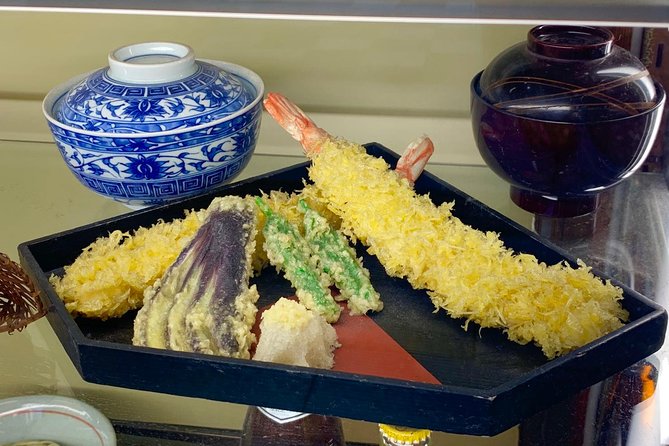
This isn’t just a walk through tourist spots with a quick photo and a souvenir shop stop. You spend real time doing the craft: making Japanese sampuru (sample food models) by hand, then you connect what you learned to the shops around Kappabashi Street, where the tools and displays are the point.
The day is structured so you don’t feel rushed. You start with the workshop, then move to Kappabashi Street, and end at Sensoji Temple and the shopping lane that runs between the main gate and the hall. It’s a clean sequence for families and first-timers because each part answers a question: how sampuru is made, where it’s sold, and why Asakusa is still a hub.
You can also read our reviews of more food & drink experiences in Tokyo



Sampuru Workshop: Making Tempura Models Up Close (And Taking One Home)
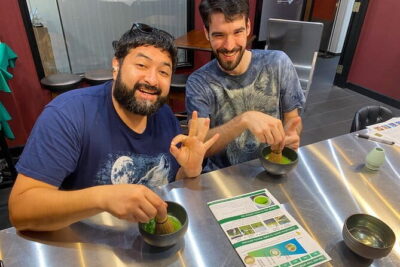
The heart of the experience is the hands-on workshop where you’ll make tempura sampuru foods using the same idea behind those shiny restaurant displays. You’ll get guided explanations in English, then step into the work itself and craft your own piece to take home.
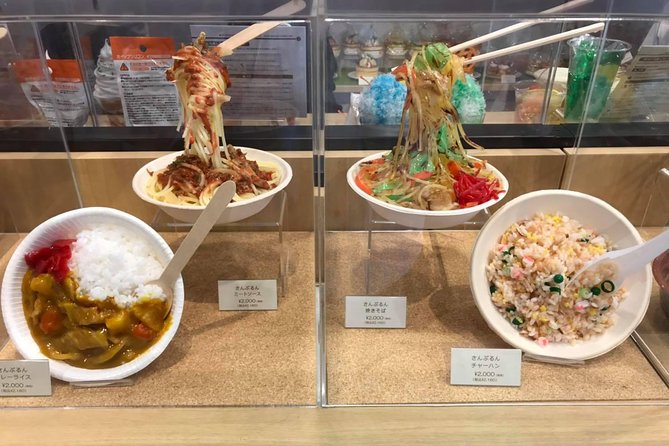
What I especially like about this setup is that you don’t just learn what fake food looks like. You learn what it takes to make it convincing. The tour shares details on how sample foods are made using wax or plastic, and how each piece can take anywhere from a few hours to something that takes up to a week. There’s also a story element to it: the lore says artisans spent years refining realism, with estimates that it can take around a decade to perfect the craft.
You also get practical tips that you’ll feel right away. In this kind of class, wax goes on your hands as part of the process. The tour specifically recommends that you avoid nail art or nail polish because it can get removed during handling. If you want the experience to stay fun, prep like you’re doing a messy craft project, not a salon appointment.
Another plus: you’ll get a take-home sample made in class. That turns the experience into something physical you can keep, rather than a memory that fades the moment you leave the neighborhood.
Before You Walk Kappabashi: Why Fake Food Became a Whole Craft
Between the workshop and the street walk, you’ll hear why sampuru became so important in Japan. The tour includes explanations of where the craft started and what those displays mean for restaurants.
One of the more interesting nuggets is the origin story tied to an artisan named Takizo Iwasaki from Gujo Hachiman. The tale goes that he made an omelet out of wax so realistic that his wife couldn’t tell it apart. The story continues that he helped build a major manufacturing business that now controls a large share of the sample food market. Whether you treat it as pure history or a popular origin legend, it helps you understand the mindset: attention to detail, and the goal of making food look exactly right from a distance.
You’ll also learn why people treat sampuru like a miniature art form. The tour shares that fake food can cost far more than you’d expect because it’s crafted by hand, and because the “realism problem” is hard. That context matters once you start walking Kappabashi, because you’ll stop seeing those displays as gimmicks and start recognizing the craft choices behind them.
Kappabashi Street (Kitchen Town): Shops, Tools, and What to Watch For
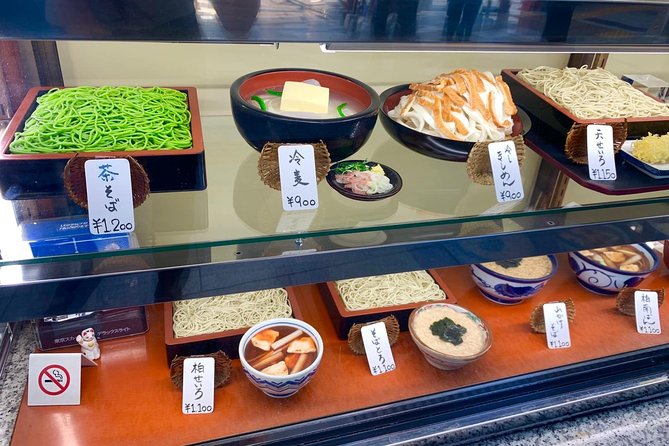
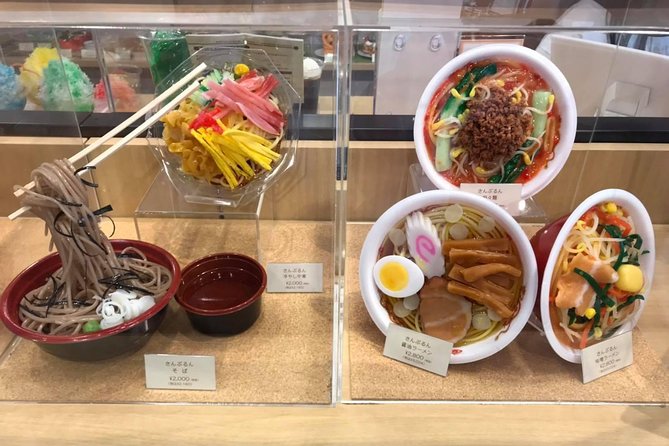
After the class, you head to Kappabashi Street, also known as Kitchen Town. This is where you can really connect the dots between what you made and what the industry sells.
Here’s what you can expect on this walking stretch:
- You’ll see lots of shops that cater to cooking tools and food-model makers.
- You’ll have time to look closely at sample food quality and styling choices, not just glance at storefronts.
- You’ll get guidance on what matters in the craft, which helps you notice differences you’d otherwise miss.
This is also the part of the tour where a helpful guide can make your time smoother. In the feedback you were given, guides like Mami were praised for being kind and for helping with practical things like directing people to their next stop and even assisting with tax-free refund paperwork. Even if that specific help isn’t guaranteed for every departure, it’s a good sign that the guide role goes beyond reciting facts.
One thing to plan for: Kappabashi is a shopping street, so wear shoes you can walk in. The tour is short, but you’ll want comfortable footing for browsing and photo stops.
Sensoji Temple and Nakamise Dori: A Classic Asakusa Stop Done at Human Speed
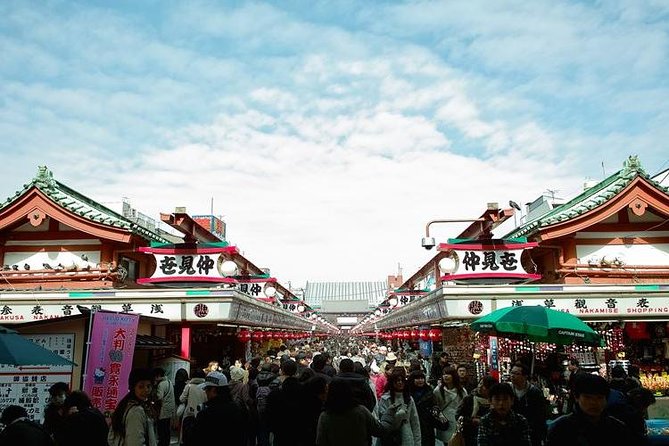
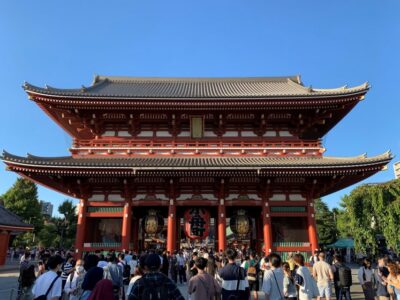
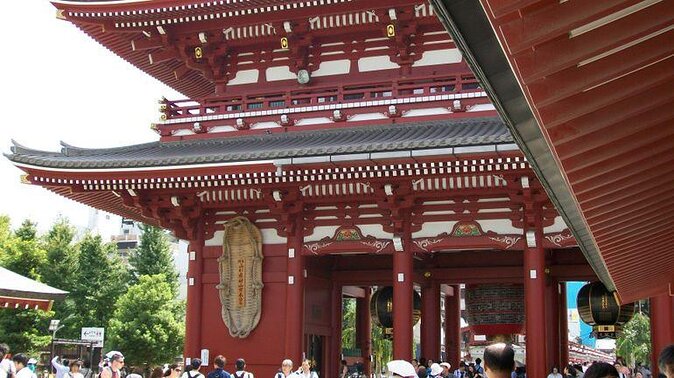
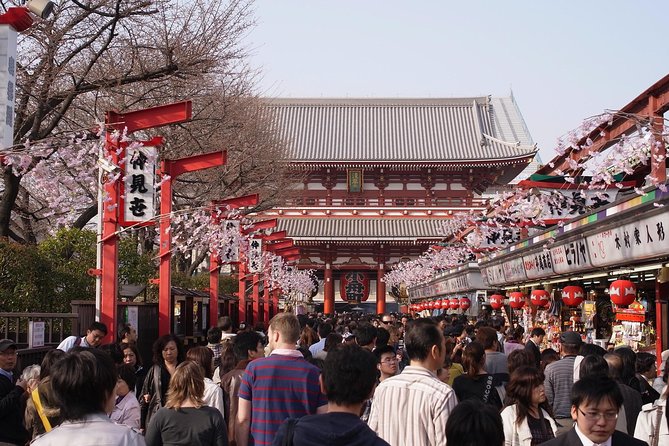
The tour ends at Sensoji Temple (also known as Asakusa Kannon Temple), Tokyo’s oldest and most popular temple. You’ll have about 30 minutes there, with admission included.
Thirty minutes isn’t “do everything in Asakusa” time. But it’s enough to get the core feel: the main temple area, the energy of the precinct, and the sense that this is one of Tokyo’s most enduring cultural centers. The guide helps you understand what you’re seeing so you’re not just standing in a crowd thinking, okay, what am I looking at?
Then you move into the shopping lane: Nakamise Dori, the busy street that connects the main gate to the main hall. This is where you can:
- Take photos (the tour includes photo opportunities)
- Pick up small snacks or souvenirs if you want
- Watch street life and see how Asakusa blends temple tradition with commerce
Since meals aren’t included, plan to snack on your own if you’re hungry. The tour keeps moving, so if you eat before you go, you’ll enjoy it more.
You can also read our reviews of more tours and experiences in Tokyo



Small Group Size, Meeting Point, and Timing That Doesn’t Feel Chaotic
This is a small group experience capped at 15, with the added note that wheelchairs and strollers are accessible. That matters in Tokyo, where cramped lanes and crowds can turn sightseeing into a slow shuffle.
The meeting point is APA Hotel Asakusa Tawaramachi Station Mae at 9:45 AM, with a 10:00 AM start. The tour is listed as running about 3 hours, and it also runs on specific days: Tuesdays, Thursdays, and Sundays (with some holiday exceptions). It’s a good fit if you want a morning-to-midday block without committing to a full-day itinerary.
You’re also using a mobile ticket, which is handy. And because it’s near public transportation, you’re not stuck with complicated transfers.
One more real-world detail: the guide will wait up to 30 minutes after the scheduled start. If you’re running late, it’s not an automatic loss, but you shouldn’t rely on it either. Tokyo transit can be great and also unpredictable, so aim to arrive early and take a breather before the workshop begins.
Price and Value: What You Get for About $172
At $172.66 per person for about 3 hours, the price looks high if you compare it to a basic walking tour. But if you break down what’s included, the value starts making sense.
You’re paying for:
- An English-speaking guide
- A hands-on sampuru workshop
- A take-home model made in class
- Walking time through Kappabashi Street
- Sensoji Temple admission (included)
- Photo opportunities and craft-history context
In other words, a big chunk of the cost is the workshop itself. Workshops like this require a setup, materials, and time for instruction, and that’s why they’re rarely cheap. Since you leave with something you made, the experience becomes more than entertainment—it becomes a small piece of Tokyo you can pack safely in your luggage.
If you’re a family with kids old enough to participate (the tour is age 7 and up), you’ll likely get more “hands-on per dollar” than with a pure museum-style outing. If you don’t care about crafts or you hate hands-on activities, the price may feel steep because you’re paying for making something, not just seeing it.
Who This Tour Fits Best (And Who Might Skip It)
This tour is a strong match if you want:
- A family-friendly Tokyo activity (age 7+)
- A craft experience where you do real work with your hands
- A way to understand Japan’s famous fake-food displays beyond Instagram photos
- A short Asakusa plan that doesn’t drag
It’s also a good choice if you love food culture in a broader sense. Sampuru is tied to how restaurants think about first impressions. Seeing the craft and then walking Kitchen Town helps you get that connection quickly.
I’d consider skipping if:
- You want a lot of free time to roam without structure
- You dislike messy, wax-based activities (even light mess)
- You’re hoping for a long deep-temple visit beyond the main Sensoji stop
Should You Book This Tour?
I’d recommend booking if you’re curious about how sampuru is made, you’ll enjoy a short workshop, and you want an Asakusa plan that feels both cultural and practical. The combo is smart: you make something first, then you walk through the place where the craft shows up in the real world, and you finish with one of Tokyo’s most iconic temple areas.
If your top goal is purely shopping or purely sightseeing, you might choose a different type of tour. But if you want a hands-on experience that ends with a classic Tokyo landmark, this one checks the boxes.
FAQ
What age is the tour for?
The tour is suitable for ages 7 and up. Children age 7 to 14 must be accompanied by a guardian age 20 or older at all times.
How long is the experience?
It runs for about 3 hours.
What days and times does it operate?
It operates Tuesdays, Thursdays, and Sundays from 10:00 AM to 12:00 PM (except some holidays). The meeting time is 9:45 AM.
What do I make in the workshop, and can I take it home?
You’ll make tempura sampuru foods in the hands-on workshop, and you can take home the sample sampuru made in class.
What is included, and what isn’t?
Included: English-speaking guide, the sampuru workshop, take-home sampuru, walking tour of Kappabashi Street, visit to Sensoji Temple, photo opportunities, and history/craft insights. Not included: meals, food, and drinks, plus other fees not listed as included.
Is it wheelchair and stroller accessible?
Yes. Wheelchairs and strollers are accessible for participants, and the tour is described as near public transportation.