REVIEW · TOKYO
【NEW】Matcha Making Experience and Matcha Comparison in Tokyo
Book on Viator →Operated by matcha trip · Bookable on Viator
Matcha is not one flavor. In this Tokyo matcha making experience, you compare “real” matcha from five production areas, then pick one and whisk it yourself into Ousucha. I love the side-by-side tasting that shows you what changes from region to region, and I like that the class is taught by people with serious grounding in tea agriculture and science. One possible drawback: you’re tasting a lot in about 1.5 hours, so it helps if you enjoy learning as you drink.
What makes this lesson feel practical is the small-group setup. It’s capped at 5 travelers, and it starts at matcha tripJapan at Henn Na Hotel, 2F Sports Bar Leaf in Taito City (meeting at 9:30am). You also get a mobile ticket, and the experience ends back at the meeting point.
You’ll sample a wide spread of matcha styles, not just what usually shows up in Western stores. The comparison includes 8 types (with 6 described as ceremonial grade and 2 described as products sold as matcha overseas that are not defined as matcha), and the full session covers 10 matchas from Kyoto, Shizuoka, Aichi, Fukuoka, and Kagoshima. After your tastings, you make your own matcha, then finish with matcha latte and matcha sweets made with the team’s original blend.
In This Review
- Key Highlights You Should Know
- Why Tokyo Is the Best Place for a Matcha Reality Check
- Meeting at Henn Na Hotel’s Leaf Sports Bar and Keeping Things Simple
- Welcome Drink: History, Cultivation, and Why Soil Matters
- The 5-Region Matcha Comparison: Color, Aroma, Taste
- Choosing Your Favorite and Making Ousucha with a Bamboo Whisk
- Matcha Latte and Sweets: Turning Your Lesson Into a Real Treat
- Price and Timing: What You’re Really Paying For
- Who Should Book This Matcha Making and Comparison Class?
- Should You Book This Matcha Making Experience in Tokyo?
- FAQ
- How long is the matcha making and comparison experience?
- What does it cost?
- How many matcha samples will I try?
- Which tea production areas are included?
- Will I make matcha myself?
- What else is included besides matcha tasting?
- What time does the experience start and where does it meet?
- How many people are in the group?
- Are tips included in the price?
Key Highlights You Should Know
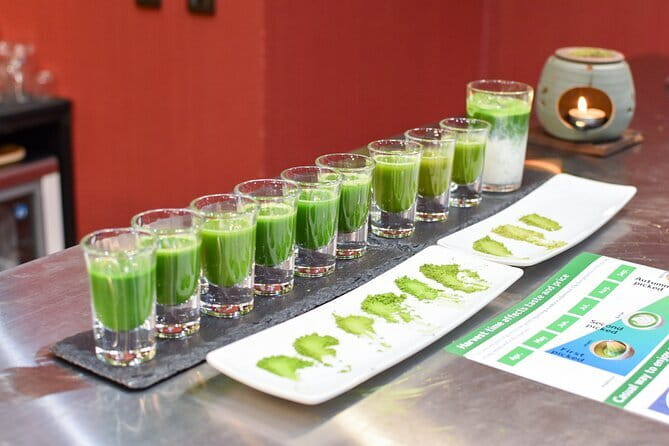
- A real matcha vs matcha marketing reality check, using multiple samples side-by-side
- Small-group format (max 5) so you can ask questions without feeling rushed
- Color-first comparison, then aroma and taste for each sample you try
- Serious instructor team: Chisei (bachelor’s in agricultural science, soil-science focus) and Rina (bachelor’s in pharmacy, practicing pharmacist)
- You whisk too: you choose a matcha and make Ousucha with a bamboo whisk
Why Tokyo Is the Best Place for a Matcha Reality Check
Tokyo is where you can find just about every kind of Japanese food and drink, including matcha in everything from pastries to cocktails. The problem is that the word matcha gets used loosely. This experience tackles that head-on with a simple challenge: compare matcha types that are meant to represent what people call real matcha, and compare them with styles sold as matcha elsewhere.
I like that the class doesn’t treat matcha like a one-note green powder. Instead, it treats matcha as a product that changes based on cultivation and processing, and it connects flavor to the story behind the tea. If you’ve ever thought that matcha tastes different depending on where you buy it, you’re already halfway to what this lesson is about.
You can also read our reviews of more tours and experiences in Tokyo.



Meeting at Henn Na Hotel’s Leaf Sports Bar and Keeping Things Simple
The tour starts at matcha tripJapan at Henn Na Hotel, 2F Sports Bar Leaf, in Taito City (Kotobuki 3-chōme). It’s scheduled for 9:30am, and you’ll return to the same meeting point when it ends. The organizers use a mobile ticket, which usually means less paper and less fuss when you show up.
It’s also a very compact experience: about 1 hour 30 minutes. That’s enough time to taste, learn, and make, but it’s not so long that you feel like you’re sitting through a lecture. I’d treat it as a focused food lesson rather than a slow meal.
Welcome Drink: History, Cultivation, and Why Soil Matters
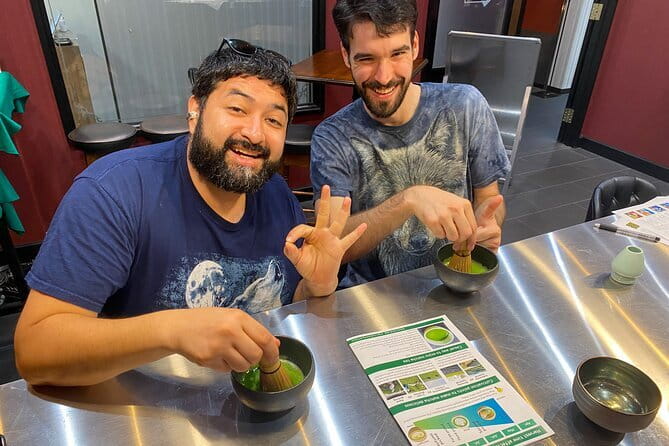
Right away, you get a welcome drink. While you’re drinking, the instructors explain matcha’s definition and history, plus cultivation methods tied to what you’ll taste later.
Here’s where the teacher credentials matter. The main instructor, Chisei, has a bachelor’s degree in agricultural science with particularly deep knowledge of soil science. He’s also a former tea farmer who was involved in everything from tea cultivation to processing in Kyoto. The assistant, Rina, has a bachelor’s degree in pharmacy and is a practicing pharmacist, so expect a careful, science-minded approach to how matcha is presented and discussed.
If you’re the kind of person who likes to ask questions while you eat, this setup is a good match. With a small group, it’s easier to get answers that actually connect back to the samples in front of you.
The 5-Region Matcha Comparison: Color, Aroma, Taste
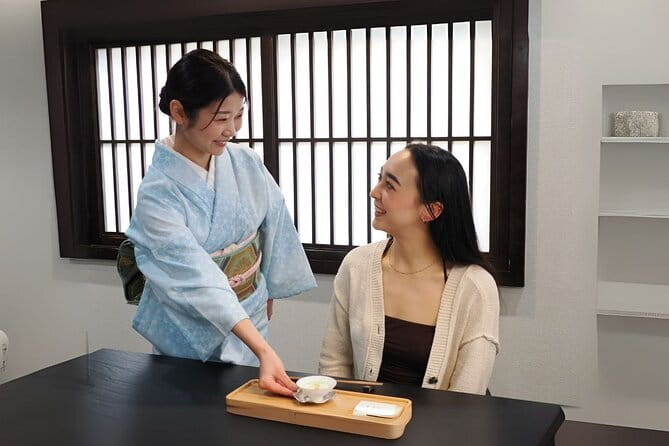
This is the heart of the experience. You’ll enjoy a tasting sequence designed to make differences obvious, not subtle.
During the comparison, the team serves 8 types of matcha:
- 6 are described as ceremonial grade
- 2 are described as matcha products sold as matcha around the world, but not defined as matcha
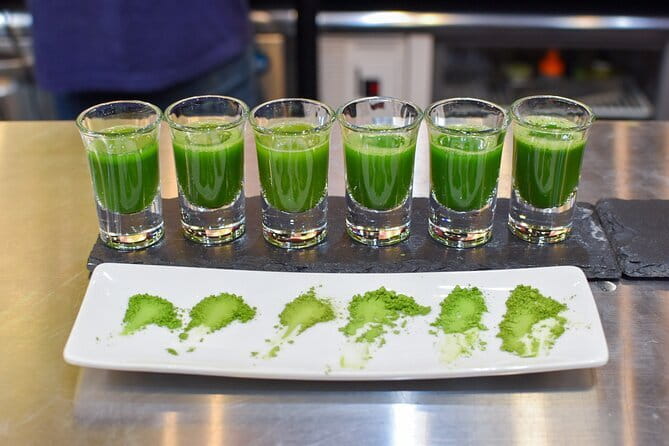
Before they even prepare each drink, you’ll look at the color of the matcha. Then they make it and you taste the fragrance and flavor. That order matters because it trains your senses. You’re not guessing. You’re matching what you see with what you smell and what you taste.
After that, the lesson connects the dots across five production areas: Kyoto, Shizuoka, Aichi, Fukuoka, and Kagoshima. Even if you can’t name every tea term, you’ll start noticing patterns like how grassy notes land differently, how bitterness can feel cleaner or harsher, and how the overall balance shifts between samples.
I also like that you’re not stuck with only “safe” tasting. The presence of the 2 comparison samples that are marketed as matcha overseas makes this feel honest. It’s a reminder that the same word can hide different standards and different intentions.
Choosing Your Favorite and Making Ousucha with a Bamboo Whisk
Once you’ve tasted through the samples, you choose the matcha you like best. Then you make it yourself.
This part is hands-on in the best way: you learn to whisk your chosen matcha using a bamboo tea whisk, and you finish by making Ousucha. The class positions this as a skill you can take home, not just a one-time performance for tourists.
In practical terms, this is where the experience becomes more than a tasting. You stop being a spectator and you start understanding the texture and effort involved in making matcha the traditional way. If you’ve only had matcha mixed in a café cup, this can change how you understand what makes the drink feel right.
And since the class is short, you’re not left wondering what you’re doing wrong. You can ask questions and get guidance while you’re actually whisking, right when it helps.






Matcha Latte and Sweets: Turning Your Lesson Into a Real Treat
After you finish making your own matcha, you don’t go straight to the exit sign. You shift gears to enjoyment mode.
You’ll get matcha latte and matcha sweets, and the team uses an original blend matcha that they say is perfect with milk and sugar. That’s smart for two reasons.
First, a lot of people love matcha but don’t love how matcha feels when it’s purely whisked and unsweetened. Second, tasting your favorite in a sweet, creamy format helps you decide what style of matcha you actually want to buy later. It’s one thing to enjoy a sample in class. It’s another to enjoy it when sugar and milk are part of your daily life.
The sweets and latte finish the lesson with a practical outcome: you leave with a sense of how your chosen matcha tastes in different contexts.
Price and Timing: What You’re Really Paying For
At $62.12 per person, this isn’t the cheapest food activity in Tokyo. But it’s also not just a small snack with a cup of tea.
You’re paying for a tight bundle:
- a welcome drink
- tasting across 10 matchas from 5 production areas
- a structured comparison where color, aroma, and taste are guided
- a hands-on matcha-making segment where you make your own Ousucha with a bamboo whisk
- matcha latte and matcha sweets using the team’s original blend
- an English/Japanese local guide
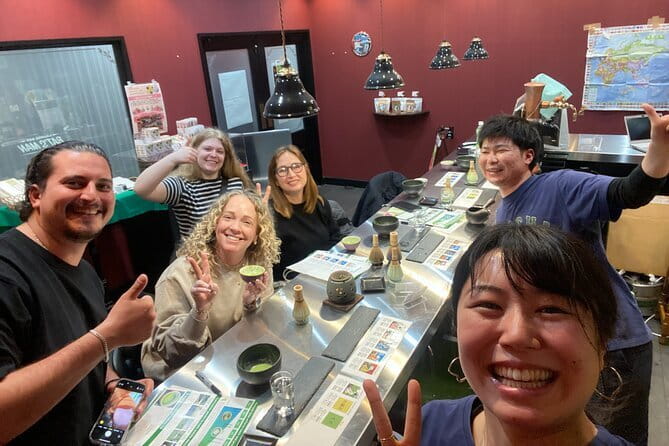
That mix is the value. A lot of tea tastings give you samples and then send you off. Here, you get instruction plus a skill you can repeat later. The small group size (max 5) also matters. Less crowding means more actual attention per person.
One more timing note: the experience is booked on average about 20 days in advance. That’s a sign it’s a popular slot, so if your days are fixed, it’s worth booking early rather than gambling.
Who Should Book This Matcha Making and Comparison Class?
You’ll get the most from this experience if you:
- want to learn how matcha quality and taste differ across regions
- care about the difference between matcha intended for drinking and what’s marketed as matcha elsewhere
- like hands-on food classes where you make something at the end
- enjoy tea explanations that connect agriculture (including soil science) to flavor
It’s also a good choice if you’re with someone who drinks matcha but wants a deeper, more grounded reason for why it tastes the way it does. The instructors aren’t only discussing flavor; they’re linking it to cultivation and processing.
If you want a quick, low-effort café-style latte with zero tasting and zero technique, this might feel more educational than you expected. But if you’re curious, the structure works.
Should You Book This Matcha Making Experience in Tokyo?
If your goal is to understand matcha beyond the powder-and-water version, I’d say yes. The strongest reason to book is the combination of guided comparison plus making your own Ousucha. You leave with a clearer sense of what you like and how to reproduce the drink at home.
Book it especially if you’re the type who notices differences and wants the explanation, not just the product. And if you’re a latte person, the final matcha latte and sweets step makes the class feel balanced, not overly serious.
FAQ
How long is the matcha making and comparison experience?
It runs for about 1 hour 30 minutes.
What does it cost?
The price is $62.12 per person.
How many matcha samples will I try?
You’ll enjoy 10 types of matcha, with a comparison serving 8 types. The matcha comes from five production areas.
Which tea production areas are included?
Kyoto, Shizuoka, Aichi, Fukuoka, and Kagoshima.
Will I make matcha myself?
Yes. You choose the matcha you like best and make Ousucha using a bamboo tea whisk.
What else is included besides matcha tasting?
You’ll also enjoy matcha latte and matcha sweets.
What time does the experience start and where does it meet?
It starts at 9:30am at matcha tripJapan in Henn Na Hotel, 2F Sports Bar Leaf (Taito City, Kotobuki 3-chōme). It ends back at the meeting point.
How many people are in the group?
The activity has a maximum of 5 travelers.
Are tips included in the price?
No, tips are not included.