REVIEW · TOKYO
Tokyo:Fuji-Kawagu Cable Car (Ticket Inc.) Shinkurayama&Panos
Book on GetYourGuide →Operated by JRT Group · Bookable on GetYourGuide
Fuji views, no hiking required. This Mount Fuji day trip turns Tokyo into quick Fuji country with a Kawaguchiko Panoramic Cable Car ride, plus stops that feel like a postcard made in real life. I especially like the cable car itself—clean, stable cabins with big, unobstructed views—and Oshino Hakkai with its eight clear ponds. One thing to plan for: weekends and good weather bring crowds, so expect lines for the cable car and the day’s timing may flex.
Your guide meets you at Tokyo Station and keeps things moving in a small-day-tour style. I like that you’re not stuck figuring buses and transfers, and that the driver’s smooth driving makes the long day feel manageable. Based on guide energy I’ve seen on this route, you may hear extra local context from guides like Lee, and you might also get the practical, on-the-ground help from Vivi and the driver when timing gets tight.
In This Review
- Key Things to Know Before You Go
- Tokyo Station to Fuji: How the Day Trip Actually Works
- Up the Kawaguchiko Panoramic Cable Car at Tenjoyama Park
- Queue reality
- Niikurayama Asama Park: Fuji With Traditional Rooftops
- Oshino Hakkai: Japan’s Little Switzerland and Eight Ponds
- What to watch for
- The Lawson at Mount Fuji: The Photo Stop That’s Actually Useful
- Food, Comfort, and Photo Tips That Save Your Day
- Price and Value: Is $44 a Good Deal From Tokyo?
- Guides, Language, and Group Flow (What You’ll Feel in the Real World)
- Who This Mount Fuji Day Trip Fits Best (And Who Should Skip It)
- Should You Book This Fuji Day Trip?
- FAQ
- Where does the tour start and end?
- What’s included in the price?
- Are meals and drinks included?
- Is food allowed in the vehicle?
- What language is the guide available in?
- What if the cable car closes due to weather?
- Is personal insurance included?
- What’s special about Oshino Hakkai on this tour?
- Does this tour include a Mount Fuji photo stop at a convenience store?
- Is the tour suitable for everyone?
Key Things to Know Before You Go
- Cable car is the star: panoramic summit views of Mount Fuji and Lake Kawaguchi, with a ticket included
- Oshino Hakkai is the calm break: eight ponds tied to the Mount Fuji water story
- Postcard photos come with a theme: Niikurayama Asama Park pairs Fuji views with traditional architecture
- You’ll stop for a funny-but-useful photo: the Lawson at Mount Fuji makes a very specific, easy shot
- Traffic and weather can change your order: guides adjust the sequence to keep you on schedule
Tokyo Station to Fuji: How the Day Trip Actually Works
This trip is built for one goal: get you to Mount Fuji with minimal hassle, then hand you the best viewing moments without long DIY planning. You meet your group at Tokyo Station, then ride in an air-conditioned vehicle out to Kawaguchiko Tenjoyama Park area. Once you’re on the road, you trade city noise for countryside views and the slow shift into Fuji mood.
What I like about this approach is how it reduces decision fatigue. You don’t need to pick which station to hop from, which bus is best, or where to stand for the first good view. The itinerary is designed around the most photogenic and efficient stops in the region, and the order can adjust based on traffic that day.
A practical note: the tour runs as a full day. That matters because meals and drinks are not included. If you’re the type who needs a snack at the same time every day, bring cash and plan to buy food at stops.
You can also read our reviews of more tours and experiences in Tokyo


Up the Kawaguchiko Panoramic Cable Car at Tenjoyama Park
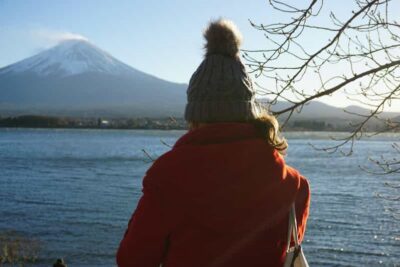
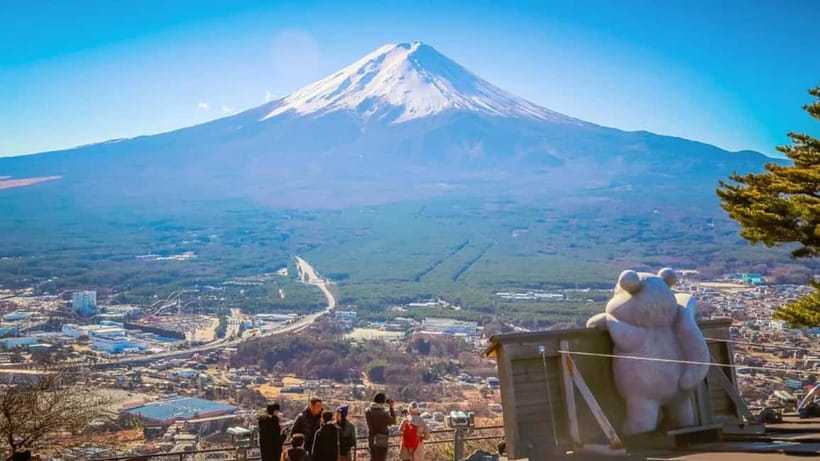
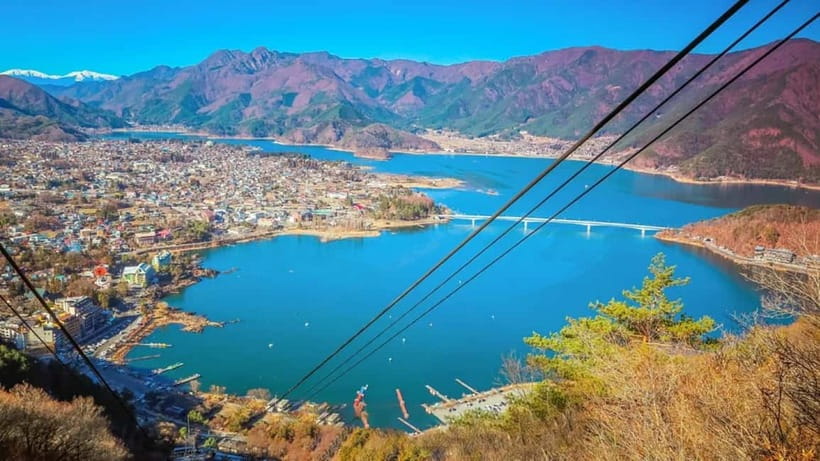
If Mount Fuji is on your bucket list, the cable car is where the day starts to feel special. You hop aboard the Kawaguchiko Panoramic Cable Car at Kawaguchiko Tenjoyama Park and ascend for panoramic views of Mount Fuji and Lake Kawaguchi. The viewpoint payoff is immediate, and it’s a big reason this tour is popular for people who want strong results without spending hours climbing.
I like the balance this ride offers. It’s not a quick photo-scutter situation. You have enough time at the top to soak in the scenery and gather photos. At the same time, the ride duration is described as just right—long enough for views, not so long you feel stuck.
Expect seasonal drama. In spring, you might catch cherry blossoms. In autumn, maple leaves can frame the views. In winter, there’s the chance of snow-capped Mount Fuji. So even if the weather isn’t perfect, the mountain’s look can change a lot by season.
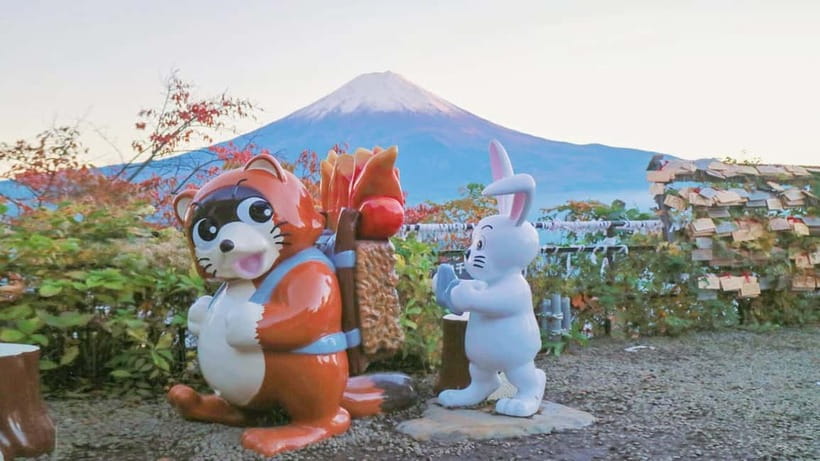
Also, look for the rabbit statue symbol near the area—small, cute, and perfect for a quick stop between bigger viewpoints. It’s one of those tiny details that makes the day feel less like a checklist.
Queue reality
The cable car can require queuing. On weekends/holidays, lines and timing can shift. The good news: the guide adjusts stays and timing as needed, so you’re not left guessing what to do next.
Niikurayama Asama Park: Fuji With Traditional Rooftops
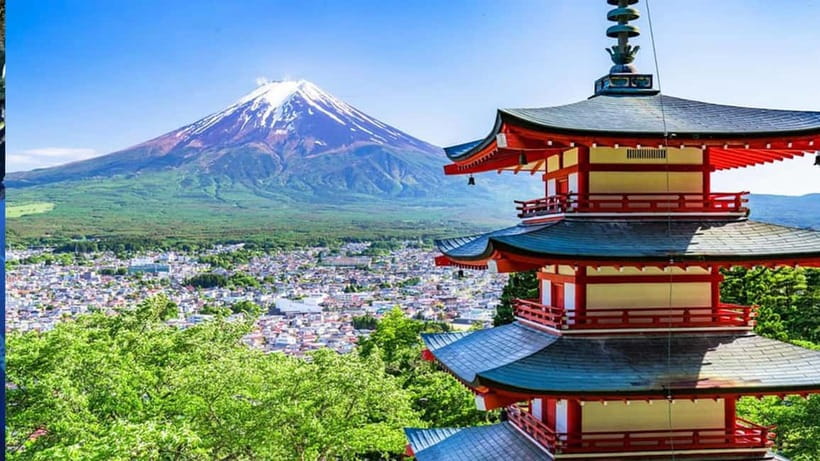
Next comes a classic view: Niikurayama Asama Park. This is the spot where Mount Fuji pairs with traditional Japanese architecture, which is a fancy way of saying you get that postcard combination—mountain view plus historic-looking buildings in the same frame.
This stop is built for photos, yes, but it’s also a nice pacing break. After the cable car, you get a more relaxed environment where you can slow down, stand, look, and reframe your shots. Mount Fuji can look different depending on your angle and distance, so it’s worth spending a few minutes just watching how the light changes.
If you enjoy picture-taking, this is one of your best bets. If you’re not into photos, it’s still worth it because the architecture gives the view context. A mountain view is pretty; a mountain view with a sense of place feels memorable.
Oshino Hakkai: Japan’s Little Switzerland and Eight Ponds
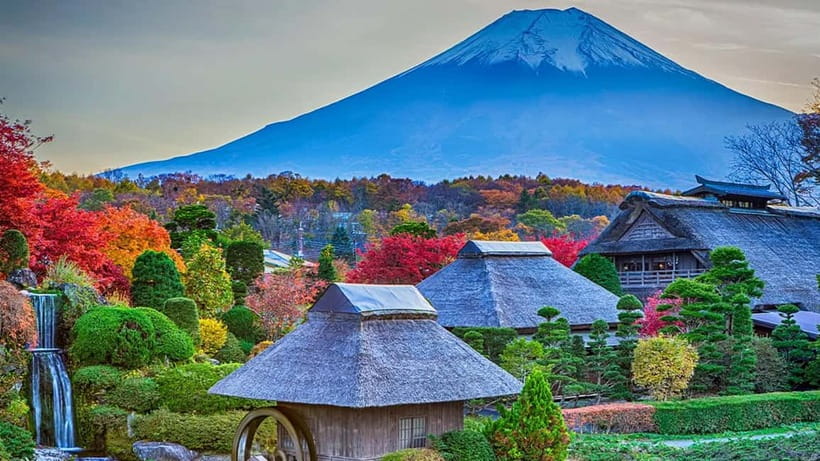
Then you get to the water stop: Oshino Hakkai, often described as Japan’s Little Switzerland. The reason it earns that nickname is simple—eight ponds with clear water and Mount Fuji in the background, creating a clean, scenic scene that feels curated even though it’s natural.
The “eight ponds” detail is the hook here. You can walk between them and see how the view shifts slightly with each pond. In clear conditions, the reflection feel is strong, and it’s easy to take good photos without needing fancy gear.
I also like that Oshino Hakkai includes an opportunity for local snacks from nearby traditional shops. Meals aren’t included on the tour, but this is one of the places where you can grab something that fits the setting rather than hunting blindly later.





What to watch for
If the day is crowded, your time at each pond may feel tighter than you’d like. Plan to move calmly but efficiently. And bring cash—this tour asks for it, and you’ll likely use it at snack stops.
The Lawson at Mount Fuji: The Photo Stop That’s Actually Useful
Yes, it’s a convenience store. No, it’s not random. The tour includes an Instagram-famous stop at a Lawson Convenience Store at Mount Fuji, and the purpose is pretty clear: it gives you an easy, specific photo moment with the blue-and-white Lawson logo against Mount Fuji.
This is one of those stops that can be “skip-able” on paper and still worth your time in reality, because it’s quick and it solves a real problem: finding a place with a clean foreground while you’re on a tight schedule.
You’ll also be able to grab Fuji-limited snacks and drinks. Since meals aren’t included, this can be a convenient way to handle your energy needs without leaving the group.
Just remember the rules: no food in the vehicle. So any snacks you buy are for outside time, not while you’re riding.
Food, Comfort, and Photo Tips That Save Your Day
This is a full-day outing, so small comfort choices matter. The tour guidance is straightforward: comfortable shoes and a jacket. Even if Tokyo feels mild, Fuji area weather can shift, and cable cars + waiting in lines can mean you stand still longer than you expect.
Also bring comfortable clothes and cash. Since meals and drinks aren’t included, you’ll likely buy food at Oshino Hakkai area shops and at the Lawson stop.
A few practical rules that affect the day:
- Food isn’t allowed in the vehicle. Even if you’re holding a snack for later, keep it out of the bus. Stains can lead to cleaning fees.
- The day’s order can change based on traffic, so keep your schedule flexible.
- The cable car requires queuing, and weather can lead to closure. If that happens, guides shift time to other spots, and you may see shorter stays.
If you care about photos, I’d treat this as a “golden hour-ish” style day: arrive ready to shoot, but also expect lighting and cloud cover to decide what you get.
Price and Value: Is $44 a Good Deal From Tokyo?
$44 per person is the kind of price that makes you ask: what’s included, and what’s left for me? Here’s the key: transportation in an air-conditioned vehicle, a guide, a driver, and the panoramic cable car ticket are included.
That’s the value core. Cable car tickets in this region aren’t free, and adding the transport from Tokyo saves real time and stress. You also get a guided flow—someone else handles the “when do we go where” part, plus they adjust the order when traffic hits.
What’s not included is what can inflate your day budget later: meals and drinks. Since you’ll still want snacks and possibly a real meal, you should plan an extra amount on top of the $44. The good news is the tour intentionally stops where you can buy relevant food, including at traditional shops near Oshino Hakkai and at the Lawson stop.
So is it worth it? If your main goal is to see Mount Fuji from the key viewpoints without DIY transport, it’s a strong value. If you only want one viewpoint and you hate buying snacks and waiting in lines, it may feel less efficient.
Guides, Language, and Group Flow (What You’ll Feel in the Real World)
This tour is run by JRT Group, with Chinese and English offered. If you’re in a smaller daily group, the driver may double as the guide, with limited English commentary. That’s not a deal-breaker, but it does mean you might get less narration while the vehicle is moving.
In the best versions of this kind of day, the guide adds local context and helps you find the right photo moments faster. I’ve also seen notes about guide energy and encouragement—people mention guides like Lee going above and beyond with local legends and recommendations, and another guide name, Vivi, helping make the stops feel organized and explained.
Bottom line: the tour is designed to run smoothly with a guide-driver system. You’ll get guidance, but it’s not a lecture. It’s a moving day with conversation when it’s practical.
Who This Mount Fuji Day Trip Fits Best (And Who Should Skip It)
This trip is a great match if you want:
- Mount Fuji views with minimal effort
- Cable car panoramas without hiking up
- A day organized around the top icons: Tenjoyama area views, Niikurayama Asama Park, Oshino Hakkai, and a quick Lawson photo stop
It may be less suitable if you:
- Have trouble with heights (you’re on a cable car)
- Use a wheelchair or have mobility impairments (not suitable)
- Are very sensitive to long waiting lines (cable car queues can happen)
- Are over 70 (not suitable)
- Are pregnant (not suitable)
Also plan for weather changes. If the cable cars close, you’ll get a reworked schedule. That can be fine, but it does mean the exact plan may shift.
Should You Book This Fuji Day Trip?
Book it if you’re trying to check Mount Fuji off your list with strong viewing time, and you’d rather pay for a smooth itinerary than wrestle with regional transit. The included cable car ticket plus the cluster of iconic stops makes this one of the more efficient ways to see the region from Tokyo in a single day.
Skip it (or consider an alternative) if you hate crowds, don’t want to queue, or you’re likely to be frustrated by weather-based schedule changes. And if you need meals included, you’ll want to budget for food during the day.
If your travel style is practical and photo-driven, this tour hits the sweet spot: big Fuji moments, organized timing, and local stops that are simple to enjoy.
FAQ
Where does the tour start and end?
The tour starts at a meeting point that may vary depending on the option you booked, and it ends back at the meeting point.
What’s included in the price?
Transportation in an air-conditioned vehicle, a tour guide, a driver, and the panoramic cable car ticket.
Are meals and drinks included?
No. Meals and drinks are not included, so you’ll need to buy food and drinks during the day.
Is food allowed in the vehicle?
No. Food is not allowed in the vehicle, and stains can lead to cleaning fees.
What language is the guide available in?
The tour offers Chinese and English. If the group is small, the driver may provide limited English commentary.
What if the cable car closes due to weather?
If the cable cars close, the schedule may shift to other spots. Cable cars may also require queuing, and crowds or early closures can shorten stays.
Is personal insurance included?
No. Personal travel or accident insurance is not included, and you should purchase it separately if needed.
What’s special about Oshino Hakkai on this tour?
Oshino Hakkai is known for eight crystal-clear spring ponds with Mount Fuji in the distance, plus nearby traditional shops for snacks.
Does this tour include a Mount Fuji photo stop at a convenience store?
Yes. It includes a stop at the Instagram-famous Lawson Convenience Store at Mount Fuji for photos and Fuji-limited snacks and drinks.
Is the tour suitable for everyone?
No. It is not suitable for people with mobility impairments, wheelchair users, people afraid of heights, pregnant women, or people over 70. It also notes that under-2s needing seats require adult tickets.