REVIEW · TOKYO
Perfect Start for your Japan Trip – Private Tour in Tokyo
Book on GetYourGuide →Operated by Shiny Tours Tokyo · Bookable on GetYourGuide
Tokyo hits you fast.
This private 4-hour walking tour is a smart way to get your bearings, moving from the quiet focus of Meiji Jingu Shrine to the fashion-and-street energy of Harajuku. I especially like the way the route creates real contrast day one: you go from traditional Shinto space and rituals into Takeshita Street, then end with Shibuya Crossing and Shinjuku’s neon-lit streets and skyline. The one drawback to consider is simple: you’ll cover a lot of ground on foot, so comfortable shoes and a weather-ready plan matter.
For me, the biggest value is the personal touch. Your guide (often Jero) tailors the feel of the walk to your interests, mixes the obvious stops with lesser-known moments, and keeps it practical with photo stops, snack breaks, and culture context so you’re not just walking through scenery.
In This Review
- Key highlights you’ll feel right away
- A great Tokyo kickoff: private walking route in about 4 hours
- Meiji Jingu shrine: start calm before Tokyo noise
- Harajuku and Takeshita Street: style, shopping energy, and street snacks
- Shibuya Crossing: the crowd, the lights, and why timing matters
- Shinjuku after dark: Omoide Yokocho, Godzilla, and neon Tokyo
- Asakusa add-on: a guided hour that widens the day
- Included extras that make $145 feel more fair
- What the guide adds: stories, humor, and a tailored feel
- Practical prep: shoes, umbrella, cash, and etiquette
- Who should book this private Tokyo walk
- Should you book this Perfect Start for your Japan trip?
- FAQ
- Where does the tour meet?
- How long is the private tour?
- Which neighborhoods and landmarks are included?
- Is this tour private?
- What languages are available for the guide?
- What’s included in the price besides the guide?
- Are meals included?
- What should I bring for the walk?
- Is the tour suitable for wheelchair users?
- Is it easy to cancel?
Key highlights you’ll feel right away
- Meiji Jingu Shrine start: a calm, ritual-focused beginning under the big torii gate
- Harajuku style stops: Takeshita Street plus the street-style vibe around Cat Street
- Photo-friendly timing: Tokyu Plaza for pictures and planned pauses for the busiest intersections
- Shibuya Crossing in full context: you navigate the crowd with guidance, not guesswork
- Shinjuku lights and old-food street: Omoide Yokocho and the Godzilla spot, then a neon view at Kubukichō Tower
- Tea and snacks included: typical green tea plus a Japanese snack during the walk
A great Tokyo kickoff: private walking route in about 4 hours
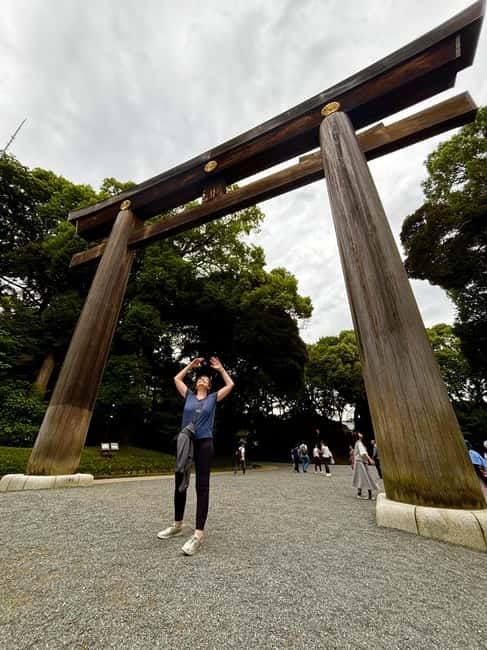
Tokyo can feel like a video game at level one: tons of sights, fast decisions, and zero certainty on what matters most. This tour helps you start clean. You’ll move through three of the most talked-about areas—Harajuku, Shibuya, and Shinjuku—plus a guided visit time in Asakusa. The pace is built for a first-time plan: you get landmark moments, but you’re also learning how to interpret what you’re seeing.
Because it’s a private group, you’re not stuck following a crowd rhythm. You can ask questions, request slower photo time, and get local context as you go. That matters in Tokyo, where small details—signage, etiquette, and how people behave in public—often explain the bigger picture.
One practical note: this is a walking-focused experience and it’s not designed for wheelchair use or mobility-limited guests. Plan on a lot of steps and bring water. The tour includes tea and snacks, but you’ll still want to stay hydrated, especially in warmer or humid weather.
You can also read our reviews of more private tours in Tokyo

Meiji Jingu shrine: start calm before Tokyo noise
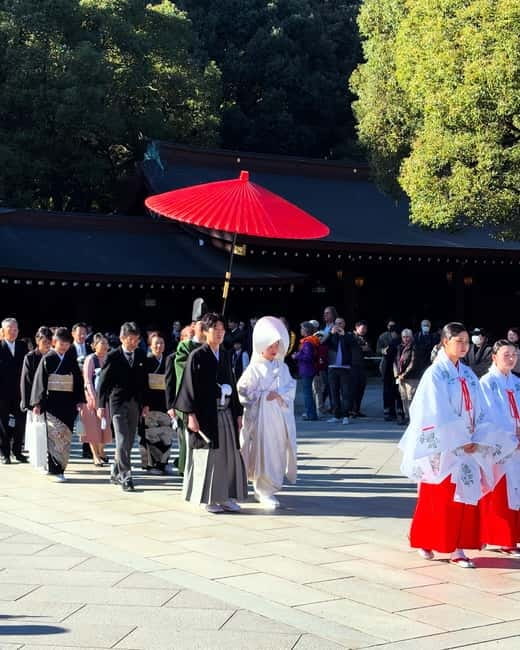
You begin at Meiji Jingu Ichino Torii, then head into Meiji Shrine for a guided visit (about 50 minutes). This is a strong opener because it flips the usual “rush in and sprint through” Tokyo style. The shrine setting gives you a foundation: what the space is for, why it looks the way it does, and how traditional rituals fit into daily life.
The guide shares cultural background as you walk to the main building. You also get a chance to learn about some traditional rituals rather than just taking pictures and moving on. That’s the kind of context that makes later neighborhoods feel more meaningful, because you’ll understand that Tokyo isn’t only neon and youth fashion—it also has deep layers of tradition.
Photo-wise, starting at the torii gate is a win. You get that iconic entry moment without having to fight for the right angle during the harshest rush times later in the day. If you like photographs that feel more than just touristy, this first segment sets you up well.
Harajuku and Takeshita Street: style, shopping energy, and street snacks
After the shrine, you head into Harajuku and the mood changes immediately. You’ll spend time on Takeshita Street (about 20 minutes), a famous shopping strip known for loud colors and fast turnover of what’s cool. The tour isn’t just walking past storefronts. You’re guided through what the street represents and how to notice the style details without feeling overwhelmed.
Then you move through the broader Harajuku area for more guided time (about 40 minutes). You’ll hit the Street-Style Wonderland feel where each block looks like a runway. Expect a lot of youth fashion, accessories, and “only in this neighborhood” street culture. This is also where I recommend keeping your camera ready, but also keeping your pace steady. Harajuku can be crowded, and stopping too often in the middle of foot traffic makes things harder for everyone.
You’ll also pass by Tokyu Plaza for pictures, and then move toward Cat Street, which is described as trendy and fashionable. Cat Street often feels a bit more stylish and fashion-forward than the main Takeshita stretch, so it’s a good balance if you want variety in the Harajuku look.
Food is a big part of why many people love this area. The tour includes tea and a typical Japanese snack, and it also gives you the opportunity to try street food and local delicacies. Food and drinks aren’t included overall, though, so think of snacks as a guided starter and keep extra cash handy if you want full bites or a full drink.
Shibuya Crossing: the crowd, the lights, and why timing matters
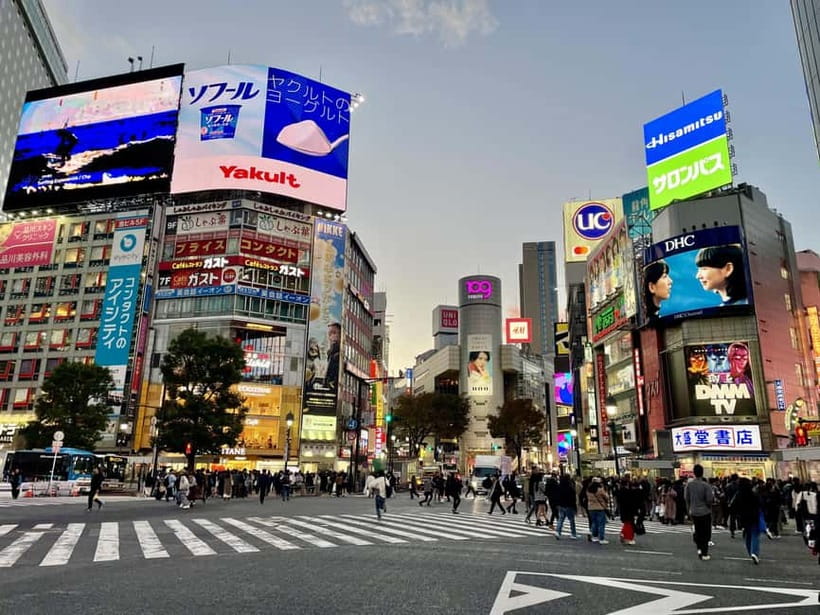
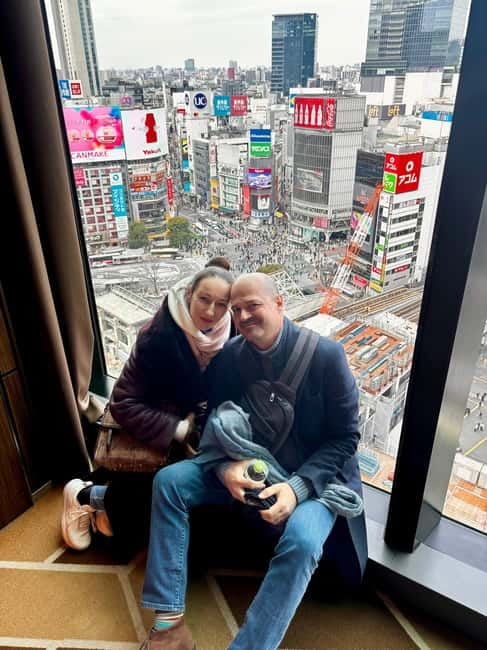
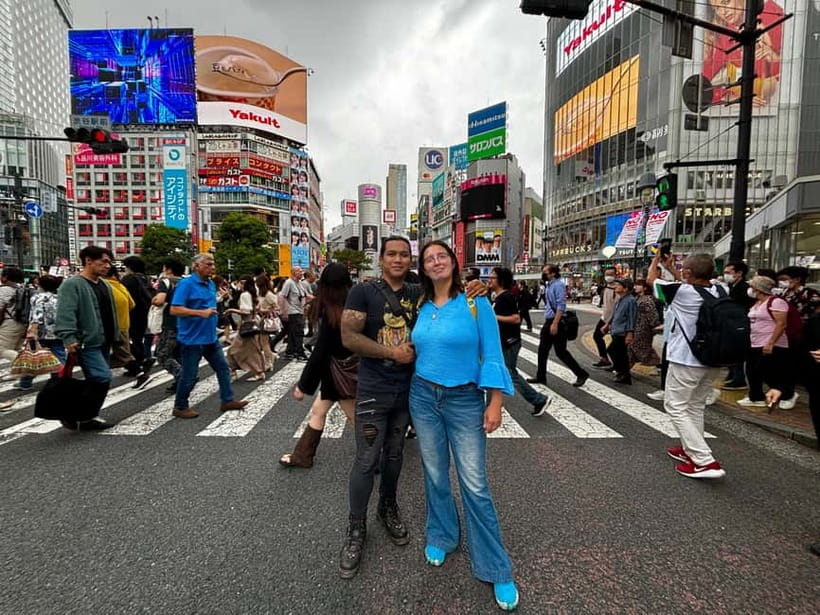
Shibuya Crossing is the big moment most first-timers want, and this tour treats it like more than a photo stop. You’ll spend about 40 minutes in the Shibuya area, including time at the world-famous crossing. Instead of wandering at random through the intersection, you’ll have guidance for how to approach the crossing and how to move with the crowd flow.
Here’s a smart touch: before you face the biggest intersection, you make a brief stop at Miyashita Park. There you can grab a coffee or enjoy the atmosphere, and it also works as a visual reset. Getting a short break before stepping into a nonstop flow of people makes the crossing experience less stressful. You’ll arrive with better focus for pictures and for observing how the crowd moves.
When you do reach Shibuya Crossing, pay attention to how the intersections cycle and how everyone uses the signals. It’s an experience you feel with your feet: the timing, the movement, and the sheer density of people crossing in patterns. Your guide’s role here is less about talking nonstop and more about helping you stand in the right place at the right time so you can actually enjoy it.
Bring your camera. Also bring water in your bag. Shibuya’s lights and crowds can be fun, but they can also make you forget you’re out walking for hours.
Shinjuku after dark: Omoide Yokocho, Godzilla, and neon Tokyo
Next you take the train to Shinjuku (transportation fee to Shinjuku is included). The tour gives you about 50 minutes in Shinjuku, and it’s built around the contrast between hidden-old and loud-new Tokyo.
One stop highlighted is Omoide Yokocho, described as an old traditional food street. Even without a long food crawl time, this kind of location adds texture. It’s where you get a sense of how Tokyo nightlife and local eating used to feel, with compact alleys and a distinct older atmosphere compared to the big signage everywhere else.
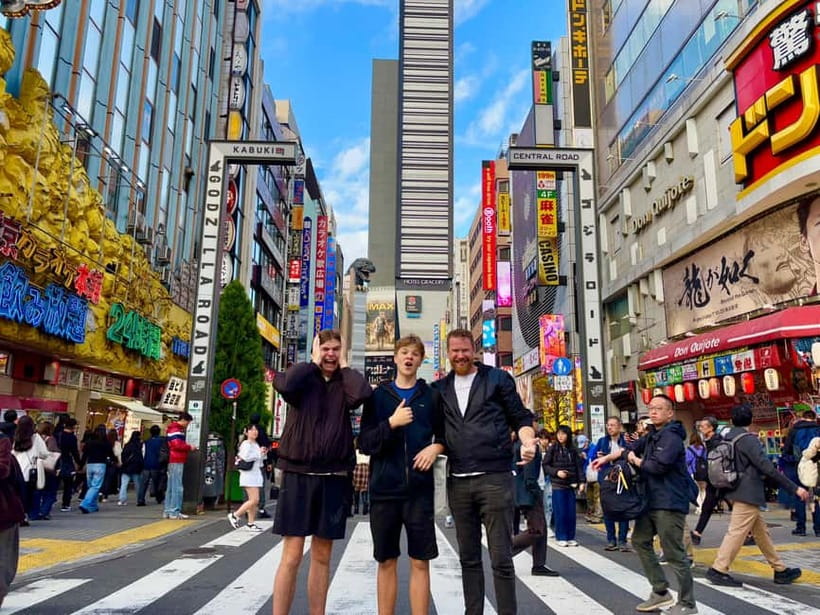
You’ll also make a stop connected to Godzilla—because yes, you really can see it in Shinjuku, and it’s exactly the kind of instantly recognizable pop-culture landmark that makes the area memorable. It’s also a useful photo moment: easy to frame, easy to spot, and a fun story to tuck into your day.
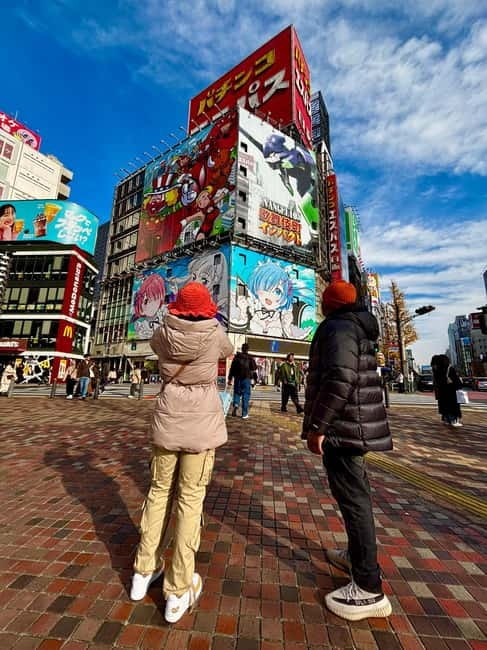
From there, you finish with Kubukichō Tower in Shinjuku Kabukichō, framed as a great place to see neon Tokyo. This is where the day’s earlier contrasts start to click. You began in a shrine space designed for quiet, moved through youth-style streets, watched Shibuya Crossing in full motion, and now you’re looking out at Tokyo’s night-energy side. It’s a full-spectrum first day plan.
You’ll be walking again here, and it can feel extra intense in Kabukichō. Keep your pace comfortable and let the guide handle the timing and route so you aren’t constantly checking maps while navigating crowds.






Asakusa add-on: a guided hour that widens the day
The tour also includes a visit to Asakusa with a guided tour time of about an hour. This is a nice change of pace after focusing so much on the west-side Tokyo neighborhoods.
Asakusa helps you widen the picture beyond Harajuku and Shibuya’s modern pop-culture focus. It’s especially helpful if you only have a day or two in Tokyo and want a taste of more classic city vibes without spending your whole day commuting.
Because the time here is guided, you’ll likely get direction on what to notice and how to move efficiently through the area. It’s a practical closing segment—less “stand in one spot for photos” and more “use time wisely.”
Included extras that make $145 feel more fair
At $145 per person for around four hours, the value depends on what you usually do in Tokyo. If you like wandering on your own, you might feel the cost. But if you want a structured first day and you don’t want to waste time figuring out what’s worth your energy, private guidance can pay off.
Here’s what’s included that reduces the hidden costs:
- Guided time across Meiji Shrine, Harajuku, Shibuya Crossing, and Shinjuku
- Tea (a typical green tea) and snacks (a typical Japanese snack)
- Pictures with famous landmarks, so you don’t have to keep asking strangers
- Transportation fee to Shinjuku, which keeps the day from turning into route-planning homework
- Opportunities to try street food and local delicacies, even though you’ll still likely buy items yourself
What’s not included:
- Food and drinks overall. The snacks and tea are set, but if you want to eat street meals, you’ll pay for those yourself.
- A tip for your guide if you enjoyed the experience.
My advice: budget for small purchases in each area, and use the guide to choose what to try. Even if you only grab a couple of bites, it makes the walk feel like Tokyo—not just a photo circuit.
What the guide adds: stories, humor, and a tailored feel
The experience stands or falls on the guide, and this one seems to land. The guide, Jero, is described as warm and professional, and his style mixes explanation with humor. That matters because Tokyo’s culture and subcultures can be hard to read from the street alone.
You also get a tailored approach. The tour is presented as the kind of walk that can be adjusted to your interests. If you care more about fashion and youth culture, you’ll likely spend more time noticing details in Harajuku. If you’re more into classic rituals, the Meiji Shrine segment will likely feel even more relevant.
This is also where private routing helps. You can ask questions as they come up rather than waiting for a group pause. And you can make sure your camera time doesn’t get swallowed by the crowd rhythm.
Practical prep: shoes, umbrella, cash, and etiquette
This tour gives you a lot of movement and lots of public-space etiquette. So you’ll enjoy it more if you prepare like a Tokyo walker.
Bring:
- Comfortable shoes (you’ll be on your feet a lot)
- Umbrella (or raincoat), because weather can change fast
- Camera (photo stops are built into the route)
- Water
- Cash for street food and shopping
Etiquette matters here. You’re entering a shrine space at the start, and you’ll be in neighborhoods where respectful behavior is part of the atmosphere. A guide can remind you what to do, but you’ll still want to come with a basic willingness to follow local norms.
Also: plan for street-level surprises. Some areas are packed and narrow, so keep your phone and camera handling smooth and avoid stopping abruptly in the middle of foot traffic.
Who should book this private Tokyo walk
This is a great fit if:
- You want a first-day Tokyo plan that hits the big icons without feeling chaotic
- You like a guide who can explain what you’re seeing, not just point at it
- You want a mix of traditional culture and pop-culture energy in one outing
- You appreciate photo help and included tea/snacks during the walk
It may not be the best fit if:
- You have mobility limitations or need wheelchair access (the tour is not suitable for mobility impairments or wheelchair users)
- You dislike long walking days or getting around crowded crossings
- You only want food-focused stops and don’t want to buy your own food beyond snacks
Should you book this Perfect Start for your Japan trip?
If you’re starting your Japan trip and you want Tokyo to feel understandable fast, I think this is a strong choice. You get the big moments—Meiji Shrine, Harajuku, Shibuya Crossing, and Shinjuku neon—plus the extra breadth of an Asakusa guided hour. The private format, the included tea and snack, and the photo help make it easier to enjoy the day instead of managing logistics.
Book it if you want structure, context, and a guide who can adjust to your interests. Skip it if walking a lot through crowded areas is a deal-breaker, or if you’d rather plan everything yourself with no guided explanations.
FAQ
Where does the tour meet?
You meet next to the big entry gate on the left side. If you’re coming by JR Yamanote line, take the west exit.
How long is the private tour?
The duration is 4 hours.
Which neighborhoods and landmarks are included?
You’ll cover Meiji Shrine, Harajuku (including Takeshita Street and Cat Street), Shibuya Crossing, Shinjuku (including Omoide Yokocho, Godzilla, and Kubukichō Tower in Kabukichō), plus a visit to Asakusa.
Is this tour private?
Yes. It’s listed as a private group.
What languages are available for the guide?
The tour is offered with live guide support in English and German.
What’s included in the price besides the guide?
Included are tea (typical green tea), snacks (typical Japanese snack), transportation fee to Shinjuku, and pictures of you with famous landmarks.
Are meals included?
No. Food and drinks aren’t included, even though you’ll have the opportunity to try street food and local delicacies during the tour.
What should I bring for the walk?
Bring comfortable shoes, an umbrella, a camera, water, and some cash.
Is the tour suitable for wheelchair users?
No. It’s not suitable for people with mobility impairments or wheelchair users.
Is it easy to cancel?
You can cancel up to 24 hours in advance for a full refund.
If you tell me your travel dates and whether you prefer fashion, food, or history most, I can suggest how to get the best fit out of this route.