REVIEW · TOKYO
Tokyo Tsukiji Food & Culture Private Tour Licensed Guide
Book on GetYourGuide →Operated by JGA Inc. · Bookable on GetYourGuide
Fish markets teach Tokyo fast. This private Tokyo walk is built around food and local culture, with a government-licensed English guide who helps you read the markets like a pro and understand the do’s and don’ts. I like that you get fresh, snack-level eating and not just sightseeing. The big thing to consider: food and drinks aren’t included, and you’ll also pay for the train or taxi rides your guide uses between stops.
In practice, the “private” part matters. You’re not solving routes and crowds on your own, and guides like Katsu, Fumiko, Kenji Kasama, or Naomi are known for building a day that runs on time and feels tailored to what you actually want to eat and see.
You also choose what you want. On a 6-hour option you can usually cover about 3–4 areas, mixing the seafood intensity of Toyosu and Tsukiji with more street-food and shopping energy like Asakusa, Ueno’s Ameyoko, and Kappabashi.
In This Review
- Key highlights worth planning for
- Tokyo’s Toyosu and Tsukiji Food Tour: what this private format really buys you
- Toyosu Market: modern seafood shopping and what to do with your first bite
- Outer Tsukiji: the street-market feel, plus etiquette and snack strategy
- Asakusa shopping street and Ueno’s Ameyoko: food stops between browsing
- Kappabashi kitchenware street: the best souvenir might be a tool
- Customizing your day: from Tsukishima Monja Street to Yanaka Ginza
- Getting around Tokyo on foot: why pacing and transit costs matter
- Price and value: is $141 per person a fair deal for a 6-hour private tour?
- What the best guides do: pacing, safety, and making you feel at ease
- Who this Tokyo Tsukiji and food culture tour suits best
- Should you book this private Tokyo food and markets tour?
- FAQ
- How long is the tour?
- What’s included in the price?
- What’s not included?
- Will I need to pay for transportation during the tour?
- What sites can I choose from?
- Does the tour run in bad weather?
- What’s the cancellation policy?
Key highlights worth planning for
- Licensed local guide who can explain what you’re seeing and how to behave in busy market spaces
- Toyosu + Outer Tsukiji for both modern seafood buying and the classic street-market atmosphere
- Site choice from spots like Kappabashi, Tsukishima Monja Street, and Yanaka Ginza
- Street-food and kitchenware focus so you leave with flavors and practical shopping items
- Private pacing that makes it easier to ask questions and adjust on the fly
Tokyo’s Toyosu and Tsukiji Food Tour: what this private format really buys you
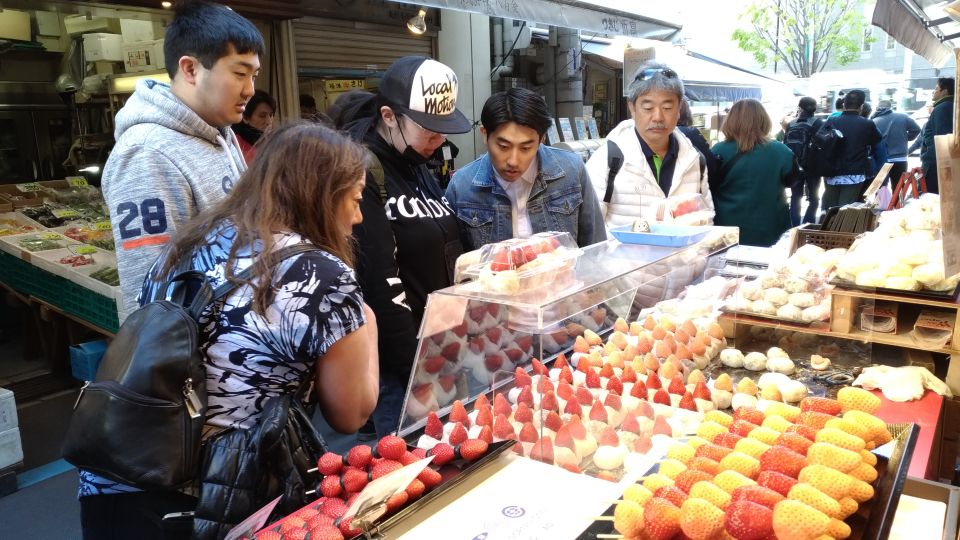
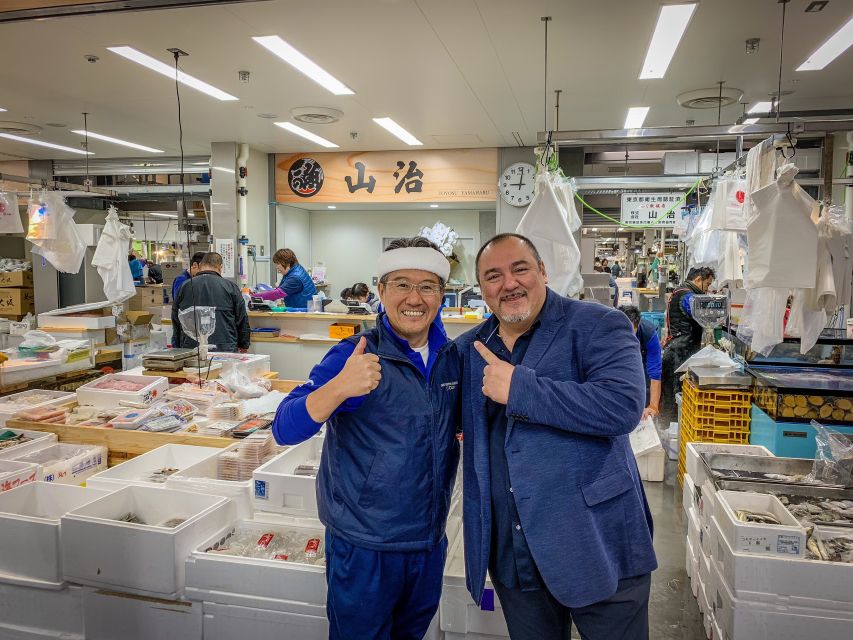
Tokyo’s fish markets can feel like sensory overload. There are crowds, noise, and unfamiliar etiquette, plus it’s easy to walk past the best food because you don’t know what to look for. This is why the guide piece matters so much here: a government-licensed English-speaking local helps you connect the dots between stalls, ingredients, and how people actually shop and snack.
The second value is the structure around food culture. You’re not just ticking off market photos. You’ll get context for what you’re eating, why certain items show up there, and how the culture of purchasing seafood connects to daily Japanese eating habits.
One more practical point: your guide meets you based on your location in Tokyo’s 23 wards, usually at your hotel lobby or at a train station you specify. From there, you set off largely on foot. That can be great for the experience, but it also means comfortable shoes matter, and the cost of trains/taxis between stops is on you.
If you want a day that feels planned without feeling rigid, this format tends to work well, especially with guides known for organization and patience, like Naomi or Kenji Kasama.
You can also read our reviews of more food & drink experiences in Tokyo


Toyosu Market: modern seafood shopping and what to do with your first bite
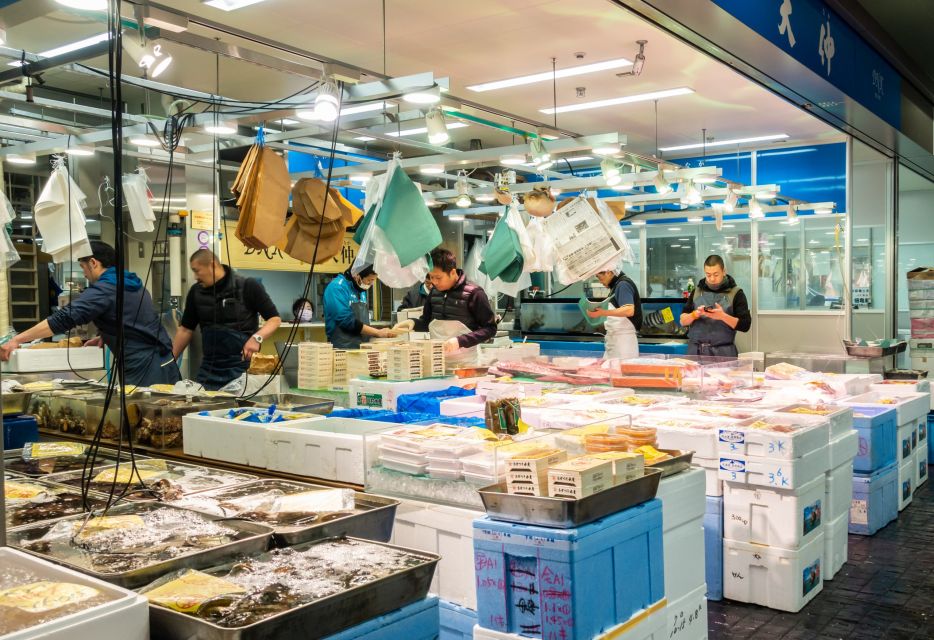
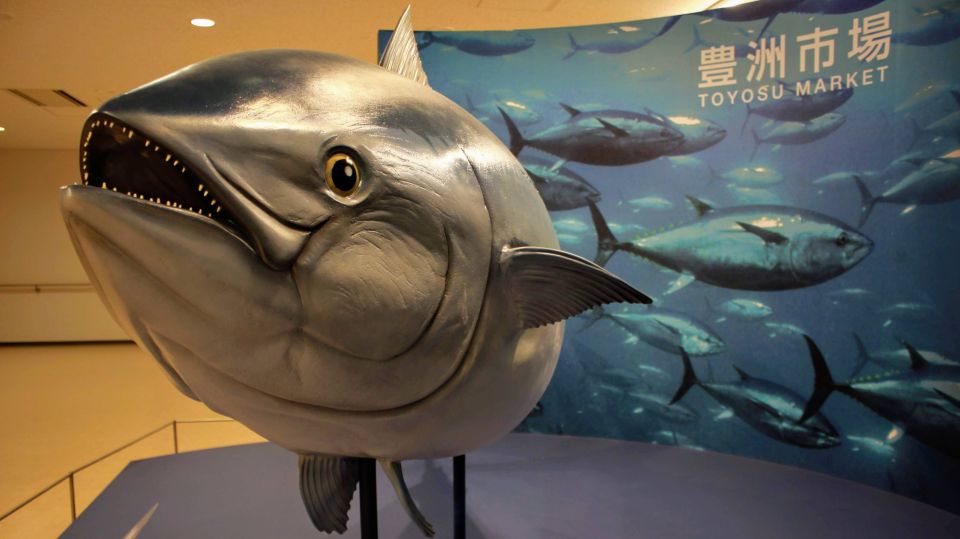
Toyosu brings a different mood than classic Tsukiji. It’s more modern in layout and how the seafood world functions. For you, that usually means the opportunity to see how Tokyo handles large-scale seafood distribution, and then sample the simpler street-level side of that food culture.
What I like about starting with Toyosu is the way it sets your brain up for the rest of the day. Once you understand the basics—what kinds of items show up, how people move, and what “market food” really means—you’ll shop and eat with more confidence later.
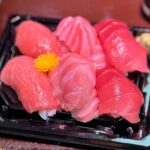
In practical terms, expect a guided walk through the areas you’re most likely to enjoy, then stops for tasting or snack-style food. The exact food you’ll try can vary because food and drinks are not included, but the intention is consistent: you’ll get fresh, market-linked bites rather than generic tourist snacks.
A consideration: Toyosu and Tsukiji can be cold and crowded, especially early. Dress for layers and keep expectations realistic. You’re coming for food culture and shopping, not a quiet museum visit.
Outer Tsukiji: the street-market feel, plus etiquette and snack strategy
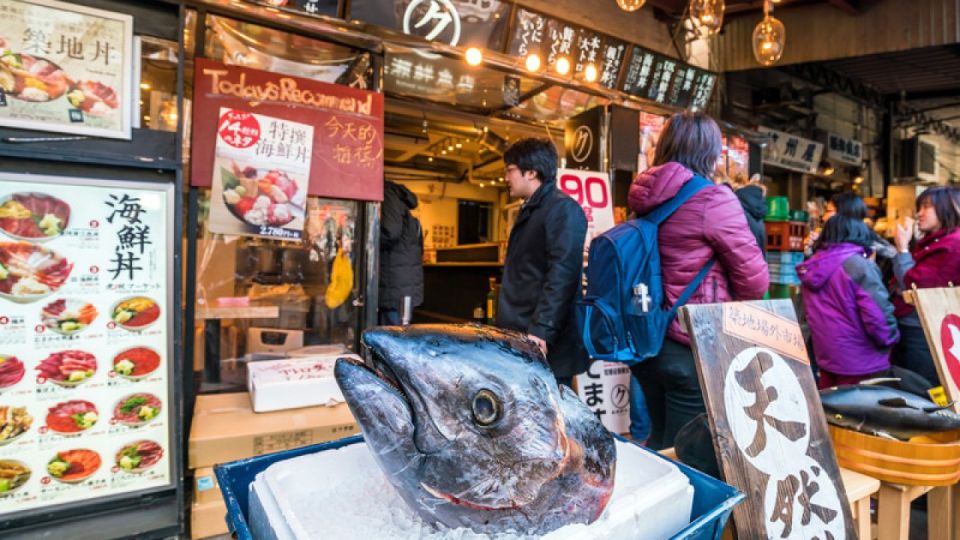
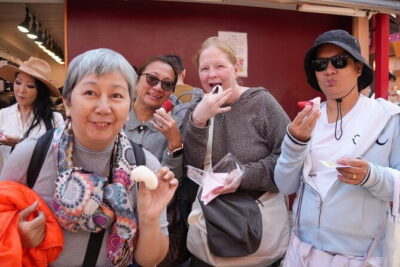
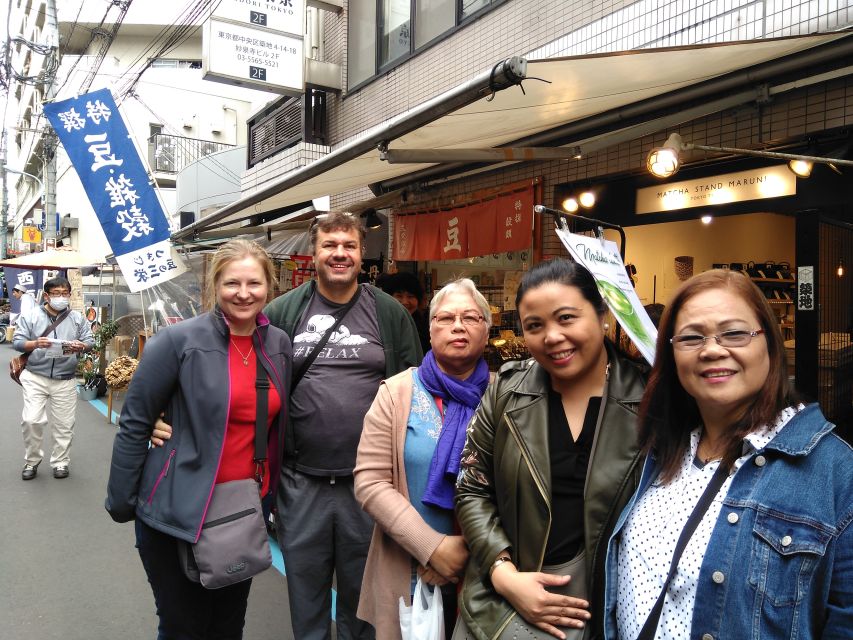
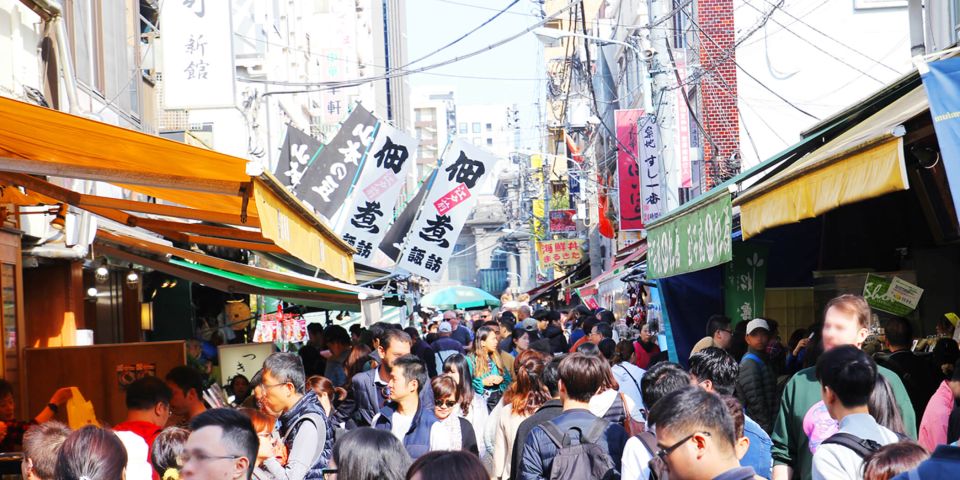
Outer Tsukiji is where the market vibe hits you. It’s not only about seafood. It’s about the surrounding food streets—small counters, quick meals, and the kind of grabbing-a-snack energy that feels very Japanese and very Tokyo.
This is also where a good guide earns their pay. In places like this, you can accidentally do the wrong thing—blocking traffic, stepping into the wrong line, or missing the snack that everyone keeps coming back for. A licensed guide helps you move smoothly and gives you the little cultural cues that turn confusion into confidence.
Guides such as Yasuho Suzuki or Koji Shinjo are often praised for being professional, friendly, and very good at handling the timing inside chaotic areas. That shows up in how the day feels: less scrambling, more eating, and better chances to try the foods that fit your tastes.
What to expect as you walk:
- A guided route through the outer market streets
- Time for tasting and eating in market-adjacent spots
- Explanations that connect what you see to how Japanese cuisine works
One more thing I appreciate: this isn’t presented as a high-pressure shopping day. It’s food-first, and that makes it easier to slow down even when the crowd level rises.
Asakusa shopping street and Ueno’s Ameyoko: food stops between browsing
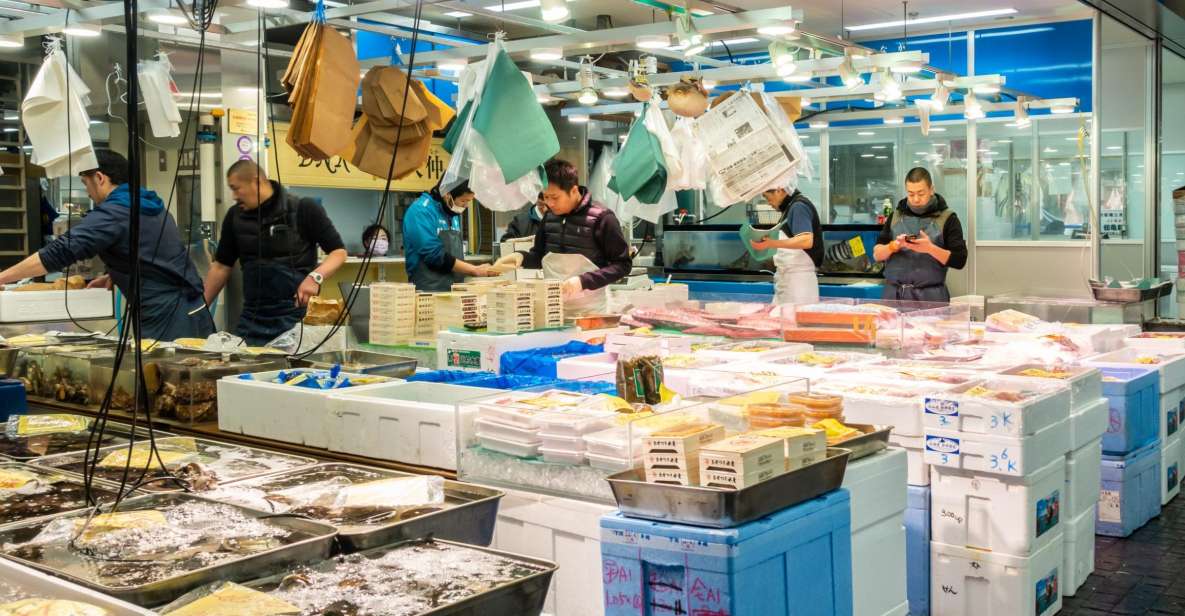
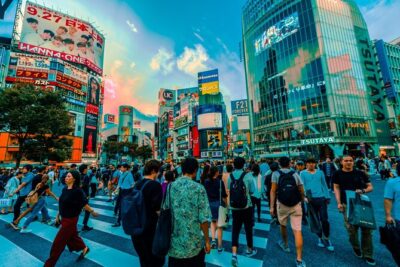
After the seafood-heavy market side, you get a more traditional Tokyo shopping-and-snacking rhythm. Asakusa shopping street leans into old-school street food culture: small storefronts, quick bites, and the feeling that you’re walking through daily life, not a theme park.
Then there’s Ueno’s Ameyoko, a street market area known for variety and casual browsing. Ameyoko is a place where you can look at merchandise, grab snacks, and keep moving without needing a long sit-down meal plan.
Your guide helps here too, especially if you’re using public transport or you’re not fluent in the local transit rhythm. One guide experience that stands out from past guests: Naomi is praised for helping navigate the train system and explaining basics like how to buy a transit card. Even if you already know your way around, that kind of guidance saves stress.
A key reality check: since your tour is rain or shine, don’t expect to linger outdoors forever. Bring a small umbrella or rain shell, and be ready to adjust snack timing if weather makes lines or walking less comfortable.
Kappabashi kitchenware street: the best souvenir might be a tool
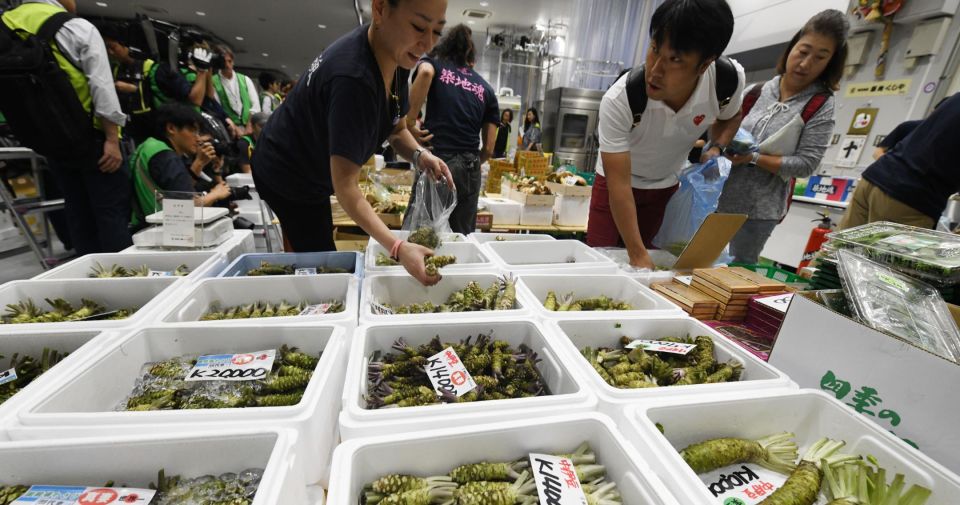
If you’ve ever visited Tokyo and wished you could take home something more useful than a mug, Kappabashi is where the odds improve. This is Japan’s kitchenware wonderland, with shops full of knives, cookware, and the famous fake food displays that look so real you’ll do a double take.
What makes Kappabashi special on a food-focused tour is that the shopping has a theme. You’re not just buying objects; you’re connecting the market’s food culture to the tools that make that food possible.
For shoppers, the guide angle matters because Kappabashi isn’t just about walking in and grabbing the first thing you see. It’s about knowing what to look for—what categories exist, what styles are sold, and how to choose items that fit your real budget and cooking goals.
Also, it’s easy to overspend if you’re not careful. Kappabashi can be tempting. If you have limited luggage, set a spending rule beforehand. The tour experience is more satisfying when you treat shopping like a focused hunt instead of an impulse spree.
You can also read our reviews of more tours and experiences in Tokyo


Customizing your day: from Tsukishima Monja Street to Yanaka Ginza
One of the best parts of this tour is that you can choose the areas you want from a list. That’s huge in Tokyo, where “the main sights” can be overwhelming. If you already know you love street food, you can bias your day toward places like Tsukishima’s Monja Street. If you want a calmer shopping street feel, Yanaka Ginza can give you a different Tokyo mood.
Here’s what this choice lets you do:
- Match your day to your taste: seafood-heavy, street-food-heavy, or shopping-heavy
- Reduce time wasted on areas you don’t care about
- Get a route that makes sense for your energy level
In past guide experiences, Michio and Sekimoto are praised for being patient and accommodating, including adjustments to what you plan to do during the day. That kind of flexibility is a real advantage if you’re traveling with family or if your interests shift after seeing how the markets actually feel in person.
A quick consideration: customization still has limits because you’re covering walking distances and multiple areas in one day. On the 6-hour option, plan for about 3–4 stops. On the 4-hour option, plan more like 2–3 stops.
Getting around Tokyo on foot: why pacing and transit costs matter
This tour runs on public transportation or taxis between stops, and you pay those transport costs separately. That means the day’s total budget isn’t only the per-person tour price. Still, it can be good value because you’re paying for the guide brain and local timing, not for a package that covers every train ride.
Walking is a big component. Your comfort depends on your shoes, your ability to stand and walk for several hours, and your willingness to move through crowded market aisles.
Two practical tips:
- Plan for a snack rhythm. Don’t wait so long between bites that you lose interest in food tasting.
- If the weather turns, keep expectations realistic. Rain or shine means you’ll keep moving, but you can slow down where it’s safer.
Meeting up is also simple. Your guide waits in your hotel lobby or at a train station you request 10 minutes before pickup. If you’re trying to meet near a specific landmark instead of your hotel, send that detail clearly in advance so the start isn’t a game of phone tag.
One more logistics note: the tour may not be fully confirmed until the guide contacts you, and updates can happen within about a week. If you need certainty far in advance, plan accordingly.
Price and value: is $141 per person a fair deal for a 6-hour private tour?
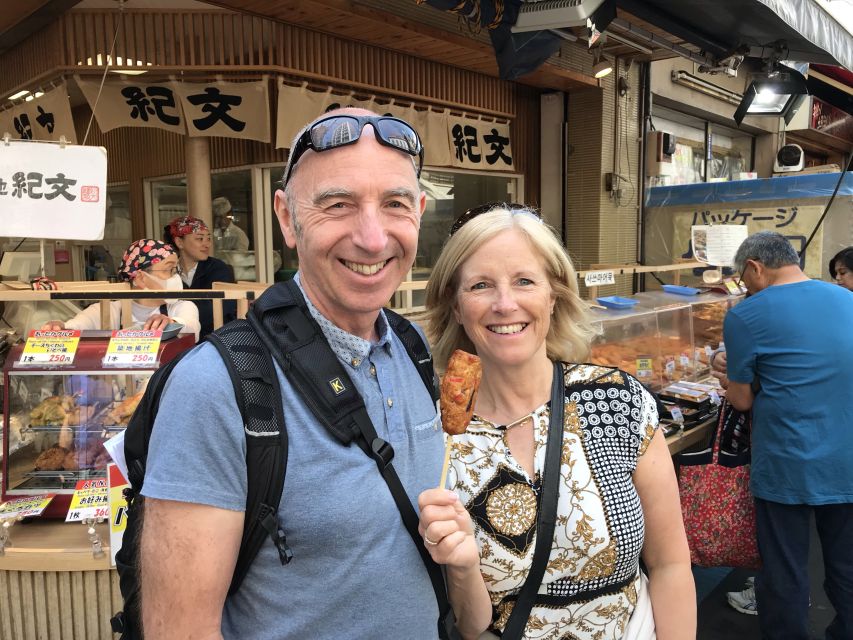
$141 per person for a 6-hour private food and culture tour is a reasonable price when you break down what you’re buying.
You’re paying for:
- A licensed local guide (not a generic escort)
- A private experience that can be adjusted to your chosen areas
- A walking-based route that helps you actually access markets efficiently
- Cultural context that makes eating decisions easier in places like Tsukiji and Toyosu
Food and drinks not included is the main cost-shift. But that can be smart for you, because you choose what you eat. Market food can range from light snacks to full meals, and a fixed included meal can sometimes force the wrong level of spending.
The other extra cost is transportation during the tour. Since those rides are separate, your final total depends on where your hotel is and how your guide moves between stops. Still, you’re not paying for a private driver plus guide plus everything. You’re paying for local guidance plus a route that uses efficient Tokyo movement.
So the value question comes down to this: do you want to spend your precious Tokyo time figuring out where to go and what to eat in the markets? If not, the guide-guided structure is often worth it.
What the best guides do: pacing, safety, and making you feel at ease
Across many guide experiences tied to this tour style, the most praised qualities are practical: organization, friendliness, and the ability to guide confidently through complex areas.
You’ll feel it in three ways:
- The day runs with a sense of flow, not constant stop-and-start confusion
- Your guide handles crowd movement and routing so you can focus on food and browsing
- You can ask questions and get explanations that connect what you see to Japanese food culture
There’s also a recurring theme of patience—especially in market settings and when families or mixed-age groups are involved. Guides like Kenji Kasama are praised for building itineraries around specific requests, and that matters because you get fewer wasted steps.
If safety is a concern, it helps that some guides are noted for being punctual and careful on public transportation. Even if you’re comfortable in Tokyo, it’s still a relief to have someone local manage the transitions between stations and areas.
Who this Tokyo Tsukiji and food culture tour suits best
This tour fits best if you:
- Want food-focused Tokyo without doing homework first
- Enjoy markets but want help with etiquette, routing, and snack strategy
- Prefer private pacing so you can ask questions and choose your own areas
- Plan to shop for useful items at Kappabashi rather than only taking photos
It may not be ideal if you:
- Refuse to walk for long stretches
- Expect food and drinks to be fully included
- Want a calm, low-crowd vibe all day
If you’re traveling with mobility needs, the tour is listed as wheelchair accessible, which is a plus when you’re comparing Tokyo options.
Should you book this private Tokyo food and markets tour?
Book it if you want a day that turns Tokyo markets into an actual plan: you’ll see Toyosu and Outer Tsukiji, then connect the food theme to Asakusa, Ueno’s Ameyoko, and Kappabashi-style shopping. With a licensed guide and private pacing, you’re paying for smarter choices and fewer wrong turns.
Skip it or consider a shorter option if you know you can handle markets on your own, or if you want a meal-heavy day where food is fully included. Because food and drinks aren’t part of the tour price, your enjoyment depends on how willing you are to spend along the way.
If you book, do one thing that makes a huge difference: choose your sites from the start. You’ll get a better route and a day that matches your interests instead of a generic checklist.
FAQ
How long is the tour?
You can choose a private 4-hour or 6-hour tour option. The longer option typically allows you to see about 3 to 4 sites, while the shorter one usually covers about 2 to 3 sites.
What’s included in the price?
The price includes a private 4- or 6-hour tour, the services of a licensed local guide, and meet up on foot within Tokyo’s 23 wards.
What’s not included?
Food and drink, entrance fees, and public/private transportation fees during the tour are not included.
Will I need to pay for transportation during the tour?
Yes. The tour uses public transportation or taxis, and you will need to pay those transport costs separately.
What sites can I choose from?
From the options listed, you can choose areas such as Toyosu Market, Tsukiji Old Fish Market, Kappabashi Street, Tsukishima’s Monja Street, and Yanaka Ginza.
Does the tour run in bad weather?
Yes. The experience takes place rain or shine.
What’s the cancellation policy?
You can cancel up to 24 hours in advance for a full refund, and you can reserve now and pay later.