REVIEW · TOKYO
NIKKO PASS world heritage area
Book on Viator →Operated by TOBU TOP TOURS CO., LTD. · Bookable on Viator
Nikko gets a whole lot easier. This NIKKO PASS is built for the UNESCO shrine-and-temple area around Nikko (and out toward Kinugawa), with local transport help that keeps you from wrestling transfers all day. I like that you can start from Asakusa, then move through Nikko’s main stops using the pass’s bus and train coverage instead of piecing together a new plan every time.
The big consideration: the pass helps with getting around and some discounts, but it does not include shrine and temple admission fees, so your value depends on how many paid sites you actually want to enter (and whether you’d rather buy an express ticket for speed).
In This Review
- Key things I’d zoom in on
- Why this Nikko pass is worth thinking about
- Picking up your pass at Tobu Tourist Information Center Asakusa
- From Asakusa toward Nikko: local trains that keep you on track
- Using the Tobu buses: the pilgrimage route convenience
- A practical way to plan your two days
- Day 1: Get into the Nikko core and start your shrine circuit
- Day 2: Revisit, add another cluster, and use discounts
- What’s included vs. what you still pay for
- Walking, steps, and how to not lose your day
- Timing, seasons, and why your travel month matters
- Value check: is it cheaper than just buying trains?
- Who should book this pass
- Should you book the NIKKO PASS World Heritage Area?
- FAQ
- Do I need a non-Japanese passport to use the NIKKO PASS?
- How long is the pass valid?
- What transportation is included from Tokyo?
- Can I use the pass on buses in Nikko?
- Can I ride trains within the Nikko area?
- Are shrine and temple entrance tickets included?
- Are Limited Express and JR train fees included?
- Where do I pick up the pass?
- Are there discounts with the pass?
- What happens if I cancel?
Key things I’d zoom in on
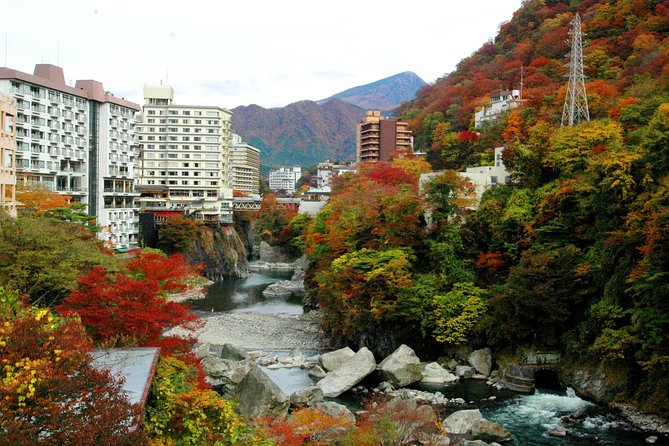
- Asakusa to Shimo-Imaichi roundtrip included, so the Tokyo-to-Nikko leg is simpler than doing everything from scratch
- Unlimited local trains between Shimo-Imaichi and areas like Tobu-Nikko or Shin-Fujiwara
- Unlimited Tobu bus rides for the World Heritage Pilgrimage route, plus rides up to the Rengeishi stop
- Discounts at local attractions and shops, with offers that can vary by season
- Foreign-tourist only: you must present a valid non-Japanese passport on the day you use the pass
Why this Nikko pass is worth thinking about
If you’re visiting Nikko from Tokyo, you’re basically choosing between two styles of travel. One is faster train-and-express hopping. The other is a slower, steadier local-route approach that lets you stop, reroute by bus, and keep your day flexible.
This pass is built for the second style. It’s a two-day, consecutive-day ticket you select during booking, and it’s designed to cover a tight circuit of Nikko’s major shrine areas using Tobu’s local train and bus network. You’re not just buying transportation. You’re buying a rhythm—get into the Nikko region, then follow the area’s shrine-and-stops flow without constantly checking whether your ticket still works.
That matters because Nikko isn’t just one “spot.” It’s a cluster of important sites, and you can waste a lot of energy if you keep breaking your plan. With the pass, you can focus on sightseeing instead of logistics.
You can also read our reviews of more historical tours in Tokyo



Picking up your pass at Tobu Tourist Information Center Asakusa
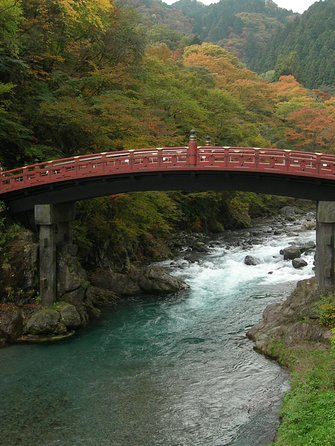
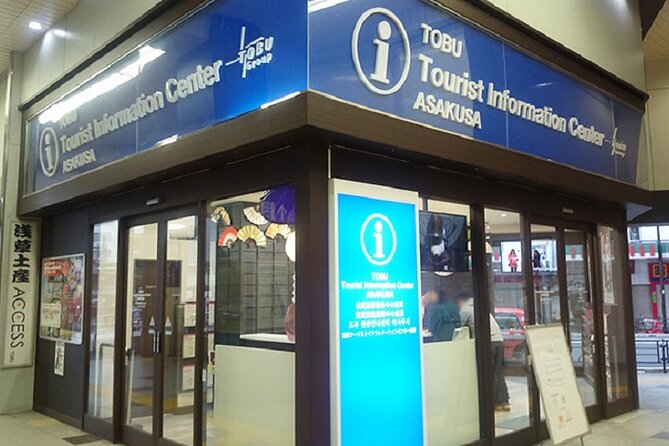
Your starting point is practical: Tobu Tourist Information Center Asakusa, on the 1F of the Tobu Railway Asakusa station area. That’s helpful because you’re not hunting for a random office near a hotel. You’re already at a major rail hub.
The pickup itself is straightforward, and the included ticket is free at pickup. What you should do is plan your day before you go in. Since your pass is valid for two consecutive calendar days starting on the selected date (not 24-hour blocks), it helps to choose the right check-in and travel days—especially if you’re also doing other Tokyo activities.
Also note the pass is for foreign tourists only. You’ll need to show a valid non-Japanese passport on the day of the activity. If you forget it, you can’t use the pass even if you already paid.
From Asakusa toward Nikko: local trains that keep you on track
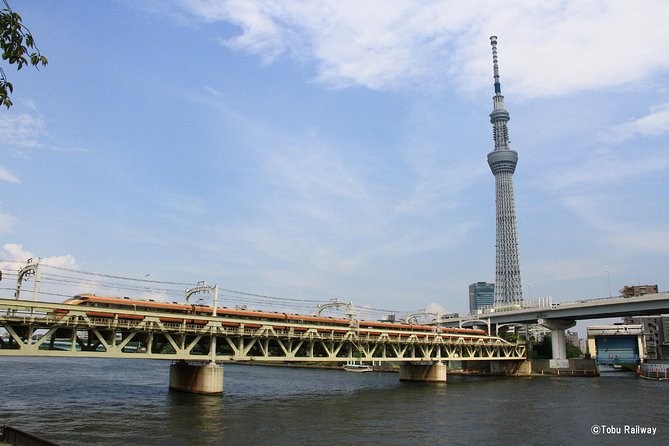
The core transportation value starts right away with the round trip between Asakusa and Shimo-Imaichi by Tobu Railway local trains. That’s the leg you’d otherwise plan carefully, because Nikko is far enough from Tokyo that small planning mistakes become big time-sinks.
From there, the pass also gives unlimited Tobu local train rides between Shimo-Imaichi and Tobu-Nikko, or between Shimo-Imaichi and Shin-Fujiwara. This is where your sightseeing strategy matters:
- If you want the classic Nikko focus, you’ll likely ride toward Tobu-Nikko.
- If you want to arrange your route to match your next bus connections or specific site priorities, Shin-Fujiwara can be part of your plan.
A practical point: local-train travel can mean a longer ride than express options. One common trade-off people talk about is that the express route is faster, while regular local routes take longer. If your main goal is sheer speed, you may question whether the pass is always the best deal. If your goal is steadier pacing and day flexibility, the pass starts making more sense.
Using the Tobu buses: the pilgrimage route convenience
Once you’re in the Nikko area, the pass’s bus coverage is one of the most useful parts. The pass includes unlimited bus rides on the Tobu bus World Heritage Pilgrimage route for the duration of your pass. It also covers unlimited bus rides up to the Rengeishi stop.
Why that’s valuable: many of Nikko’s key shrine areas involve streets and footpaths where you can easily lose time when you’re tired, carrying a day bag, or trying to keep your route logical. The bus doesn’t erase the fact that there’s uphill walking and steps around shrine zones—but it can reduce how much backtracking you do.
This is especially helpful if you’re doing a full day. You can hop on and off as your energy and priorities change, then use buses to connect between stop clusters instead of walking everywhere.
A practical way to plan your two days
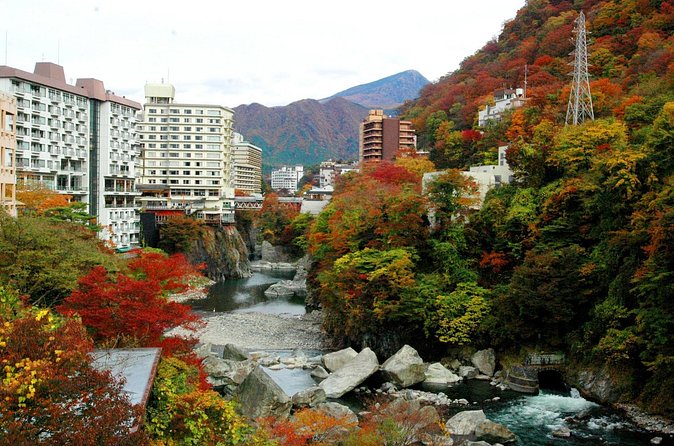
This pass is a “tools for the area” product, not a tightly scripted guided tour. So the best approach is to treat each day like a mini-circuit, using trains to reach the core area and buses to hop between sight groups.
Here’s a sensible flow you can adapt:




Day 1: Get into the Nikko core and start your shrine circuit
Start from Asakusa, use the included train ride toward the Nikko side of the network, and position yourself for the first set of shrine areas you want to tackle. When you arrive in the Nikko-side zone, use the World Heritage Pilgrimage bus route to move between key points without committing to long walks for every transfer.
Build your day around the idea that you’re stacking “nearby wonders.” Nikko’s shrine experiences are often more enjoyable when you don’t rush between distant sections. With the pass, you can slow down and decide as you go.
Day 2: Revisit, add another cluster, and use discounts
On the second day, you can either:
- continue expanding your list of sites, or
- go back to a spot you want more time in.
This is also where the pass can start paying off beyond pure transportation. The pass includes discounts on local attractions and shops. These offers can vary by season, so don’t assume every store or every ticket will have a discount at all times. But if you plan to enter multiple paid sights and stop for a few purchases, having the discount layer can help.
Also remember: some Nikko-area attractions operate seasonally, so it’s smart to check what’s open during your travel window before you build a “must-do” list.
What’s included vs. what you still pay for
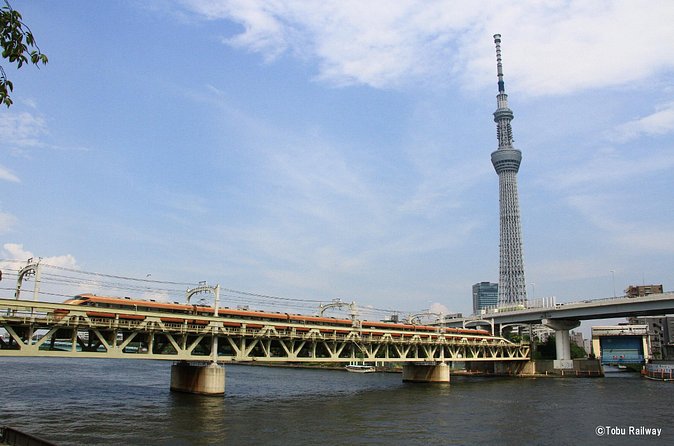
This pass is great at transport and some local savings, but it’s not a full “everything is covered” ticket.
Included
- NIKKO PASS world heritage area (valid for the selected two consecutive days)
- Round trip Asakusa ↔ Shimo-Imaichi using Tobu local trains
- Unlimited Tobu local train rides between Shimo-Imaichi and Tobu-Nikko or Shin-Fujiwara
- Unlimited Tobu bus rides on the World Heritage Pilgrimage route
- Unlimited Tobu bus rides up to the Rengeishi stop
Not included
- Admission to shrines and temples in the Nikko area
- Fees for Limited Express and JR trains
- Food and beverages
This matters for your budget. Even if the pass feels cheap, your total Nikko spend still depends on how many shrine and temple admissions you plan to pay for. If you’re the type who wants to “see from outside” and do only a couple of paid entries, express tickets plus pay-as-you-go entries might work out better. If you’re doing a full circuit, the pass is more likely to feel like a smart buy.
Walking, steps, and how to not lose your day
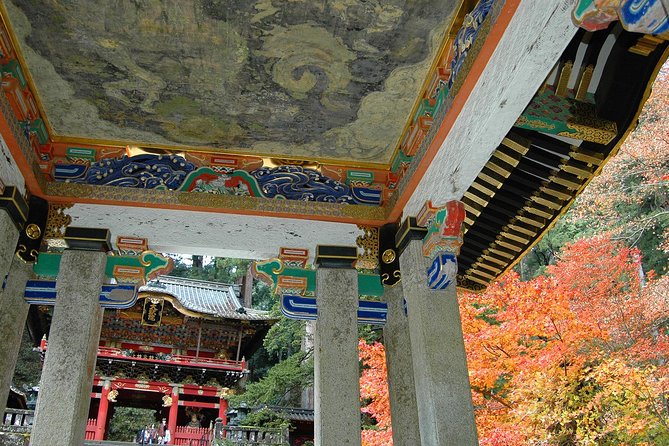
Nikko is beautiful, but it’s also physical. Plan for uphill walking and steps in the shrine areas. The bus help can cut some of the strain, especially for route connections from station zones to shrine clusters.
If you want a smooth day, pack for real walking:
- comfortable shoes with grip
- water
- a light layer, since weather in the region can shift
And keep your pacing honest. If you try to sprint through everything, you’ll spend more time recovering than sightseeing. The pass gives you transport flexibility, but it doesn’t remove the terrain.
Timing, seasons, and why your travel month matters
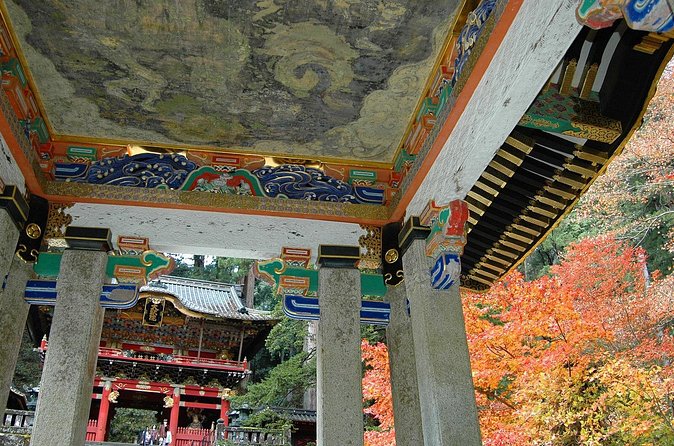
The pass works year-round in the sense that it’s a ticket product, but the region’s actual attractions are another story. Some Nikko-area sights only operate seasonally. That’s not a reason to skip the pass. It’s just a reason to check before you lock in your “must see” list.
Discounts also vary by season. So if you’re traveling during a quieter or peak period, you may see different deals. Think of the discount feature as a bonus that can improve value, not a guaranteed baseline savings.
Value check: is it cheaper than just buying trains?
At $21.41 per person, this pass can look like a no-brainer—until you compare it to your preferred travel style.
Here’s the balanced way to judge it:
- If you’re going to use a lot of the pass transportation (local trains + multiple bus rides across shrine clusters), the pass usually makes sense because it replaces multiple individual fare buys.
- If you mainly want the fastest route and plan to do just a single cluster, express trains can reduce time cost, and you might not need the pass as much.
- The pass doesn’t cover shrine and temple admission fees, so you’ll still want to budget for entry tickets where applicable.
The sweet spot is a full, relaxed two-day loop: use the bus for connections, use the trains to keep you anchored to the Nikko side, and let the second day expand your sightseeing list without recalculating fares.
Who should book this pass
This pass is a good fit if you:
- want a simple Tokyo-to-Nikko plan with included roundtrip rail to Shimo-Imaichi
- plan to do multiple shrine areas across two consecutive days
- prefer bus-supported moving around instead of walking every connection
- can show a non-Japanese passport on the day you use it
It may be less compelling if you:
- prioritize fastest travel and are comfortable buying Limited Express or JR options
- only plan to enter one or two paid shrine sites
- want a tightly scripted day with less route flexibility
One more small note: the maximum group size is 30 travelers, so while this is essentially a pass, it’s still tied to an organized offering rather than an everything-on-your-own ticket kiosk.
Should you book the NIKKO PASS World Heritage Area?
Book it if you want a low-friction, two-day approach to Nikko’s UNESCO shrine zone and you’re likely to use the local train and Tobu bus circuit more than once. The pass’s real strength is practical: you save time on transportation decisions and you get the bus connections that help you keep moving through shrine clusters without turning your day into a map study.
Skip or reconsider if shrine admissions are your main interest but you’ll only enter a couple of sites, or if you strongly prefer express trains for speed. In that case, the pass might feel like extra coverage you won’t fully use.
FAQ
Do I need a non-Japanese passport to use the NIKKO PASS?
Yes. This pass is only available for foreign tourists with a non-Japanese passport, and you must present a valid non-Japanese passport on the day of the activity.
How long is the pass valid?
Your pass is valid for two consecutive calendar days starting on the date you selected when booking (not 24-hour blocks).
What transportation is included from Tokyo?
It includes a round trip between Asakusa and Shimo-Imaichi by Tobu Railway local trains.
Can I use the pass on buses in Nikko?
Yes. It includes unlimited Tobu bus rides on the World Heritage Pilgrimage route and unlimited bus rides up to the Rengeishi stop.
Can I ride trains within the Nikko area?
Yes. The pass includes unlimited Tobu local train rides between Shimo-Imaichi and either Tobu-Nikko or Shin-Fujiwara.
Are shrine and temple entrance tickets included?
No. Admission to shrines and temples in the Nikko area is not included.
Are Limited Express and JR train fees included?
No. Limited Express and JR train fees are not included.
Where do I pick up the pass?
You pick it up at Tobu Tourist Information Center Asakusa, located on 1F at Tobu Railway Asakusa station.
Are there discounts with the pass?
Yes. The pass entitles you to discounts at local shops and attractions, but the specific discounts vary by season.
What happens if I cancel?
You can cancel for a full refund if you cancel at least 24 hours before the experience’s start time. If you cancel less than 24 hours in advance, the amount paid is not refunded.