REVIEW · TOKYO
Tokyo: Shibuya Vending Machine Adventure Walking Tour
Book on GetYourGuide →Operated by Gappy · Bookable on GetYourGuide
Tokyo’s vending machines are pure street theater. This 90-minute Shibuya walk turns a simple snack hunt into a guided culture lesson, with photo challenges and real practice using the machines. You’ll learn why Japan has so many of them, how to read the labels (including katakana), and how to spot the weird stuff you’d miss alone.
Two things I like a lot: you get actual hands-on help using the machines, not just trivia, and the route is built for variety—from big-name spots like Hachiko Square and Shibuya Crossing to quieter corners where the machines feel more surprising. It’s also the kind of experience where a good English guide can make the whole thing click fast, and guides like Kanta and Mitsuki have been praised for strong English and lively conversation.
One consideration: drinks and snacks are not included. With most options running ¥120–¥200, you’ll likely spend a bit extra if you want to try multiple things (and the point is to try).
In This Review
- Key highlights you’ll feel right away
- Why this Shibuya vending machine tour feels like more than snacks
- Starting at Hachiko: the fastest way to get oriented in Shibuya
- The hunt for weird cans: how the tour keeps you paying attention
- Reading the machine like a customer: katakana and pocket phrases
- Attaka-i vs Tsumeta-i: the Japan-specific skill you’ll use all trip
- Shibuya Crossing and the park stop: famous views with real context
- The vending stamp and photo challenges: make it memorable without overthinking
- Price reality: what ¥120–¥200 means for value
- Getting the most out of it: practical tips before you go
- Who should book this Tokyo vending machine walking tour
- Plan for comfort: timing, walking, and smooth access
- Should you book the Shibuya vending machine adventure?
- FAQ
- FAQ
- Where is the meeting point?
- How long is the tour?
- Is the tour in English?
- What’s included in the price?
- Do I need money for drinks or snacks?
- What should I bring for the vending machine activities?
- Do I need WhatsApp?
- Is the tour wheelchair accessible?
- What’s the cancellation policy?
Key highlights you’ll feel right away
- Hands-on vending practice so you can actually buy like a local, even with katakana labels
- Hot vs cold decoding using Attaka-i and Tsumeta-i, a Japan-specific labeling habit
- Weird-machine scavenger hunts with tasks that push you off the main sidewalks
- Show-and-tell stops like the dashi vending machine with a bottle of soup stock and whole flying fish
- Photo challenges + a vending stamp using a flattened can label or capsule toy for fun proof
Why this Shibuya vending machine tour feels like more than snacks
If you think vending machines are just soda dispensers, Shibuya will fix that idea quickly. In Japan, they sell far more than cold drinks. You’ll see why this is normal street life: people grab hot items, desserts, and even novelty foods on the go.
What I like about this tour is that it keeps the focus on doing. Instead of only pointing, the guide gives you the tools to operate the machines and the little etiquette bits that prevent awkward moments. You’ll also learn how the machines fit into the local rhythm—history, reliability, and why you see them everywhere.
The pacing works for most people. It’s 90 minutes, and the stops are spaced out with short guided moments and clear photo breaks. You end where you started: by Hachiko at Shibuya Station.
You can also read our reviews of more walking tours in Tokyo


Starting at Hachiko: the fastest way to get oriented in Shibuya
You meet at the Hachiko Statue, right at Shibuya Station. This is smart because it anchors you in one of Tokyo’s easiest-to-find landmarks. After that, you walk a tight loop through the area without turning the whole afternoon into a long commute.
At Hachiko Square, you get an early orientation and a photo stop. It’s not just pretty scenery. This is where you learn the tour rhythm: how the guide will point out machines, when you’ll be asked to look for specific labels, and how the photo challenges work.
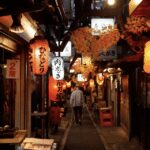
Then you move into the side-street portion of Shibuya. This is where the tour starts to earn its keep. The idea is simple: you’ll find machines that are easy to miss when you’re staring straight ahead at the main flow of pedestrians.
The hunt for weird cans: how the tour keeps you paying attention
A big part of the fun is the scavenger-hunt style. You’re not just walking past vending machines—you’re searching for specific ones and completing small tasks. That matters because you’ll remember the labels and the behaviors, not just the photos.
One highlight is the dashi machine experience. You’ll see a vending setup known for selling whole flying fish in a bottle of soup stock. It’s the kind of sight that makes you stop in your tracks, then immediately makes you curious about how to order.
Another task is the mystery can moment. The challenge is pressing the button even when there’s no label telling you exactly what’s inside. It’s not about being reckless—it’s about learning to handle uncertainty like you’re a regular customer.
This is also where you’ll compare older-style coin machines with newer tech around Shibuya Stream, including AI-powered digital signage. You get a sense of how the same basic idea (buying a drink fast) can look totally different depending on the generation.
Reading the machine like a customer: katakana and pocket phrases
Japanese vending machines can feel intimidating if you only know hiragana and kanji basics. This tour solves that with a mini-lesson on reading katakana product names. You won’t become fluent in Japanese in 90 minutes, but you will learn what to look for so your choices feel controlled instead of random.
You’ll also practice what to say and how to behave. The tour includes etiquette and pocket phrases so you’re not just tapping buttons blindly. That’s a big deal in Japan, where the social rules around paying, receiving, and moving along are usually smooth but still real.
One extra detail that makes the tour practical: you’ll learn the labels that tell you whether something is hot or cold. That’s not trivia. It affects comfort, especially in winter and summer.
Attaka-i vs Tsumeta-i: the Japan-specific skill you’ll use all trip
The tour includes a quick but useful distinction: Attaka-i for hot and Tsumeta-i for cold. This is one of those small Japan habits that makes the vending machine world feel less like a puzzle.
Once you understand those labels, you can shop for the right thing based on the weather instead of luck. In winter, hot items like corn or miso-based soups in a can can feel like a lifesaver during sightseeing. In summer, knowing what’s cold helps with hydration planning without guesswork.
The guide also points you toward seasonal choices. That’s valuable because you’re not just buying an item for the moment—you’re choosing energy and comfort for the next stretch of walking.



Shibuya Crossing and the park stop: famous views with real context
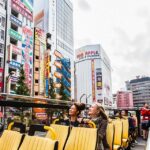
You’ll hit Shibuya Crossing after a hidden-corner stop. The crossing is a photo magnet, but the tour doesn’t treat it like an all-you-can-take postcard. It uses the moment to reinforce what you’re learning: machines are part of the street system, not a separate attraction.
Then you head to Miyashita Park. Here you get guided time plus shopping. This is where you can follow your curiosity beyond vending machines if you want, but the tour still keeps vending culture in the foreground.
If you’re the type who likes to mix iconic Tokyo stops with smaller details, this structure works well. You’re not stuck only in the mainstream crowds. You’re also not spending all your time in detours that don’t show you the bigger city picture.
The vending stamp and photo challenges: make it memorable without overthinking
The tour builds in a simple souvenir habit: keep a flattened can label or a capsule toy as your vending stamp. It’s a clever way to make sure you actually pay attention to what you bought and to create a lightweight collection.
Photo challenges add another layer. They push you to notice details: the machine types, the labels, the signage style, and the small oddities that make Japan vending culture feel different from anywhere else.
If you enjoy taking photos but hate forced gimmicks, this is a good middle ground. The tasks feel tied to the actual machines, not to random points around town.
Price reality: what ¥120–¥200 means for value
The tour costs $41 per person for 90 minutes. That’s a fair price for a guided walk that includes practice using machines plus mini-instruction (katakana reading), photo challenges, and multiple distinct machine experiences.
What you should budget for is separate: paid drinks and snacks are not included. Most drinks typically run ¥120–¥200, but novelty or premium items can cost more.
Here’s how I think about value for this kind of tour:
- You’re paying for the guidance that removes friction.
- You’re paying for the route that gets you to machines you’d likely miss on your own.
- You’re paying for the learning moments that help you order safely and correctly.
If you plan to buy just one item, you can keep extra costs modest. If you want to try several weird options (hot soups, dessert drinks, vitamin jellies, and any premium novelty), your spending will rise. Either way, you’re choosing where the money goes.
Getting the most out of it: practical tips before you go
Shibuya is easy to reach, but vending machines require a little mindset adjustment. Here are a few things that will help your experience feel smooth:
- Bring small cash habits in mind. You don’t need to be prepared for everything, but vending machines are built for quick transactions.
- Think about temperature first. Use Attaka-i and Tsumeta-i to avoid buying something you won’t enjoy.
- Expect variety. You might see hot soups in cans (corn, miso, onion), dessert drinks, and vitamin jellies. Be ready for the menu to feel unusual.
- Do the mystery challenge with curiosity, not panic. The fun is learning how to handle ambiguity like a regular customer.
Also, install WhatsApp. Full tour details are sent the day before via WhatsApp and WhatsApp is required for updates.
Who should book this Tokyo vending machine walking tour
This is a great fit if you want more than a photo stop in Shibuya. I think it works especially well for:
- First-timers who feel nervous about ordering in Japan
- People who love small cultural details that change how you move through a city
- Anyone who enjoys learning by doing, not just listening
The tour is a private group and runs with a live English-speaking guide. That matters because vending machines are visual and label-heavy, and having a guide who can explain quickly keeps the momentum going.
Guides like Kanta and Mitsuki have been highlighted for strong English, engagement, and lots of ground covered, which is exactly what you want on a 90-minute schedule.
Plan for comfort: timing, walking, and smooth access
The route is built around short guided segments and photo breaks, so the pacing stays manageable. Stops include curb cuts and elevators at each point, and machines marked with wheelchair icons have lower buttons.
If you prefer to travel with extra mobility in mind, this kind of setup is helpful. You can focus on the machines and the tasks without constantly worrying about steps or inaccessible corners.
Should you book the Shibuya vending machine adventure?
Yes, if you’re the kind of person who loves learning through everyday life. This tour is built around action: reading labels, buying a drink, hunting for odd machines, and comparing retro coin setups to newer digital tech.
Skip it (or at least lower your expectations) if you only want big-name Tokyo sights and don’t care about vending culture. The crossing and park are part of the route, but the main event is the machine world.
Before you decide, ask yourself one question: do you want to understand how vending machines work in Japan, so you can use them confidently for the rest of your trip? If the answer is yes, this is one of the best-value ways to get that skill in just 90 minutes.
FAQ
FAQ
Where is the meeting point?
Meet at the Hachiko Statue at Shibuya Station.
How long is the tour?
The tour lasts 90 minutes.
Is the tour in English?
Yes. The tour has a live English-speaking guide.
What’s included in the price?
You get a 90-minute guided tour, photo challenges, a mini-lesson on reading katakana product names, and access to Japan’s unique vending machines.
Do I need money for drinks or snacks?
Yes. Paid drinks and snacks are not included, so you’ll need to purchase anything you eat or drink during the tour. Most drinks range from ¥120–¥200, and novelty or premium items can be higher.
What should I bring for the vending machine activities?
Bring your willingness to try different drinks, and keep a flattened can label or a capsule toy as your vending stamp if the guide asks you to use one.
Do I need WhatsApp?
Yes. You’ll receive full tour details the day before via WhatsApp, and WhatsApp is required for updates.
Is the tour wheelchair accessible?
It is wheelchair accessible. Curb cuts and elevators are available at each stop, and machines marked with wheelchair icons have lower buttons.
What’s the cancellation policy?
You can cancel up to 24 hours in advance for a full refund.