REVIEW · TOKYO
Asakusa: TOKYO SKYTREE Exploration after History Tour
Book on Viator →Operated by Arumachi · Bookable on Viator
Skytree views, then the stories behind Asakusa. This 3.5-hour tour pairs a local-led walk through Asakusa with Tokyo Skytree observation deck tickets, so you get both street-level context and serious height. I like the tight route because it helps you get your bearings fast without juggling stations and signage.
I also like that the tour stops at Kaminarimon and Nakamise, turning casual wandering into a short lesson on what you’re actually looking at. One possible drawback: Skytree entry tickets are purchased as soon as you book, and the experience isn’t cancellable or changeable, so you’ll want solid plans for that afternoon.
In This Review
- Key takeaways before you go
- Asakusa and Skytree in one tight 3.5-hour loop
- Price and what’s actually included (and what you’ll pay extra)
- Meeting point, pacing, and how the small-group format helps
- Sumida Park and the Asakusa “why” behind the sights
- From Kaminarimon gate to Nakamise Street: symbols you can spot
- Hozomon and Senso-ji: how prayer and tradition get explained
- The Tokyo Skytree transition: from old Tokyo to skyline Tokyo
- Guide impact: what makes this feel personal
- Who should book this Asakusa–Skytree combo (and who might not)
- Should you book it? My practical verdict
- FAQ
- What’s the duration of the Asakusa and Tokyo Skytree exploration?
- What time does the tour start?
- Where does the tour meet?
- Where does the tour end?
- What’s included in the price?
- What train fare is not included?
- Are the main sightseeing stops free to enter?
- How large is the group?
- Can I cancel or change my booking?
Key takeaways before you go
- Small group (max 8) keeps the walk from feeling like a cattle line
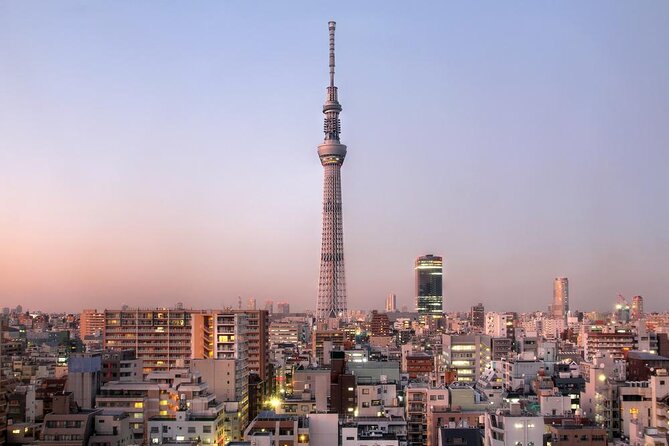
- Skytree combo tickets included for both upper and lower observation decks
- Headsets when the group is 3+ help you hear the guide clearly
- Asakusa stops are built for quick learning: Sumida Park, Kaminarimon, Hozomon, and Senso-ji
- Nakamise shopping time is structured around symbols and local culture
- Your guide sets the tone (you may meet guides such as Taka, Junko Yamashita, Sue, or Keiko)
Asakusa and Skytree in one tight 3.5-hour loop
If you’re short on time but want the classic Tokyo combo, this tour is a smart fit. You’ll walk through Asakusa’s temple-and-shopping streets with a guide, then you’ll ride over to Tokyo Skytree for skyline views and a little time to shop in the complex below.
What makes it feel different from a basic “see the sights” walk is the order. You start along the Sumida River with the background that explains why this part of Tokyo became such a cultural magnet. Then the route moves gate by gate, hall by hall, so the landmarks make sense instead of just being photos on your phone.
You can also read our reviews of more historical tours in Tokyo


Price and what’s actually included (and what you’ll pay extra)
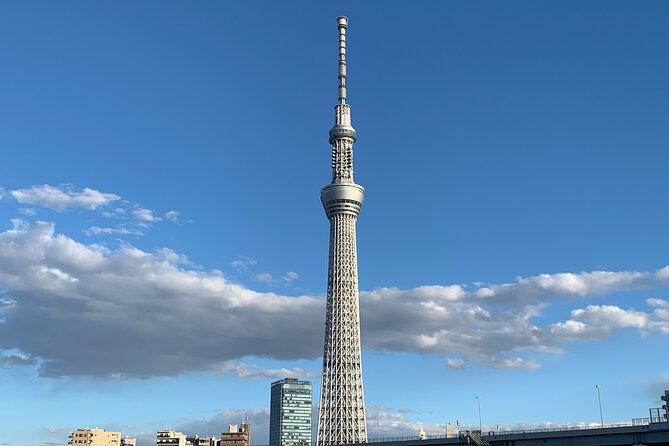
At $118.24 per person, you’re paying for two things: guided value in Asakusa and reserved entry for Skytree’s upper + lower observation decks. That combo matters because Skytree tickets can be tough to secure last-minute, and the tour handles getting you in.
You do have a couple extras to plan for:
- Train fare of JPY160 from Asakusa Station to Tokyo Skytree Station isn’t included.
- There’s no hotel pickup/drop-off, so you’ll show up on your own at the meeting point.
For me, the value check is simple. If you’d otherwise be paying for Skytree tickets and trying to figure out Asakusa on your own, this turns that into one guided timeline with fewer decision headaches.
Meeting point, pacing, and how the small-group format helps
The tour runs from 1:30 pm and meets at 2-chōme-20-6 Kaminarimon, Taito City, Tokyo 111-0034. It ends at Tokyo Skytree (1-chōme-1-2 Oshiage, Sumida City, Tokyo 131-0045), so you’ll be finishing near one of Tokyo’s easiest places to continue exploring afterward.
This is capped at 8 travelers, which changes the vibe. In a small group, your guide can slow down when people ask questions and can point out details you’d usually miss while walking on your own.
Also note the sound setup: for groups of 3 or more, you get headsets. That’s a quiet blessing in Japan’s busy pedestrian areas, where even a loud guide can get swallowed by street noise.
Sumida Park and the Asakusa “why” behind the sights
Stop 1: Sumida Park (about 20 minutes)
You begin along the river, which is a great way to start because the scenery gives your brain a “map in your head.” This stop sets context about Japan’s long period of isolation and the idea of how the country opened to the wider world over time. It’s not heavy lecture mode, but it’s enough background that later religious landmarks feel connected to the bigger story.
Stop 2: Asakusa Culture Tourist Information Center (about 20 minutes)
This is where you get a clear orientation to Buddhism and Shinto, the two major religions you’ll keep bumping into around Asakusa. If you’ve ever wondered why shrines and temples sometimes share space and how worship works differently, this kind of primer helps you follow what you see rather than just admire it.
From Kaminarimon gate to Nakamise Street: symbols you can spot
Stop 3: Kaminarimon (about 15 minutes)
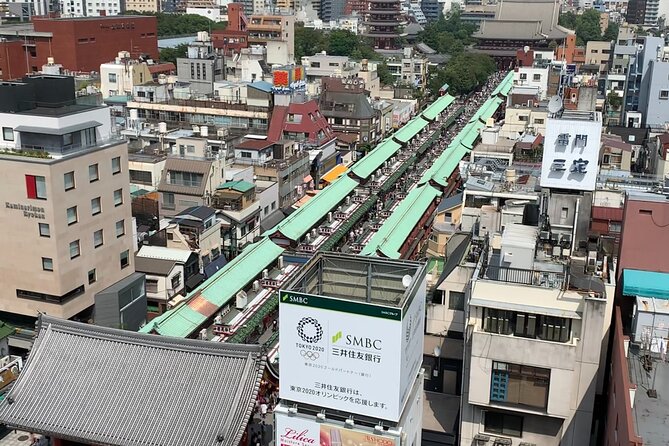
Kaminarimon is the big, iconic gate people recognize right away. What makes your time there worthwhile is what the guide points out about the dragon comparison between Japanese and Western traditions, and how the dragon’s role flips depending on cultural context. You’ll leave knowing what you’re looking at instead of just photographing the lanterns.
Stop 4: Nakamise Shopping Street (about 40 minutes)
Nakamise is where the tour turns into a walking lesson plus a shopping stroll. You’ll learn about Buddhist symbolism, including the vajra (tokko), and how ukiyo-e woodblock prints had a world-changing impact. That’s the kind of explanation that pays off when you see souvenir stalls, because suddenly those decorative motifs stop being random.
Practical note: this is the part where you can slow down. You’ll likely be tempted by snacks and small gifts, but the guide keeps you from getting lost in the fun maze. Use the shopping time to pick one or two items you genuinely want, not just whatever fits in your pocket.






Hozomon and Senso-ji: how prayer and tradition get explained
Stop 5: Hozomon (about 15 minutes)
Hozomon is one of those dramatic temple-front scenes that makes you pause. Here, the guide highlights a surprising comparison: ideas people held in Japan and the West long ago were sometimes similar, even if the details differed. It’s a reminder that cultures exchange thoughts in indirect ways, even when they aren’t directly connected.
Stop 6: Senso-ji Temple (about 15 minutes)
Senso-ji is Tokyo’s oldest Buddhist temple, and you’ll hear how it connects to broader medieval traditions, including comparisons between how people practiced belief in different regions. The most useful angle for your visit is the explanation of how prayer differs in Buddhism and Shinto. Once you understand the difference, watching worshippers makes more sense—what they’re doing, what they’re hoping for, and why it looks the way it does.
Stop 7: Asakusa Shrine (about 15 minutes)
This is a standout for anyone who thought shrines and temples were always separate. Asakusa Shrine ends the walking sequence at a place where Shinto and a Buddhist temple share the same grounds peacefully for over a thousand years. You’ll learn why that peaceful coexistence works, and it’s a great closer before you jump to Skytree.
The Tokyo Skytree transition: from old Tokyo to skyline Tokyo
At this point, you take the train from Asakusa Station to Tokyo Skytree Station, and the JPY160 fare is on you. The ride is part of the experience: it’s the quick switch from the grounded, low-rise texture of Asakusa into one of Tokyo’s tallest modern symbols.
Stop 8: Tokyo Skytree (about 1 hour total on site)
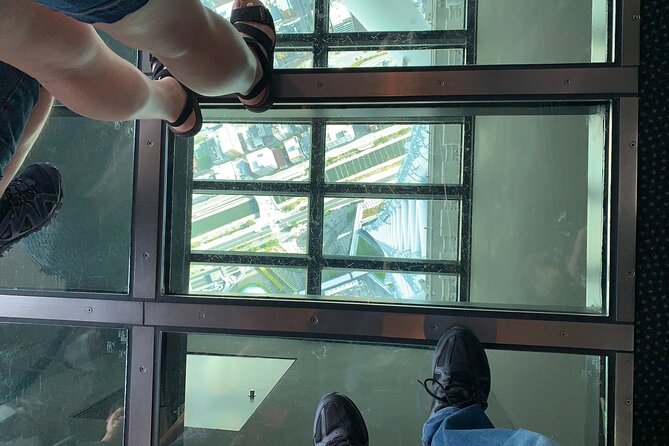
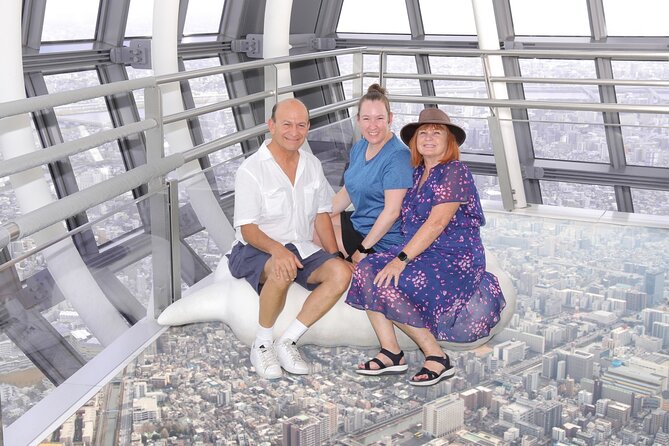
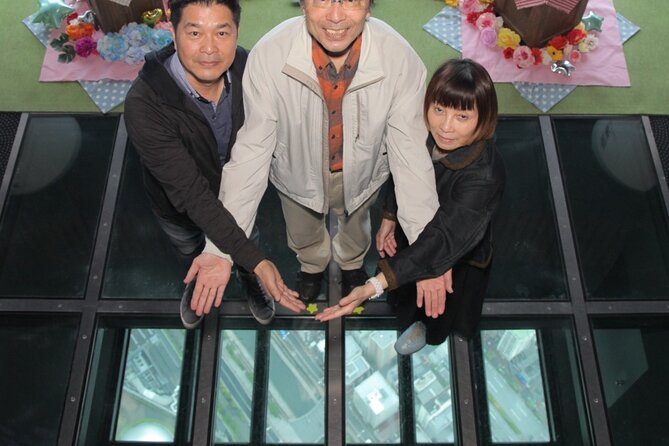
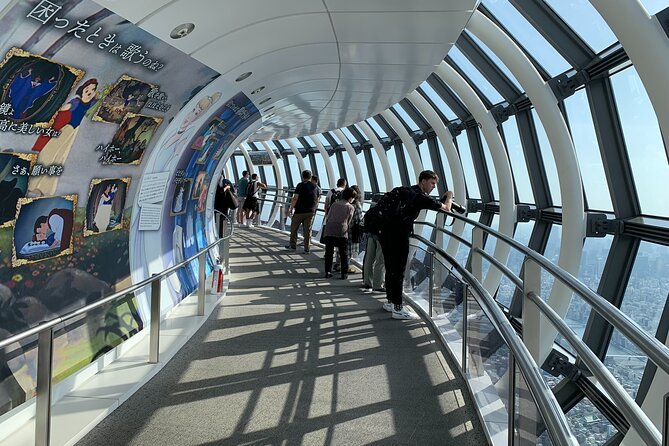
You’ll go up to two observation decks with your included Skytree combo tickets (upper and lower). The value here is not just the height—it’s the way the decks give you layered perspective. You’ll get a close-to-the-city feel up close on one deck, then a broader panorama higher up that helps you understand Tokyo’s sprawl and river/rail lines.
After the decks, you’ll have time to shop and explore in the Skytree complex below. This matters because it stops Skytree from feeling like a quick elevator-and-go. Even with one hour, you can grab a snack or souvenir without rushing through everything.
Guide impact: what makes this feel personal
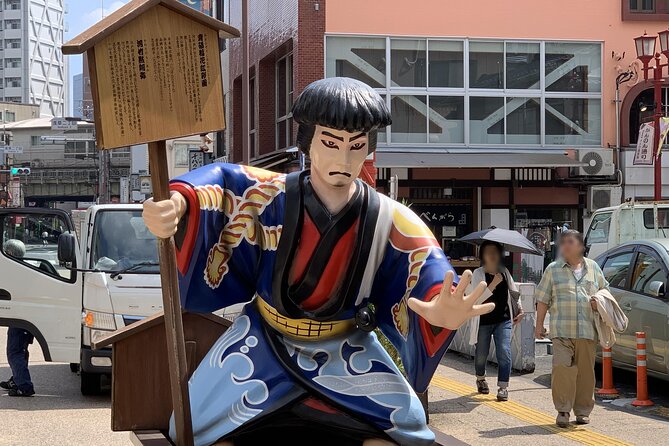
You’re walking with a local guide, and multiple guides have been praised for doing the basics well: clear explanations, friendly energy, and strong English in particular cases. Names you may see associated with this tour include Taka, Junko Yamashita, Sue, and Keiko.
More important than names is how those guides are described: they answer questions, adjust pace so people aren’t sprinting, and connect the landmark details to what worshippers actually do. One review-style theme that you can expect in practice is the guide treating the religious spaces with care, including how prayer is performed and what that means in context.
If you like asking why something looks the way it does, this format rewards you. A small group plus a guide who sticks to explanations rather than just pointing is the difference between a checklist walk and a “now I get it” day.
Who should book this Asakusa–Skytree combo (and who might not)
This tour is a strong match if:
- you’re visiting Tokyo for the first time and want Asakusa context without researching everything
- you want a small-group experience instead of crowds moving as one blob
- you plan to see Skytree anyway and want the tickets handled in advance
- you’re traveling with family members who prefer a clear plan and not too much wandering
It may be less ideal if:
- you need total flexibility on your schedule, because the Skytree date can’t be changed once tickets are bought for your booking
- you already know Asakusa deeply and don’t need a structured route with explanations
- you’d rather spend half a day in Asakusa itself and go slower on shopping and side streets
Should you book it? My practical verdict
Book it if you want a smart, time-efficient day that mixes meaning with views. You’re paying for guided storytelling in Asakusa plus Skytree entry for both decks, and the small-group size keeps the day from feeling rushed.
Skip it or think twice if your plans might change, because Skytree ticket dates are tied to your booking and the experience isn’t refundable or changeable. If your afternoon is locked in, this is the kind of tour that helps you understand what you’re seeing rather than just collecting stamps.
FAQ
What’s the duration of the Asakusa and Tokyo Skytree exploration?
The tour is listed at about 3 hours 30 minutes.
What time does the tour start?
The start time is 1:30 pm.
Where does the tour meet?
You meet at 2-chōme-20-6 Kaminarimon, Taito City, Tokyo 111-0034, Japan.
Where does the tour end?
The tour ends at Tokyo Skytree (1-chōme-1-2 Oshiage, Sumida City, Tokyo 131-0045).
What’s included in the price?
You get Tokyo Skytree combo tickets for the upper and lower observation decks. If your group is 3 or more, you also receive headsets so you can hear the guide clearly.
What train fare is not included?
The JPY160 train fare from Asakusa Station to Tokyo Skytree Station is not included.
Are the main sightseeing stops free to enter?
The itinerary lists admission for multiple stops (like Sumida Park, Kaminarimon, Hozomon, Senso-ji Temple, and others) as free.
How large is the group?
The maximum group size is 8 travelers.
Can I cancel or change my booking?
The experience is not refundable and cannot be changed. Skytree ticket dates are purchased as soon as you book, since tickets sell quickly.