REVIEW · TOKYO
Matcha Kimono Tea Ceremony in Tokyo
Book on Viator →Operated by Matcha and Kimono Experience in Tokyo · Bookable on Viator
A quick kimono change, then matcha magic. In Shinjuku, the easy-to-wear kimono feels like a cheat code, and the first-flush matcha tasting plus etiquette lesson makes the culture click. The only catch: in 90 minutes it is a short introduction, not a full formal tea ceremony.
The group stays small (max 10), and the host guides you step-by-step so you can ask plenty of questions. You also get snacks and a welcome drink, and the instructor takes photos so you leave with more than just a taste memory.
In This Review
- Key things I’d pay attention to
- Matcha and Kimono in Shinjuku: why this workshop works
- Easy-to-wear kimono: what you get and why it matters
- Before the lesson: snacks, welcome drink, and a smooth start
- The tea lecture: types of tea, Teaism, and etiquette
- First-flush matcha: the tasting game you’ll remember
- Making matcha the traditional way: tools, technique, and manners
- Photos and the small-group feel
- Value check: is $59.46 worth it?
- Who should book this (and who might want something else)
- FAQ
- FAQ
- How long is the matcha and kimono tea ceremony in Tokyo?
- Where does the experience take place, and where does it end?
- What is included in the price?
- Do I need to bring anything like socks?
- Is matcha always traditional, or are options available?
- How big is the group?
- Do I need to arrange my own transportation?
- What if I’m late?
- Can I cancel if my plans change?
- Should you book this matcha and kimono workshop?
Key things I’d pay attention to
- Easy-to-wear kimono setup that takes far less time than a traditional kimono dressing session
- Tatami etiquette basics, including the socks rule (and the fact you can buy them on-site if you forget)
- First-flush matcha tasting using your senses—eyes, nose, and tongue—so you learn how to choose
- A practical matcha-making session with tea tools rental and guidance on proper manners
- Decaf and Terror matcha options available, if you want a different route than the classic style
- A small-group, question-friendly workshop with an English-speaking host who also helps with photos
Matcha and Kimono in Shinjuku: why this workshop works
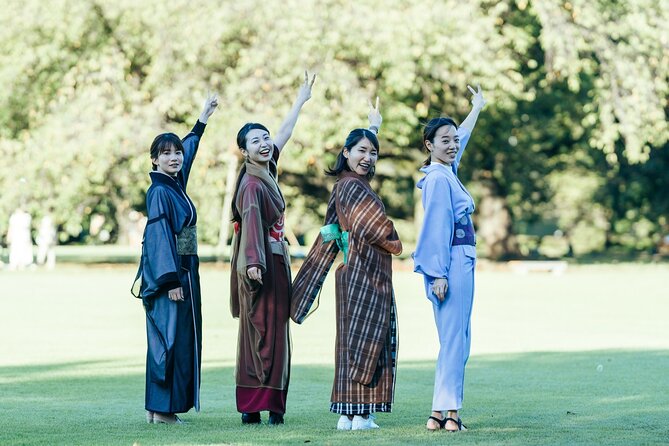
If you want Japanese culture that is hands-on (not just a museum talk), this matcha and kimono workshop hits the sweet spot. You get the full visual experience of a kimono, then you sit down and learn why tea matters in Japan—how it is made, how it is served, and what people mean by tea ceremony philosophy.
What I like most is that the experience is structured so you are never lost. The host sets the pace, explains the differences among teas (green, black, and Chinese teas are mentioned), and then gets you making matcha using the proper tools. It is short, yes—but it is not vague.
You can also read our reviews of more tours and experiences in Tokyo.



Easy-to-wear kimono: what you get and why it matters
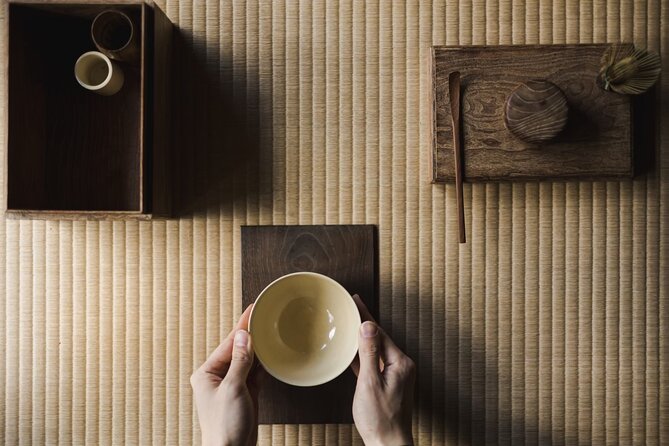
Kimonos can sound intimidating when you picture the full dressing process. Here, the kimono rental is specifically designed to be easy to put on quickly, and that is a big deal if you are squeezing this into a busy Tokyo day.
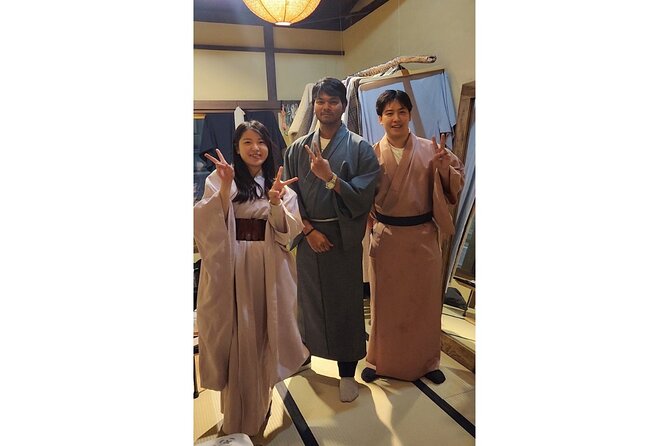
You change into a comfortable, stylish kimono before the lecture starts. The workshop setup is practical, and the host helps you with the fit and wearing it the right way. Reviews also point out that the dressing part feels relaxed, with the host doing the heavy lifting so you can focus on enjoying the moment rather than wrestling fabric.
One small consideration: you are on a tatami room during the ceremony portion, so you need socks. The rule is simple—wear socks at the tatami room—and if you forget, you are asked to buy them at the workshop place. Plan socks in advance and you will feel stress-free.
Before the lesson: snacks, welcome drink, and a smooth start
This session is built to feel like you are settling in, not being ushered through a checklist. You get Japanese traditional snacks and a welcome drink (coffee and/or tea, plus matcha as part of the tea experience).
That matters because matcha is easy to overthink. When you have something to nibble and a calm setup, you taste with curiosity instead of pressure. You can focus on the teaching and the sensory part that comes later.
The tea lecture: types of tea, Teaism, and etiquette
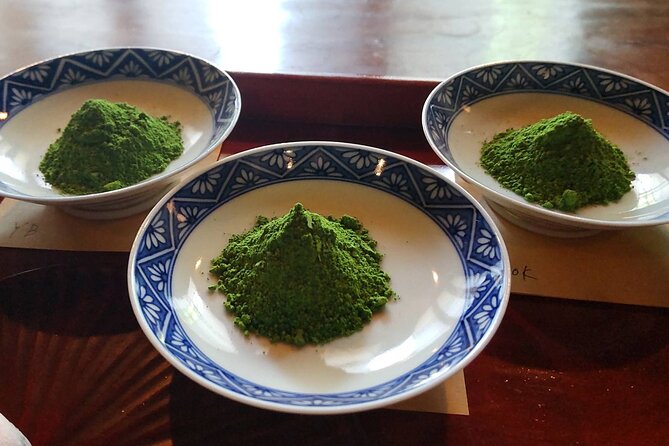
Once you are seated, the workshop shifts into a guided lecture format. You learn about tea varieties and their cultural importance in Japan, including differences between Japanese and overseas matcha. The key point is that matcha is not just green powder—it is a specific product and a specific way of preparing it.
The workshop also covers the philosophy behind tea ceremony, often described through the idea of Teaism, plus basic manner and etiquette for drinking matcha. This is where the class earns its keep: it gives you language for what you are doing. Instead of thinking, okay I made a cup, you understand why the steps and gestures matter.
I also appreciate that the host is interactive. The format is designed so you can ask plenty of questions, and the host helps make complicated tea concepts feel approachable. Reviews repeatedly highlight patience and clear English, so it is not one of those experiences where you nod along but miss the point.
First-flush matcha: the tasting game you’ll remember
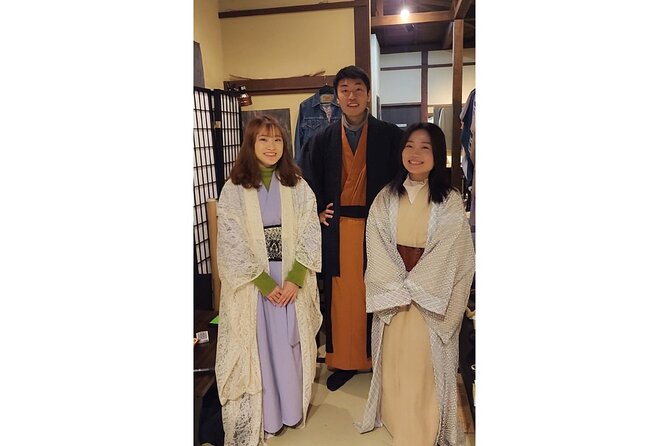
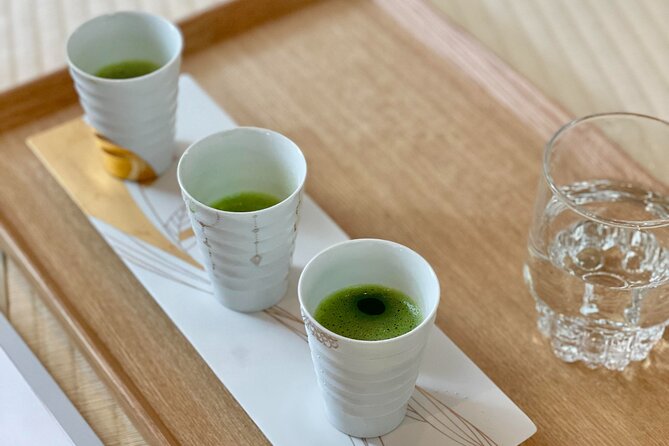
One of the most distinctive parts is the matcha tasting setup. This workshop emphasizes an exclusive first flush matcha—described as the highest quality—and it comes from an internal 100+ matcha collection from across Japan.
You do not just get handed one flavor and told to enjoy it. You explore matcha using your eyes, nose, and tongue. That sensory approach is more than a fun activity: it teaches you how to evaluate matcha like a person who actually cares about quality.
You also learn the difference between matcha and other kinds of teas, including how matcha relates to green tea (they are not the same thing in practice or results). The goal is that you can walk out with a better sense of what you like and why.
If you are worried matcha might taste too bitter, take note: the workshop lists options including decaf and a Terror matcha option. That means the experience is built for different preferences, not just the traditional crowd.






Making matcha the traditional way: tools, technique, and manners
After the lecture and tasting, you get to experience the hands-on part. This is the moment that makes the workshop more than a cultural show.
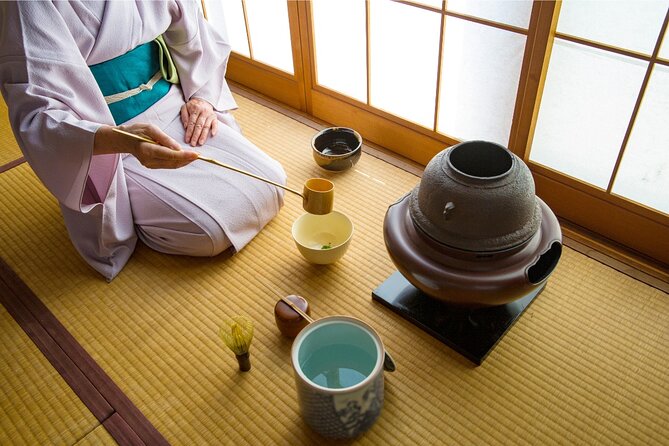
You prepare a bowl of matcha using tea tools that are rented for the session. You learn how to make a beautiful bowl of matcha the traditional way, and you also learn the basic manners of how to drink it properly.
What you should expect here is guidance, not a pressure test. The host walks you through the process, and the small-group size makes it easier to get help if something feels off. Reviews specifically mention learning the proper way to make matcha and the right etiquette for drinking it, which is exactly what you want from a workshop like this.
Practical tip: take your time during the making portion. Matcha gets better when you focus on the steps rather than rushing for the end result. Even if you are new to matcha, you should leave understanding what you did and how to repeat it later.
Photos and the small-group feel
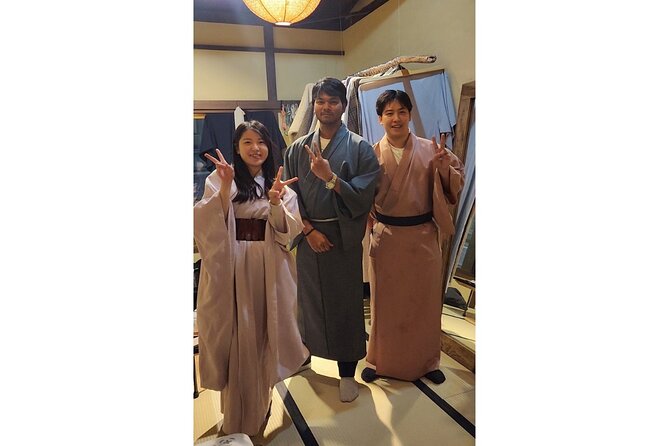
This experience includes photos taken by the host. That is a small detail, but it changes the whole vibe. You do not have to rely on your phone camera timing your bowl moment, and you get a reminder of the kimono and the tea setup.
The workshop caps at 10 travelers, which keeps the experience from feeling crowded or rushed. For something like kimono wearing plus tea tools handling, more space and more attention usually means a smoother experience.
Value check: is $59.46 worth it?
At $59.46 per person, this is not the cheapest thing in Tokyo, but it is also not priced like a private instructor session. The value comes from what you actually receive in 1.5 hours:
- Easy-to-wear kimono rental
- Tea ceremony tools rental
- Tea experience elements, including tasting and preparing matcha
- Japanese traditional snacks
- Welcome drink
When you add it up, you are paying for materials and guided teaching, not just sitting and watching. And because it is in Shinjuku—near public transportation—you are also saving time getting there and back.
One thing to watch: private transportation is not included. You are expected to handle your own getting to the meeting point, and the experience ends back at the meeting point. If you are staying nearby, it is easy. If not, plan transit time so you do not feel late or rushed.
Who should book this (and who might want something else)
This workshop is a great match for:
- You want a hands-on cultural experience that is short enough for a packed Tokyo schedule
- You like learning through doing—put on the kimono, then make and taste matcha
- You want an English-speaking host who answers questions and keeps things relaxed
- You like matcha enough to want a deeper sense of quality and style (including first flush)
It may not be your top pick if:
- You expect a long, highly formal tea ceremony lasting multiple stages
- You want private, one-on-one instruction (this is capped at 10)
- You are very sensitive about the tatami socks rule and do not want to buy them on-site
Also, if you are bringing kids, the data says all children attending are fully charged—meaning the session accounts for children participants. Still, you will want to confirm what that means in practice for your group when booking.
FAQ
FAQ
How long is the matcha and kimono tea ceremony in Tokyo?
It runs about 1 hour 30 minutes.
Where does the experience take place, and where does it end?
It starts at MPPG+HH, Shinjuku City, Tokyo, Japan, and ends back at the meeting point.
What is included in the price?
You get easy-to-wear kimono rental, tea ceremony tools rental, Japanese traditional snacks, and a welcome drink that includes coffee and/or tea along with matcha.
Do I need to bring anything like socks?
You should wear socks for the tatami room. If you forget, you are asked to buy them at the workshop place.
Is matcha always traditional, or are options available?
Decaf and a Terror matcha option are available.
How big is the group?
The experience has a maximum of 10 travelers.
Do I need to arrange my own transportation?
Yes. Private transportation is not included.
What if I’m late?
Your reservation is automatically canceled after 10 minutes delay from the starting time, and no refund is accepted in that case.
Can I cancel if my plans change?
You can cancel for a full refund up to 24 hours in advance. If you cancel less than 24 hours before the experience, the amount you paid will not be refunded.
Should you book this matcha and kimono workshop?
Yes—if you want a fast, friendly way to experience Japanese tea culture with real results. The easy-to-wear kimono, the guided etiquette lesson, and the hands-on matcha bowl make this feel practical, not performative.
If you are the type who wants a long ceremony with no shortcuts, you might find 90 minutes a bit condensed. But for most people planning Tokyo days, it is an efficient, memorable way to learn what matcha is really about—then taste and make your own cup.