REVIEW · TOKYO
Walking Tour: Yanaka,Nezu& Sendagi: Tea Ceremony & Old Tokyo
Book on GetYourGuide →Operated by Machinovate Japan Ltd. · Bookable on GetYourGuide
Old Tokyo feels close on this walk. This Yanesen route blends Shitamachi streets with shrines, temples, and a day built around hands-on culture. I really like the tea ceremony with antique tea bowls, and I also love the Asakura Museum stop, especially the rooftop views over Tokyo.
One thing to consider: this is a full, on-foot day with guided segments and timed free time, so it’s best if you’re comfortable keeping a steady pace.
In This Review
- Key Things to Know Before You Go
- Yanaka, Nezu & Sendagi: The Yanesen Tokyo You Actually Want
- Price and What You Get for $135
- Starting at Nippori Station West Exit (And Why the Wrong Station Matters)
- Yanaka Cemetery: A Quiet Guided Walk to Set the Tone
- A Secret Stop for Food Tasting: Where the Day Gets Fun
- Yanaka District Free Time: Use It for Small-Street Tokyo
- Asakura Museum of Sculpture: Art Indoors, Tokyo Views From the Rooftop
- Lunch in Yanaka: Time to Reset (Don’t Overbook Yourself)
- Sendagi: Temples and Park Time for a Change of Pace
- Nezu/Nedu-jinja Shrines: One More Layer of Sacred Tokyo
- Tea Ceremony with Antique Tea Bowls: The Most Personal Part of the Day
- Tips to Make This Yanesen Day Feel Easy
- Who Should Book This Walking Tour
- Should You Book This Yanesen Tour?
- FAQ
- What is the duration of the tour?
- How much does the tour cost?
- Where does the tour start?
- What time does the tour begin?
- Which station should I use: Nippori or Nishi-Nippori?
- Is there an English-speaking guide?
- What is included in the price besides the guide?
- Do we visit a museum?
- Do we do a tea ceremony?
- Is free cancellation available?
Key Things to Know Before You Go
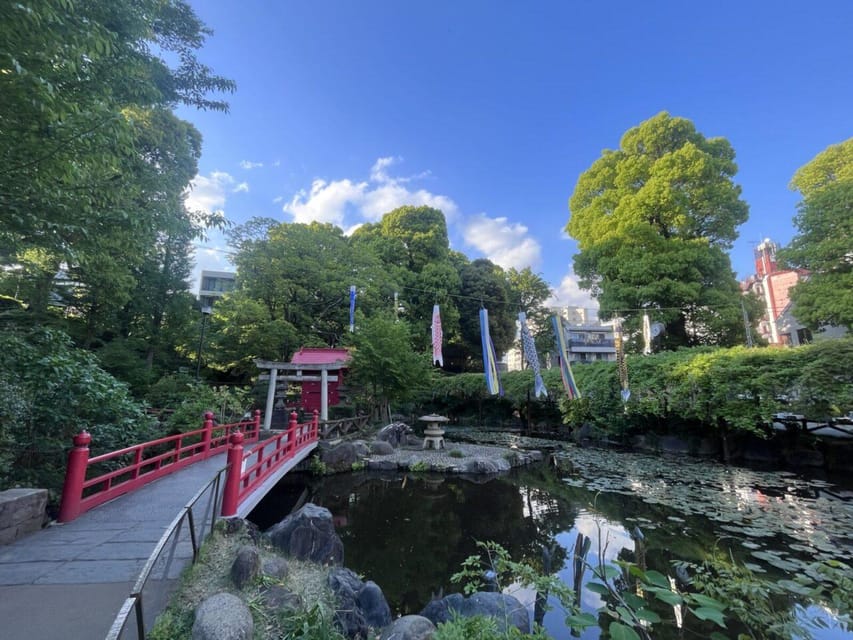
- Yanesen area focus: Yanaka, Nezu, and Sendagi are treated as one connected world of Shitamachi Tokyo.
- Tea ceremony using antique tea bowls: you get to drink from these older ceramic pieces, not just watch.
- Time for real wandering: you’re given a chunk of unstructured time in Yanaka to explore at your own speed.
- Asakura Museum of Sculpture included: admission is covered, with time inside plus views from the rooftop terrace.
- Temples, park time, and shrines: Sendagi and Nezu/Nedu-jinja add a quieter, more spiritual rhythm to the day.
Yanaka, Nezu & Sendagi: The Yanesen Tokyo You Actually Want
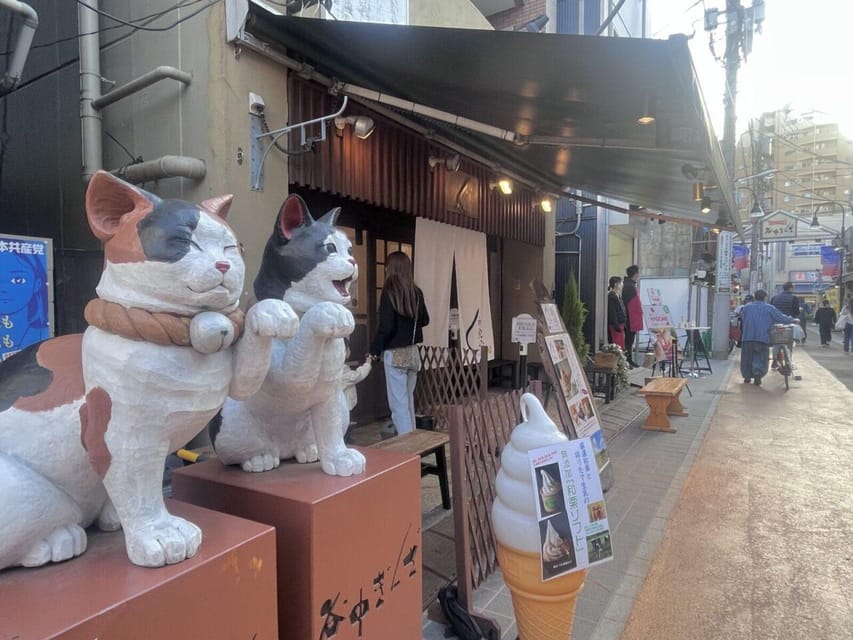
If Tokyo is a huge menu, Yanesen is the small tasting plate you don’t get from most big-sight itineraries. Yanaka, Nezu, and Sendagi keep a distinctly older Shitamachi feel—lower-city life, older street layouts, and a calmer pace than the flashier districts. And the best part is that the tour doesn’t treat it like a museum set. It connects neighborhoods, shrines, park space, and everyday streets so you can feel how the area works.
I like that the day is designed as a change of textures. You start with an atmospheric, historic place. Then you move into a walk-and-wonder neighborhood mood. Later you shift to art and museum time, and then you end with temples and shrine visits. That mix matters because Yanesen is not only about looking—it’s about slowing your attention down.
You can also read our reviews of more walking tours in Tokyo


Price and What You Get for $135
At $135 per person for a full day, you’re paying for three things that are hard to DIY efficiently: a local guide in English, built-in admissions (the Asakura Museum of Sculpture), and a tea ceremony experience. Add the fact that the day includes both cultural sites and a real neighborhood wandering block, and the price starts to make sense.
Here’s the practical value breakdown:
- Guide time: the tour is planned around guided explanations at several stops, not just sightseeing from a distance.
- Included entry: the museum admission fee is taken care of.
- Tea ceremony: this is a ticketed cultural experience, including time with antique tea bowls.
If you love planning but don’t want to spend your vacation doing ticket logistics and figuring out which shrine is worth your one limited afternoon, this format is a solid deal.
Starting at Nippori Station West Exit (And Why the Wrong Station Matters)
The tour meets at 10:30 outside Nippori Station, specifically the West exit. When you come out of the ticket gates, look for a red information board and a post box directly in front of you. That description is there for a reason: it’s easy to arrive at the wrong station.
Double-check you’re at Nippori (not Nishi-Nippori). This one detail can save you from a rushed scramble, especially since the day starts early enough that you don’t want to burn time transit-hopping.
Yanaka Cemetery: A Quiet Guided Walk to Set the Tone
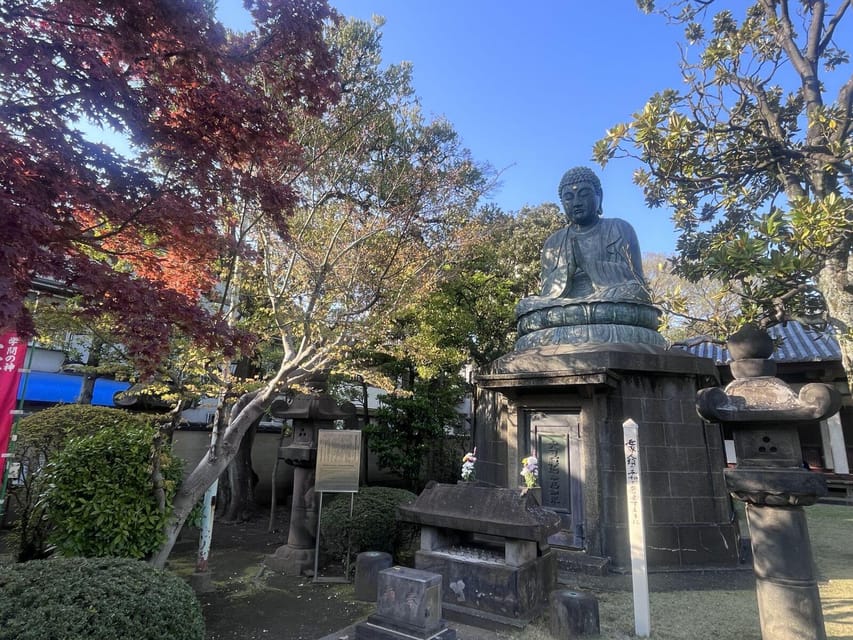
Your first big stop is Yanaka Cemetery, with a guided visit and a bit of passing-by viewing time. Even if you’ve never toured a cemetery before, this one is worth your attention because it’s not presented like a grim checklist. It’s part of how Tokyo layers memory into daily life.
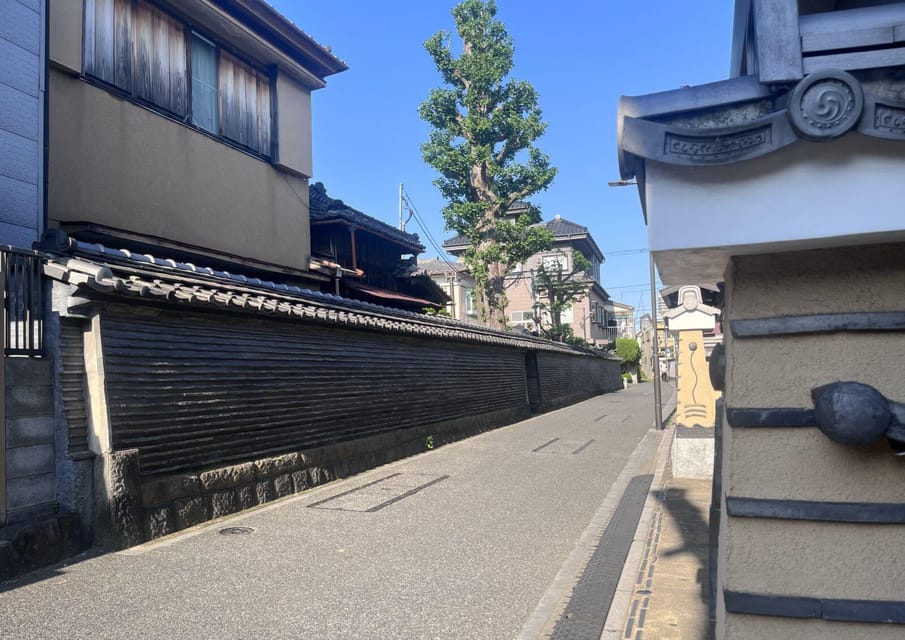
What I like about starting here is that it trains your eyes for the neighborhood ahead. You notice the older feel right away: calmer streets, older stone and path patterns, and the sense that Yanaka holds onto its past while still being fully lived-in.
A small caution: if you’re the type who gets restless in slower paced settings, this start may feel a bit gentle compared to the hyper-speed Tokyo centers. But that’s also the point. It sets a thoughtful baseline for the rest of the day.
A Secret Stop for Food Tasting: Where the Day Gets Fun
After Yanaka Cemetery, there’s a secret stop for guided food tasting, lasting about an hour. I like these surprise-feeling breaks because they keep the tour from turning into a lineup of monuments. They also give you a chance to slow down, ask questions, and taste what the area actually offers rather than only reading about it.
What to expect: you’ll have a guided tastings window, so don’t plan to treat this like a fast snack. Use it to get your bearings for the rest of the day—food tasting tends to make neighborhoods feel more personal fast.






Yanaka District Free Time: Use It for Small-Street Tokyo
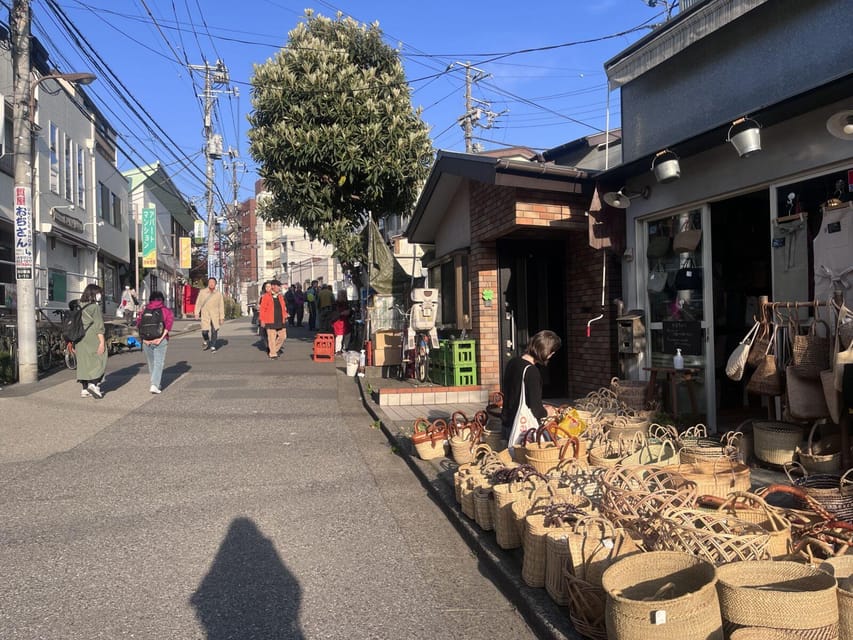
Next you’ll spend about 80 minutes in the Yanaka District with free time. This is the breathing space that lets Yanesen feel like a place, not a schedule.
When you’re on your own here, I suggest focusing on three things:
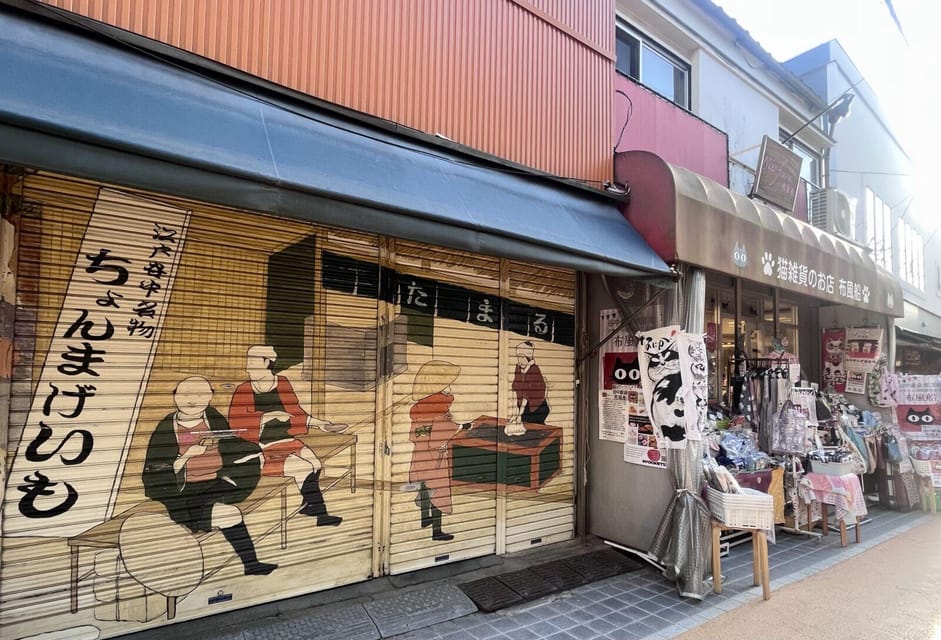
- Side streets and small storefronts rather than only the main lanes
- Photowalk pace: slow down enough to notice older architecture details
- One or two targeted purchases or snacks if you find something that fits you
Yanaka is the kind of area where you can “walk and wander” without instantly feeling lost. The neighborhood vibe is part of the attraction.
Asakura Museum of Sculpture: Art Indoors, Tokyo Views From the Rooftop
Then it’s off to the Asakura Museum of Sculpture, guided for about an hour. Admission is included, which removes the small hassle that can otherwise break your momentum.
This stop is practical for two reasons. First, you get a structured museum time without needing to plan tickets in advance. Second, you’re not stuck indoors the whole visit. The tour includes a museum experience with rooftop terrace views of Tokyo, giving you a visual contrast to the dense city energy you’ll likely have seen elsewhere.
Even if you’re not a “museum person,” this can work because the day already includes cultural and neighborhood elements. The museum adds context and craftsmanship, and the rooftop view gives you a mental map of where you are.
Lunch in Yanaka: Time to Reset (Don’t Overbook Yourself)
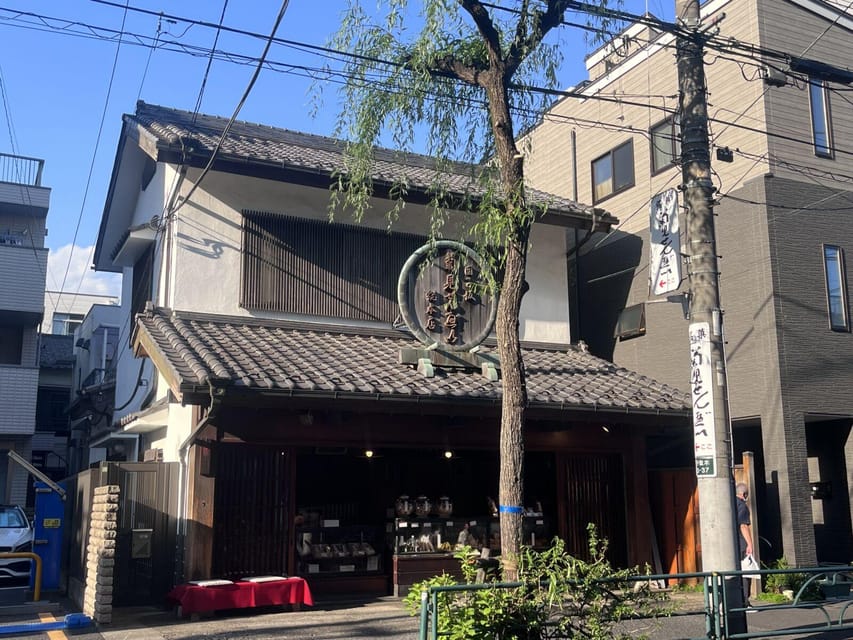
Lunch is built into the day with about 1 hour of free time. This is perfect for stepping out of guided listening mode and just eating, resting your feet, and deciding how you want the afternoon to feel.
Since the exact lunch options aren’t fixed by the schedule, keep your strategy simple:
- pick a place that looks comfortable and quick enough for a one-hour window
- drink water before you order (you’ll thank yourself later)
- if you see something clearly local, go for it
One practical note: you’ll be walking again after lunch, so avoid meals that slow you down too much.
Sendagi: Temples and Park Time for a Change of Pace
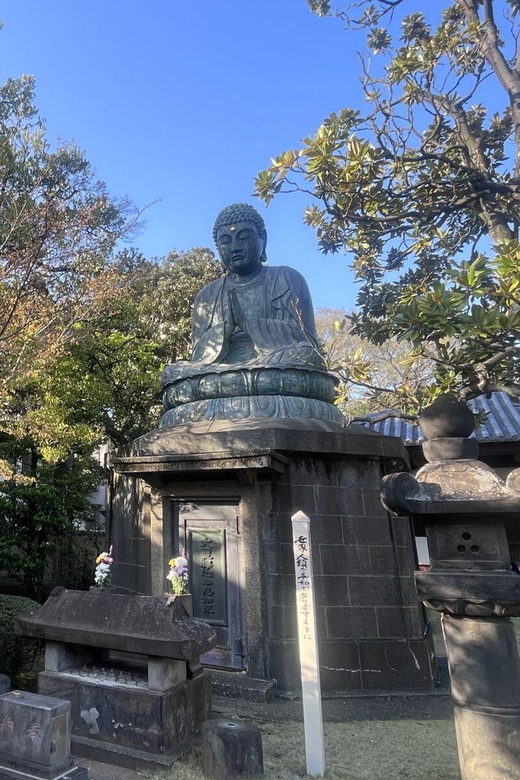
After lunch, the day shifts into Sendagi, guided and paired with a walk of about 40 minutes. Sendagi is known for temples and park space, and that combination matters because it breaks up the walking rhythm. You go from streets and city textures into more open, calmer environments.
I like this part because it feels like Tokyo breathing. Instead of pushing harder into the crowd, the tour gives you a quiet reset where you can observe worship spaces and greenery at human speed.
Nezu/Nedu-jinja Shrines: One More Layer of Sacred Tokyo
The final shrine stop is Nedu-jinja Shrine, guided for about 1 hour. This portion of the tour is where the spiritual focus becomes explicit, and it rounds out the day nicely after Sendagi.
You’ll also get to connect the dots: Nezu is known for its particularly beautiful shrine presence, and ending with a shrine visit gives the day an emotional “close.” It’s not a rushed add-on either—there’s time to slow down and actually take in what’s around you.
Tea Ceremony with Antique Tea Bowls: The Most Personal Part of the Day
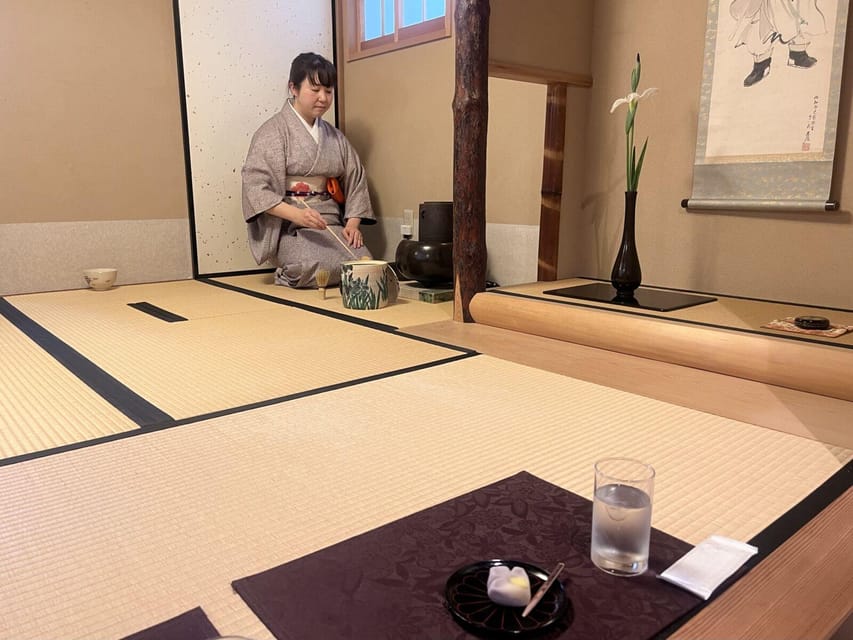
The highlight that people remember is the tea ceremony, including the chance to drink from antique tea bowls. This is not the kind of experience where you just watch someone else perform. You participate, and that physical act—holding the bowl, sipping the tea—makes the ceremony more than a visual show.
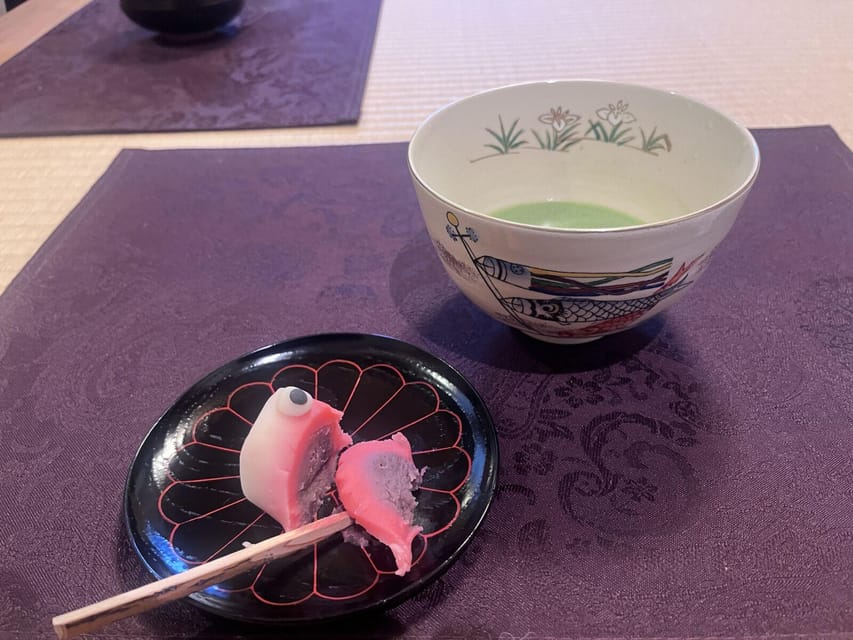
From reviews, the tea ceremony experience can include details like wagashi (traditional sweets), and there’s even mention of the tea house owner creating a portrait-style drawing featuring the antique tea bowls. You shouldn’t assume every session has the exact same flourishes, but the overall feel is consistent: older objects, careful atmosphere, and a cultural moment that feels more detailed than a typical activity stop.
What to do to get the most out of it:
- be ready to pay attention to small instructions (tea ceremonies reward focus)
- treat the bowl as part of the story, not just a cup
- ask your guide what you should notice about the tea and the bowls
This is the part of the day that turns the tour from sightseeing into understanding.
Tips to Make This Yanesen Day Feel Easy
A one-day walk in Tokyo sounds simple. It’s not. Here’s how to keep it comfortable without overthinking:
- Wear shoes you can walk in for hours. This is a walking-focused tour with several guided segments.
- Bring a small water bottle. Breaks happen, but you’ll still be moving.
- Keep your photo expectations realistic. You’ll want photos, but the tea ceremony and shrine moments benefit from staying present, too.
- Have one question ready for your guide. Even a simple one like what locals love about Yanesen helps you get more out of every stop.
If you go in expecting a mix of explanation, quiet time, and wandering, the day clicks fast.
Who Should Book This Walking Tour
This is a great fit if:
- you want Yanesen and Shitamachi Tokyo without the usual rush
- you care about hands-on culture, not just photos
- you like art stops with a view, not only city-center museums
- you enjoy a day that combines temples, neighborhood streets, and one very specific experiential highlight
It may be less ideal if you hate structured pacing or you want a fully self-guided day with zero guided time.
Should You Book This Yanesen Tour?
Yes, if you want a well-paced introduction to Yanaka, Nezu, and Sendagi that goes beyond a quick “see and leave” trip. The value is strongest when you want three core things in one day: guided context, included admission to the Asakura Museum of Sculpture, and a tea ceremony with antique tea bowls.
If you’re specifically excited by the tea ceremony and the idea of experiencing older Tokyo neighborhoods at walking speed, this tour matches that goal well.
FAQ
What is the duration of the tour?
The tour runs for 1 day.
How much does the tour cost?
It costs $135 per person.
Where does the tour start?
You meet outside Nippori Station’s West exit.
What time does the tour begin?
The tour begins at 10:30.
Which station should I use: Nippori or Nishi-Nippori?
Make sure you arrive at Nippori Station, not Nishi-Nippori.
Is there an English-speaking guide?
Yes, the tour includes a local English speaking guide.
What is included in the price besides the guide?
Admission fees for the Asakura Museum of Sculpture and the tea ceremony experience are included.
Do we visit a museum?
Yes, you’ll visit the Asakura Museum of Sculpture.
Do we do a tea ceremony?
Yes, the tour includes a traditional tea ceremony experience and you drink from antique tea bowls.
Is free cancellation available?
Yes. You can cancel up to 24 hours in advance for a full refund.