REVIEW · TOKYO
Manga Lesson with a Professional Japanese Manga Artist in Nakano
Book on Viator →Operated by Manga School Nakano · Bookable on Viator
Two hours, one manga drawing, real tools. This manga lesson in Nakano is interesting because you work through the actual production steps, with the materials manga artists use. I love the chance to learn from a professional Japanese manga artist and the fact that you leave with take-home artwork. One possible drawback: the location can be a little tricky to spot, especially if you’re hoping for easy directions and the sign you’re looking for isn’t obvious.
You’ll get a private, custom-fit class for your level, from brand-new to more experienced. You can also expect guidance in English without interpreters, which makes it much easier to follow the step-by-step process and corrections.
This isn’t a “watch and clap” workshop. It’s drawing-heavy: pencil draft, inking, blacks, white-ink highlights, then screen tones. Drinks aren’t included, so plan on grabbing something nearby before you start.
In This Review
- Key highlights you’ll actually care about
- Manga School Nakano: a local Tokyo stop that feels hands-on
- Price and value: what $67.77 really covers
- What happens during the 2-hour lesson, step by step
- The tools that make the drawing look like manga
- Choosing a character reference and adjusting to your level
- Private instruction, English guidance, and pace that won’t frustrate you
- From draft to screen tone: why the order matters
- Taking your artwork home, plus one small note about copies
- Where to meet and how to make it smooth
- Who should book this manga class (and who might not)
- Should you book the Manga Lesson in Nakano?
- FAQ
- How long is the manga lesson?
- What does the price include?
- Do I need drawing experience to join?
- Is this class private or group-based?
- Will I be able to understand instructions in English?
- What tools and materials will I use?
- What will I make during the class?
- Can I take my finished artwork home?
- Are drinks included?
- Where does the class take place?
Key highlights you’ll actually care about
- A pro artist teaches the full manga workflow, not just the basics
- Real tools included, like screen tones, dip pens, ink, and specialized nibs
- Step-by-step building blocks: pencil draft to final screen tone effects
- English guidance without interpreters, so you can understand corrections as you work
- All skill levels welcome, with the lesson adjusted to you
- You take your finished piece home as a souvenir
Manga School Nakano: a local Tokyo stop that feels hands-on
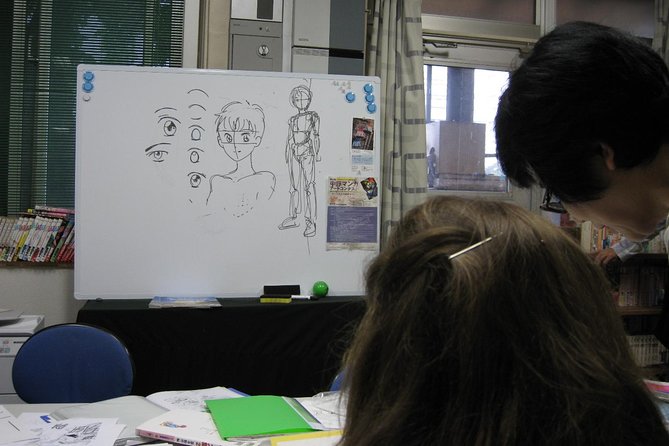
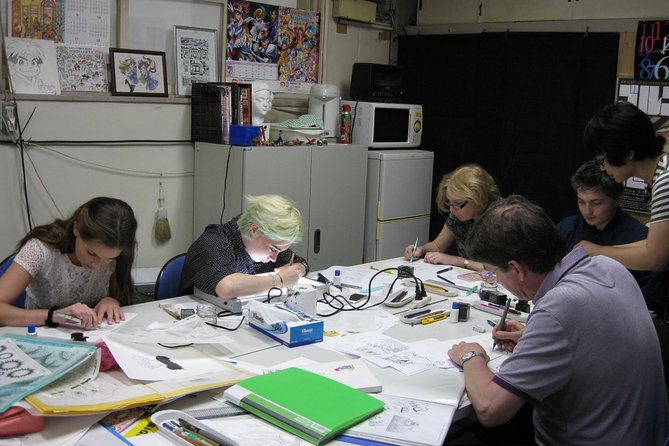
Nakano is a smart neighborhood choice for a manga class because it feels like you’re doing something part of daily life, not just popping into a themed venue. The lesson is set up to be focused and practical. You arrive at Manga School Nakano, meet your instructor, and start with a brief lecture that frames what you’re about to make.
This is also a nice change from typical classroom workshops. You’re not just learning “how to draw.” You’re learning how manga gets built: proportions, linework, and the specific finishing steps that create that recognizable look. The end result isn’t something you have to imagine. It’s a completed drawing you can carry out in a way that feels personal.
If you care about real craft details, this kind of workshop delivers. If you only want a casual photo moment, you might find yourself wishing for more downtime. The good news is that the pace is designed around private instruction, so you’re not stuck staring at your own sketch while everyone else moves on.
You can also read our reviews of more tours and experiences in Tokyo



Price and value: what $67.77 really covers
At $67.77 per person for about 2 hours, this is priced like a hands-on skill session rather than a sightseeing add-on. The value comes from what you don’t have to bring: the manga tools are included, and you’re working with materials such as screen tone supplies, ink, and specialized pen nibs.
That matters because the real cost of manga supplies can add up fast if you start buying dip pens, inks, and tone sheets. Here, you get to try them in context, and you get corrections while you’re using them. That reduces the guesswork you’d face if you tried to teach yourself with random online tutorials.
Private doesn’t mean you’ll feel rushed either. The class is described as customizable and tailored to your skill level. So beginners get the step-by-step scaffolding, while more practiced artists can focus on refining specific choices.
The one thing to keep in mind is drinks aren’t included. It’s not a dealbreaker, but it does mean you’ll want to plan a small snack or water break before you settle in.
What happens during the 2-hour lesson, step by step
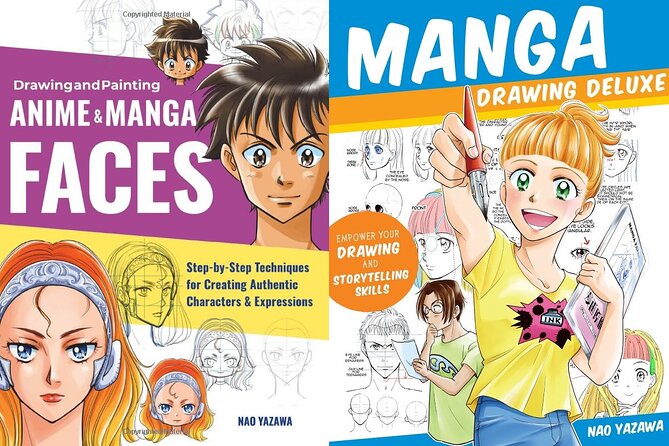
The core of the experience is a clear process. You’ll move through drafting, inking, finishing, and tone application in a structured order, with the instructor reviewing and correcting your work as you go.
Here’s the typical flow you can expect:
- You start with pencil drawing to draft the character.
- Then you move to inking, where pencil lines get erased.
- After that come the black parts (the heavy line and filled-in areas).
- You’ll correct mistakes as you work.
- Next is white ink for highlights.
- Finally, you add screen tones for gray texture, shading, and effects.
This sequence is exactly why the workshop feels efficient. You’re not floating between techniques. You’re building the drawing in the same order manga art usually comes together. And because the instructor adjusts to your level, beginners aren’t expected to instantly produce clean finished lines. More experienced artists can use the process as a structured refresher.
At the end, you walk away with your finished manga drawing as a souvenir. That alone is a big part of the value, because you’re paying for creation, not just instruction.
The tools that make the drawing look like manga
This class is tool-based, in the best way. You get time using manga production materials instead of just talking about them.
You can expect to try items such as:
- Screen tones (used for gray shading, textures, and effects)
- Manga pens and ink, including different specialized pen nibs
- Manga paper provided for the class
Screen tones are often the part beginners find mysterious. In this workshop, you learn the last step and the role it plays: turning flat linework into something with depth and mood. The instructor’s corrections help you connect the tone placement to what you already drew, instead of treating it like decoration.
The dip pen and ink part is also a huge draw. With specialized nibs, you get line character that’s hard to replicate with everyday pens. It’s one of those “try it once and you get it” moments.
If you’ve ever wanted to know what professionals mean when they talk about line weight and finishing, this is where you’ll see it. You’ll likely come away knowing why manga artwork has that crisp, deliberate look.
Choosing a character reference and adjusting to your level
One of the best practical advantages is that you don’t have to be good already. All skill levels are welcome, and the instructor adjusts the lesson to you.
You’ll work on your own manga-type character in a step-by-step way. If you’re a complete beginner, you can choose from references to copy with help from the instructor. If you’re already drawing, you can work through the same steps while focusing on refining your lines and finishing choices.
The classroom uses manga references and authentic original-art style materials from published works. That’s useful because it gives you something consistent to aim for: how faces, expressions, and effects show up in actual manga art.
There’s also a history and technique lecture at the start. That doesn’t turn the class into a lecture hall. It’s more like context: why certain tools and choices became standard, so the steps feel purposeful rather than random.






Private instruction, English guidance, and pace that won’t frustrate you
This is a private tour/activity, meaning it’s just your group. That matters because manga drawing is slow if you’re self-teaching. With private instruction, your questions don’t get swallowed by the clock.
The class is also described as customizable, which is another practical win. Kids, teens, and adults can share the same general workshop structure but still get help at the right level. In real terms, that means the instructor can slow down or correct details that would be missed in a large group.
Language is a key concern for Tokyo workshops, so this detail matters: you can receive precise guidance in English without interpreters. That reduces the stress of trying to infer what corrections mean mid-drawing.
If you need a quick reality check: the experience is drawing-focused, not conversational free time. You’ll talk with the instructor as you work, but the main goal is instruction and correction.
From draft to screen tone: why the order matters
A lot of beginners think manga drawing is just drawing a face and adding a cool outfit. The workshop teaches the opposite. It teaches that the finished look comes from the order and the finishing steps.
Inking is where your drawing changes identity. Pencil is for planning. Inking is for commitment. Once you ink, the pencil lines are erased, so the instructor’s corrections help you lock in confident shapes and clean linework early.
Then come the black parts. This is where contrast starts doing the heavy lifting. If you’ve ever wondered why some manga panels look sharp and readable, it’s because the blacks are intentional and placed with purpose.
White ink highlights add the final punch. They’re not random dots; they communicate reflections and energy.
Finally, screen tones complete the panel feel. Tone sheets help create gray depth and the visual texture that reads instantly as manga style. Doing that last is key. If you add tones too early, the drawing often looks busy before you’ve decided where the blacks and highlights should land.
By the time you reach the end of the process, you’ll have a finished piece that looks like manga, not just a sketch with a filter.
Taking your artwork home, plus one small note about copies
The big souvenir payoff is straightforward: you take your completed manga drawing home. That’s the part you’ll probably want to frame, share with family, or keep as proof you learned an actual craft step in Tokyo.
There’s also a small possibility that the instructor may keep copies of your work for display or to post online, based on class experience described by prior participants. If that matters to you, it’s worth asking at the start of the class so you know what you’re comfortable with.
Even if you don’t plan to post it, having a physical result is the difference between this and most “try something once” activities. You get a tangible reminder of the time and the technique.
Where to meet and how to make it smooth
The meeting point is Manga School Nakano at Japan, 165-0026 Tokyo, Nakano City, Arai, 2-chōme 713 南国ビル. That’s an address you can map, but it can still take a minute to find the exact building entrance.
So here’s the practical approach:
- Give yourself a little extra time when you arrive.
- Use your phone map carefully and look for the correct building entry.
- If you’re unsure, take a moment to double-check you’re at the right place before you start searching around.
The class is near public transportation, but “near” can still mean a short walk you don’t want to rush. Also, drinks aren’t included, so plan a quick water stop beforehand if you’re sensitive to sitting for two hours.
You’ll receive details about your activity time via message form, and you’ll have a mobile ticket. If you prefer a calm start, check your confirmation message early so you know exactly what time to aim for.
Who should book this manga class (and who might not)
This is a strong fit if you want to learn manga in a hands-on way. It’s also great if you like creative souvenirs that aren’t mass-produced. If you’re bringing kids or teens, the private pacing helps the experience feel manageable even for beginners.
You’ll also like it if you care about tools. Many people enjoy manga, but never get to use screen tones, specialized nibs, and dip pen ink the way an artist does during real production.
Who might hesitate?
- If you’re looking for sightseeing with minimal drawing, this is more art workshop than city tour.
- If you strongly dislike any risk of ink mess, plan to wear comfortable clothes you’re okay getting a little messy with ink-based materials.
Should you book the Manga Lesson in Nakano?
I think you should book it if you want a genuine skill session with real materials and a finished result you can take home. The price is reasonable for a 2-hour private class with tools included, and the step-by-step workflow is the kind of structure that helps beginners feel capable.
It’s also a smart choice if you’re tired of activities where you watch others do the work. Here, you’re drawing the whole time, and the instructor adjusts to your level so you don’t feel lost.
Just build in a little extra time to find the studio at the given address, and remember drinks aren’t included. If you handle those two things, you’re set up for a fun, creative Tokyo memory.
FAQ
How long is the manga lesson?
The lesson is about 2 hours.
What does the price include?
It includes a professional manga artist and the manga tools. Admission is included.
Do I need drawing experience to join?
No. All skill levels are welcome, and the instructor adjusts the lesson to your skills.
Is this class private or group-based?
It’s private for your group. Only your group participates, and you choose single or group tuition options depending on your party size.
Will I be able to understand instructions in English?
Yes. You can receive precise guidance in English without interpreters.
What tools and materials will I use?
You’ll use manga tools provided for the class, including screen tones, inks, manga pens, manga paper, and different specialized pen nibs.
What will I make during the class?
You’ll produce a manga-type character drawing through pencil drafting, inking, adding black parts, white-ink highlights, and finishing with screen tones.
Can I take my finished artwork home?
Yes. You’ll walk away with your completed manga drawing as a souvenir.
Are drinks included?
No. Drinks are not included.
Where does the class take place?
The meeting point is Manga School Nakano, at Japan, 165-0026 Tokyo, Nakano City, Arai, 2-chōme 713 南国ビル.