REVIEW · TOKYO
Kyoto: Nijo Castle World Heritage Guided Tour with Admission
Book on GetYourGuide →Operated by Local Guide Stars · Bookable on GetYourGuide
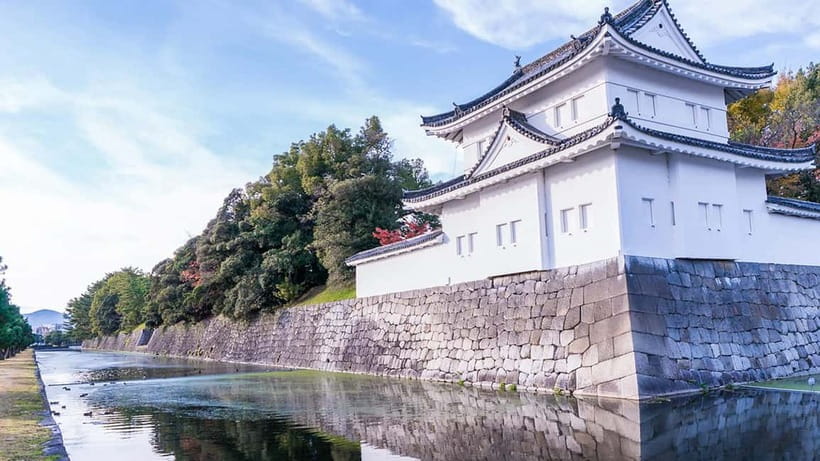
Nijo Castle makes power feel physical. This small-group tour (up to 10) turns a UNESCO site into a clear story about Tokugawa control, from display halls to the moment authority returns to the Emperor. I really like that admission is included with a 90-minute, English-led guide walk, and I also love the payoff: you hear the famous nightingale floors and you spot koi carp gliding through the moats. One thing to plan for is that when you enter the palace buildings, you must remove your shoes.
Meet your guide outside Nijōjō-mae Station (Exit 1). Look for a guide holding a sign that says Local Guide Stars. The whole experience is designed to stay human-scale: you can ask questions, pause when something grabs your attention, and actually understand why the castle was built to intimidate without fighting.
You’ll walk mostly flat terrain, and it’s wheelchair accessible, but inside the palace it’s a shoes-off situation. If you’re the kind of traveler who likes quiet, self-guided wandering for hours, this is not that. It’s a guided “get the meaning fast” visit, ending at the station with a strong historical finish: the room tied to the end of the shogunate in 1867.
In This Review
- Key highlights worth centering on
- Finding your way in: Nijōjō-mae Station and the Exit 1 meeting point
- How the tour explains the castle’s real purpose in 90 minutes
- Entering the Ninomaru Palace: rooms and corridors built for rank
- Nightingale floors: the sound you came for, and what it means
- Gardens with koi carp: the calm, photogenic side of a controlled world
- The room tied to 1867: where authority returned to the Emperor
- Price and value: why $40 feels reasonable for what you get
- Who should book this Nijo Castle guided tour
- Simple tips to make the shoes-off palace visit easy
- What kind of guide experience you’ll get
- Should you book this tour?
- FAQ
- Where does the tour meet?
- Is admission included?
- How long is the guided tour?
- How big is the group?
- What language is the tour guide?
- Is the tour wheelchair accessible?
- Do I need to remove my shoes?
- What’s the walking like?
- What’s the cancellation policy?
- Can I pay later?
Key highlights worth centering on
- A tight small group (up to 10): better questions, less waiting around, and a more personal pace.
- Admission included: you’re not doing the scramble of buying tickets mid-day.
- Shogun vs. Emperor framing: you’ll understand why Kyoto mattered even when the Tokugawa shoguns ruled from Edo.
- Nightingale floors: you’ll hear the chirping mechanism and learn what it was for.
- Koi in the moats: you get that photogenic, calm contrast to the castle’s psychological control.
- A clear 90-minute arc: the tour ends with the authority transfer tied to the start of the Meiji Restoration.
Finding your way in: Nijōjō-mae Station and the Exit 1 meeting point
I like tours that start where your feet already are. This one meets outside Nijōjō-mae Station at Exit 1, so you don’t have to wrestle with vague landmarks. Give yourself a little buffer so you can line up with the right group and settle your bearings before everyone funnels toward the castle grounds.
Your guide will be holding a sign that says Local Guide Stars. That’s useful because it reduces the usual first-10-minutes confusion in a busy station. Once you link up, the pace stays brisk but not rushed, with a guided walking rhythm built around the castle’s main spaces.
You can also read our reviews of more guided tours in Tokyo


How the tour explains the castle’s real purpose in 90 minutes
Nijo Castle isn’t just “a castle you walk through.” It’s a place built for control—quiet, careful control. The tour’s story is centered on a rivalry: shogun authority versus the Emperor’s power in Kyoto. You’ll learn why the Tokugawa shoguns, ruling from distant Edo (modern Tokyo), chose to project their strength right beside the Emperor’s world.
This framing matters because it changes what you notice. Instead of seeing “pretty rooms” and “cool corridors,” you start reading the building like a message. The guide points out spaces that weren’t made for defense or battle tactics. They were made for display, intimidation, and silent command.
You’ll also hear how the castle’s design reinforces the idea of hierarchy. That theme keeps showing up in how rooms differ in size, how floors are constructed, and how movement through gates and passageways subtly tells people where they stand.
Entering the Ninomaru Palace: rooms and corridors built for rank
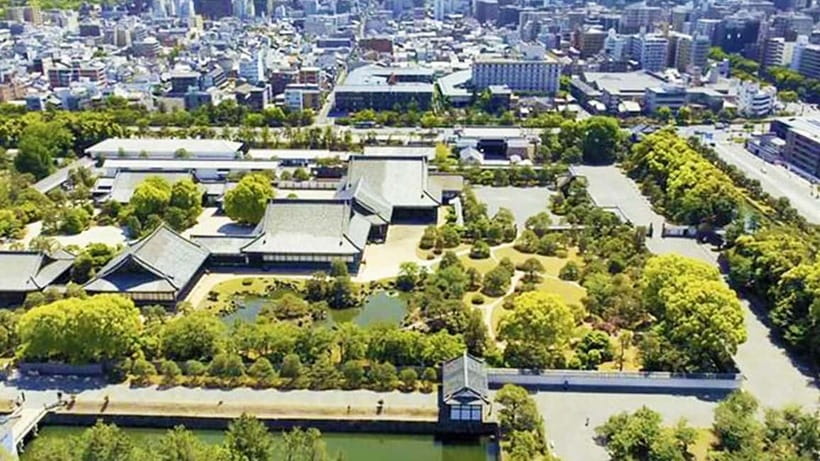
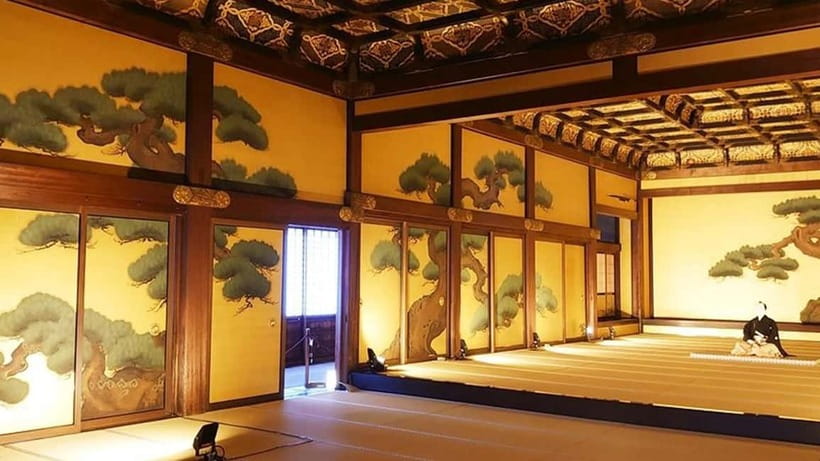
The heart of the experience is the walk through the Ninomaru Palace area. This is where the tour’s explanations become practical: you can see the social ladder built into architecture.
The guide shows how room proportions and interior construction reflect strict social hierarchy. Even without being a design expert, you can feel the logic. Some spaces are set up to make certain people feel larger in authority, while others are made to keep status visible through limits and expectations.
Pay attention to the layered corridors and gates the guide highlights. They’re not just passageways. They’re part of the psychological plan—spaces that help control your pace and keep you from settling into comfort. If you’re a “how does this work?” person, this portion is satisfying.
Nightingale floors: the sound you came for, and what it means
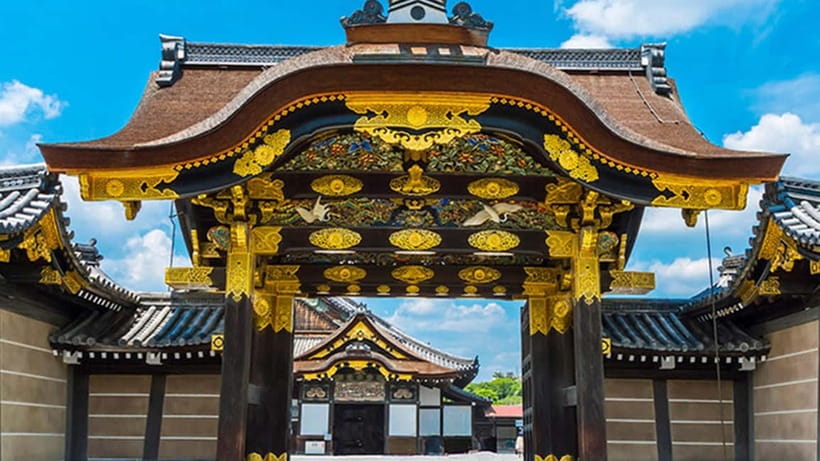
Yes, you’re going to hear them. The famous nightingale floors chirp beneath your feet, and the guide explains why that mattered. The concept is simple but clever: the sound and response were meant to expose intruders, using the building itself like a warning system.
What I like about having this explained on a guided walk is timing. You’re not left guessing when the best moment to notice the floor mechanism is. You’re also not left with just a cool trivia fact. You understand how the castle uses sound and movement control—again, intimidation without warfare.
If you’re traveling with kids, this is often the “tell me again” moment. If you’re traveling solo, it’s still one of the best reasons to book instead of doing a quick self-guided pass.
Gardens with koi carp: the calm, photogenic side of a controlled world
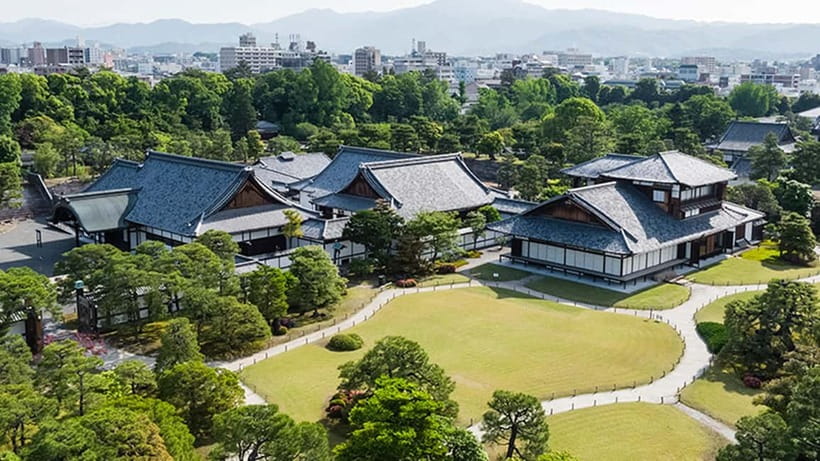
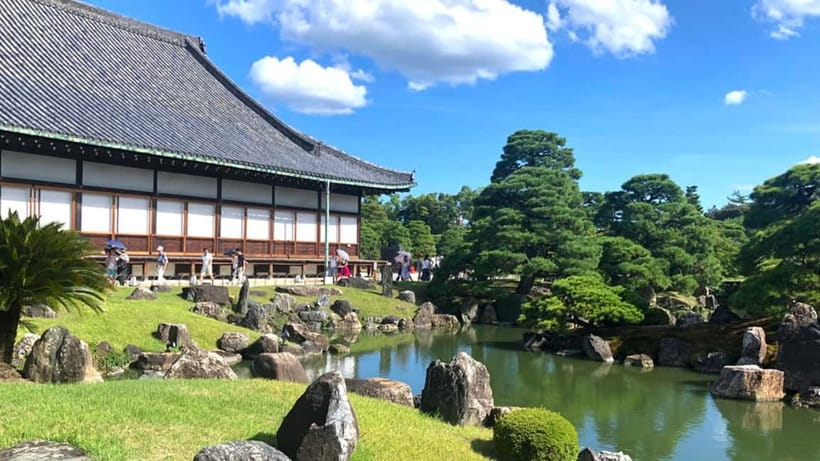
One of the best surprises is that Nijo Castle gives you beauty that feels almost contradictory. The gardens and moats are a visual break from the palace intensity. You’ll notice colorful koi swimming through the moat areas, and the guide points out why these visuals fit into the castle’s overall experience.
This is the kind of scene that’s easy to photograph, but it’s also easy to rush. I recommend slowing down here. Let your eyes adjust between the stillness of the greenery and the motion of the fish. You’ll get photos, sure. But you’ll also get contrast: a peaceful surface layered on top of a building designed to monitor and control.
You can also read our reviews of more historical tours in Tokyo






The room tied to 1867: where authority returned to the Emperor
The tour ends with a strong historical punch. You’ll stand in the room where, in 1867, Tokugawa Yoshinobu returned authority to the Emperor. The guide connects this moment to the end of more than 260 years of shogunate rule and the transition into the Meiji Restoration.
This matters because it gives you closure. Many castle visits stop at “old days.” This one tells you how the castle fits into a turning point that changed Japan’s direction. When the tour lands here, you can actually connect palace politics to real historical momentum.
It’s a good finish if you’re trying to understand Japan’s big shifts, not just its aesthetics. And it’s a helpful anchor if you’re also reading about the Shogun-era storyline before or during your trip.
Price and value: why $40 feels reasonable for what you get
At $40 per person for about 90 minutes, this tour is priced for something specific: guided context plus included admission. The value comes from two places.
First, admission is built into the ticket price. That saves time and avoids the mental load of figuring out entry on the day. Second, you’re paying for interpretation. The palace hierarchy, the meaning of corridors and gates, and the nightingale floor explanation are hard to fully appreciate from a quick walk alone.
This is also a tour built for attention per minute. A small group of up to 10 means the guide can react to questions and keep the story flowing. If you’ve ever been in a large tour where you can’t stop to ask anything, you’ll feel the difference here.
With a 4.9 rating from 37 verified bookings, it’s also a sign that the pacing and guide quality tend to hit the mark for many different kinds of visitors.
Who should book this Nijo Castle guided tour
I think this tour is a great fit if you want:
- A first-time Kyoto visit with a castle that’s more than just sightseeing
- A history-focused walk that explains why things were built the way they were
- A calmer experience thanks to the small group size
- A smooth, guided 90-minute plan that doesn’t eat your whole afternoon
It also works well for mixed ages. In the information provided, the group has been taken by people across a wide age range, including an older visitor (65+) and families with kids.
That said, you might want a different style of tour if:
- You hate following a schedule and prefer to linger for long stretches on your own
- You’re uncomfortable with shoe removal inside the palace buildings
Simple tips to make the shoes-off palace visit easy
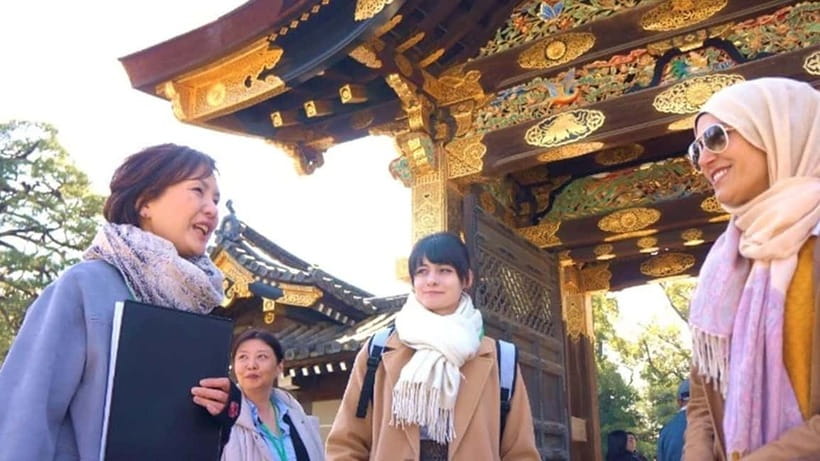
This is practical, but it’s the kind of practical that makes your day better.
- Wear footwear you can remove quickly. You’ll need to remove shoes when entering the palace.
- Plan for short stops. The guide’s pace includes explanations, so don’t treat it like a treadmill march.
- Use the small group to ask about what you notice. The whole point is that you’ll be in close range of the guide, so ask when something feels confusing.
Also remember: the tour is mostly flat and wheelchair accessible, which helps. Still, inside the palace, movement rules and your attention span shift from “walk and look” to “walk and listen.”
What kind of guide experience you’ll get
The tour is in English, with a live guide from Local Guide Stars. The provided information includes several guide names—such as Nao, Alexander, Uta, Benjamin, and Naoya—so you’ll likely get a guide who enjoys storytelling and can answer questions.
If you care about details, pay attention to how the guide explains design choices: the difference between display spaces and battle-oriented defenses, the meaning behind hierarchical room construction, and the purpose behind those controlled corridors.
Should you book this tour?
If you’re visiting Kyoto and you want Nijo Castle to make sense fast, I’d book it. For $40, you get admission included, a small-group format, and a guide narrative that connects the shogun’s power play to the actual end of an era in 1867.
The only reason not to book is if you strongly prefer self-guided wandering over explanation, or if the shoes-off palace requirement would put you off your day. Otherwise, this is a smart way to see one of Japan’s most important castles without turning it into homework.
FAQ
Where does the tour meet?
Meet outside Entrance (Exit) 1 of Nijōjō-mae Station. The guide will be holding a sign that says Local Guide Stars.
Is admission included?
Yes. Admission to Nijo Castle is included in the tour price.
How long is the guided tour?
The tour is about 90 minutes total, including roughly a 1.5-hour guided experience.
How big is the group?
It’s a small group limited to up to 10 participants.
What language is the tour guide?
The live tour guide speaks English.
Is the tour wheelchair accessible?
Yes, it is wheelchair accessible.
Do I need to remove my shoes?
Yes. You must remove your shoes when entering the palace.
What’s the walking like?
The terrain is mostly flat.
What’s the cancellation policy?
Free cancellation is available up to 24 hours in advance for a full refund.
Can I pay later?
Yes. You can reserve now and pay later to keep plans flexible.