REVIEW · TOKYO
Japanese Knife Skills & Tuna Don/Sushi Workshop in Tokyo
Book on GetYourGuide →Operated by 日本割烹道協会 · Bookable on GetYourGuide
Tokyo is where sharp edges teach good habits. In this 2-hour hands-on workshop, you get Japanese knife culture and real cutting practice, not just watching. I like that you learn both the theory behind the blades and the physical skill of slicing sashimi, then you turn it into a meal with miso soup and a sake tasting. One heads-up: fish used can vary by availability, and the class isn’t suitable for people with food allergies.
You also get to practice the “why” and the “how.” You’ll watch an instructor demonstrate sashimi slicing, then you’ll do the slicing yourself with a blade that’s properly sharpened. After that, you cook a tuna zuke-don rice bowl or a 10-piece sushi set and learn sharpening technique on a whetstone, step by step. The only real drawback for some folks is the short format: it’s great for a first experience, but it won’t make you a master in one sitting.
The vibe is relaxed and friendly, and the group stays small (limited to 8). You’ll even get a participation certificate, plus a shop perk the same day. Just bring comfortable clothes and be ready to work with knives and fish.
In This Review
- Key highlights worth aiming for
- Samurai murals and a small-group rhythm
- Japanese knife culture starts with sharpness and intent
- The whetstone practice: where the real skill lives
- Sashimi slicing performance, then your turn
- Cook tuna zuke-don or build a sushi set
- Eating it properly: miso, sake, and a calm finish
- Price and value: where your $127 goes
- Who should book this knife skills workshop
- Should you book it
- FAQ
- How long is the Japanese Knife Skills & Tuna Don/Sushi Workshop?
- What is the price per person?
- How many people are in the group?
- What languages are used by the instructor?
- What will I learn to do during the class?
- Is lunch included?
- Can I expect the fish type to always be the same?
- Do I get a take-home item?
- What should I wear or bring?
- Is transportation included, and is it refundable?
Key highlights worth aiming for
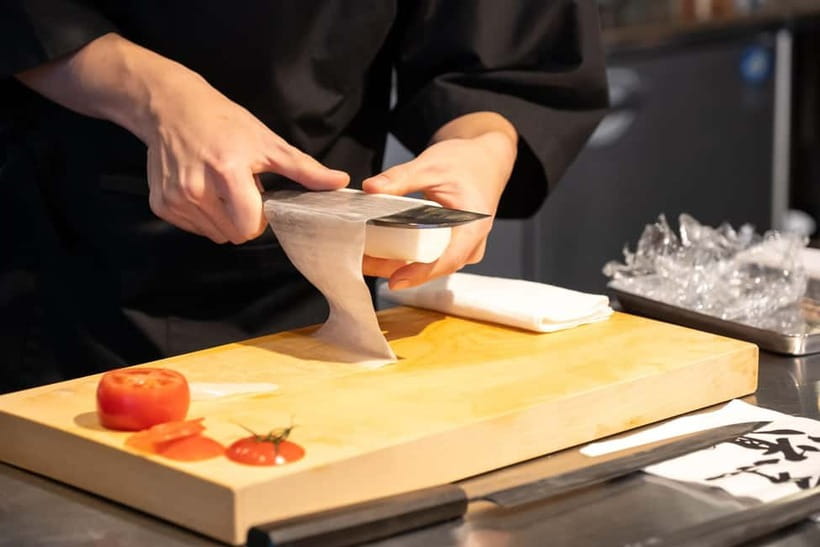
- Whetstone sharpening basics taught step by step, so you understand what makes a knife cut cleanly
- Hands-on sashimi slicing where you practice with fresh tuna rather than watching only
- Zuke-don or sushi set cooking paired with miso soup and green tea
- Sake tasting included with your meal, which helps you slow down and enjoy the results
- Kappodo costume rental for a fun, traditional touch during the class
- Take-home recipe + certificate, plus 10% off items at the 1F shop the same day
Samurai murals and a small-group rhythm
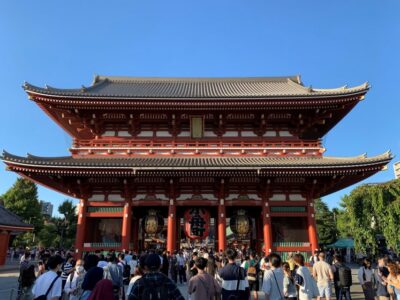
Finding the place in Tokyo is part of the fun. The meeting point is a building with samurai-style murals painted on it, which makes it easy to spot once you’re on the right street. The class runs about 2 hours, and it’s built for a small group capped at 8 people. That matters, because knife work doesn’t work well when the instructor is juggling too many hands at once.
You’ll be working in an environment where the pace is practical. First you learn, then you do. You’re not stuck with a lecture, and you’re not left alone with a knife either. Instruction is available in English and Japanese, so you can follow the steps clearly and ask questions when something feels off.
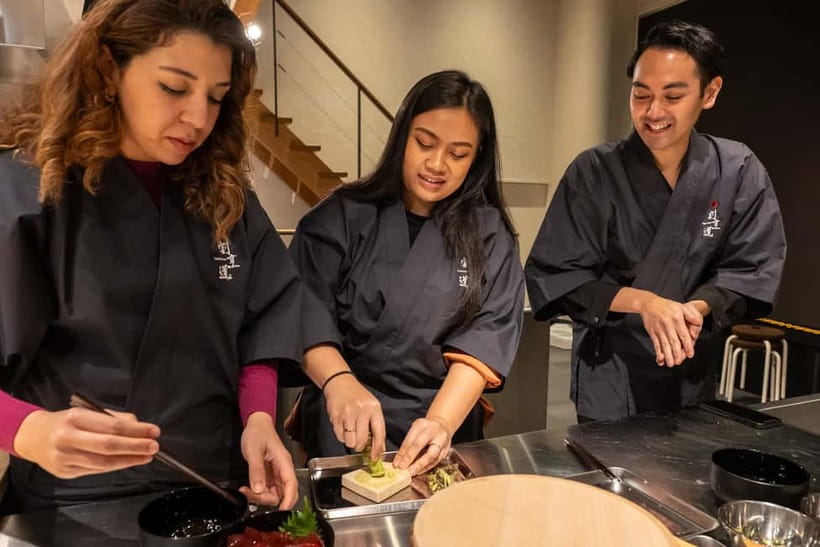
One detail I really like: the workshop includes Kappodo costume rental. You’re there to learn food skills, but dressing up for the session adds a sense of occasion without turning it into a show. It also helps you feel like you’re stepping into a working Japanese culinary space.
You can also read our reviews of more tours and experiences in Tokyo



Japanese knife culture starts with sharpness and intent
Japanese knives have a reputation, but this class gives you something more useful than brand talk: it gives you a reason to care. You begin with an introduction to Japanese knife culture and why these blades are prized for their craftsmanship and sharpness. The point isn’t to impress you with metallurgy. The point is to show how sharpness changes what happens when the knife meets food.
Then you get the teaching piece that actually helps you later: how to use and maintain the blade. The class includes knife sharpening techniques and you learn how to sharpen on a whetstone. Even if you’ve never sharpened before, the instruction is guided step by step, so you aren’t just being told to figure it out.
If you’ve ever cut vegetables at home and thought the knife feels “okay” but not great, sharpening is usually the missing step. In this workshop, sharpening isn’t a separate activity. It’s treated like the foundation for everything that comes next: cleaner slicing, less tearing, and better control.
The whetstone practice: where the real skill lives
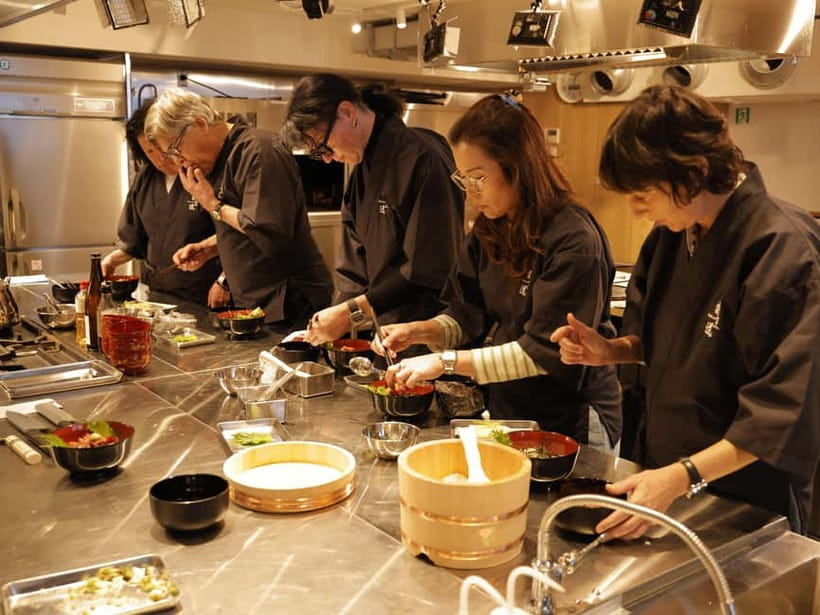
Knife sharpening can sound intimidating, but the workshop keeps it grounded. You learn the process of whetstone sharpening with guidance, so you understand what to focus on during the motion. The goal is consistent, controlled technique, not speed.
Why that matters for you: when you sharpen correctly, you stop fighting the blade. Cutting becomes more about precision and less about force. And that connects directly to sashimi slicing later in the session, because tuna is unforgiving. If the knife drags or crushes, you’ll see it right away.
This is also the part where a small group helps. With a limit of 8, you’re more likely to get corrections when you need them. That’s the difference between learning the idea and actually learning the hand movement.
Sashimi slicing performance, then your turn
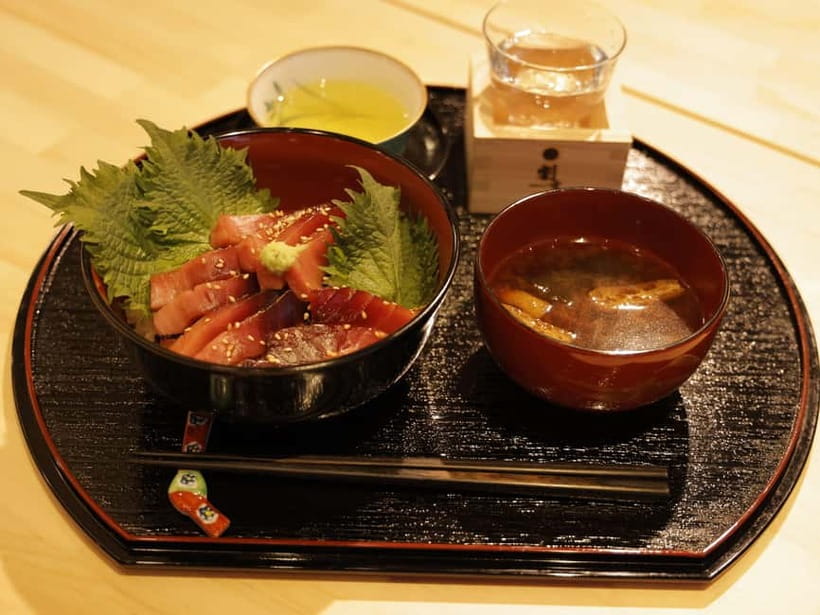
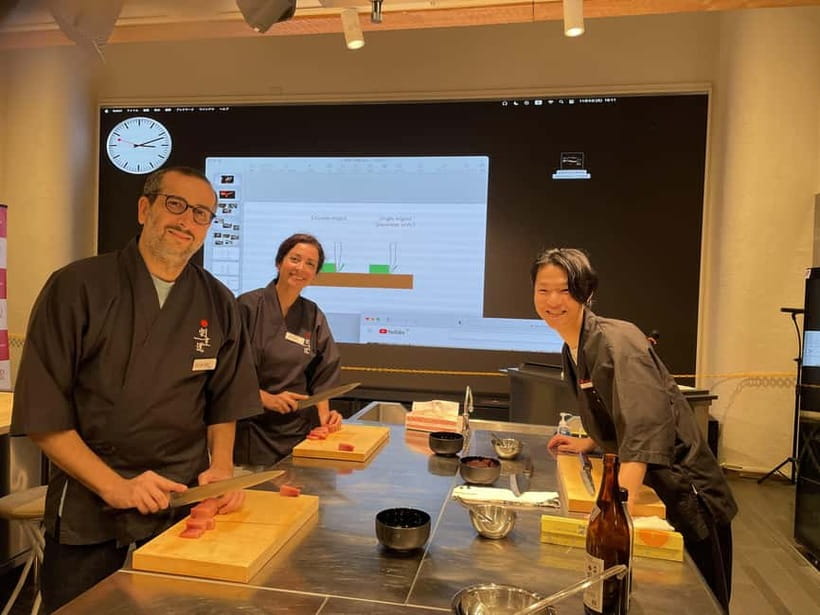
Next comes the moment you came for: tuna sashimi. You’ll first watch a knife skills performance where the instructor demonstrates slicing sashimi. You’re not just looking at the final result; you’re learning the rhythm—how the knife angle and motion work together.
Then it’s your turn. The workshop lets you practice cutting fresh sashimi yourself. And here’s what makes the experience valuable: you don’t practice with a mystery blade. You practice with the context of sharpness and technique you just learned.
In the class experience, tuna slicing is usually the most memorable part for people who love sushi or sashimi, because it’s both practical and a little dramatic. You can’t fake clean cuts. You either get a smooth slice or you don’t, and the instructor can guide you as you go.
Important note: the fish used can vary depending on availability. That’s normal in Tokyo, where sourcing matters. What stays consistent is the teaching approach and the slicing skill you practice.
Cook tuna zuke-don or build a sushi set
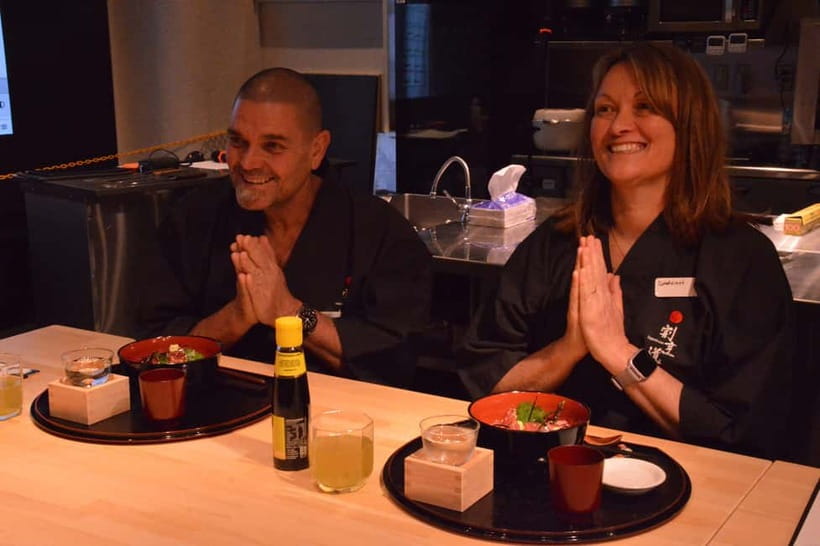
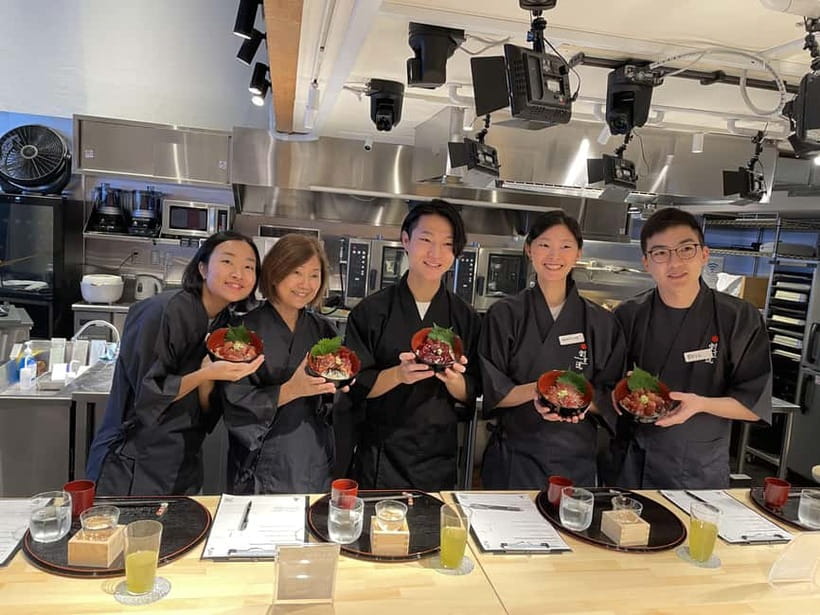
Now you switch from cutting to cooking. You’ll learn how to make either a tuna zuke-don rice bowl (marinated sashimi over rice) or a 10-piece sushi set. The workshop includes the ingredients and tools, so you’re not stuck figuring out what you need or hunting down specialty items.
Zuke-don is a smart choice for first-timers because it teaches balance. You’re taking sashimi tuna and treating it differently—marinating it so the flavors deepen and the texture changes. It also connects back to knife skills: good slicing matters, because it affects how the tuna absorbs the marinade and how it sits on the rice.
If you choose the sushi set route, you’ll be building a small set that gives you a taste of how sushi is put together as a craft. Either way, you’re learning Japanese home-cooking style technique with enough guidance to keep it doable.
Alongside your main dish, you’ll also make miso soup. And you’ll get green tea during the session, which is a nice reset between activities. Cooking in a class like this isn’t about rushing to finish. It’s about moving from step to step like you’ve done it before.






Eating it properly: miso, sake, and a calm finish
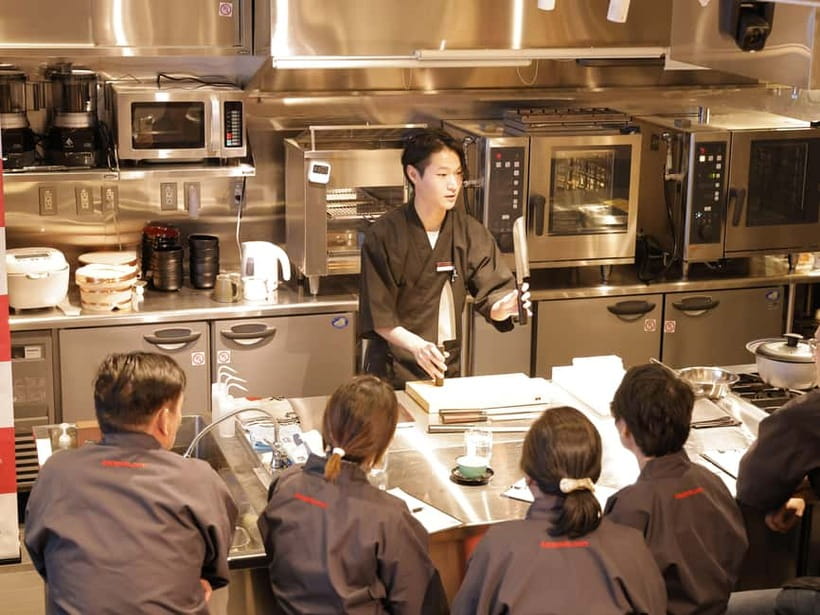
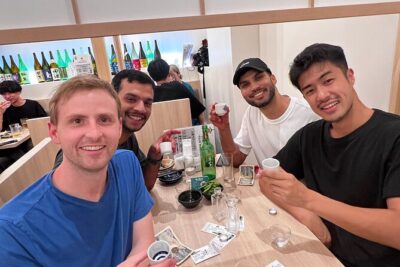
The best part of cooking classes is the moment when you stop and eat what you made. Here, you enjoy your handmade zuke-don or sushi with miso soup. Sake is included too, and it’s served as a tasting to wrap up the experience.
That pairing makes sense. Miso soup adds warmth and salt depth. Sake gives you a gentle alcohol note that complements fish without overpowering it. Even if you don’t normally order sake at restaurants, a tasting is an easy way to explore what changes depending on how the flavors line up.
You’ll also get a participation certificate presentation at the end. It’s a small paper keepsake, but it signals that this isn’t a casual demo. You went through the full learning cycle.
Price and value: where your $127 goes
At $127 per person for about 2 hours, this workshop isn’t trying to be the cheapest thing in Tokyo. But it also isn’t priced like a private chef experience. The value is in the combination of skills and what’s included:
- Knife sharpening instruction with whetstone technique
- Live demonstration plus hands-on sashimi slicing practice
- Cooking your own zuke-don or sushi set
- Full meal elements: miso soup, sake tasting, and green tea
- Ingredients, tools, and costume rental (Kappodo)
In other words, you’re paying for guided cutting practice and a meal you can actually eat—plus the takeaway recipe. If you’re the type of traveler who wants one Tokyo activity you can repeat at home, this is the kind of class that turns a one-time experience into a skill you’ll use again.
One consideration for value: transportation isn’t included, so you’ll want to factor in your commute time. Also, the class is for ages 12 and up, so if you’re traveling with kids, you’ll need to plan something else.
Who should book this knife skills workshop
This class fits best if you like hands-on learning and want something more technical than a typical food tour. You’ll probably enjoy it most if:
- You’re interested in sushi or sashimi and want to understand what makes slicing different
- You want to learn real knife sharpening fundamentals, not just cooking steps
- You like small group instruction where you can ask questions
- You want a Tokyo experience that ends with the food you made, plus sake
It’s not suitable if you have food allergies, since fish is involved and allergies need strict control. Fish used may vary, which is normal, but it means you shouldn’t count on a specific ingredient.
Also, keep expectations realistic. In 2 hours, you’ll learn core technique and get a strong first taste of the process. You won’t leave with perfect pro-level knife control on day one, but you will leave understanding the chain: sharp knife → clean cut → better texture → better dish.
Should you book it
Book this workshop if you want a Tokyo class that teaches you something you can practice, not just something you can photograph. The standout value is the pairing of whetstone sharpening with sashimi slicing practice, then finishing with a meal you helped make.
Skip it if you need an allergy-safe setup or if you’re uncomfortable working with knives and fish. And if you’re only interested in eating, you might find other options better suited to your time.
If you’re curious about Japanese knife culture and want a skill-based experience that still ends in a satisfying lunch with miso soup and sake, this one is easy to recommend.
FAQ
How long is the Japanese Knife Skills & Tuna Don/Sushi Workshop?
It runs for about 2 hours.
What is the price per person?
The price is listed as $127 per person.
How many people are in the group?
It’s a small group limited to 8 participants.
What languages are used by the instructor?
The instructor uses English and Japanese.
What will I learn to do during the class?
You’ll learn how Japanese knives are made, knife sharpening techniques, and Japanese knife skills for slicing sashimi. You’ll also cook a tuna zuke-don rice bowl or make a 10-piece sushi set.
Is lunch included?
Yes. Lunch includes sashimi zuke-don (tuna marinating rice bowl), miso soup, and sake, plus green tea.
Can I expect the fish type to always be the same?
The fish used may vary depending on availability.
Do I get a take-home item?
Yes. You’ll receive a participation certificate and a recipe to recreate the dish at home.
What should I wear or bring?
Wear comfortable clothes suitable for cooking.
Is transportation included, and is it refundable?
Transportation to and from the experience is not included. Free cancellation is available up to 24 hours in advance for a full refund.
![[Self-Drive] Tokyo & Daikoku Custom Car Driving Tour - Shibuya Crossing: Scramble Chaos, With You in Control](https://e.thetokyoexplorer.com/wp-content/uploads/self-drive-tokyo-daikoku-custom-car-driving-tour-400x400.jpg)