REVIEW · TOKYO
Private Tokyo Discovery: Explore Tokyo with an Expert Guide
Book on Viator →Operated by Shingo Travel · Bookable on Viator
Tokyo gets easier with a real guide. With Private Tokyo discovery by Shingo Travel, you move beyond big-name sights and into neighborhoods locals actually use, from Sasazuka and Hatagaya to Asakusa, Harajuku, Akihabara, and Shinjuku.
What I like is the custom feel. You can steer the day toward street life, pop culture, or hands-on lessons, and the guide plans around what you want to see (not a rigid checklist).
One possible drawback: food and drinks aren’t included, and not every stop’s admission is covered. Plus there’s no car, so expect transit and walking.
In This Review
- Key points worth knowing
- Why this Tokyo day feels different than DIY
- Shinjuku meeting point, pickup, and how you’ll get around
- Hatagaya and Sasazuka: old-school Tokyo street energy
- Asakusa’s ninja dojo: a hands-on Tokyo story
- Gakugei-daigaku Station: local life in Setagaya
- Meiji Jingu Shrine: a calm reset under the trees
- Takeshita Street in Harajuku: fashion, people-watching, and street snacks
- Akihabara and Shinjuku Golden Gai: tech + tiny Tokyo nightlife
- Senso-ji Temple in Asakusa: the big lantern moment
- Price and value: what $180 buys in real-world time
- Who should book this, and who might skip it
- Should you book Private Tokyo Discovery with Shingo Travel?
- FAQ
- Is this tour private?
- Can the tour be customized to my interests?
- Does the tour include pickup and a mobile ticket?
- How long does the tour take, and what are the hours?
- Is food or admission included?
- What is the cancellation policy?
Key points worth knowing
- True private time: only your group, so questions never get rushed
- English-speaking local guide (Shingo Travel): lived-in Tokyo knowledge, not a script
- Mixed day of temples and pop culture: Meiji Jingu, Takeshita Street, Akihabara, Golden Gai
- One paid activity option: the ninja dojo experience is not included in ticket price
- Pickup can be flexible: optional meet-up at your accommodation
- Mobile ticket: you don’t have to chase printed passes all day
Why this Tokyo day feels different than DIY
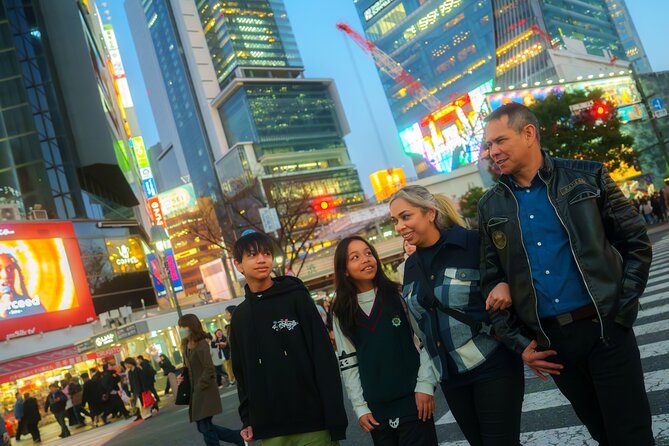
Tokyo is easy to get lost in, even when you have a plan. This tour works because the direction comes from someone who knows the city up close and reads the day like a local.
I like that you get both sides of Tokyo in one run. You’ll hit classic, photo-friendly stops, then switch gears to smaller streets and local-feeling areas where the vibe is less about sightseeing and more about daily life.
The big value is how fast you can get your bearings. Instead of spending half the day figuring out what’s nearby, you spend that time actually looking, tasting, and asking why things are where they are.
You can also read our reviews of more guided tours in Tokyo
Shinjuku meeting point, pickup, and how you’ll get around
You start at the Shinjuku Station West Exit Police Box. It’s a clear landmark, right where transit options stack up, which matters in a city where “nearby” can still take time.
Pickup is offered, and you can also arrange an optional meet-up at your accommodation. That’s a real help if you’re arriving the same day or don’t want to wrestle with trains while still waking up.
This is a no-car experience, so it’s built around public transportation and walking. Wear shoes you can stand in for a while, and bring a light layer because Tokyo weather can switch faster than you’d expect.
Hatagaya and Sasazuka: old-school Tokyo street energy
One early stop puts you around Hatagaya and Sasazuka, an area known for that nostalgic, neighbor-street feel. You’ll see a local shopping street scene where small vendors and everyday errands take center stage.
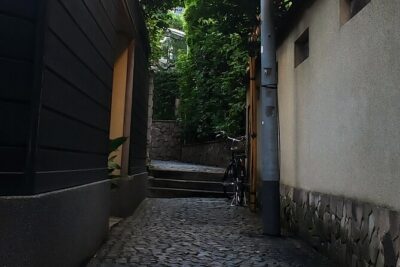
A highlight here is Sasazuka’s 10 Street, a winding shotengai-style lane. It’s the kind of place where you notice tiny details—signs, textures, and the way people move—without the pressure of huge tour crowds.
Why it’s worth your time: this is where Tokyo starts to feel human. It helps the rest of the day click, because you’re not only collecting landmarks—you’re seeing how Tokyo neighborhoods actually function.
Asakusa’s ninja dojo: a hands-on Tokyo story

Next up is Asakusa, and it comes with a fun twist: a traditional ninja dojo experience at Musashi Japan in the Asakusa area. This isn’t just about watching. It’s designed to get your group involved in learning traditional ninja skills from experts.
Important note: the admission for this activity is not included. That means you should budget extra for the dojo portion if it’s a must-do for your day.
Why this works in a 4 to 8 hour outing: it breaks up the temple-and-shop rhythm with an activity that feels personal. It also gives you something memorable to talk about later, beyond photos of streets and gates.
Gakugei-daigaku Station: local life in Setagaya
You’ll spend time around Gakugei-daigaku Station, set in the Setagaya ward area. This part of Tokyo gets described as a blend of relaxed residential character with active local culture.
The practical win here is the pacing. After louder, more famous districts, this stop gives your brain a breather while still letting you explore—on foot, at street level—how real Tokyo moves.
If you like the idea of Tokyo that feels lived-in, this is the kind of stop that makes the whole day feel intentional. You’re not just ticking boxes; you’re picking up Tokyo’s smaller rhythms.
You can also read our reviews of more private tours in Tokyo


Meiji Jingu Shrine: a calm reset under the trees
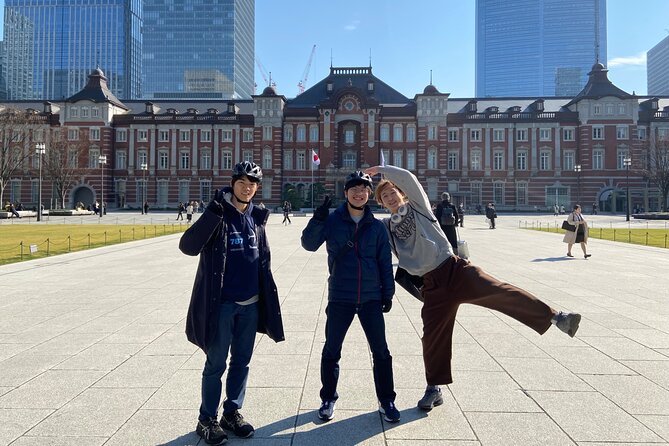
Then comes Meiji Jingu Shrine, and it’s the kind of place you’ll feel instantly. Towering trees create a quiet pocket in the middle of a city that rarely slows down.
It’s a great match for first-time visitors because it’s iconic but also peaceful. You’re not forced to rush through a checklist; you can take your time walking the grounds and reading the atmosphere.
The travel tip: treat this as your reset moment. If you’ve had crowds in Harajuku or Akihabara already, Meiji Jingu is where you can soften your pace and recharge.
Takeshita Street in Harajuku: fashion, people-watching, and street snacks
Takeshita Street is short and easy to reach, but it’s an experience. You’ll see youth fashion and pop culture energy along a pedestrian lane lined with trendy shops and street food stops.
Go in with the right expectations: it’s not about history here. It’s about modern Tokyo identity—style, products, and the quick snapshot feeling of a city’s fashion pulse.
Practical advice: if you get overstimulated, step away for a few minutes and re-center. A good guide helps here by balancing time and choosing when to move so you don’t waste your day in slow-moving crowds.
Akihabara and Shinjuku Golden Gai: tech + tiny Tokyo nightlife
Akihabara comes next, and it’s the heart of anime, manga, and electronics culture. You can walk through shop streets looking at gadgets, figures, and the kinds of products that only make sense in a district like this.
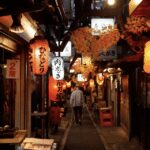
After that, you shift to Shinjuku Golden Gai, known for its small alleys and compact bar spaces. Think neon, narrow lanes, and that late-night Tokyo feel, without needing to plan a complicated itinerary by yourself.
What makes this pairing smart is contrast. Akihabara is about shopping and visual overload. Golden Gai is about atmosphere and the social energy of small spaces.
One consideration: if you’re not into pop culture, Akihabara might feel like sensory noise. In that case, a private guide is your advantage—ask for a more tailored route around your interests.
Senso-ji Temple in Asakusa: the big lantern moment
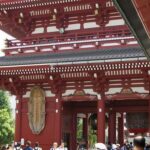
You finish with Senso-ji Temple, one of Asakusa’s most important historic landmarks. It’s famous for the Thunder Gate and the red lantern that frames the approach.
From there, you walk through Nakamise Street, a shopping lane lined with stalls that make the area feel like a lived-in tourist crossroads. You’ll get plenty of chances to browse, snack, and pick up small souvenirs.
Why it’s a good closer: it wraps the day’s story. You started with neighborhood streets, moved through a performance-style learning experience, and end with one of Tokyo’s most recognizable spiritual centers.
If you want a smoother finish, keep your expectations flexible. Nakamise can be busy, so don’t plan to slow-shop every stall. Use the time to pick a couple things you’ll actually eat or use.
Price and value: what $180 buys in real-world time
At $180 per person, this tour isn’t a bargain-basement option. But it’s also not priced like a full private driver day. You’re paying for a private, English-speaking local guide plus the time-saving logic of an expert route.
Here’s how the value adds up:
- You get 100% private time for your group. No waiting for strangers to decide what they want.
- You cover multiple high-demand areas in one organized day, which is hard to replicate smoothly on your own.
- You have the option to include hands-on activities like ninja lessons, and the tour concept also mentions other cultural workshop-style choices such as sweets-making, sushi-making, and manga drawing lessons, plus hairpin-making.
About admissions: many stops have admission free listed for the major sights on the plan. But the ninja dojo activity isn’t included, and food/drinks aren’t included. So you should treat the tour price as the guide + route, not everything-on-top.
If you’re traveling with friends or family, private time often feels even better value because you can split the cost while still staying in control of the pace.
Who should book this, and who might skip it
This tour is a strong fit if you want Tokyo without the stress tax. If you like asking questions, comparing neighborhoods, and having someone steer you away from wasted time, you’ll get a lot out of a private guide.
It also works well if you want variety. You’re hitting shrines, street shopping, pop culture districts, and a hands-on ninja experience idea in one day.
You might skip it if you already know Tokyo well and prefer total spontaneity. Or if you only care about one or two neighborhoods and want a slower, self-directed trip, DIY could be cheaper and fit your style.
Should you book Private Tokyo Discovery with Shingo Travel?
I’d book it if you want a first-class “Tokyo sampler” that still feels personal. The biggest reason is the guide: Shingo Travel’s approach is built around clear guidance, warm hospitality, and helping you navigate the city while also pointing out where to eat and what to do next.
If you’re okay paying for a private guide and you’re interested in a mixed day—from Meiji Jingu calm to Akihabara energy to Asakusa temple time—this is a smart use of your hours in Tokyo.
FAQ
Is this tour private?
Yes. It’s a private tour/activity, and only your group participates.
Can the tour be customized to my interests?
Yes. The experience is described as 100% private and customization of the tour, and it can be tailored to your interests.
Does the tour include pickup and a mobile ticket?
Pickup is offered, and there’s also an optional meet-up at your accommodation. A mobile ticket is included.
How long does the tour take, and what are the hours?
The duration is about 4 to 8 hours. The listed operating hours are 9:00 AM to 5:00 PM, Monday through Sunday.
Is food or admission included?
Food and drinks aren’t included. Some stops on the plan are free, but at least one activity listed (the ninja dojo) does not include admission in the tour price.
What is the cancellation policy?
You can cancel for a full refund if you cancel at least 24 hours in advance of the experience start time.