REVIEW · TOKYO
Haneda Layover tour of 5hours with local Japanese guide by car
Book on Viator →Operated by Travel Assist Japan LLC · Bookable on Viator
Tokyo’s layover doesn’t have to feel wasted. This private Haneda–Narita airport transfer tour uses a comfortable car plus a local guide to stack big-name sights into a tight window, with classic stops like Asakusa, Tsukiji, Meiji Jingu, and Shibuya. I like the door-to-door convenience and the way the route keeps moving without you wrestling trains with jet lag. One possible drawback: it’s a fast-paced plan, so if your flight timing is unpredictable, you’ll want extra slack and clear communication to avoid stress.
I also like that it’s truly private for up to four people, which makes it easier to get your questions answered on the spot. Guides I’ve seen praised for being punctual and organized (people name guides like Yaya and Fumie) seem especially good at turning a layover into something that feels like a real Tokyo day, not just checkboxes. If you’re the type who wants long, slow wandering breaks, this might feel like too much structure for 5 hours.
In This Review
- Key highlights to look for
- Why a Haneda–Narita car transfer beats train hopping
- The 5-hour plan: four iconic stops with real Tokyo contrast
- Asakusa Shrine: start with Tokyo’s old-meets-modern energy
- Tsukiji Fish Market: food culture without turning it into a headache
- Meiji Jingu: a quiet reset that makes the day feel complete
- Shibuya Crossing: end with the busiest Tokyo energy
- The guide experience: punctuality, planning, and real help
- Price and value: is $800 per group fair for a 5-hour private day?
- Comfort, photos, and food: how to make the most of a short window
- Who this tour is best for (and who might not love it)
- Should you book this Haneda-to-Narita layover tour?
- FAQ
- How long is the Haneda layover tour?
- What does the tour include?
- Is it a private tour?
- Where is the meeting point?
- Do I need to buy tickets for the stops?
- What’s the cancellation rule if my flight changes?
Key highlights to look for
- Door-to-door transfer: pickup and send-off included, handled by a local guide in a car.
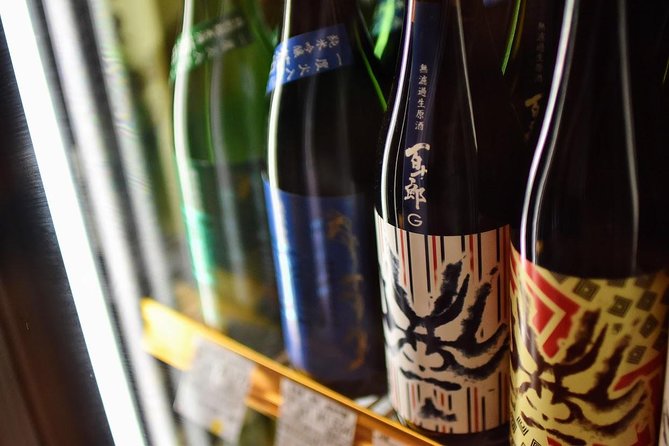
- Big sights, short visits: four major stops in about 5 hours, with entry listed as free at each stop.
- Private group of up to 4: better pacing and flexibility than shared shuttles.
- Guide-led timing: guides like Yaya and Fumie are repeatedly praised for organization and promptness.
- Photo-ready final stop: Shibuya Crossing caps the day with maximum Tokyo energy.
- Optional SkyTree add-on: if you choose it, there’s a listed extra fee.
Why a Haneda–Narita car transfer beats train hopping
If you’re landing at Haneda and flying out of Narita (or the reverse), the biggest challenge isn’t Tokyo itself. It’s the logistics of crossing the city while your time is sliced thin.
This is built for that exact situation. You get airport pickup and then a guided drive between neighborhoods, so you spend less time calculating routes and more time seeing Tokyo. In practical terms, that also means fewer stress moments when you’re tired: fewer ticket machines, fewer transfers, and less confusion when signage is moving faster than your brain after a long flight.
The private setup matters too. With a group that can be up to four, you’re not stuck waiting for a large pack to catch up. You can move as a unit, ask questions as you go, and adjust in small ways if the moment calls for it.
You can also read our reviews of more guided tours in Tokyo
The 5-hour plan: four iconic stops with real Tokyo contrast

This tour is designed like a mini greatest-hits sampler, but it’s not random. The stops change mood several times, which helps when you only have a day to spend.
You’ll start at Asakusa Shrine for about 50 minutes. Then you move to Tsukiji Fish Market for around 40 minutes. Next is Meiji Jingu for about 40 minutes. Finally, you end at Shibuya Crossing for roughly 30 minutes.
That math is important. You get enough time at each place to see more than just a photo angle, but it’s still paced so you’re not worn out by the time you reach Shibuya. If your layover is short, or you just want to make the most of a long transit day without turning it into a workout, this structure is the point.
One thing to consider: those times assume smooth movement and quick transitions. If your flight is delayed or you clear customs slowly, you may feel the pinch. The best strategy is to share your flight details upfront so your guide can plan the day around reality, not theory.
Asakusa Shrine: start with Tokyo’s old-meets-modern energy
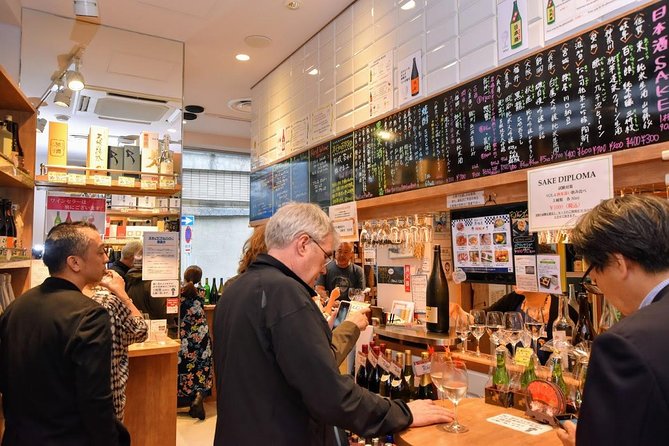
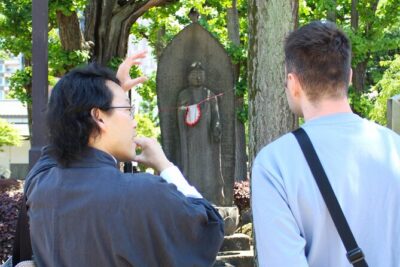
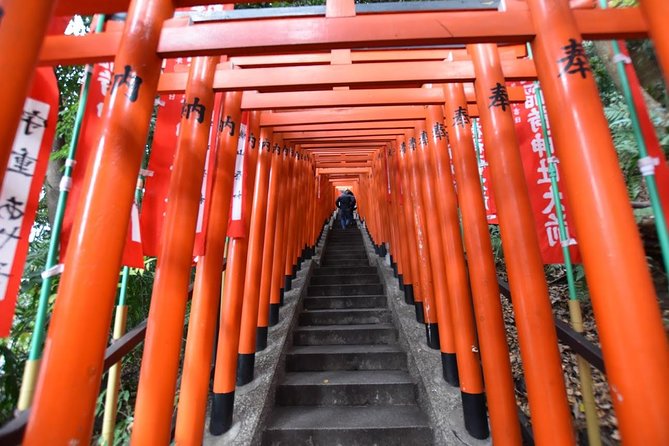
Asakusa Shrine is a great place to begin because it sets Tokyo’s tone in one shot. You’re in a traditional space with visual rhythm that feels very different from the airport world.
With about 50 minutes here, you should have enough time to take in the approach area, look around, and still enjoy the calm that comes with a slower pace than you’ll get later at Tsukiji and Shibuya. This is also the kind of stop where a guide can help you notice things quickly—like what to look for from the main viewing areas, and how to time your photos so you’re not constantly stuck in crowds.
Since the tour lists admission as free for this stop, you can keep your budget focused on food instead of entry fees. That’s helpful on a layover day when you don’t want surprises.
Possible drawback: Asakusa is popular. If you’re aiming for the easiest photo conditions, you’ll want to match your guide’s timing and trust the plan rather than wandering off on your own.
Tsukiji Fish Market: food culture without turning it into a headache
Tsukiji Fish Market is famous for a reason, but it can also be chaotic if you arrive without a plan. In this tour, you get about 40 minutes, which is a smart window: long enough to soak up the vibe and spot the food culture, short enough that you don’t get stuck losing time.
Here, admission is listed as free as part of the itinerary, so your main costs are what you choose to eat (lunch is not included). If you’re the type who likes to taste a little and move on, Tsukiji is a perfect mid-tour stop: you get sensory payoff without needing a long sitting meal.
In a private format, you also have an advantage. A good guide can help you pick places to look at—especially if you want something more “street-level Tokyo” than formal restaurant service. I’ve seen guides praised for being helpful with food and drink choices and for finding good spots efficiently. The goal is to let you experience the market atmosphere while keeping your energy for the next two stops.
Meiji Jingu: a quiet reset that makes the day feel complete
After markets and busy streets, Meiji Jingu Shrine works like a reset button. You go from intense urban activity to a sacred, forested-feeling setting that helps you breathe between transit-heavy areas.
The time here is about 40 minutes, which is enough to walk the main approach, take in the atmosphere, and still feel like you didn’t rush. This stop also listed admission as free, so it’s another low-friction win for your schedule.
If your layover day feels like it’s been nothing but moving, Meiji Jingu is the moment that makes it feel like a real day out. It also balances the “performative Tokyo” of Shibuya with something more grounded and reflective.
Tip for your own pacing: treat this as a slower stop. Even if you’re on a tight timetable, you’ll enjoy the day more if you don’t try to sprint through the grounds just to keep up with the itinerary.






Shibuya Crossing: end with the busiest Tokyo energy
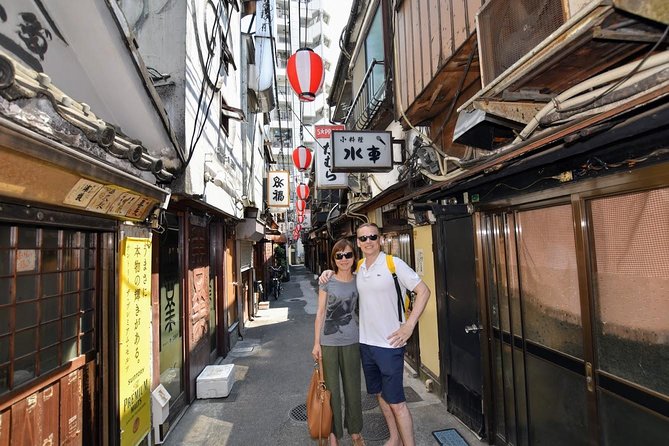
Shibuya Crossing is the finale for a reason. It’s the kind of place where Tokyo feels instantly legible: bright signage, layered streets, and that iconic scramble you’ve probably seen in photos.
You’ll have about 30 minutes here. That’s enough for one strong “I’m actually here” loop, photos from good angles, and then one last look at how the streets flow as the crowd splits and recombines.
Admission is listed as free, so your end-of-day costs should mostly be what you buy for snacks or drinks. Lunch isn’t included, so some people use Shibuya as their last chance for convenience food before heading back toward the airport.
One consideration: Shibuya is busy by nature. If you hate crowds, keep your head clear. Use your guide’s plan for where to stand and when to cross, and don’t try to chase every photo angle in the short window.
The guide experience: punctuality, planning, and real help
The quality of a layover tour lives and dies by the guide. When it’s good, the day runs like a well-timed train (even if you’re in a car). When it’s not, you feel it fast because you don’t have many extra hours to fix mistakes.
From the names that come up most—like Yaya and Fumie—the standout theme is solid logistics. People specifically highlight punctual pickup timing and strong responsiveness, plus guides who organize routes and help with planning on the fly. There’s also praise for guides who act like a helpful friend: patient, warm, and tuned into what you want to see and photograph.
Some reviews also mention guides making things easy for families, including working well with a 10-year-old. That matters because layover days often include kids who can’t do long museum-style pacing but still want memorable moments.
At the same time, there’s one caution worth taking seriously: because this tour is time-sensitive, punctuality is non-negotiable. If you book, make sure your flight schedule is correct in your confirmation, and double-check the pickup time window so there’s no last-minute scramble.
Price and value: is $800 per group fair for a 5-hour private day?
At $800 per group (up to 4), this isn’t a budget tour. It’s a private guided transfer day. That means you’re paying for three things at once: a car, a local guide’s time, and the ability to hit multiple neighborhoods efficiently.
So how do you judge value?
First, ask how much an airport transfer + guide time would cost if you tried to piece it together yourself. Between Haneda and Narita, the time tax can be brutal, especially if you’re also trying to see Tokyo highlights. This tour bundles that time with sightseeing, which often makes the price feel more reasonable than it looks at first glance.
Second, compare it to shared tours or public transit routes. If you’re traveling as a group of two to four, private value usually improves because the $800 spreads out. If you’re traveling solo, you may feel the cost more strongly because you can’t share the overhead.
Third, think about the “friction factor.” If you’re tired, carrying luggage, or traveling with a child, reducing the number of transfers and decision points has real value. A well-run private day prevents wasted minutes that you can’t get back during a layover.
Add-on costs to remember: lunch is not included. SkyTree is only mentioned as an optional extra, listed at $20 per person if necessary. Keep that in mind if you’re trying to manage total day spending.
Comfort, photos, and food: how to make the most of a short window
Because you’re packing four major areas into five hours, smart habits matter more than usual.
1) Keep your priorities tight. Pick what you want most: shrine atmosphere, market sights, or Shibuya photos. The tour hits all of them, but your personal attention will determine how satisfying the day feels.
2) Eat lightly or plan snacks. Lunch isn’t included, so decide in advance whether you want to buy something small near Tsukiji or save it for later. If you like food-focused stops, Tsukiji is your best bet for quick tastes.
3) Bring a camera strategy. Shibuya is the photo finish, Asakusa is the classic start, and Meiji Jingu is your calm “walk and shoot” break. You’ll feel better if you don’t try to photograph everything equally.
4) Expect walking, but not marathon walking. You have short time blocks at each stop, so wear comfortable shoes and stay flexible if crowds bunch up.
5) Use the mobile ticket. The tour offers a mobile ticket, which simplifies day-of check-in. That’s a small thing, but it helps when you’re juggling airports and timing.
Who this tour is best for (and who might not love it)
This makes the most sense for you if:
- You’re flying into Haneda and leaving from Narita (or vice versa) and you want a guided day instead of a transit-only day.
- You want a classic “Tokyo highlight” mix without building an itinerary under time pressure.
- You prefer private pacing and a guide who can adjust on the fly.
It may not be the best match if:
- You hate crowd-heavy areas like Shibuya and want a quieter Tokyo day.
- You want hours at one neighborhood and long meal breaks.
- Your schedule is extremely uncertain and you can’t add buffer time for delays.
Also, if you’re booking close to your travel date, you might want to move sooner. The average booking window listed is about 18 days in advance, which suggests this kind of layover slot can go fast.
Should you book this Haneda-to-Narita layover tour?
If your goal is simple—transform a stressful transfer day into a Tokyo highlight day—this is a strong option. The biggest strengths are the private car convenience, the structured pacing across four iconic stops, and the guide help that keeps you moving with less confusion.
I’d book it if you’re traveling as a small group (up to four), you want classic sights in a short time, and you’d rather pay for smooth logistics than spend energy figuring out transport while tired.
Skip it or choose a different style if you want a slow travel day, or if your flight timing is so unpredictable that a tight 5-hour plan could feel risky.
If you do book, send your flight details clearly, wear comfortable shoes, and treat the day like a sprint with breaks—because that’s exactly what it’s designed to be.
FAQ
How long is the Haneda layover tour?
The tour is about 5 hours.
What does the tour include?
It includes airport pick-up and send-off. Lunch and any optional admission fees are not included.
Is it a private tour?
Yes. It’s private and only your group participates, up to 4 people.
Where is the meeting point?
The listed start location is Haneda Airport (3-3-2 Hanedakuko, Ota 144-0041 Tokyo Prefecture). The tour is described for moving between Haneda and Narita, so you’ll want to follow the confirmed meeting details for your specific direction.
Do I need to buy tickets for the stops?
Admission for the planned stops is listed as free. SkyTree is only mentioned as an optional add-on at $20 per person if necessary.
What’s the cancellation rule if my flight changes?
Free cancellation is available up to 24 hours in advance for a full refund. If canceled due to poor weather, you’ll be offered a different date or a full refund.