REVIEW · TOKYO
Flavours of Tokyo: A Journey Through Time – Small Group Food Tour
Book on Viator →Operated by Hello! Tokyo Tours · Bookable on Viator
Tokyo food gets better when you track time. This small-group tour strings together 3 districts—Nihonbashi, Ginza/Yurakucho, and Akihabara—while mixing Edo-era staples with postwar bar culture and future-style sweets.
I really like the way the tour teaches you what makes Japanese flavors work, starting with dashi (kombu and katsuobushi) instead of just naming dishes. I also like that the stops don’t stay in one “tourist food” bubble; you’ll move from shrine space to train-station snack culture and end on Akihabara desserts.
One thing to consider: it’s not a sit-and-eat afternoon. You should expect about 6.5 km of walking plus subway stairs, and you’ll pay for transport outside the tour price (they mention two short subway rides).
In This Review
- Key highlights to know before you go
- Why this Tokyo tour feels like a food-history walk
- Small-group size and pacing: what max 9 really changes
- The value question: $176 for 14 dishes plus lunch and a drink
- Stop 1 in Nihonbashi: where dashi teaches you the whole flavor system
- Fukutoku Shrine: a brief culture reset between food stops
- Ginza and Yurakucho: industrial Tokyo, salarymen, and gado shita
- Walking toward Tokyo Station: International Forum, Kitte, and commuter snacks
- Akihabara desserts and the future of Japanese food
- Guides make or break it: what to look for with Yasu, Keiko, Miko, and Paiva
- What you’re actually eating: the included menu, grouped by type
- Savory and ingredient tastings
- Sweets and street-food style bites
- Lunch meals
- The station-sweet hit
- One included drink
- How much walking is it, really?
- Potential drawbacks: transport, sharing-style bites, and leaving room for dinner
- Who should book this tour (and who might pass)
- Should you book Flavours of Tokyo: A Journey Through Time?
- FAQ
- Where does the tour start and end?
- How long is the experience?
- What’s included in the price?
- What areas does the tour cover?
- Do I need to pay for transportation?
- How big is the group?
- How much walking should I expect?
- What if the weather is bad?
- Is the booking refundable?
Key highlights to know before you go
- 14 dishes in a time-travel route from Edo foundations to Akihabara future-food
- Max 9 people for easier conversation and less rush through tight snack lines
- Real Tokyo anchors: Nihonbashi area, Tokyo Station area (International Forum, Kitte, Daimaru), then Akihabara
- Flavor lessons you can reuse: dashi, amazake, satsuma-age, and sweets like daifuku/dorayaki
- Built-in drinks and lunch: yakitori, tempura soba, tamagoyaki, plus a Lemon Sour
Why this Tokyo tour feels like a food-history walk
This is not a random sampler. The core idea is simple: you move through Tokyo and each area explains how Japanese eating habits changed with the city. You start with ingredients that sit underneath a lot of classic Japanese food, then shift toward postwar everyday eating, and finish with the playful, tech-and-pop-culture side of modern desserts.
What makes the route feel satisfying is the mix of “food you can find everywhere” and “food you’d miss without a local plan.” You’ll taste items tied to specific places—like commute-home snacks around Tokyo Station—rather than only eating at one themed restaurant.
If you like the idea of food as a timeline, this tour makes that easy to follow without needing much prep. And if you’re more of a pure-snacker, the pacing still works because you’re stopping often enough to keep momentum.
You can also read our reviews of more food & drink experiences in Tokyo



Small-group size and pacing: what max 9 really changes
A maximum group size of 9 matters more than you might think in Tokyo. Smaller groups usually mean less waiting at crowded storefronts and more time for your guide to explain why each dish exists in the first place.
Guides also shape the vibe. I’ve seen multiple guide names associated with this tour—Yasu, Keiko, Miko, and Paiva—and the consistent thread is that they connect food to neighborhood life. In a couple of the notes, one guide even mentioned using a booklet with historical photos, which is handy because you can remember what you tasted while you’re still walking.
That said, this is still a 5.5-hour walking tour. Expect to keep up with the group pace and handle lots of stair steps at subway stations.
The value question: $176 for 14 dishes plus lunch and a drink
At $176 per person, the price lands in the “serious food tour” category. The reason it can still feel like good value is what’s bundled.
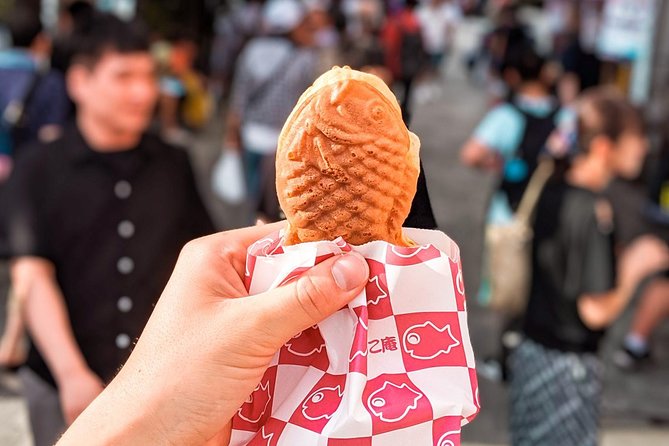
You’re not only getting small bites. The included food list includes snacks (like dashi, katsuobushi, kombu, satsuma-age, amazake, imo kenpi, daifuku or dorayaki, Pokemon taiyaki, and matcha bubble tea or ice cream) plus lunch dishes: yakitori, tempura soba, tamagoyaki, and fruits sando. There’s also an included alcoholic drink: Lemon Sour.
Also note the implied benefit: you’re paying for routing and timing. Without a plan, Tokyo’s best snack spots can be hard to locate, and ordering can be intimidating. This tour reduces that friction while keeping the itinerary spread across 3 districts.
One practical point: you still pay for transport used during the tour. The tour notes mention two short subway rides, so budget a little extra on top.
Stop 1 in Nihonbashi: where dashi teaches you the whole flavor system
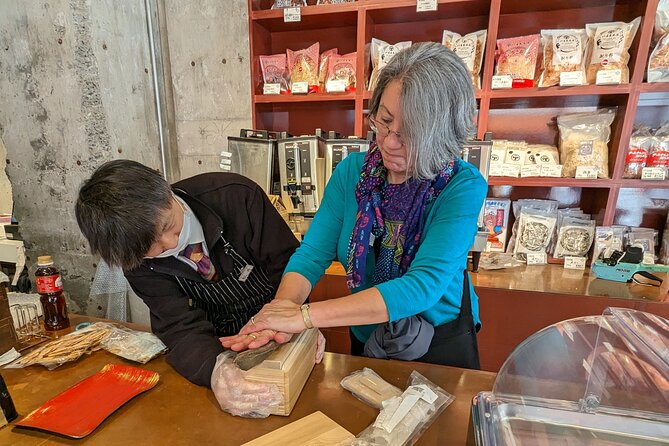
You begin in Nihonbashi, a place tied to Tokyo’s older food identity. This first stretch runs about 1 hour 30 minutes, and it’s built around the ingredients that underpin much of Japanese cooking—especially dashi, the stock base.
Even if you’ve eaten Japanese food before, this part helps you understand why so many dishes taste the way they do. You’ll focus on dashi and the supporting pieces that show up constantly in home and restaurant cooking: kombu (kelp) and katsuobushi (bonito flakes). You’ll also get tastings linked to these flavors rather than just hearing the words.
What I like about starting here is that it gives you a mental toolkit. Later, when you taste things like tempura soba or savory bar-style bites, you can connect the flavor dots back to that early lesson.
One small drawback: the beginning is information-heavy compared to later stops. If you like tasting first and learning second, plan to keep your energy up for the first 1–1.5 hours so you’re ready to absorb it.
Fukutoku Shrine: a brief culture reset between food stops
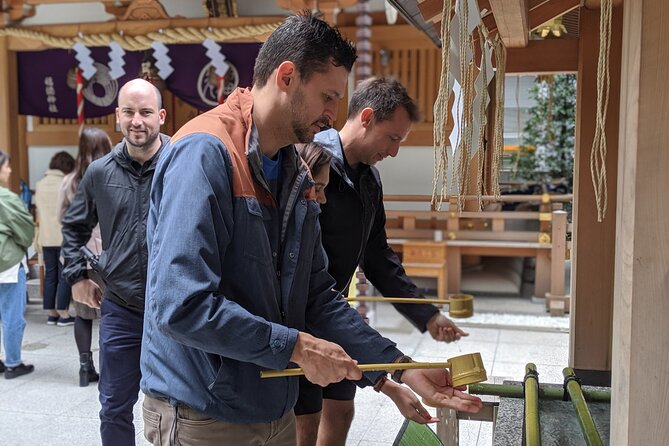
Next you visit Fukutoku Shrine for about 10 minutes. It’s short, but it serves a purpose: you pause the food sampling and get a quick look at how Shinto shrine practices differ from Buddhist temple culture.
The tour highlights cleansing the spirit and praying at a shrine, plus the basic differences between shrines and temples. That matters because Japan’s food habits aren’t only about taste—they sit inside everyday customs and belief systems too.
Keep your expectations realistic here. This isn’t a deep dive. It’s a quick context stop that helps the day feel grounded in real Tokyo, not just food stops stitched together.
You can also read our reviews of more tours and experiences in Tokyo



Ginza and Yurakucho: industrial Tokyo, salarymen, and gado shita
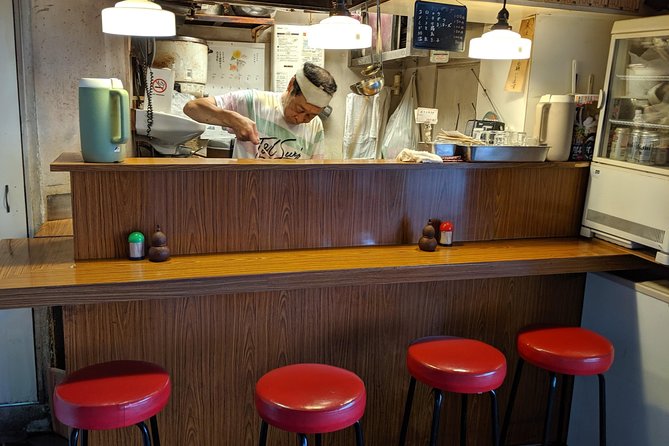
From Ginza and into Yurakucho, the tour shifts into the postwar story. This part runs about 1 hour 10 minutes (and the itinerary includes additional time in the same general area), with a focus on how industrialization shaped daily life.
The key idea is that salarymen and late-day routines created a demand for small, practical places—often gado shita, meaning those compact bars and restaurants tucked under rail-related spaces. That’s why this section feels different from the Nihonbashi ingredient lesson.
Food in this zone tends to reflect the “after-work” rhythm: quick ordering, shareable plates, and comforting flavors designed for real schedules. Even without a long lecture, the neighborhood logic helps you understand why Tokyo’s bar-food culture exists.
If you like social eating—small places, casual energy, and snacks paired with drinks—this is where the tour starts feeling most like Tokyo life.
Walking toward Tokyo Station: International Forum, Kitte, and commuter snacks
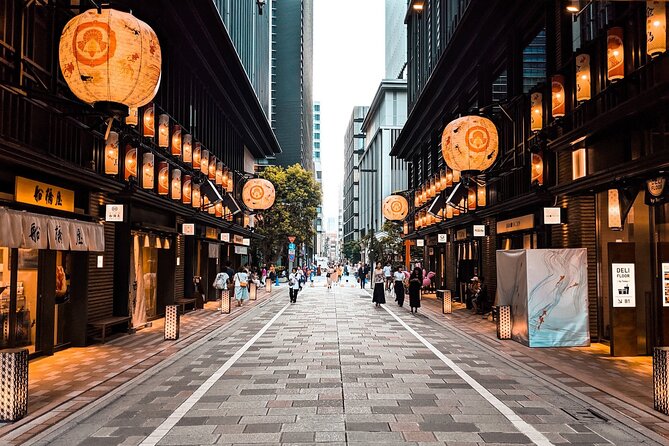
After Ginza/Yurakucho, you stroll toward the Tokyo Station area. The itinerary calls in at the Tokyo International Forum Building (about 15 minutes) and then you pass through Kitte Marunouchi (about 10 minutes).
These are “big city” landmarks, but the point is practical: they’re on the route that connects Tokyo’s rail spine to everyday consumption. You’re watching the city’s food habits from street level, not from inside one restaurant.
Then come two very snackable stops:
- Tokyo Station Marunouchi Ekimae Hiroba (about 20 minutes)
- Daimaru Tokyo (about 20 minutes)
Here you try commute-home classics, specifically tamagoyaki (Japanese omelette) and a fruits sando made with fresh fruit and whipped cream on Japanese milk bread. This is one of the strongest “you’ll remember this later” parts of the tour because it’s so Tokyo: quick, pretty, and built for grabbing on the way out.
Timing note: because these are popular station-area spots, you may be in lines. The small-group size helps, but keep your pace steady and don’t plan to use this stop for other errands.
Akihabara desserts and the future of Japanese food
You finish in Akihabara (about 45 minutes). The neighborhood is famous for electronics and anime culture, and this tour uses that reputation to talk about the future direction of Japanese food.
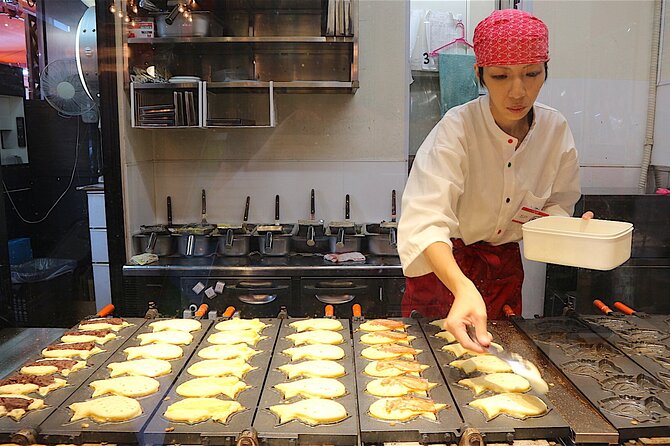
The dessert tastings are the payoff here. You’ll try items like Pokemon taiyaki, plus sweets such as daifuku or dorayaki earlier in the day, and you’ll also have a choice from matcha bubble tea or matcha ice cream. The tour frames these as a modern take on older sweets and techniques—same comfort base, different packaging and cultural cues.
I like how the day ends this way. It prevents the tour from feeling like homework. Instead, it becomes a fun finale that still connects to the theme: food adapting to what people care about now.
If you’re not into anime tie-ins, you can still enjoy this section for the way it treats dessert as a cultural product—something shaped by trends, marketing, and imagination.
Guides make or break it: what to look for with Yasu, Keiko, Miko, and Paiva
The most consistently praised part of the tour is the guide experience. Multiple guide names show up with very positive comments, including Yasu, Keiko, Miko, and Paiva.
The best sign you’ll have a great day is the guide’s balance of history and humor. Several notes emphasize that the guides explain how food moved through time and how that shows up in today’s neighborhoods. That includes practical cultural coaching, too—like how to handle small hiccups in the flow of the day (one note references help when a transit pass situation got stuck at the start).
I’d also pay attention to whether your guide provides added materials. At least one guide used a presentation booklet with historical photos, which can make the theme feel clearer and easier to remember.
In short: if you choose this tour, you’re not just buying snacks. You’re buying a story that makes the snacks make sense.
What you’re actually eating: the included menu, grouped by type
Here’s what the tour includes as snacks and lunch, in plain English:
Savory and ingredient tastings
You’ll try dashi, plus katsuobushi and kombu as flavor elements. You’ll also taste satsuma-age (a fried fish paste) and imo kenpi (a sweet potato snack). There’s also amazake, a sweet fermented rice drink.
Sweets and street-food style bites
You’ll have choices that can include daifuku or dorayaki, plus Pokemon taiyaki for the Akihabara finale. There’s also matcha bubble tea or ice cream, depending on the option that day.
Lunch meals
Lunch is not an afterthought. You’ll get yakitori and tempura soba.
The station-sweet hit
You’ll also have tamagoyaki and fruits sando around Tokyo Station, which are very “on the way home” foods and fun to eat while you’re still moving through the day.
One included drink
You’ll be served a Lemon Sour. It’s included, which helps the price feel more reasonable, especially if you’re planning to eat and drink anyway.
How much walking is it, really?
The tour expects about 6.5 km total walking over roughly 5.5 hours. That’s a solid city-walk day, and Tokyo rewards sturdy shoes.
The bigger issue isn’t just distance—it’s the stairs in subway stations. The tour specifically flags that you should be able to walk at a reasonable pace in a group and handle lots of stair steps.
If you’re visiting with knee issues or you hate stairs, this might be a rough match. If you’re in good shape and you travel with comfortable shoes, you’ll probably find the frequent snack stops make the walking feel more tolerable.
Also: the meeting point is in Nihonbashi (Nihonbashi 1-chome Mitsui Building) and you end at Akihabara Station. Plan to keep your last train plans flexible so you can enjoy the finish without rushing.
Potential drawbacks: transport, sharing-style bites, and leaving room for dinner
A few practical things can change how satisfying the day feels.
First, transport costs aren’t included. The tour notes say they take two short subway rides. You’ll want to have transit funds ready, and ideally a contactless transit card you can use smoothly.
Second, the structure is built around tastings plus a full lunch. In general, the tour is designed so most people leave full. Still, you should expect some items to be sampled rather than consumed like a normal sit-down meal at every stop.
If you love massive portions, you might occasionally feel like a bite was a little small. If you like variety and “food moments,” you’ll likely find the lineup more satisfying than a single big feast.
Finally, this tour needs good weather. Since it’s walking-heavy, you’ll want to check the forecast close to departure.
Who should book this tour (and who might pass)
I’d steer you toward this tour if:
- You want Tokyo food with a timeline, not just a checklist of dishes
- You like learning what ingredients mean—especially dashi basics with kombu and katsuobushi
- You want a small-group experience that stays lively
- You’re the type who enjoys station-area snacks and neighborhood-change walking
I’d consider skipping or swapping plans if:
- You hate stairs and long walks
- You’d rather do a purely food-only tour with fewer stops and less story
- You’re only interested in one district and don’t want to cover Nihonbashi to Akihabara in one go
Should you book Flavours of Tokyo: A Journey Through Time?
Book it if you want a Tokyo day that feels like a story you can eat. The strongest reason to choose it is the balance: 14 tastings, a real lunch, and a guide who explains how flavors and habits shift across Tokyo—from Edo-style ingredient foundations to postwar after-work culture and end-on-modern Akihabara desserts.
Don’t book it if you’re hoping for a low-walking, minimal-learning food session. This is active. It’s built for people who can handle a long afternoon on foot and who don’t mind that some parts of the day are about context as much as the food.
If you like the theme and you’re physically comfortable walking with subway stairs, you’re likely to have a great time.
FAQ
Where does the tour start and end?
It starts at Nihonbashi 1-chome Mitsui Building (1-chōme-4-1 Nihonbashi, Chuo City) and ends at Akihabara Station (1 Chome Sotokanda, Chiyoda City). The start time listed is 11:30 am.
How long is the experience?
The tour runs for about 5 hours 30 minutes.
What’s included in the price?
Snacks include items like dashi, katsuobushi, kombu, satsuma-age, amazake, imo kenpi, and sweets such as daifuku or dorayaki (plus Pokemon taiyaki). Lunch includes yakitori, tempura soba, tamagoyaki, and fruits sando. The tour also includes a Lemon Sour.
What areas does the tour cover?
You’ll spend time in Nihonbashi, Ginza and Yurakucho, plus Tokyo Station area stops (Tokyo International Forum, Kitte Marunouchi, and stores around Marunouchi), and you finish in Akihabara.
Do I need to pay for transportation?
Yes. Transport costs used during the tour are payable by you, and the tour mentions taking two short subway rides.
How big is the group?
The tour has a maximum of 9 travelers.
How much walking should I expect?
You should expect to walk about 6.5 km (around 4 miles) in total over the 5.5 hours, and you should also expect stairs at subway stations.
What if the weather is bad?
The experience requires good weather. If it’s canceled due to poor weather, you’ll be offered a different date or a full refund.
Is the booking refundable?
This experience is non-refundable and cannot be changed for any reason.