REVIEW · TOKYO
Tokyo: Asakusa Kimono Dressing and Matcha Experience
Book on GetYourGuide →Operated by Niagarashot Inc. · Bookable on GetYourGuide
Asakusa in kimono feels like time travel. In about two hours, you’ll pick from a wide range of kimono or yukata, get your hair and accessories arranged, and enjoy a focused matcha lesson with tea and sweets. I love how the shop builds the whole experience around comfort and photos, not just a quick outfit swap. You also get a practical runway moment: once you’re dressed, you can walk Asakusa right away. One thing to plan for is timing and layers, since you need to return your kimono by 17:30.
The best part is how carefully the staff handle the details, including dressing and hairstyles that can be tricky depending on your hair type. Names you might hear include Yoshi and Tsuyoshi, with English support throughout. The only real drawback is that this is a dress-and-walk experience, not a full guided tour of every site, so if you want deep historical commentary at every step, you may feel a bit on your own after the dressing and matcha. Also note it’s not suitable for pregnant women.
In This Review
- Key things to know before you go
- Why Asakusa kimono-and-matcha is such a good Tokyo activity
- Entering YUI: meeting point and what you’ll do first
- Choosing your kimono and getting the full outfit (not just the top layer)
- The dressing-and-hair window: 45 to 70 minutes of “please be patient with me”
- The matcha lesson that turns tea into a small cultural skill
- Walking Asakusa after you’re dressed: what to do with your free time
- Optional photo shoot near Sensoji and the Sumida River
- Price and value: why $56 can make sense (if you use the whole experience)
- Who this experience suits best (and who should skip it)
- Small practical tips so your day stays fun
- Should you book Tokyo: Asakusa Kimono Dressing and Matcha?
- FAQ
- How long is the kimono and matcha experience?
- Where is the meeting point?
- Is matcha tea included?
- What’s included in the kimono dressing?
- Can I add a photo shooting session?
- What time do I need to return the kimono?
- Is it wheelchair accessible and suitable for children?
- What is not included?
Key things to know before you go
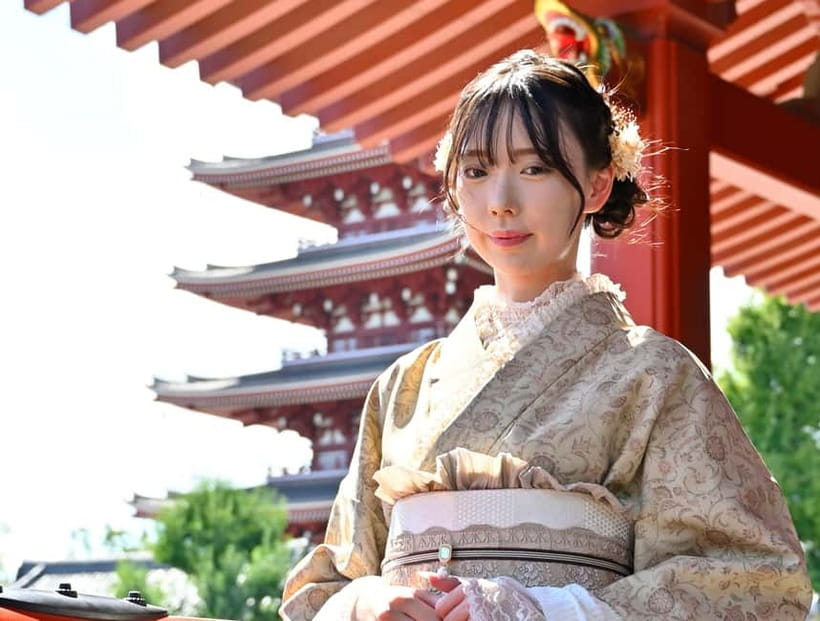
- YUI shop location: A short walk from Asakusa Station and near Kaminarimon gate, so it’s easy to fit into a day
- You wear it, then explore: After dressing and matcha, you can roam in kimono until the 17:30 return time
- Hair and outfit help included: Footwear (geta), a handbag, and a hairstyle with accessories are part of the package
- Matcha lesson, not just a drink: You’ll get taught how to prepare and drink it in a traditional style
- Optional pro photo session: A 60-minute shoot around Sensoji Temple and the Sumida River, with edited digital photos delivered within a week
- Comfort-forward service: The staff are known for patience and careful handling, including for children and wheelchair users
Why Asakusa kimono-and-matcha is such a good Tokyo activity
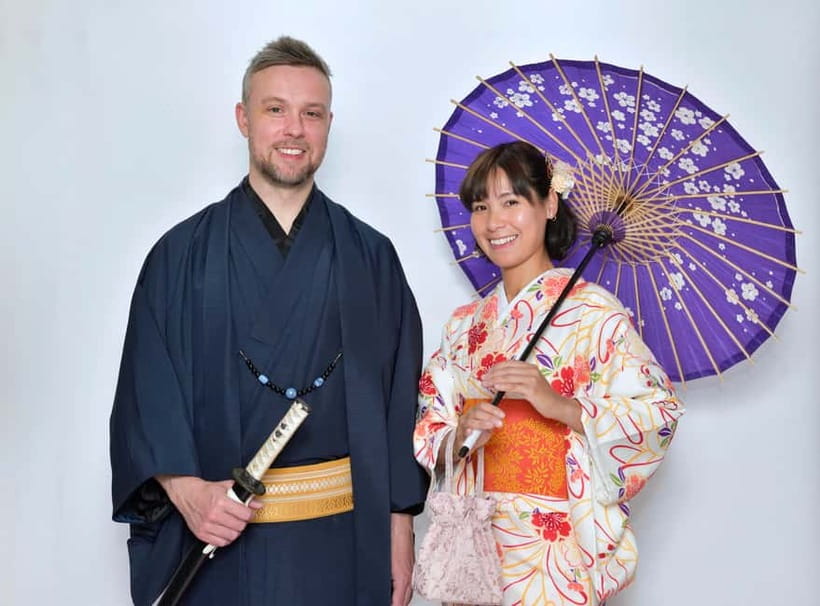
Asakusa is the part of Tokyo that feels human-scale. It’s older, slower, and full of lanes where you can actually see yourself in the setting instead of just passing through. That’s why this kimono dressing + matcha combo works so well: your outfit isn’t just costume. It’s part of the street scene.
You’re also not stuck in a classroom for long. The experience is built around two chunks: getting dressed (with hair and accessories), then tasting and learning matcha etiquette, and finally walking around on your own. It’s a neat mix of guided care and free time.
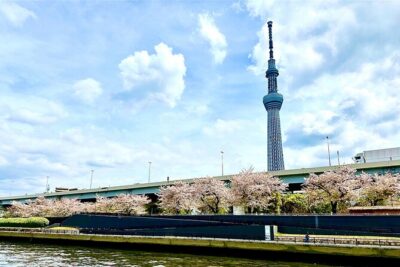
And yes, the photos tend to be excellent, especially near Sensoji Temple and the Sumida River. Even if you skip the formal photo session, just wearing a kimono in this neighborhood gets you instant “how is that real” reactions.
You can also read our reviews of more tours and experiences in Tokyo.



Entering YUI: meeting point and what you’ll do first
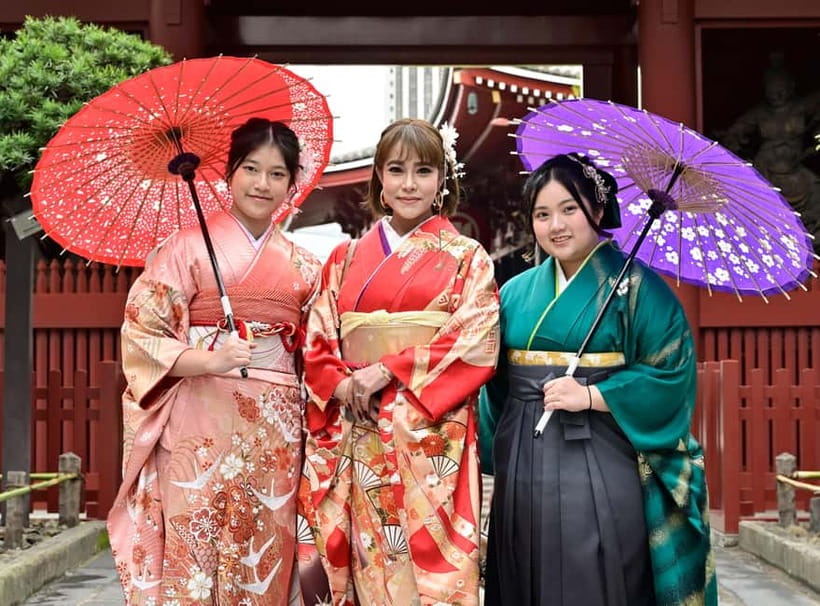
You’ll meet at the 2nd floor of the building, using the elevator. It’s simple, but don’t show up with a bunch of luggage you’re trying to manage. Large luggage storage is not included, and the info notes it’s available for an extra cost.
Once you’re inside, the flow is straightforward. You’ll choose from a lineup of kimono and yukata suitable for different occasions. The shop also offers upgrades at an additional cost, including options like lace kimono, silk kimono, haori hakama, and furisode. If you want something more formal or more eye-catching for pictures, this is where you’ll spend it.
From a value standpoint, the shop’s selection matters. Many “quick rentals” only give you a small rack. Here, the choice is wide enough that you can actually pick colors and patterns that match what you want to photograph and wear comfortably in the weather.
Choosing your kimono and getting the full outfit (not just the top layer)
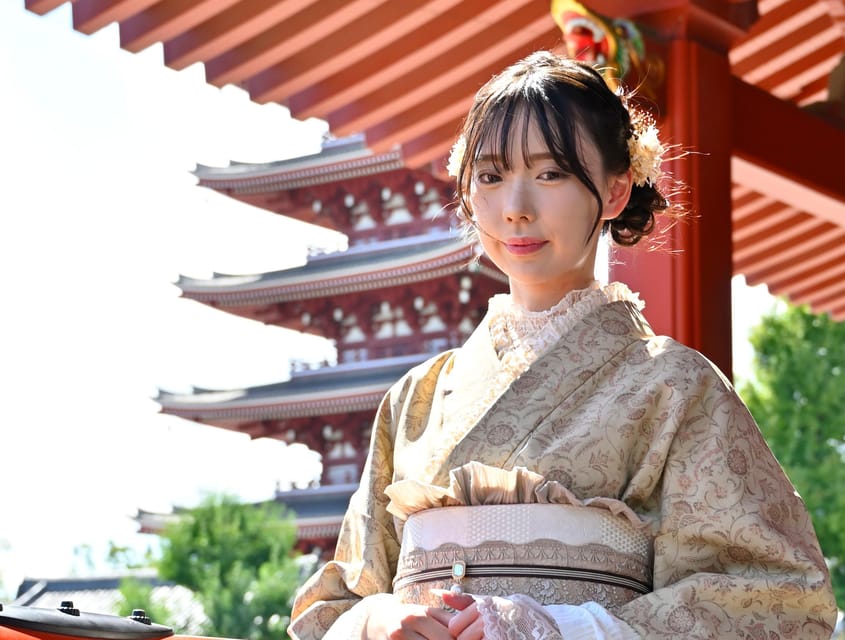
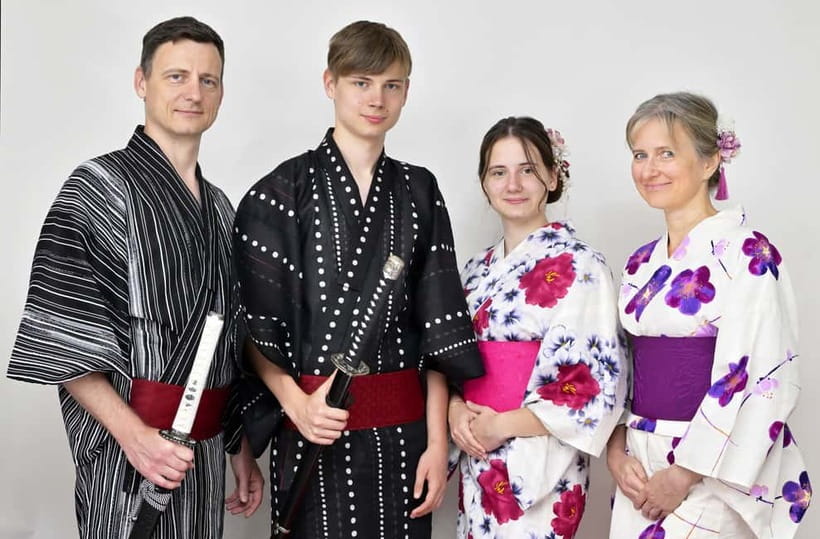
The rental includes adults and children, so families can do this together. You’ll select your kimono or yukata, and you’re not just handed a garment and told good luck. Staff help with sizing and layering so it actually looks right when you move.
What’s included:
- Kimono or yukata rental (adults and children)
- Hairstyle and accessories (hair accessories included)
- Footwear: wooden geta sandals
- Traditional handbag
That last bit is worth mentioning. People think the kimono is the outfit, but your look can fall apart without the right shoes and a matching bag. These details help you look like you belong in the setting, which is the whole point.
A practical note: geta sandals mean your steps need a little adjustment. Plan for careful walking, especially on uneven pavement and during crowds. It’s very doable, just don’t expect your usual sneaker speed.
The dressing-and-hair window: 45 to 70 minutes of “please be patient with me”
Plan for 45 to 70 minutes to dress and arrange your hair. That’s not a “sit and wait” stretch. It’s the part where you’ll see the real craftsmanship of kimono wearing and how your hairstyle is shaped to work with the outfit.
The reviews highlight patience and care, including for guests with more challenging hair textures. The staff are known for taking time so you don’t feel rushed, and for styling hair in a way that respects your features. If you’re worried that your hair type won’t fit what you see in typical Japan photos, this experience is a reassuring option.
If you’ve never worn kimono before, expect a few moments of learning. Kimono dressing involves multiple layers and lots of small adjustments. Once it’s done, it looks effortless. Getting there takes time.
Also, makeup isn’t included. If you like a specific look for photos, do your makeup before you go, not after.
The matcha lesson that turns tea into a small cultural skill
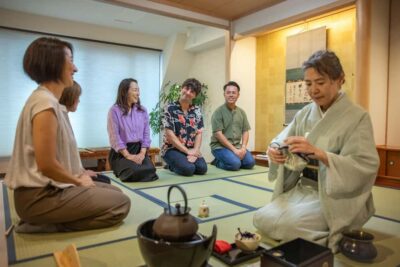
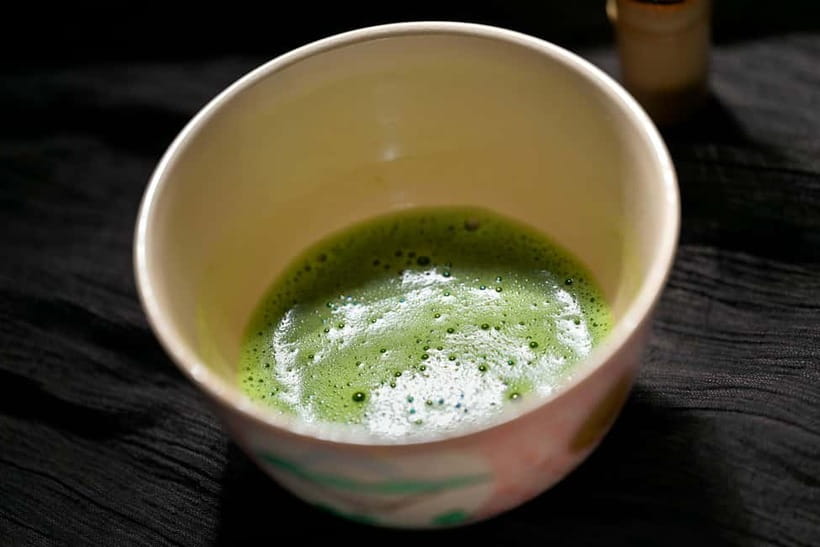
Next comes the matcha tea and sweets part. The matcha experience runs about 15 minutes, and it’s not only about tasting. You’ll get a lesson on how to drink matcha properly, following traditional etiquette.
There’s something satisfying about this kind of instruction because it’s usable right away. You’ll walk out knowing what to do when matcha appears in a café or a home-style tea setup. You won’t just think, tastes strong or tastes sweet. You’ll have a method.
And yes, tea and sweets are included, so you’re not spending extra money to keep going while you learn. It’s also a nice break from the physical effort of dressing and walking around.
One logistics point: a full tea ceremony is listed as not included. So what you’re getting is more of a short, guided matcha etiquette lesson than a full ceremony with extended rituals. Still, it’s long enough to make you feel like you learned something real.




Walking Asakusa after you’re dressed: what to do with your free time
After dressing and matcha, you’re free to explore the Asakusa district on your own at a comfortable pace until you return the kimono at 17:30. That time window is where the whole value shows.
Sensoji Temple is the obvious anchor. The streets around it are full of photo angles, snacks, and little surprises. But the best moments often happen in the back lanes, where the vibe is quieter and the kimono looks like it belongs.
If you want a simple plan:
- Start around Kaminarimon area early in your walk
- Wander toward the temple approach paths
- Then shift along side streets for calmer photos
Be smart about time. Returning by 17:30 is a firm boundary, and it takes time to dress and remove everything, too. Also, the kimono can get warm underneath multiple layers. Even if it’s a pleasant day outside, you may feel it while walking.
If it’s raining, that’s still manageable. The experience info and reviews mention umbrellas being shared, so you’re not going to be left totally stuck.
Optional photo shoot near Sensoji and the Sumida River
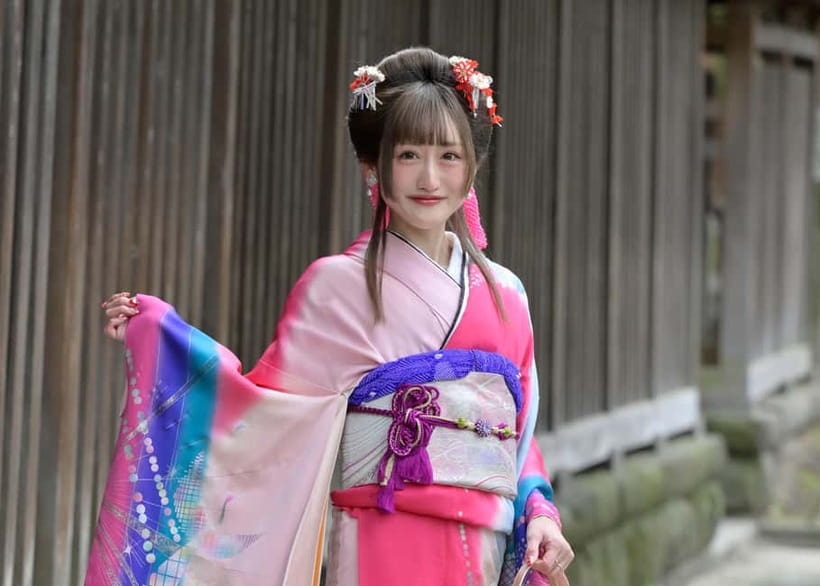
If you want higher-quality photos with less guessing, add the photo shooting session.
Here’s the practical breakdown:
- Duration: 60 minutes
- Photographer accompanies you
- You’ll visit photogenic spots around Sensoji Temple and the Sumida River
- Captured photo data is sent to download after editing within a week
This is the section I’d recommend to most first-timers. Why? Because posing in kimono is awkward at first, and cameras are unforgiving. A pro can show you how to hold your hands, angle your shoulders, and walk in a way that reads well in photos.
Also, the whole point is not just “pretty pictures.” It’s getting images that look like Asakusa, not like someone wearing a costume in Asakusa. A guided shoot helps connect the outfit to the environment.
You can also take photos yourself during your roam time. The photo add-on mainly reduces the stress of finding angles and timing.
Price and value: why $56 can make sense (if you use the whole experience)
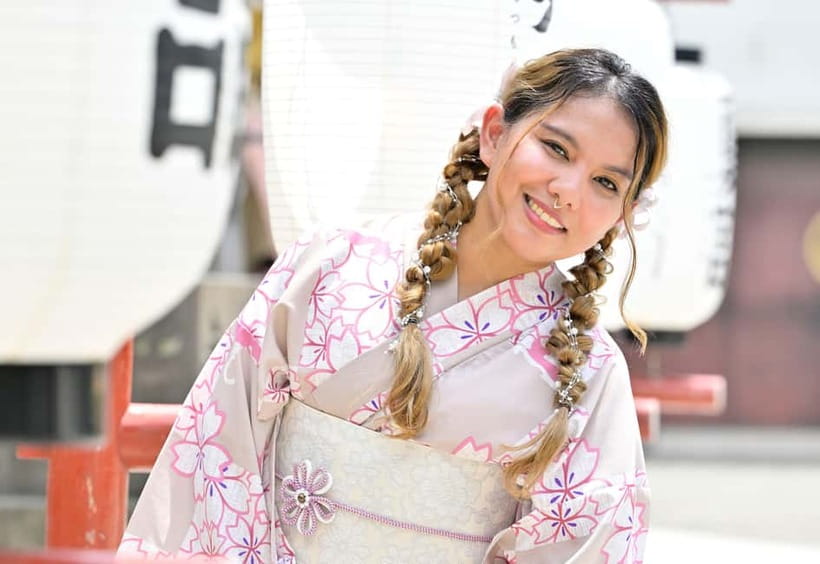
At $56 per person for a two-hour experience, you’re paying for more than a rental.
You’re getting:
- Kimono or yukata rental for adults and children
- Hairstyle + accessories
- Footwear (geta) and a traditional handbag
- Matcha tea and sweets
- English-speaking support
- Optional pro photo session (extra cost)
If you only rented a kimono, used your own shoes, and skipped the tea lesson, the price might feel steep. But the matcha instruction and the staff-run styling are part of the package value. The biggest value is time: you don’t have to figure out how to wear layers correctly or what works with your hair.
One warning on value: some of the nicest garment types cost extra (silk, lace, furisode, haori hakama). If you upgrade, your final spend will rise. If you’re trying to keep costs tight, tell the staff what you want your vibe to be, and they can usually help you choose a great-looking option in the base range.
Who this experience suits best (and who should skip it)
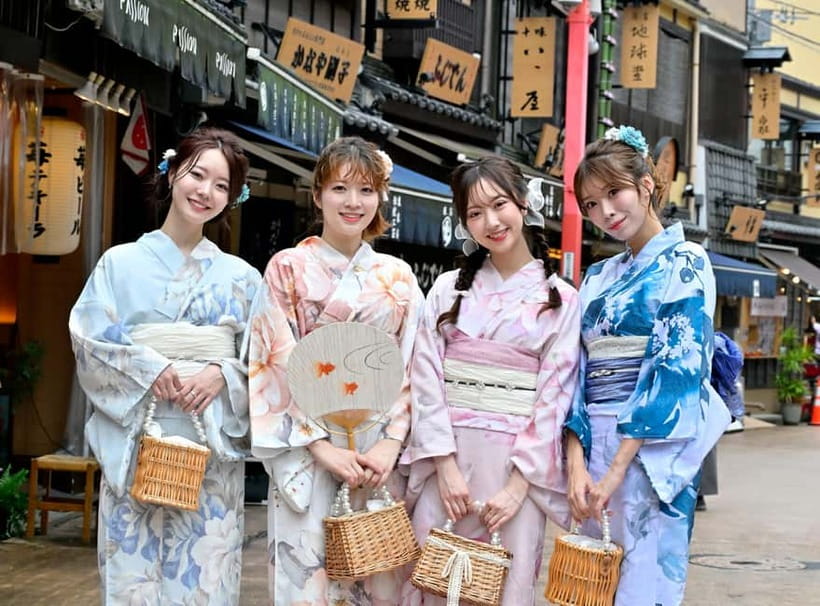
This is an excellent fit if:
- You want a memorable Tokyo moment that looks good without needing planning skills
- You like hands-on cultural experiences, especially something visual like kimono
- You’re traveling as a couple, solo, or with family (including children)
- You use a wheelchair and want a wheelchair accessible option
The experience is also a strong first stop for people who’ve never worn kimono. The staff handle the hard parts: dressing, fitting, styling, and the matcha etiquette lesson.
It’s not suitable for pregnant women, based on the provided info. Also, if you’re the type who hates tight time windows, remember that you must return the kimono no later than 17:30, and the dressing process takes up the first part of your visit.
Small practical tips so your day stays fun
A few simple ideas make this smoother:
- Wear shoes you can slip off easily if you’re changing footwear for geta
- Choose comfortable underlayers if you get warm under kimono layers
- Plan your Asakusa walking route so you’re not sprinting back to return the outfit
- If you want photos that look effortless, consider the photo shoot add-on rather than relying only on selfies
Also, pack light if possible. Large luggage storage is not included, and extra storage costs can sneak up on your budget.
Should you book Tokyo: Asakusa Kimono Dressing and Matcha?
Book it if you want a classic Tokyo neighborhood experience with actual handwork behind it. The combo of kimono dressing, hairstyle styling, matcha etiquette, and optional pro photos is exactly the kind of activity that makes you feel like the day had a plan.
Skip it if:
- You want a long guided tour with lots of historical stops and commentary all day
- You dislike time limits and strict return windows
- You want makeup included or expect a full tea ceremony experience
If you’re unsure, here’s the decision rule I’d use: If you’re excited about wearing a kimono and learning matcha etiquette for real, this is a strong value. If you mostly want sites and only need a photo, you might prefer a simpler, shorter plan.
FAQ
How long is the kimono and matcha experience?
It lasts 2 hours total, including time for dressing, hairstyle, and the matcha tea experience.
Where is the meeting point?
You’ll take the elevator to the 2nd floor of the building.
Is matcha tea included?
Yes. Matcha tea and sweets are included, and you’ll receive a short lesson on how to drink matcha in a traditional style.
What’s included in the kimono dressing?
You’ll get a kimono or yukata rental (for adults and children), plus hairstyle and accessories, geta sandals, and a traditional handbag.
Can I add a photo shooting session?
Yes. There’s an add-on option for a photo shooting session that includes a professional photographer and lasts 60 minutes, with edited photo data delivered for download within a week.
What time do I need to return the kimono?
You must return the kimono no later than 17:30.
Is it wheelchair accessible and suitable for children?
Yes. The experience is listed as wheelchair accessible and suitable for children as well.
What is not included?
Not included items include large luggage storage (available for an additional cost), makeup, a tour guide, a full tea ceremony, and any next day return service (available for an additional cost). It is also noted as not suitable for pregnant women.