REVIEW · TOKYO
Guided Tour of Walking and Photography in Asakusa in kimono
Book on GetYourGuide →Operated by LightSpeedStar Inc. · Bookable on GetYourGuide
Trying a kimono here changes everything. This guided Asakusa experience turns classic streets into photo-ready sets, with kimono dressing guided by a professional and photo coaching that helps your shots fit the scene. I also like that the guide actually takes photos for you using your camera, so you’re not constantly wrestling your phone while walking.
The biggest plus for me is the way the route lines up with the look of kimono—Kaminarimon, Nakamise, and the river views create strong backdrops, not random snapshots. There’s even time built in for a couple of key photo moments around Senso-ji and again near Tokyo Skytree. One thing to keep in mind: the kimono included is the fixed standard fee, but the kimono itself may have an option fee, and that can add to the final total.
I’d also plan your timing carefully. The meeting point is specific (Asakusa Station, Ginza line, Gate 1), and in at least one case the start ran late because a reservation/tour coordination got mixed up—so have your guide message channel ready. The company uses WhatsApp, and they contact you about your kimono roughly a week ahead.
In This Review
- Kimono Photo Tour Highlights That Matter in Asakusa
- Why Asakusa in Kimono Works So Well for Photos
- Your 4-Hour Flow: From Kimono Fitting to Skytree River Views
- Kimono Shop Time: Choosing the Outfit and Getting Styled
- Kaminarimon and Nakamise: The Asakusa Icons You’ll Actually Want Photos Of
- Senso-ji Temple: Prayers, Pagoda Landmark Shots, and Photo Timing
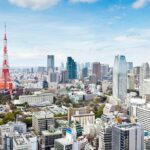
- Sumida River Terrace: Shirahige Bridge and Skytree with Cherry Blossoms
- Guide Skills That Actually Improve Your Photos
- Price and Value: What $116 Includes (and What Might Cost Extra)
- Who This Tour Fits Best in Asakusa
- Small-Group Timing and Meeting-Point Tips
- Should You Book This Kimono Photo Tour in Asakusa?
- FAQ
- Where does the tour meet?
- How long is the guided walking and photography tour?
- How big is the group?
- What languages is the guide available in?
- Does the tour include kimono dressing?
- Are photos included, and will the guide take them?
- What’s included in the price?
- What’s not included?
- Can I cancel or reserve flexibly?
Kimono Photo Tour Highlights That Matter in Asakusa
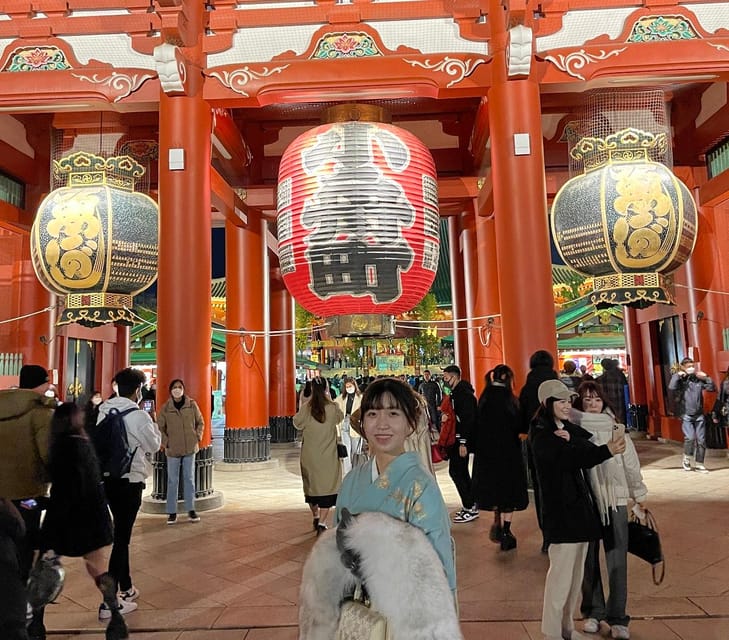
- Kimono fitting + tour guidance from a guide with qualifications in both dressing and touring
- Tokyo photo tips focused on how kimono looks in Asakusa’s streets and landmarks
- Your camera gets used: the guide takes pictures for you, not just pointing
- Small group (up to 7 people), which keeps the walk feeling personal
- Senso-ji + Nakamise + Sumida River in a single 4-hour loop
- Optional next-day kimono return, if you want to keep the vibe going
Why Asakusa in Kimono Works So Well for Photos
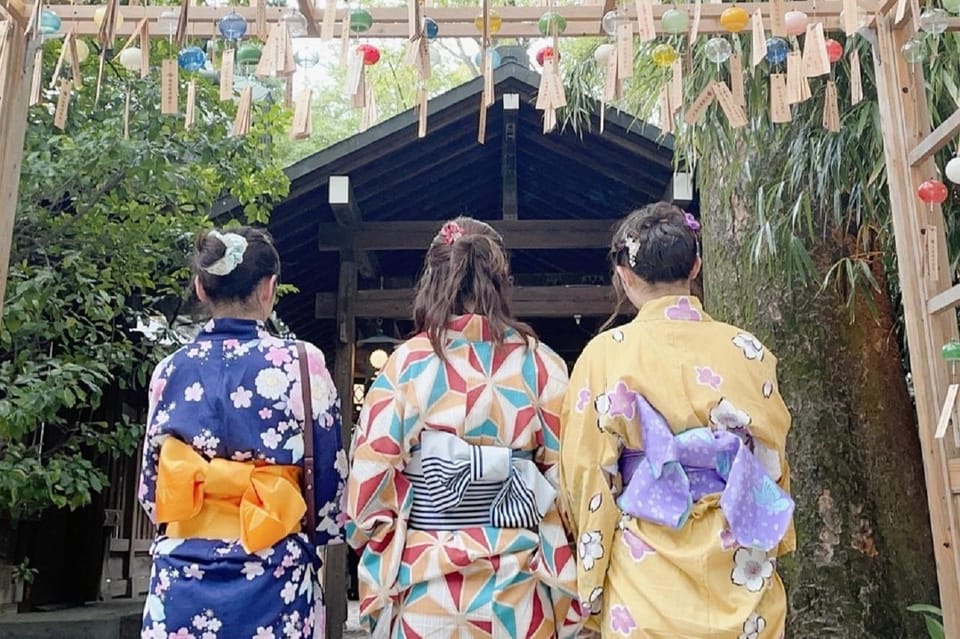
Asakusa is one of those Tokyo areas where the background already knows what you came for. You’re surrounded by traditional textures—temple architecture, lantern-and-gate drama, and old-school shopping streets—so a kimono doesn’t feel like a costume. It feels like part of the scenery.
The tour is built around that match. You start in kimono, then head straight to the main photo landmarks: Kaminarimon (Kaminari Gate), Nakamise Shopping Street, and Senso-ji Temple. Later, you shift to the Sumida River Terrace, where Tokyo Skytree and (when in season) cherry blossoms create a clean, recognizable “Tokyo meets tradition” frame.
The guide also matters here. If you’ve ever tried to photograph yourself in a crowded street, you know the usual problems: people moving behind you, the lighting not lining up, and your camera being too complicated while you’re dressed up. This tour reduces that friction by steering you to spots where a kimono looks natural, then taking the picture for you.
You can also read our reviews of more walking tours in Tokyo


Your 4-Hour Flow: From Kimono Fitting to Skytree River Views
This is a 4-hour walking tour that mostly stays on foot between nearby sights, with short transfer stretches and a clear pace. The structure is simple: get dressed, do the Asakusa icon shots, walk the old shopping lane, then finish with a river viewpoint and skyline background.
Your day starts at Asakusa Station (Ginza line), Gate 1. The guide meets you there holding the company’s LightSpeedStar logo in orange. From there, you move to the kimono shop area for fitting and styling (the schedule includes about 1 hour here).
Then you roll into:
- Kaminarimon Gate (a short visit with sightseeing time)
- Nakamise Shopping Street (shopping and strolling time)
- Senso-ji Temple (temple time for sightseeing and landmark photos)
- A second Kaminarimon moment with free time for extra photos
- Sumida River Terrace near Left Bank Shirahige Bridge downstream (final portrait backdrop)
Finally, you head back to the shop together to return the kimono, and the tour ends.
If you choose the option for next-day return, the guide can advise where to go so you can keep wearing the kimono after the tour day.
Kimono Shop Time: Choosing the Outfit and Getting Styled
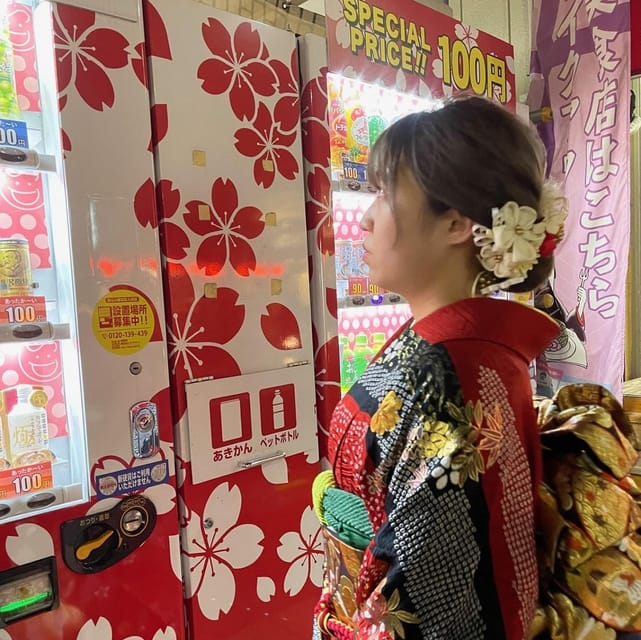
The kimono portion is the backbone of the whole experience. You don’t just rent and go; you select a kimono, pick a hairstyle, and have it adjusted so it sits right for movement and photos. The fitting-and-prep block takes about an hour, which is long enough to feel unrushed.
A guide is on hand with a cultural lens, not only instructions. That matters because kimono isn’t only about looks—it’s about how you present yourself in traditional settings. You’ll get guidance before you hit the streets, including a sense of what to expect in terms of appearance and how the outfit reads in photos.
The tour is also designed so your clothing choice supports the landmarks you’ll see. The guide can then steer your photo angles so your kimono blends well with Asakusa’s gates, temple paths, and street textures.
Extra cost note: The included fee covers the fixed standard kimono amount, but the kimono itself may have an option fee depending on what you select. If you want a specific style, it helps to assume that might change your total.
Kaminarimon and Nakamise: The Asakusa Icons You’ll Actually Want Photos Of
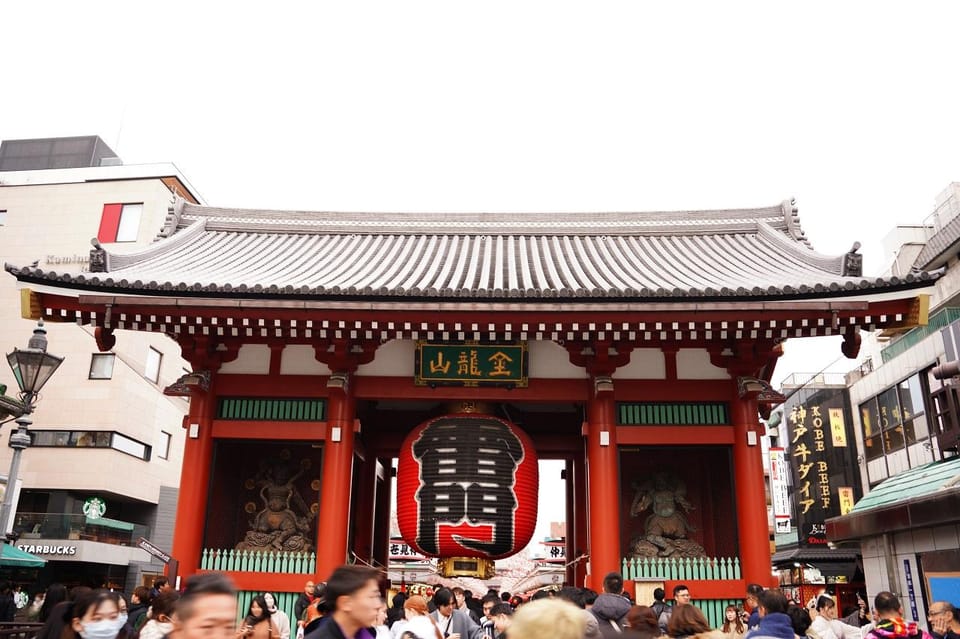
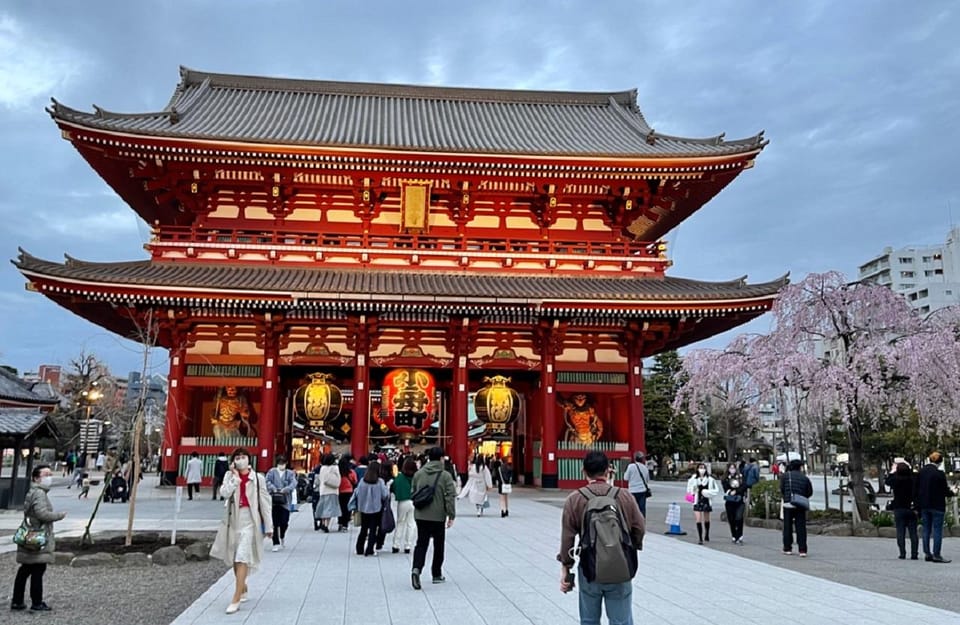
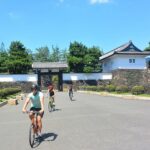
Kaminarimon—also known by its official name, Kaminari Gate—is the first “anchor” photo stop. The tour gives you time to visit and see the gate closely, then photograph it while you’re wearing kimono. This is one of the classic Asakusa scenes, and kimono makes it look even more “period Tokyo” than street clothes do.
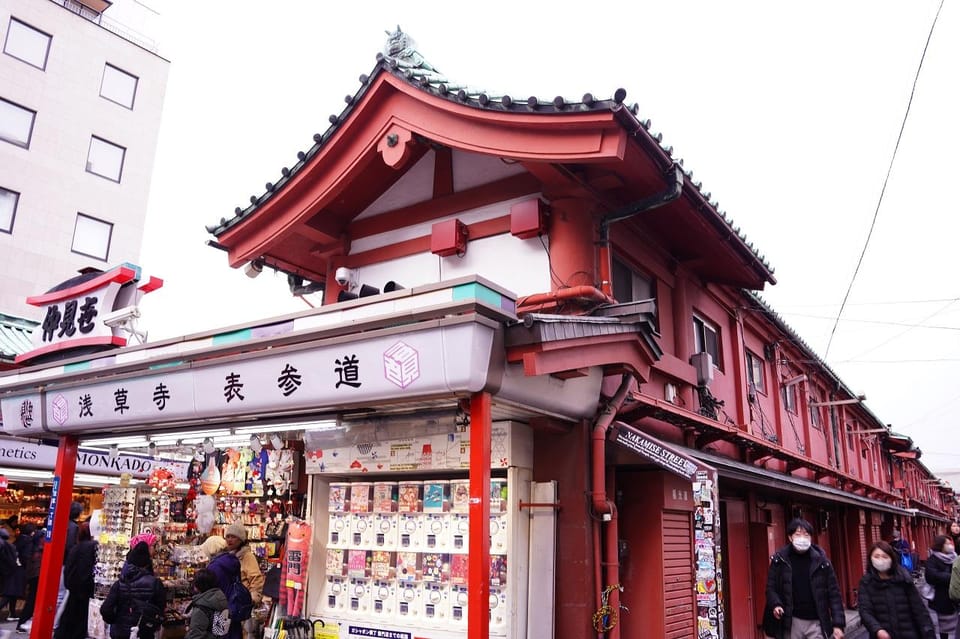
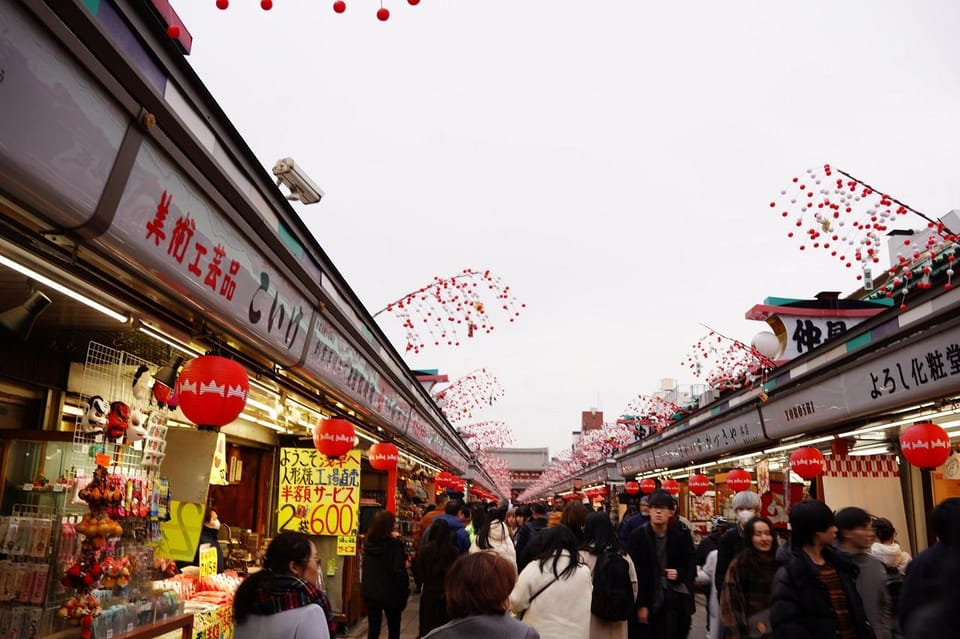
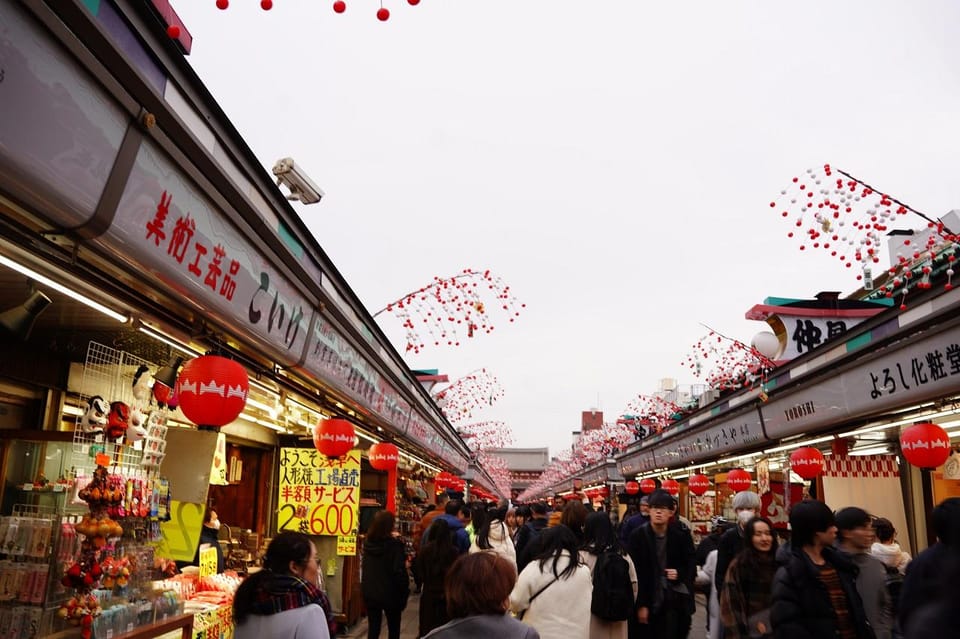
From there, you head to Asakusa Nakamise Shopping Street, one of Japan’s old-school shopping lanes. The tour builds in time for both sightseeing and shopping, not just a quick walk-through. That’s important because Nakamise is where you’ll spot traditional snacks, souvenir shops, and stalls that match the temple-area vibe.
What you can do with your time:
- browse long-established shops and tourist-friendly souvenir stalls
- slow down and enjoy the street while your kimono is still fresh and dramatic
- take additional photos on your own, if you want
A nice part of this structure is that the walk doesn’t feel like you’re sprinting between checkboxes. The tour is paced enough to keep the mood relaxed while still getting you to the big photo targets on schedule.
Senso-ji Temple: Prayers, Pagoda Landmark Shots, and Photo Timing
Next comes Senso-ji Temple, with time set aside for sightseeing and walking. The tour notes Senso-ji has history over 1,000 years, and you can offer prayers during your visit. That’s one reason this stop feels more than “just a backdrop.” It’s the real place the locals and visitors come to.
You’ll also see why Senso-ji’s five-story pagoda is such a common motif in Asakusa imagery. The tour treats it as an essential landmark, and it’s easy to understand why once you’re there: it’s the kind of structure your camera wants to capture.
Photo-wise, you get a combination moment described as possible to capture Senso-ji with cherry blossoms and Tokyo Skytree together. Cherry blossoms depend on season, but the broader idea is consistent: the route is designed so you can get those layered Tokyo-and-tradition compositions instead of only temple-only shots.
Then you return to Kaminarimon for more time, including a longer stretch with free time. This is where you can slow down, regroup, and get the angle you missed the first time.
You can also read our reviews of more guided tours in Tokyo

Sumida River Terrace: Shirahige Bridge and Skytree with Cherry Blossoms
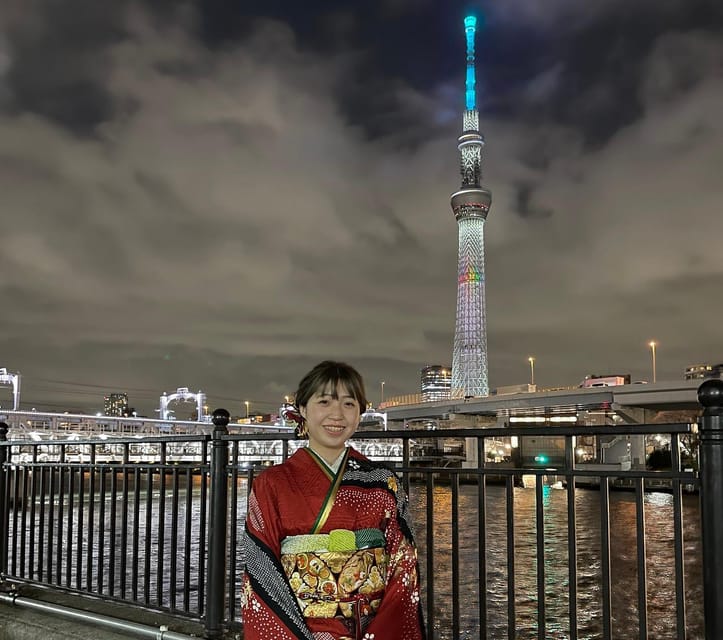
The finishing “wow” stop is the Sumida River Terrace, specifically on the left bank area near Shirahige Bridge downstream. This is where Tokyo Skytree enters the story in a big way.
You’ll have about 30 minutes here, which is enough time to:
- get classic river portraits
- take photos with Skytree as a background
- work cherry blossoms into the frame when they’re out
The key difference from the temple streets is that this spot is more open. That makes kimono portraits easier. You’re not fighting dense crowds the same way, and your kimono looks crisp against the sky-and-water lines.
The tour also includes a guided photo approach here. The guide helps you take pictures of yourself in kimono with the skyline backdrop, using the setting as part of the composition rather than just standing anywhere near a landmark.
Guide Skills That Actually Improve Your Photos
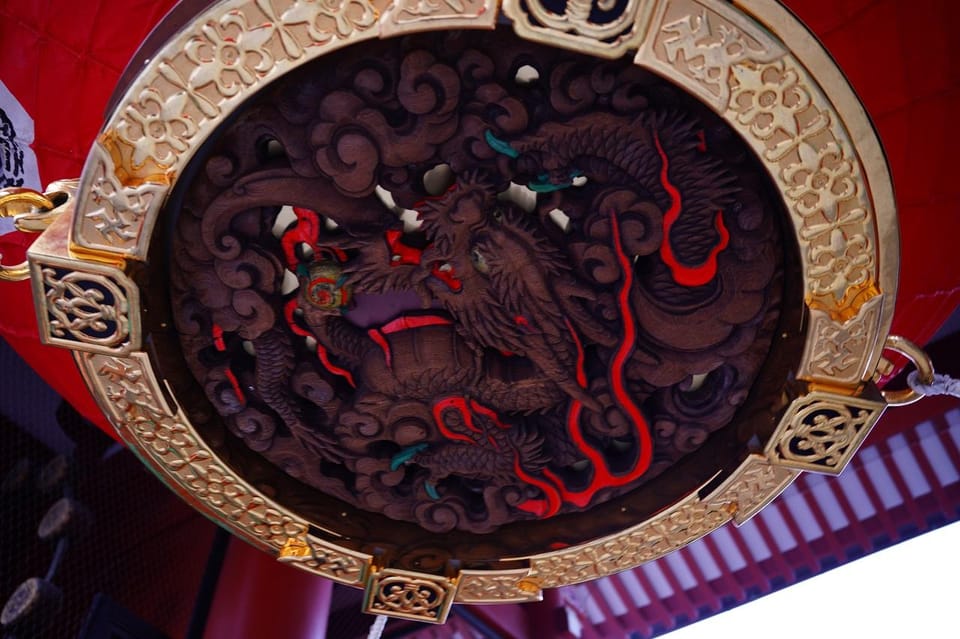
This tour isn’t only sightseeing. The guide’s skill shows up in three practical ways.
First, the guide has kimono dressing qualifications plus tour guide qualifications. That means the fitting process isn’t random, and you get guidance that goes beyond, put this on and go. Your outfit looks better when it’s adjusted properly, and that directly affects your photos.
Second, the guide knows Tokyo well. That matters because “best photo spots” isn’t just a vague statement—it’s about where you can stand so the scene frames you, not where you just happened to stop.
Third, the guide takes pictures for you using your camera. This is a big value-add. A lot of photo tours stop at posing tips and then leave you to capture everything yourself. Here, you get someone doing the work, so you get real images with less stress.
Language support is also built in: the tour is offered in English, Chinese, and Japanese. That helps you understand cultural context and photo instructions without guessing.
Price and Value: What $116 Includes (and What Might Cost Extra)
At $116 per person for 4 hours, this tour has a clear value story if kimono and photos are your priorities.
Included:
- the kimono’s fixed standard fee
- an English-speaking guide (plus the tour is offered in English/Chinese/Japanese)
- guide support that includes routing and photo help
- the guide taking photos for you
Not included:
- the kimono option fee (if you pick an upgrade-style kimono)
- entrance fees to facilities and tourist spots
- transportation expenses
- food and drinks
- other personal expenses
So what are you really paying for? You’re paying for the combination: dressing time + someone who knows where to stand + someone handling camera shots + an efficient route that hits major Asakusa icons without you planning every turn.
If you were to rent a kimono independently and then hire a photographer or constantly ask strangers to take shots, this package format often works out well. If you only want a casual stroll in kimono and don’t care about photo direction, you might prefer a simpler rental. But if photos are the point, this tour structure is built to deliver.
Who This Tour Fits Best in Asakusa
This tour is especially good for you if:
- you want a classic Asakusa day with icon photos instead of random snapshots
- you don’t want to plan a full kimono + sightseeing schedule
- you’d like the guide’s input on where kimono looks best in the scenery
It also works well for families, based on one experience where a guide was noted as being helpful for a young child. The small-group size (up to 7 participants) can make it easier to manage different paces compared with huge tours.
Who might want to think twice? If you’re the type who loves to wander with no structure and doesn’t want photo stop timing, the planned route may feel a bit guided. Also, if you’re strict about spending, remember that the kimono selection may involve an option fee, plus there can be entrance fees and no food is included.
Small-Group Timing and Meeting-Point Tips
Because kimono takes time to fit and return, this tour depends on good timing. Your meeting point is very specific: Asakusa Station (Ginza line), Gate 1, with the guide holding the company’s orange LightSpeedStar logo.
Also, plan for communication. The guide contacts you about your kimono about 7 days before the date, and you can message via WhatsApp. Have that app ready before you go. It’s the simplest way to prevent day-of confusion.
One more practical note: in one documented case, the start was delayed by about 45 minutes because the tour wasn’t found correctly and the reservation coordination didn’t go smoothly right away. That’s not something you should expect, but it’s a useful reminder to arrive early, stay reachable, and message quickly if you’re worried.
Wheelchair accessibility is listed, so if you need it, you can ask in advance and plan around the walking route.
Should You Book This Kimono Photo Tour in Asakusa?
Book it if you want a guided Asakusa day that turns kimono into real photography, not a stressful photo-for-hire scenario. You get the fitting process, the classic sights (Kaminarimon, Nakamise, Senso-ji), and a final portrait location by the Sumida River with Skytree in the frame. The guide also helps with photo spots and takes images using your camera—this is the part that often makes or breaks the experience.
Skip it or look for alternatives if you’re mostly interested in browsing and don’t care about photos, or if you’re sensitive to extra costs from kimono options and any entrance fees. For the right traveler, though, this tour is a simple, efficient way to do Asakusa with style and get photos you’ll actually want to keep.
FAQ
Where does the tour meet?
Meet at Asakusa Station (Ginza line), Gate 1. The guide will be holding the company’s LightSpeedStar logo in orange.
How long is the guided walking and photography tour?
It lasts about 4 hours.
How big is the group?
It’s a small group limited to 7 participants.
What languages is the guide available in?
The live guide is offered in English, Chinese, and Japanese.
Does the tour include kimono dressing?
Yes. You’ll go to a kimono shop first to select a kimono, choose a hairstyle, and have the kimono adjusted (about 1 hour).
Are photos included, and will the guide take them?
Yes. The guide will tell you where to take photos and will take pictures for you with your camera.
What’s included in the price?
The price includes the kimono’s fixed standard fee, guide service by a qualified supervisor, and an English-speaking guide.
What’s not included?
Not included are kimono option fees, entrance fees to facilities and tourist spots, transportation expenses, food and drinks, and other personal expenses.
Can I cancel or reserve flexibly?
You can cancel up to 24 hours in advance for a full refund, and there’s a reserve now, pay later option.