Tokyo becomes easier with a guide. This private tour lets you pick three stops from a menu and build your own half-day East Tokyo route, starting at Kaminari-mon. I like that it’s truly private, and I also like that guides are local specialists such as Kazuo Hirose, known for adapting the pace and explaining the neighborhood life and traditions.
Two other things make this feel worth your time. First, it’s a walking tour focused on real districts like Asakusa, Ueno, Akihabara, Nihonbashi, and Ginza, not just a checklist. Second, many of the stops are free to enter, so you can spend your money where you actually care, like a specific meal or an attraction ticket.
One consideration: you’re choosing only three must-visit spots from a long list, so if you want to cram in a huge number of sights, you’ll have to plan a longer day (the tour can run up to a full day) and be ready for extra paid entries and meals.
In This Review
- Key Highlights You Should Know
- Meeting at Kaminari-mon: Your Tour Starts Where Tokyo Looks Like Tokyo
- Asakusa Done Right: Senso-ji, Asakusa Shrine, and Nakamise Street
- Food Stops: Imahan Honten and How to Decide About Lunch Costs
- Tsubaya Knives: Samurai Craft Without the Museum Feel
- Skytree or Ueno Park: Two Different Takes on Tokyo Views and Museums
- Shrine Power, Learning Power: Imado Shrine and Yushima Tenmangu
- Ameyoko: Shopping Street Energy with Practical Value
- Akihabara and Yodobashi: Electronics, Home Appliances, and PC Peripherals
- Nihonbashi and COREDO: Old Department-Store Tokyo in the Middle of Everything
- Tsukiji Outer Market and Sushi Dai: Food-Lovers Want This Stop
- Ginza: Station to Department Stores to Seiko House Ginza
- Imperial Palace East Gardens, Kabukiza, and Uniqlo Ginza: Culture Options
- The Ending Stretch: Tokyo Station and How to Use It
- Price and Value: Is $65.15 Reasonable for a Private Tour?
- Who This Private East Tokyo Tour Fits Best
- Should You Book This Private Tour?
- FAQ
- Where does the tour start?
- Is this a private tour?
- How long is the tour?
- What’s included in the price?
- What is not included?
- Do I have to pay for entry at every stop?
- What ticket type do I get?
- What are the operating hours?
- Can I cancel for a full refund?
- Who is the guide?
Key Highlights You Should Know
- Private, one-group tour with a local guide who adjusts to your interests in real time
- Start at Kaminari-mon (easy to reach by public transport or on foot) for a smooth morning or afternoon flow
- East Tokyo themes in one route: temples and shrines, markets and shopping streets, electronics, and classic central Tokyo areas
- Many stops are admission-free, so your budget can stay focused
- Food options are optional but pricier, like long-established sukiyaki and specific sushi choices
- A mobile ticket makes last-minute logistics simpler
Meeting at Kaminari-mon: Your Tour Starts Where Tokyo Looks Like Tokyo
Your tour begins at Kaminari-mon, specifically at Kaminari mon 2-chōme-3-1, Asakusa, Taito City, Tokyo. That choice matters. Kaminari-mon sits at the edge of a very recognizable Asakusa zone, so you can orient yourself fast before the route spreads out into other East Tokyo districts.
This is also a good setup for privacy. Because it’s only your group, the guide can start by learning your style: are you more into shrine stories, shopping streets, old department-store Tokyo, or electronics and home appliances? The tour is described as fully customizable, and that flexibility is the point. You’ll choose three must-visit stops from a list, then the guide builds the day around them.
Timing-wise, the tour runs between 9:30 AM and 5:00 PM (the listed operating window). And the itinerary can run from about 2 hours up to 1 day. If you want a tight, efficient half-day, keep your picks close together geographically and focus on stops that match your energy.
You can also read our reviews of more guided tours in Tokyo
Asakusa Done Right: Senso-ji, Asakusa Shrine, and Nakamise Street
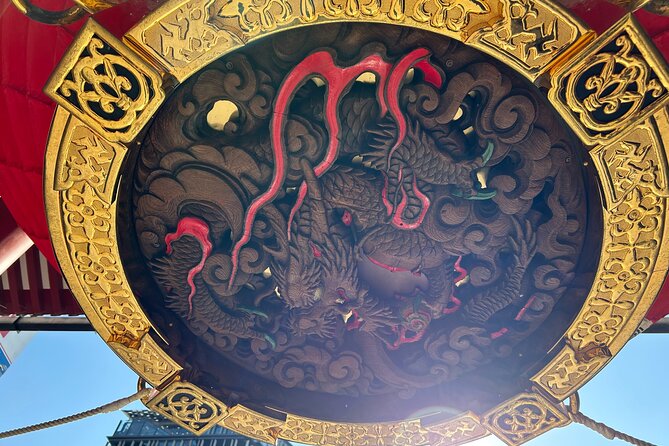
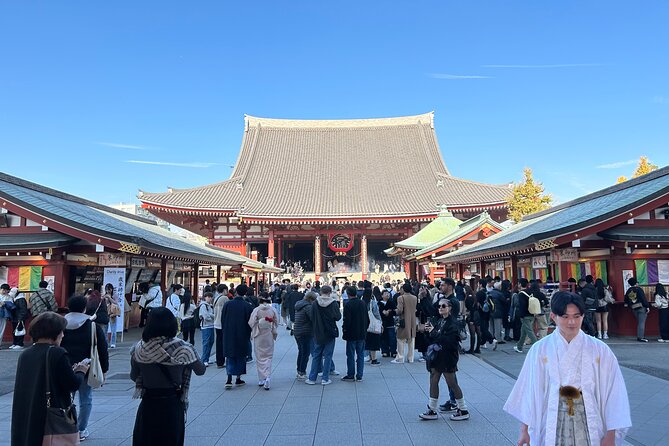
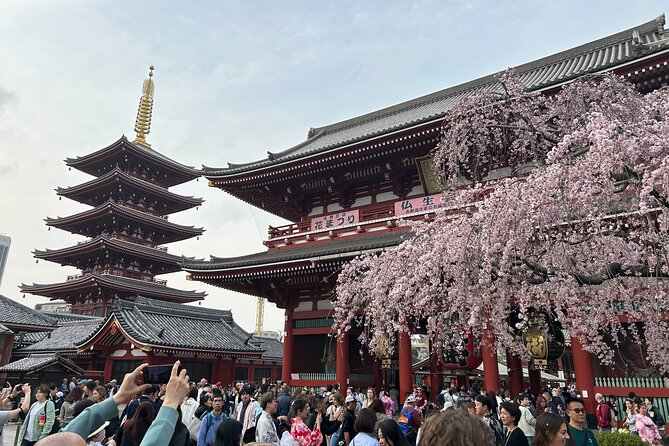
Asakusa is usually where Tokyo turns from “big city” into “story.” This tour starts strong with Senso-ji Temple (admission free). You spend time with the kinds of explanations that make old Tokyo feel less like wallpaper and more like a living neighborhood—there’s specific mention of the development of Asakusa and Tokyo and the origin of the Asakusa Sanja Festival linked to two fisherman brothers.
Right after that, you can add Asakusa Shrine (also admission free). It’s described as the guardian deity of Asakusa and a popular shrine for visitors from Japan and abroad. That balance is useful: it’s clearly tourist-famous, but it also anchors the area in the Shinto tradition.
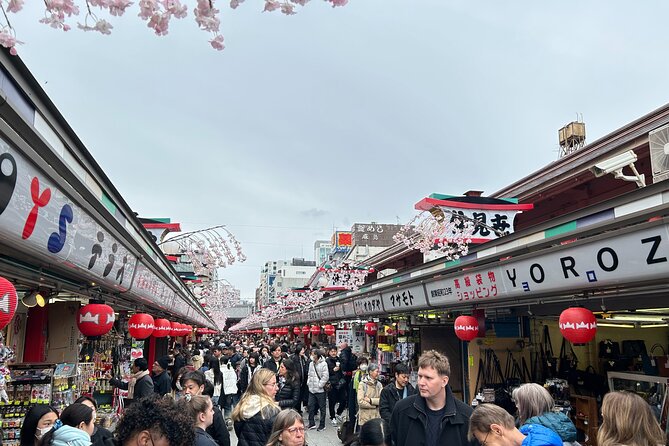
Between temple and shrine, you’ll be close to Nakamise Shopping Street, which runs along the main approach to Senso-ji. This is the kind of street you use to “feel” the district. Think of it as a low-stress way to get snacks, browse small items, and get the rhythm of the Asakusa approach before you move deeper into the day.
A practical tip for this section: if you’re sensitive to walking, do your shopping on the easy approach streets rather than expecting the route to turn into a long retail marathon. The tour’s structure helps, since you pick a limited number of stops.
Food Stops: Imahan Honten and How to Decide About Lunch Costs
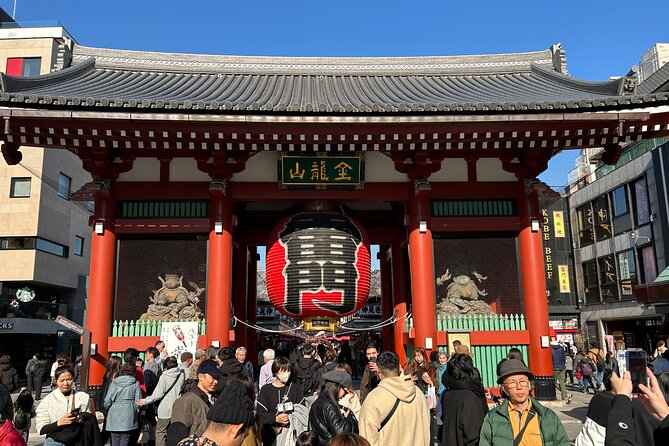
This tour isn’t only sightseeing. It includes options that are clearly meant to anchor your day around Japanese food.
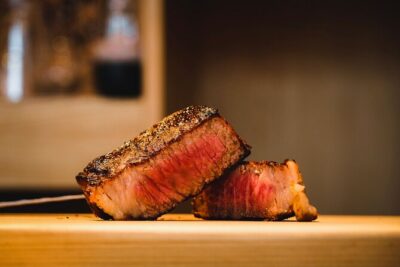
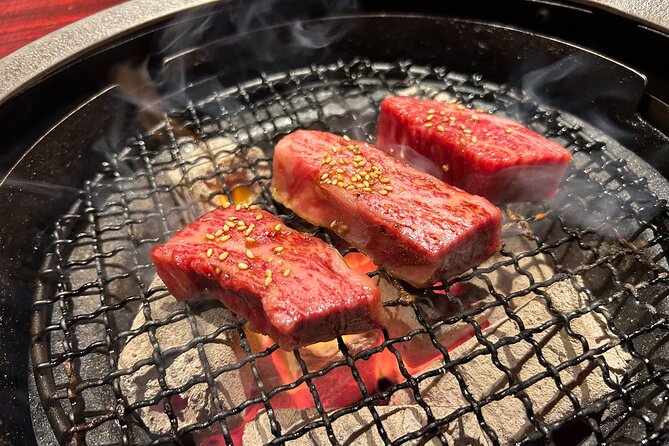
One strong example is Imahan Honten (すき焼き今半本店). It’s described as a long-established high-end restaurant founded in Asakusa Kaminarimon during the Taisho era, using carefully selected Kuroge Wagyu beef. The tour notes that admission isn’t included here, so this is a place where you should expect to pay your own meal.
The trade-off is simple: food like this can turn a walk into an experience. The drawback is equally simple: it can take more time and cost more than casual lunch plans. Since the tour lists lunch as not included, you’ll want to decide early whether you want your time budget to go toward a sit-down meal or toward more browsing and photo stops.
Tsubaya Knives: Samurai Craft Without the Museum Feel
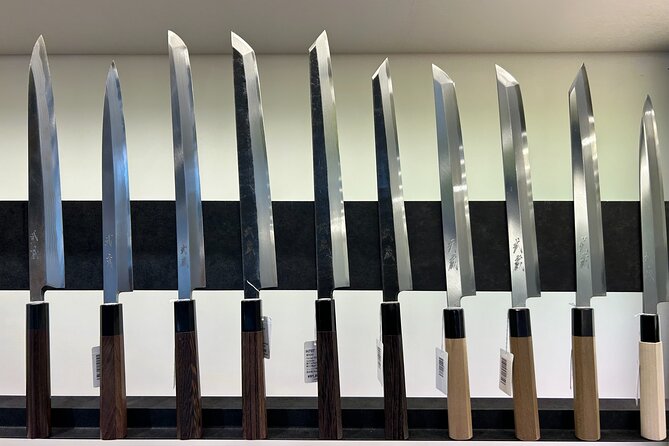
If you want a stop that feels both practical and culturally grounded, look at Tsubaya Knives. The tour describes the passing down of sword techniques used by samurai into today’s Japanese knife-making. It also mentions honyaki: knives made by punching a single piece of steel out of a block.
This matters because it’s a type of shopping that’s different from most souvenirs. Knives are tangible tools. Even if you don’t buy, it’s the kind of shop where explanations can make the object feel meaningful rather than decorative.
One consideration: if your priority is budget, knives can pull you toward decisions. If your budget is tight, go for a “learn and browse” visit, then stick to cheaper items or skip purchases.
Skytree or Ueno Park: Two Different Takes on Tokyo Views and Museums
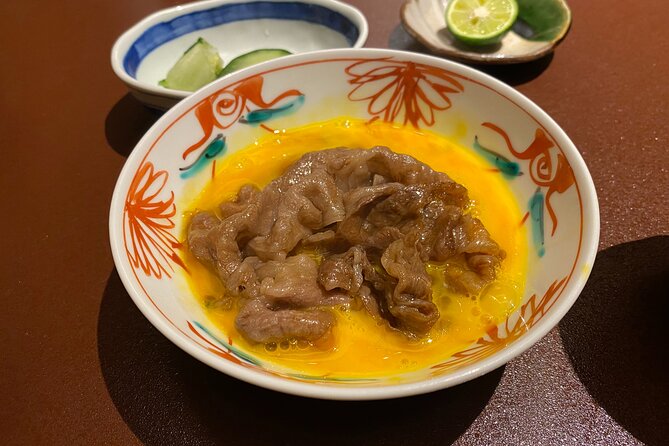
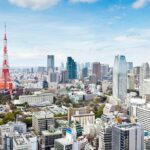
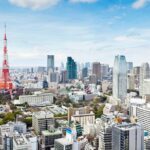
From Asakusa and central East Tokyo, the route can jump into bigger landmarks. Tokyo Skytree is listed with a height of 634 meters and includes observation decks: Tembo Deck and Tembo Galleria. Admission is not included, so you’re paying for the ticket yourself.
On the other side of the “big landmark” spectrum is Ueno Park. It’s a large park and home to major museums (Tokyo National Museum and National Museum of Western Art) plus Ueno Zoo, described as the first zoo in Japan. Ueno Park itself is admission free, which can help you keep your costs down if you’re not planning to buy museum tickets.
How to choose? If you want one clear “Tokyo skyline” payoff, Skytree is the obvious pick. If you want space to slow down and you like museums even without committing to one today, Ueno Park gives you options.
You can also read our reviews of more private tours in Tokyo

Shrine Power, Learning Power: Imado Shrine and Yushima Tenmangu
Not every shrine stop is about the same theme. This tour offers a couple of shrine variations that are easy to connect to different interests.
Imado Shrine is described as one of the birthplaces of the maneki-neko (beckoning cat). The grounds scatter maneki-neko throughout, and it’s said to bring good luck in match-ups.
Yushima Tenmangu is focused on learning. It enshrines Sugawara no Michizane, described as the god of learning, and it’s famous for attracting students taking exams. The tour also notes blessings beyond exams, like obtaining qualifications.
If you’re unsure what to pick, choose the one that matches what you want the day to feel like: good-luck charm vibes at Imado, or exam-and-learning energy at Yushima Tenmangu.
Ameyoko: Shopping Street Energy with Practical Value
For shopping that doesn’t feel like a luxury trap, Ameyoko Shopping Street (Ameyoko) is on the list. It’s described as one of the most famous and popular shopping streets in Japan, with appeal tied to good value for money and a mix of high-quality products and food.
This is the kind of area where a guide helps you avoid aimless wandering. You can move through stalls faster when you know what to look for—snack options, small goods, and the general rhythm of a market-style street.
As with any shopping street, your time goes fast. So if you pick Ameyoko as one of your three spots, treat it as your shopping anchor and keep the other two stops more focused.
Akihabara and Yodobashi: Electronics, Home Appliances, and PC Peripherals
Akihabara is where Tokyo becomes technical. This tour includes Akihabara Junk Street, described as a backstreet full of stores selling PC peripherals, which ties into Akihabara’s broader identity as an electric-town district.
It also includes Yodobashi Akiba, a consumer electronics retailer within the Yodobashi Akiba complex. The listing says it has one of the largest sales floor areas in Akihabara.
Finally, it includes Akihabara itself as a stop with manga and anime stores, including a maid café and large electronics stores. The route also notes a nearby shrine, Kanda Myojin, and one of the three major festivals in Japan.
If you’re into gadgets, keyboards, computer parts, or home electronics, this is one of the best uses of a short private tour. A guide can help you navigate faster through what matters and what’s just noise.
One note: electronics shopping can turn into impulse buys. If you’re trying to keep control of your budget, decide ahead of time what categories you’re willing to buy.
Nihonbashi and COREDO: Old Department-Store Tokyo in the Middle of Everything
To balance Akihabara’s tech energy, the route also points you toward Nihonbashi and nearby commercial landmarks.
COREDO Muromachi 1 is described as a commercial complex with high-rise buildings and shopping zones and home to long-established and famous stores.
Nihombashi Mitsukoshi Main Store is the oldest department store in Japan, and the basement level is described as having over 70 shops selling mainly Japanese, Western, and Chinese dishes, plus bento boxes and sundries.
If you like Tokyo’s layers—old commerce plus modern retail—Nihonbashi is a smart pick. It also gives you a chance to rest your feet between more intense districts.
Tsukiji Outer Market and Sushi Dai: Food-Lovers Want This Stop
Food lovers tend to treat Tsukiji as a must. This tour includes Tsukiji Jogai Market, described as the outer market. It says 80% of tourists there are foreigners, and that the appeal includes connecting through food and sushi.
It also lists Sushi Dai. The description says the restaurant carefully selects and purchases best ingredients at Tsukiji Market, prepares sushi toppings, and mentions warm-to-the-touch rice. Admission isn’t included here, so you’ll pay for your meal.
This stop makes the tour feel complete if you want Tokyo’s food culture to be the main event rather than just a side quest. The drawback is time and cost: sushi meals can stretch, and lunch is not included for the tour overall.
Ginza: Station to Department Stores to Seiko House Ginza
Ginza is where Tokyo can look polished and expensive. This tour still gives you options that feel more local than you might expect.
Ginza Itoya Hontren (a stationery specialty store founded in 1904) is described as having over six floors across the main building and annex, selling paper and stationery goods. If you like practical souvenirs, this is a good one.
Ginza itself is described as having refined atmosphere and history, built on the remains of a silver coin foundry during the Edo period. So even walking it isn’t just about fashion.
The route also includes a stop at the iconic building along Ginza 4-Chome—Wako Main Building, noted as being renamed Seiko House Ginza in 2022.
If you’re balancing shopping between “tech day” and “classic Japan day,” Ginza works as a clean bridge.
Imperial Palace East Gardens, Kabukiza, and Uniqlo Ginza: Culture Options
If your picks go beyond shopping streets, you can bring in major cultural or landmark stops.
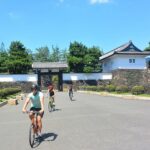
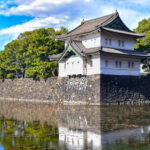
The East Gardens of the Imperial Palace – Edo Castle Ruin are described as a way to experience old and new Tokyo on a stroll around the historic area, part of the former Edo Castle site.
Kabukiza Theater is included as a stop where you can watch Kabuki, a traditional Japanese performing art with over 400 years of history and registered as intangible cultural heritage by UNESCO. Admission isn’t included.
Uniqlo Ginza is also on the list. It’s described as Uniqlo’s global flagship store, with Uniqlo on every floor from 1 to 12 and noted as the largest store in the world in the description.
These are good add-ons if you want a more rounded day that isn’t only temples, food, and shopping. Kabukiza is the biggest cultural commitment here, so treat it as your “one special ticket” choice if you want that.
The Ending Stretch: Tokyo Station and How to Use It
The experience lists Tokyo Station as part of the route. That helps because it’s one of the easiest places to anchor onward plans after your tour.
Even without extra context, the key value is practical: you end in a major transport hub, which makes it easier to connect to the rest of your Tokyo plan without a complicated scramble.
Price and Value: Is $65.15 Reasonable for a Private Tour?
At $65.15 per person, this tour price can be a good value if you use the guide well. Why? Because you’re paying for more than a route. You’re paying for a private, flexible East Tokyo walking plan built around your choices.
Also, many stops listed are free to enter (for example Senso-ji Temple, Asakusa Shrine, Ueno Park, Imado Shrine, Yushima Tenmangu, Ameyoko Shopping Street, and multiple shrine and market options). That means you’re not locked into paying entry fees at every stop.
What can raise your actual spend:
- Meals at places like Imahan Honten and Sushi Dai (not included)
- Paid attractions like Tokyo Skytree (not included) and Kabukiza (not included)
- Entrance fees for anything else you add on your own
Included in the tour is a guided walking tour and visits tied to Asakusa, Ueno, Akihabara, Nihonbashi, and Ginza. Not included are private transportation, shopping costs, entrance fees for yourself, transportation for yourself, and lunch for yourself. If you keep your picks to mostly free entry spots, the tour can stay close to the base price.
Who This Private East Tokyo Tour Fits Best
This is a great fit if you want:
- A one-group guide who explains what you’re looking at as you walk
- A route that covers multiple East Tokyo districts without you having to plan every transit step
- Flexibility to match your interests using the stop list
It might be less ideal if you:
- Want to see a huge number of attractions in one go (you choose three spots)
- Prefer everything to be fully included in the price (some stops are not included, especially food and paid entries)
- Hate walking (the tour calls for moderate physical fitness)
Should You Book This Private Tour?
If you like the idea of a private guide building an East Tokyo day around your three priorities, I’d book it. The strongest reason is the combination of flexibility and practical pacing, starting at Kaminari-mon and routing through real neighborhoods like Asakusa, Ueno, Akihabara, Nihonbashi, and Ginza.
I’d only hesitate if you’re trying to make one short afternoon cover everything on your Tokyo list. With three selected stops, the tour works best when you pick with intention and treat paid food or major tickets as optional upgrades.
FAQ
Where does the tour start?
It starts at Kaminari mon 2-chōme-3-1, Asakusa, Taito City, Tokyo 111-0032, Japan at Kaminari-mon.
Is this a private tour?
Yes. It’s a private tour/activity, and only your group will participate.
How long is the tour?
The duration is listed as approximately 2 hours to 1 day, depending on your selections and timing.
What’s included in the price?
The included items are a tour guide and a walking tour with visits to Asakusa, Ueno, Akihabara, Nihonbashi, and Ginza.
What is not included?
Not included items are private transportation, shopping costs, other personal expenses, entrance fees for yourself, transportation fees for yourself, and lunch (for yourself).
Do I have to pay for entry at every stop?
Not always. Several stops are listed as free (such as Senso-ji Temple, Asakusa Shrine, and many shopping streets and shrines), while some have admission not included (such as Tokyo Skytree).
What ticket type do I get?
You get a mobile ticket.
What are the operating hours?
It lists operation from 9:30 AM to 5:00 PM, Monday through Sunday, for the date range shown.
Can I cancel for a full refund?
Yes. Free cancellation is available up to 24 hours in advance for a full refund, and the cutoff is based on local time.
Who is the guide?
The tour information says you’ll have local guides with deep knowledge of Japan. The review comments mention guides such as Kazuo Hirose.