REVIEW · TOKYO
East Tokyo Go-Kart Tour
Book on GetYourGuide →Operated by JAPANKART · Bookable on GetYourGuide
Tokyo go-karting is pure adrenaline. You get to drive on real city streets, with a professional safety briefing first, plus big photo moments like the Rainbow Bridge area. I like the mix of classic sightseeing neighborhoods and the silly costumes that make you instantly feel like part of the action. The main drawback is the paperwork: if you bring the wrong license or IDP format, you may not be allowed to drive.
This is built for people who want motion, not museum pace. Expect a small group (up to 10), English-speaking instruction, and a route that keeps your camera busy. Plan for weather too—if it’s pouring, they may adjust your schedule rather than forcing it.
In This Review
- Key reasons this go-kart tour is worth your time
- Tokyo from a go-kart: what the experience feels like
- Price and what you’re really paying for at $64
- Documents in Japan: the part that can end your day
- Before you roll: safety briefing, lead driver flow, and shoe rules
- Two-hour East Tokyo route: Skytree area, Ginza, Ueno, Asakusa, and Bay views
- Tokyo Bay break and Rainbow Bridge photo moment
- Ginza and Nihonbashi: modern shopping + older street bones
- Kanda and Akihabara: tech energy without the maze
- Ueno and Asakusa: the “ancient side” in motion
- One-hour Skytree branch: a tighter plan for Skytree, Asakusa, and Akihabara
- Photo stops, costumes, and how to get the best memories
- Who should book this (and who should rethink it)
- Should you book JAPANKART East Tokyo go-karting?
- FAQ
- How long is the East Tokyo go-kart tour?
- Where do I meet for the tour?
- How much does it cost?
- Do I need a driving license and international permit to drive?
- What IDP type is accepted in Japan for this activity?
- What shoes are allowed?
- Is alcohol allowed during the tour?
- Is there a refund if the tour is canceled due to bad weather?
Key reasons this go-kart tour is worth your time
- Public-road driving in East Tokyo, not a closed-course stunt
- Small group size (max 10), so you’re less lost and easier for staff to manage
- Safety briefing every time, plus on-road guidance with lead and tail support
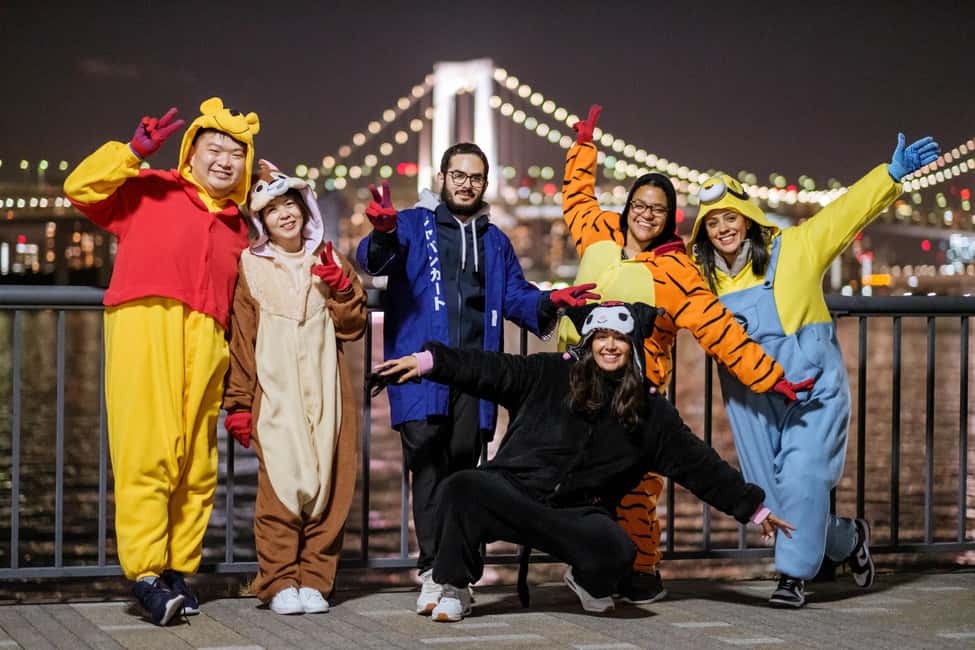
- Photo moments at major city viewpoints, including the Rainbow Bridge area
- Costume options that turn a simple drive into a fun Tokyo memory
Tokyo from a go-kart: what the experience feels like
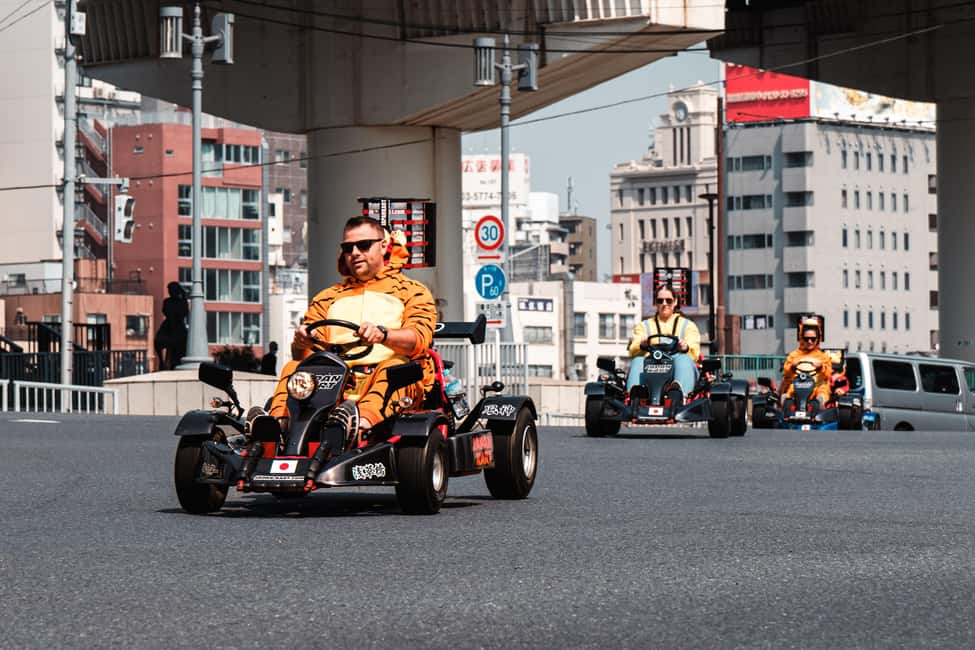
The first thing you notice is the speed difference between what your brain expects and what a go-kart actually does in a city. Tokyo traffic may look intense from the sidewalk, but once you’re moving under staff guidance, the experience becomes a mix of focus and fun.
I like that this tour doesn’t try to pretend you’re cruising like a passenger. You’re driving. You’ll learn how to handle the kart, follow the lead driver’s pace, and stay aware of the road surface and other vehicles. Several people point out that it can feel daunting at first, then clicks quickly once you’re rolling.
The second big feeling is how fast you “travel” visually. In a couple of hours, you’ll pass through areas most first-timers only scratch with trains and long walks. It’s a very direct way to connect Tokyo’s modern shopping streets to its older districts.
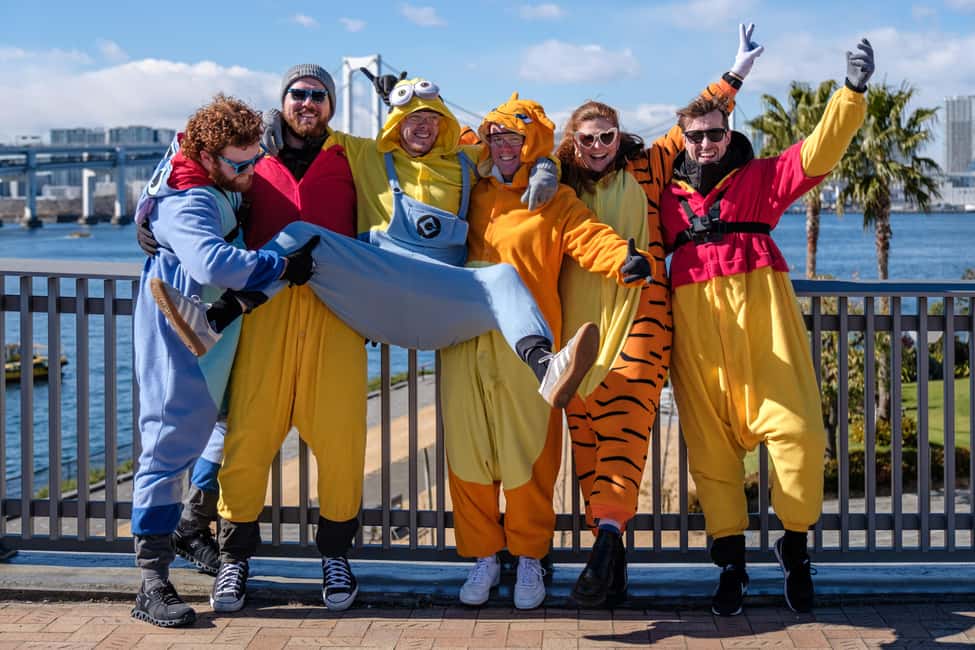
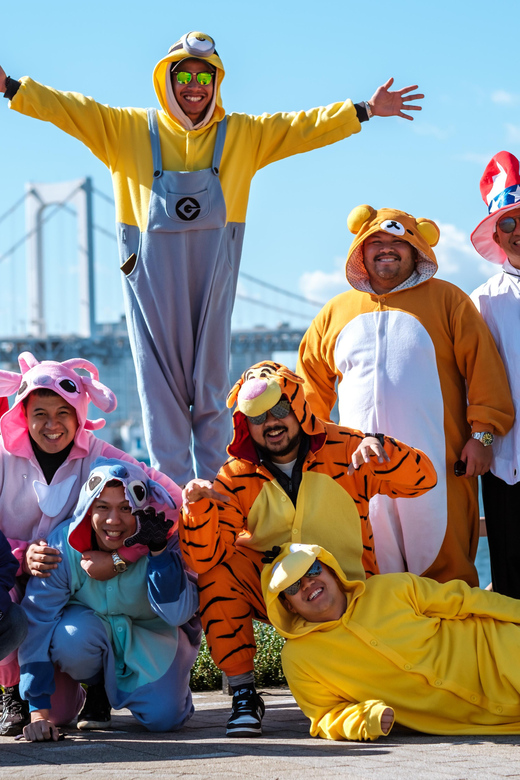
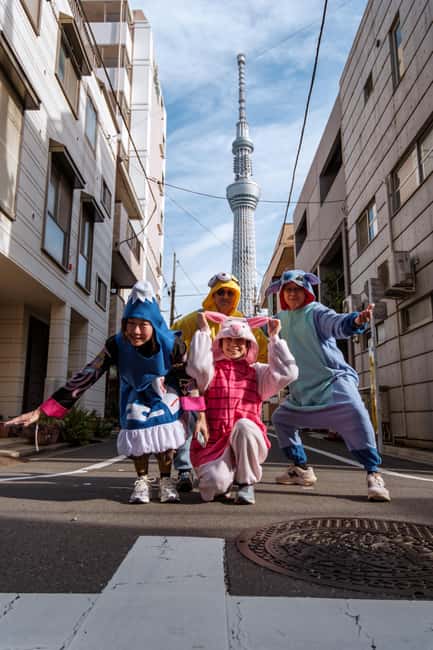
And yes, it’s silly—in the best way. You’ll get costumes to wear, and they’ll dress you up before you hit the road. It’s the kind of detail that makes photos look fun instead of just documentary.
You can also read our reviews of more tours and experiences in Tokyo.



Price and what you’re really paying for at $64
At $64 per person, this isn’t cheap for a short activity. But it makes sense because you’re buying three things that usually cost separately in Tokyo: guided route control, the kart experience itself, and a chunk of time on major streets.
You’re also not just “touring.” You’re paying for the staff work behind the scenes: pre-ride safety steps, traffic-aware pacing, and keeping groups together while you’re on public roads. With a small group capped at 10, you’re not getting the chaos that can happen with big bus-style tours.
One more value point: photos are included. You’re not left thinking you should’ve brought someone to shoot video. Staff take pictures during the ride, and people report getting sent photos and even videos after, without extra charges.
The only reason $64 might feel high is if your goal is mostly sightseeing chatter. If you want a deep lecture about every temple and street, a go-kart is more about motion than commentary. You’ll still pass landmark areas, but your main job is driving.
Documents in Japan: the part that can end your day
If you remember one thing, make it this: you need the correct driving paperwork in hard copy to drive.
You must bring:
- Your driver’s license from your country of origin
- An International Driving Permit (IDP) issued under the Geneva Convention 1949 (issued in your home country, not bought online)
- Your passport
Two key “gotchas” from the rules:
- IDPs issued under the Vienna Convention 1968 are not accepted in Japan.
- If you can’t show a hard copy of your IDP on the day, you won’t be able to participate (and there’s no reimbursement in that situation).
If your license is from certain countries (including Switzerland, Germany, France, Taiwan, Belgium, Estonia, and Monaco), you need extra steps: an original license plus an official Japanese translation through the authorized organization, and your passport.
Also pay attention to format. Your IDP should be in booklet form, not a loose paper version.
Practical tip from how this experience runs: show up with documents already checked. Even if you’re confident you have an IDP, double-check the convention name and that it’s the physical booklet.
Before you roll: safety briefing, lead driver flow, and shoe rules
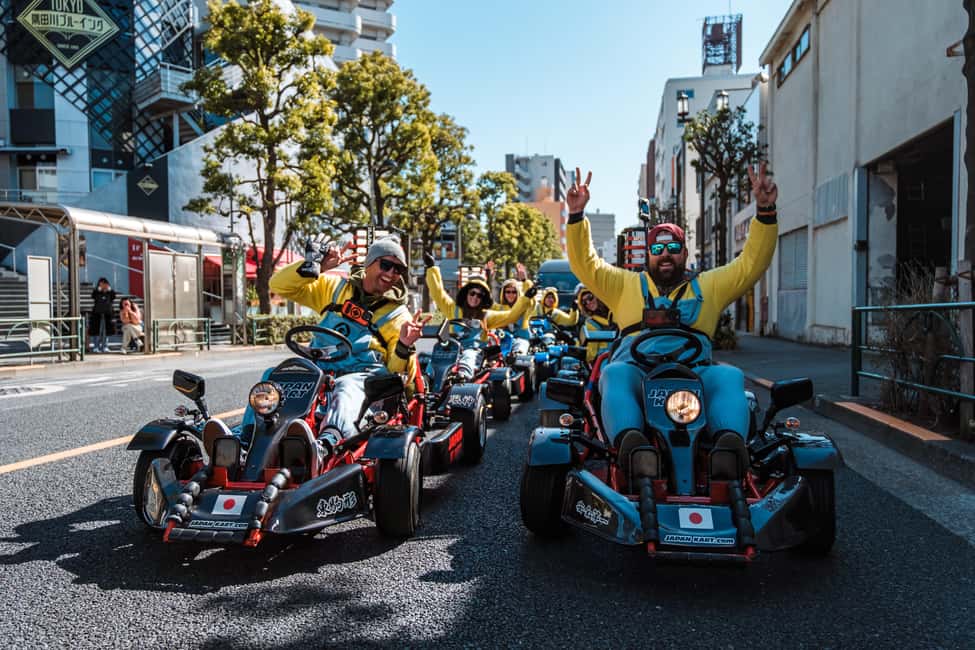
The staff approach here is very “do it right first.” Before you drive, you’ll get professional safety instructions and demonstrations before every tour.
Once you’re on the road, you’re not alone. Guides manage the group using a lead car and a tail car, and they keep things together so you’re not constantly guessing what lane to be in or when to stop. People also highlight that the guides explain the basics clearly and repeat instructions if you need it. English instruction is provided.
There’s also a vibe shift after the briefing. Nervous energy drops quickly when you feel you understand the pace and what staff expect.
What to wear matters more than you’d think:
- No high-heeled shoes
- No sandals or flip-flops
- No bare feet
- No alcohol or drugs, and no alcoholic drinks in the vehicle
If you’re traveling with a phone or a small camera, you might find the team offers ways to secure it (some people mention harness options). Still, don’t assume you can bring any gear without checks—stick to what staff allow.
Two-hour East Tokyo route: Skytree area, Ginza, Ueno, Asakusa, and Bay views
This is the longer version many people choose because it balances driving time with enough sightseeing passing to feel like a real Tokyo sampler.
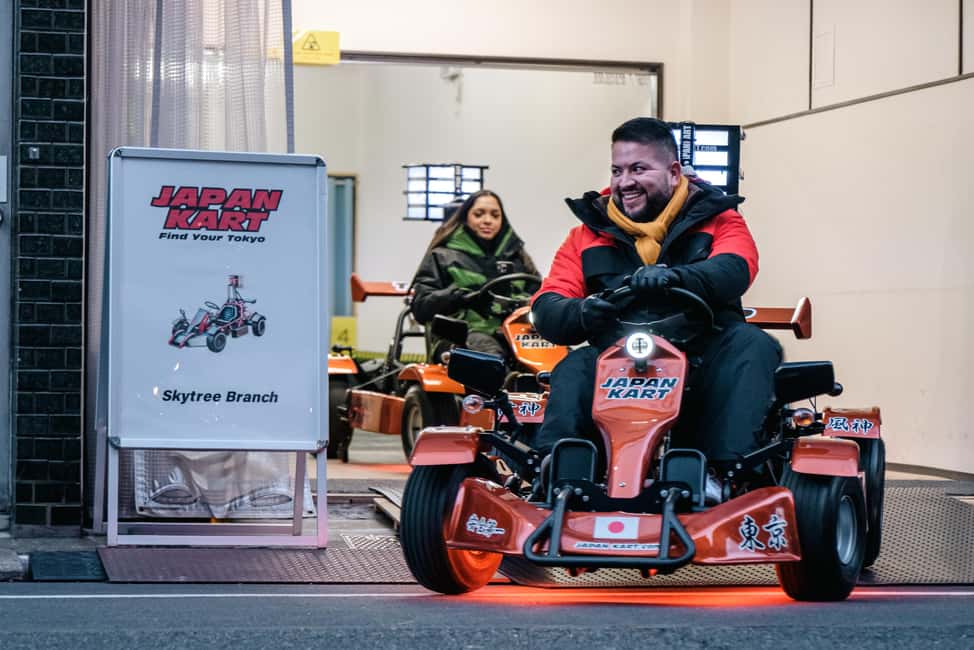
You’ll check in at the provider’s shop near Tokyo Skytree. From there, you’ll get guided driving through a string of recognizable areas across East Tokyo. The tour is designed to keep moving while still giving you short breaks—most notably around a photo moment near the bay.






Tokyo Bay break and Rainbow Bridge photo moment
One of the strongest highlights is the Tokyo Bay section and the Rainbow Bridge area. This is the part where you stop trying to “drive like you own the road” and start enjoying the view. People specifically mention feeling excited by the Rainbow Bridge photos, and it’s easy to understand why: it’s one of Tokyo’s biggest visual icons and a great skyline backdrop.
Expect a short break time here. It’s not an all-day rest, but it’s long enough to reset and get ready for the next stretch.
Ginza and Nihonbashi: modern shopping + older street bones
After the bay-side views, the route typically swings through Ginza and Nihonbashi areas. This is where the tour does something smart for first-timers: you get Tokyo’s modern identity (Ginza) and the older “still-a-city” structure (Nihonbashi) without changing trains.
Ginza is ideal for the go-kart vibe because the area has plenty of visual targets for photos and street scenes. Nihonbashi works because it feels more rooted—less “theme street,” more real Tokyo movement.
Kanda and Akihabara: tech energy without the maze
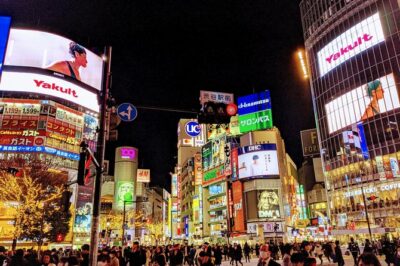
You’ll also pass through Kanda and Akihabara. If you’ve ever walked Akihabara with a map app open and still felt like you couldn’t escape the crowd, a go-kart route offers a different angle: you see the neighborhood’s intensity in a compressed time window.
Keep your driving focus here. Akihabara is visually distracting (in a good way), and it’s tempting to look around. Staff keep the pace manageable, but your job is still the road.
Ueno and Asakusa: the “ancient side” in motion
As the route moves toward Ueno and Asakusa, you’ll start seeing Tokyo’s older cultural areas in a way that feels more immediate than just riding past on a train.
Even if you don’t stop to explore deeply, the kart timing gives you the feeling of how these districts sit inside modern Tokyo. It’s the kind of sampling that helps you decide what you want to do after the tour—walk the streets longer, visit a specific shrine, or just return for a slower coffee.
One extra practical note: some people say the driving time is around 1 hour 10 minutes, but you should plan the whole outing longer from your start/check-in time. That means you arrive, get briefed, change, take photos, ride, take the break, and return.
One-hour Skytree branch: a tighter plan for Skytree, Asakusa, and Akihabara

If your schedule is tight or you just want a shorter hit of the experience, the 1-hour option is a good alternative.
This version has a different meeting point and a faster route through key neighborhoods:
- Asakusa
- Ueno and Ueno Park
- Kappabashi Kitchen Tools Street
- Akihabara
- Tokyo Skytree
Because it’s only an hour, you’ll feel more “sampling” than “full circuit.” You’ll still get the driving thrill and landmark passing, but don’t expect a long, slow sightseeing day. Think of it as the kart version of a highlight reel.
It can work really well if you already plan to explore Asakusa and Akihabara on foot later. Use the kart ride to get your bearings, then go back where something grabbed you.
Photo stops, costumes, and how to get the best memories
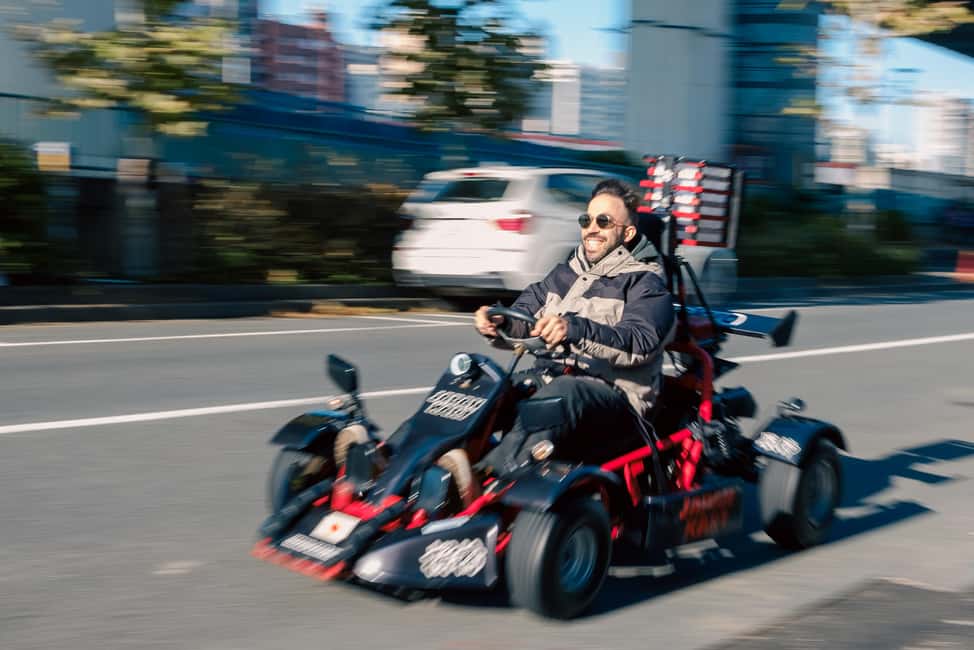
Photos are part of the included package. Staff take pictures during the route, including at major photo opportunities near the bay.
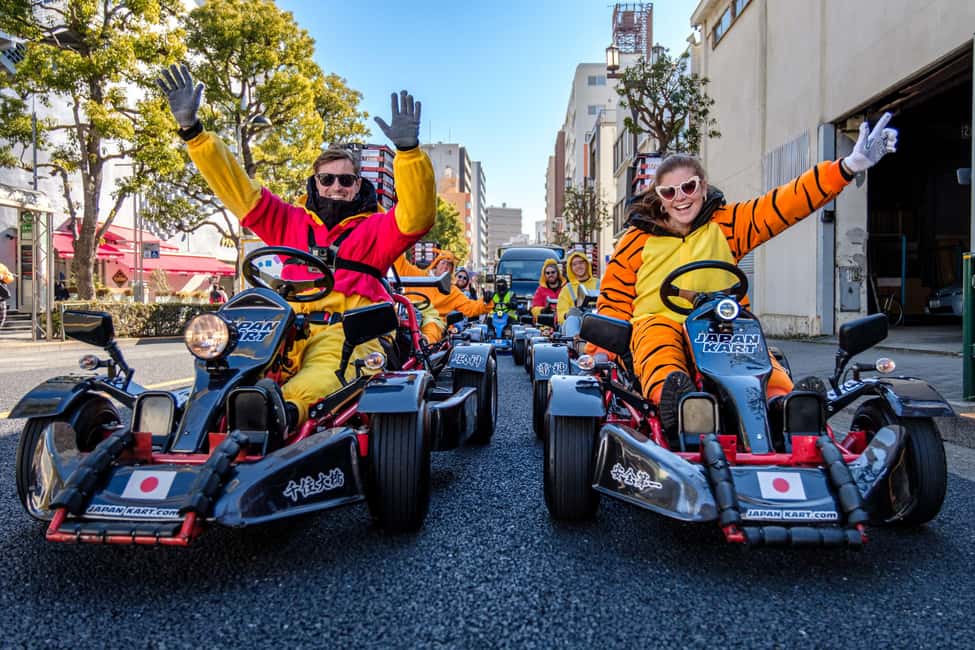
Costumes add a lot here. People mention a big variety of costumes and that the karts and gear feel clean. When you’re wearing something goofy, you’re more likely to relax and stop worrying about what you look like—so the pictures end up more fun and less posed.
Also, you’ll want to dress practically. If you wear sandals or flip-flops, you may not be allowed to ride. If you wear high-heels, same issue. Wear something that grips.
If you’re the type who wants to capture a video, consider that you’ll be driving and following instructions. The tour includes staff photos and you might also get extra media after, so you don’t have to be the cameraman the whole time.
Who should book this (and who should rethink it)
This is a great match if:
- You want a Tokyo experience that’s different from trains and walking
- You like driving, even if you’re new to it
- You want to cover multiple recognizable areas in a short window
- You appreciate safety structure and clear guidance
It might be less ideal if:
- Your main goal is detailed sightseeing narration. This tour is motion-first.
- You’re worried about handling a kart in traffic-like conditions. The staff guidance helps, but it’s still real-road driving.
- You don’t have the correct license paperwork. This is the deal-breaker.
Age-wise, it’s not suitable for drivers under 18. The tour is also designed for drivers who can follow instructions quickly during the briefing.
If you’re traveling with kids, it becomes a question of whether you need a driver versus a passenger. The rules provided focus on driving eligibility, so check before you go.
Should you book JAPANKART East Tokyo go-karting?
I’d book it if you want one of Tokyo’s most fun, most memorable “active sightseeing” combos for a reasonable fixed price. The safety briefing approach, small group size, and real public-road route make it feel controlled rather than reckless—exactly what you want when you’re trying something new.
Skip it or double-check your plan if your driving documents are even slightly uncertain. This tour is strict for a reason, and getting turned away wastes your day.
If you’re on the fence between the 1-hour and 2-hour versions, choose based on energy:
- Pick 1 hour if you’re crunched for time and plan to explore Asakusa/Akihabara later on foot.
- Pick 2 hours if you want more passing highlights and a better shot at enjoying the bay and Rainbow Bridge moment.
If you bring the right IDP, wear proper shoes, and show up ready to listen during the briefing, this is one of those Tokyo activities that makes your trip feel like more than sightseeing checklists.
FAQ
How long is the East Tokyo go-kart tour?
The experience runs about 90 to 150 minutes, depending on which tour option you choose.
Where do I meet for the tour?
You check in at the activity provider’s shop near Tokyo Skytree Tower.
How much does it cost?
The price is $64 per person.
Do I need a driving license and international permit to drive?
Yes. You must have your driver’s license, an International Driving Permit issued under the Geneva Convention 1949, and your passport.
What IDP type is accepted in Japan for this activity?
International Driving Permits must be issued under the Geneva Convention 1949. Those issued under the Vienna Convention 1968 are not accepted.
What shoes are allowed?
High-heeled shoes are not allowed, and sandals or flip-flops are also not allowed. Bare feet are not allowed either.
Is alcohol allowed during the tour?
No. Alcohol and drugs are not allowed, and alcoholic drinks are not allowed in the vehicle.
Is there a refund if the tour is canceled due to bad weather?
Yes. If the tour is canceled due to bad weather, you are eligible for a full refund.