REVIEW · TOKYO
Majestic Mt. Fuji & Hakone Retreat –A Private Day Tour from Tokyo
Book on Viator →Operated by Sakura Travel · Bookable on Viator
Fuji and Hakone in one day is a lot. That’s why this private tour is such a smart move: you tick off big-view stops, you get hotel pickup, and you can adjust the order as the day unfolds. I especially like the meet-and-greet feel right from your Tokyo hotel, with a driver-guide who keeps things moving. I also love the comfort extras—air-con, Wi‑Fi, and USB charging—so the long ride doesn’t feel like a punishment.
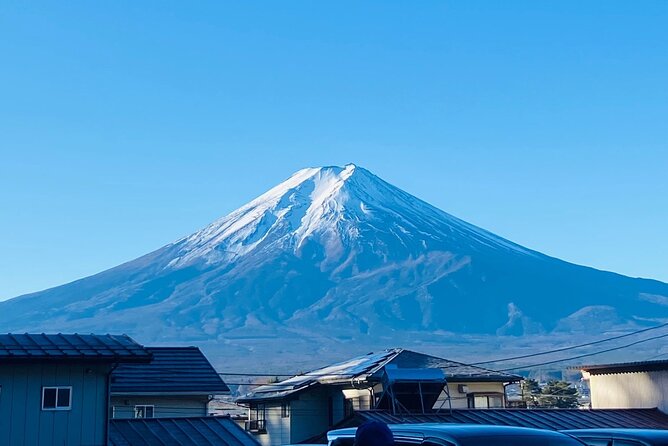
Here’s the only real catch: this whole plan depends on weather. When skies are cloudy, you still get great sights around Fuji and Hakone, but the iconic summit views can’t be forced.
In This Review
- Key things to know before you go
- Why this Mt. Fuji and Hakone private day works so well
- Price and what you’re paying for (up to 5 people)
- Meeting your guide in Tokyo and staying comfortable on the road
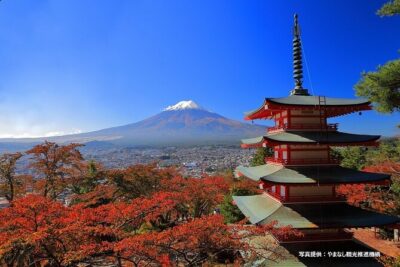
- Chureito Pagoda and Arakura Fuji Sengen Shrine: the Fuji postcard moment
- Mt. Fuji 5th Station: worth it if the weather cooperates
- Lake Kawaguchiko and Oshino Hakkai: Fuji scenery with easy walking
- Lake Kawaguchiko
- Oshino Hakkai
- Hakone lakes: Lake Ashinoko and Lake Yamanaka
- Lake Ashinoko (Lake Hakone)
- Lake Yamanaka
- Owakudani and Hakone Ropeway: volcanic power, plus line reality
- Timing strategy for a full day (and how to avoid wasting it)
- Who this private tour is best for
- Should you book Majestic Mt. Fuji & Hakone Retreat?
- FAQ
- How long is the Mt. Fuji and Hakone private tour from Tokyo?
- What stops are included in the day?
- Is hotel pickup and drop-off included?
- Is Wi‑Fi available during the tour?
- Are admission tickets included?
- What’s the cancellation policy if weather turns bad?
Key things to know before you go
Private, door-to-door transport from central Tokyo (no train math)
Pick up to 5 people, so the day feels personal, not bus-chaos
Time-saving stop-to-stop flow with an English-speaking driver-guide
Big-name Fuji views at Chureito Pagoda and the Arakura area
Hakone’s volcanic and lake scenery with optional add-ons like ropeways/cruises
Weather matters, so have a flexible mindset
Why this Mt. Fuji and Hakone private day works so well
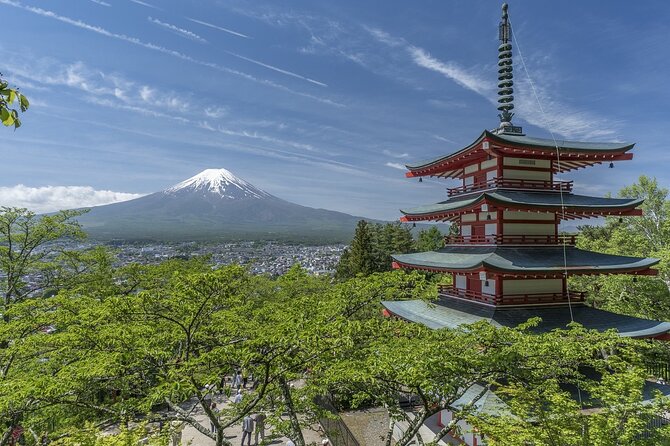
This is one of those days that sounds impossible until you see how it’s built. You cover two of Japan’s most famous nature zones—Mt. Fuji area and Hakone—in roughly 9 to 10 hours. That’s fast. It’s also efficient, because you’re not spending your morning figuring out which train goes where.
The private format is the real value. If you want a slower pause at a viewpoint, you can usually ask. If you need to change the plan because a stop is packed, you can work around it. This is especially helpful at Fuji spots, where the photo spots can look calm until you get there and realize everyone else had the same idea.
Also, the “driver-guide” setup matters. You’re not just chauffeured. An English-speaking guide helps you navigate what’s worth your time, and you spend less time wandering in circles trying to figure out the best entrances and photo angles.
You can also read our reviews of more private tours in Tokyo

Price and what you’re paying for (up to 5 people)
At $495.39 per group (up to 5), you’re paying for door-to-door convenience plus vehicle comfort for a full day. For solo travelers, it can feel steep. For small groups or families, it often feels more reasonable because you split the cost.
Here’s how I’d think about value:
- You’re not buying separate transport tickets all day.
- You’re buying the ability to move quickly between distant sites without losing half the day.
- You’re also buying fewer headaches. Fuji and Hakone day trips can be logistically messy when you self-plan.
One more detail: the day includes all taxes, tolls, fees, plus Wi‑Fi, USB charging, and central Tokyo hotel pickup/drop-off. That means fewer surprise add-ons, even though you’ll still have some optional expenses at stops.
Meeting your guide in Tokyo and staying comfortable on the road
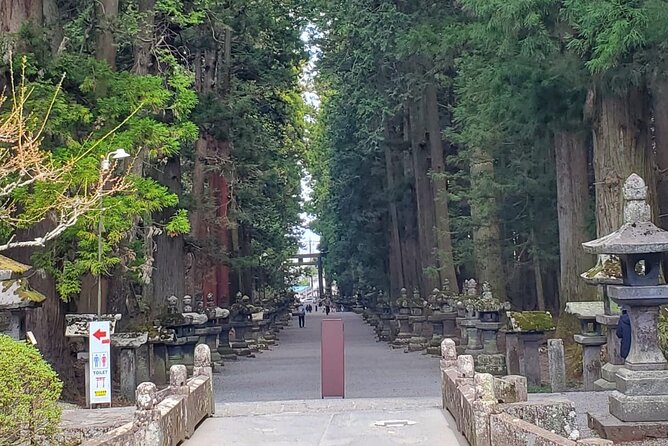
A great day in Japan often starts with not getting stressed at the start. This tour includes hotel pickup and drop-off in central Tokyo, plus a meet-and-greet style handoff. You don’t need to arrive at some distant station early and then guess which line is yours.
Inside the car, you get air-con and Wi‑Fi, and USB charging—tiny things that add up on a long day. You’ll likely use Wi‑Fi for directions, translation, and checking whether the sky is cooperating. When traffic hits (and it often does around popular sightseeing corridors), being comfortable helps you stay patient instead of cranky.
From reviews, I’ve seen names come up like Ahsan, Atif Cheema, Ahmed, and Hassan. The common theme is that the driver-guide helps you move through busy places without wasting time.
Chureito Pagoda and Arakura Fuji Sengen Shrine: the Fuji postcard moment
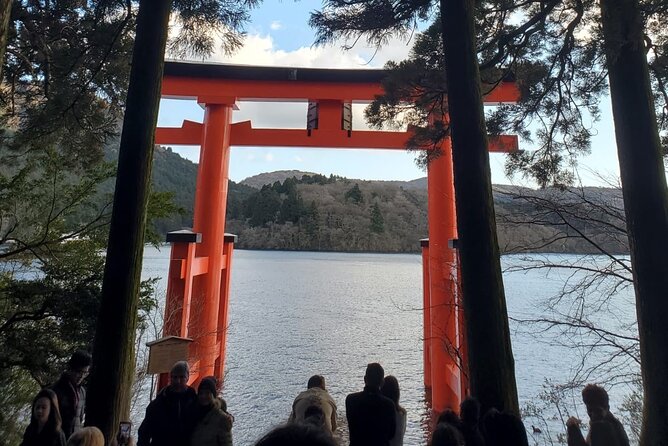
This area is famous for a reason. The view is built for photos: you look toward Mt. Fuji from a hillside with the classic five-story pagoda framing the scene. On clear days, it’s the kind of view that makes you stop talking for a second.
At Chureito Pagoda, you get about 1 hour, and admission is free. That’s plenty of time to:
- reach the best viewpoints,
- take photos without rushing,
- and still grab a snack or two if you want one.
Nearby, Arakura Fuji Sengen Shrine is another short stop (about 30 minutes, also free). It’s more than a photo platform. Even when crowds are heavy, the shrine area gives you a sense of how locals and visitors relate to Fuji—not just as a summit, but as a spiritual presence.
Practical tip: if the sky is even slightly clear, prioritize this stop early in the day when visibility tends to be better. If it’s cloudy, don’t panic. You’ll still enjoy the pagoda setting and the walk among the area’s paths.
Mt. Fuji 5th Station: worth it if the weather cooperates
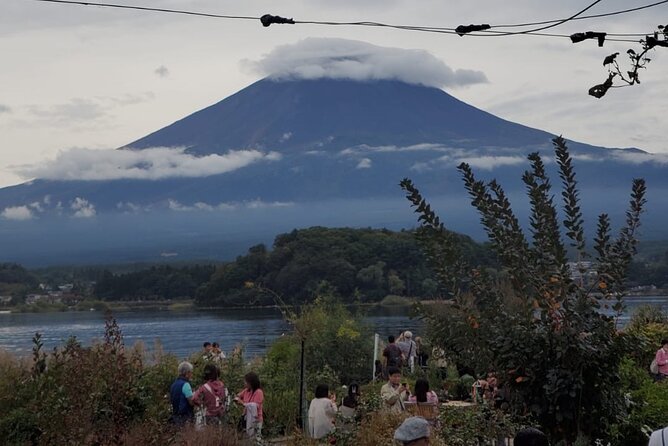
The Mt. Fuji 5th Station is high up at about 2,300 meters. In clear weather, you can feel the difference immediately—air, views, and that “above the clouds” feeling people chase.
This stop is optional in the way the tour is structured, with about 1.5 hours allocated. Admission isn’t included, so treat this as a pay-as-you-go add-on depending on current site fees and access rules.
There’s also a spiritual element with Fujisan Komitake Shrine nearby, and the Yoshida Trail starts here for climbers. Even if you’re not climbing, it’s a meaningful place to stand in the same zone hikers begin their attempt.
The biggest consideration is weather. When visibility is poor, the 5th Station can be less spectacular. But it can still be interesting as a mountain-at-altitude experience.






Lake Kawaguchiko and Oshino Hakkai: Fuji scenery with easy walking
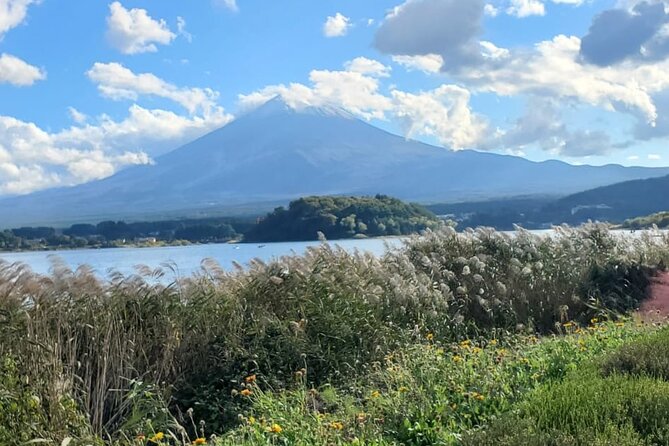
After the Fuji views from the hillside, you shift to the water-and-village side of the Fuji area.
Lake Kawaguchiko
You’ll spend about 1 hour here, and some activities connected to the lake are optional and likely not included. The area is known for seeing Mt. Fuji from different angles. If you want extra viewpoints, this is where places like the Kachi Kachi ropeway or a lake cruise can come in. The tour gives you time at the lake, so you can match your plan to your energy and sky conditions.
Lake views tend to work in a way that walking around a scenic deck does. Even when Fuji isn’t crisp in the frame, the lake atmosphere still lands.
Oshino Hakkai
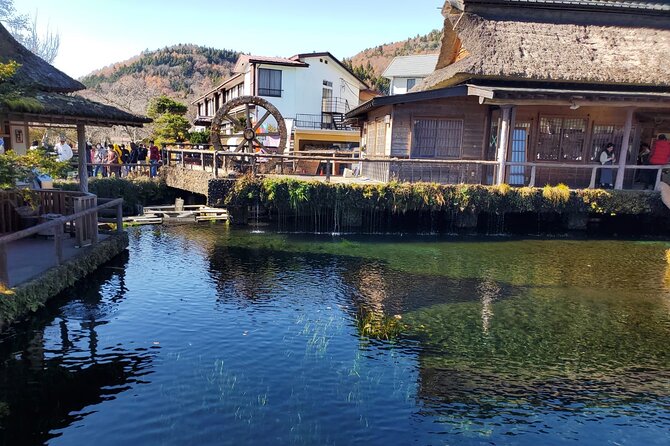
Then you head to Oshino Hakkai, a scenic pond village with eight ponds and vendors for food and souvenirs. This stop is about 1 hour, with admission listed as free.
What I like here is the pace. It’s not only about big “Fuji peak” photos. It’s also about stepping into a small, photogenic village setting with easy-to-enjoy sights. It works well as a mid-day reset.
If you want the best experience, walk slowly. Let yourself drift between ponds rather than trying to “collect” the stop like a checklist.
Hakone lakes: Lake Ashinoko and Lake Yamanaka

Hakone doesn’t just mean steam and cable cars. You also get water views that feel more open than the Fuji villages.
Lake Ashinoko (Lake Hakone)
You’ll have about 1 hour here, and admission is listed as free. Lake Ashinoko is often called the Hakone lake, and it’s a classic viewpoint stop in the region.
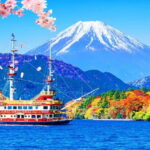
The description also points to the Pirate Cruise as an activity possibility on Lake Ashi. Since that’s not listed as included, treat it as an optional add-on if your timing and ticket situation allow. If you do it, it’s a good way to get moving scenery without adding a lot of physical effort.
Lake Yamanaka
Next is Lake Yamanaka, about 1 hour, also free. It’s part of Japan’s Fuji Five Lakes area and is described as the largest by surface area among the five, plus it sits at a higher elevation.
Lake Yamanaka is a good “change of pace” moment. After busier stops, you get calmer scenery and a break from crowd-surge zones. It’s not as instantly iconic as the Chureito pagoda for photos, but that’s also why it’s enjoyable.
Owakudani and Hakone Ropeway: volcanic power, plus line reality
If you want the most dramatic change of scenery in the day, it’s Owaku-dani Valley. This is Hakone’s volcanic area, known for steaming vents, sulfuric landscapes, and hot-spring vibes. You’ll see the evidence of the Hakone eruption from thousands of years ago—no museum required.
The stop is about 1 hour, and admission is listed as free. That time gives you room to smell the sulfur (yes, it’s real), pause for photos, and walk enough to feel like you’ve actually been somewhere.
Then comes the Hakone Ropeway, a signature cable-car ride in the region. It’s about 30 minutes, and admission is not included. The ropeway connects spots like Togendai and Owakudani and is described as scenic for views of volcanic landscapes and Lake Ashi.
Here’s the practical caution: ropeway lines can eat time. If it’s a clear day, it’s usually worth it. If clouds roll in and you don’t expect much Fuji visibility anyway, you might decide your time is better spent where you don’t have to queue.
Timing strategy for a full day (and how to avoid wasting it)
This tour’s schedule stacks a lot of famous stops into one day. That’s great for “first-timer” coverage. It’s also why timing decisions matter.
A few things to do so the day feels smooth:
- If the sky looks even partly promising, treat Fuji-view stops as priority.
- Keep an eye on where lines are forming, especially around the most photogenic spots.
- If you’re prone to getting tired from walking, plan your breaks during free stops like Oshino Hakkai rather than saving everything for the car.
You’ll also be dealing with normal Japan traffic patterns. One review mentioned that traffic didn’t derail the day, but it did mean the guide adjusted smoothly. The key is to stay flexible. This is sightseeing, not a train schedule contest.
Also remember: not everything costs the same at each stop. Some places list free admission, while others list admission not included (like the 5th Station and ropeway). Build a little budget for those “optional but tempting” moments.
Who this private tour is best for
This is a strong fit if:
- you want a lot of iconic sights without switching trains and buses,
- you’re traveling with kids or a group that doesn’t want to split up,
- you care about comfort and would rather sit in a clean vehicle than hunt transport connections,
- you want a plan that can adapt when crowds or timing get weird.
It’s also a good choice if you’re short on time in Tokyo and you want a “Japan nature hit” without sacrificing your whole day to planning.
If you’re the type who loves slow travel and deep exploring, you might prefer two separate trips—one focusing on Fuji viewpoints and one focusing on Hakone. But if your goal is to see the highlights efficiently, this works.
Should you book Majestic Mt. Fuji & Hakone Retreat?
I’d book it if you want maximum payoff per hour and you value the simplicity of hotel pickup + private transport. The vehicle comfort and English-speaking driver-guide make the day feel manageable even when the schedule is packed. And the stop choices hit the major “Fuji and Hakone” hits: Chureito Pagoda/Arakura area, lakes in the Fuji Five Lakes region, Owakudani’s volcanic drama, and ropeway country if you want the ride.
I’d think twice if your trip is during a cloudy stretch and you’re only chasing summit-perfect views. The tour still offers strong scenery at free stops, but if Mt. Fuji in the distance is the single goal, weather can change the story.
If you’re okay with that reality—and you’d rather have a well-run day than a DIY stress-fest—this private retreat is a solid way to spend your limited Japan time.
FAQ
How long is the Mt. Fuji and Hakone private tour from Tokyo?
It runs about 9 to 10 hours.
What stops are included in the day?
You’ll visit Chureito Pagoda, the Mt. Fuji 5th Station (optional), Arakura Fuji Sengen Shrine, Lake Kawaguchiko, Oshino Hakkai, Lake Ashinoko, Lake Yamanaka, Owakudani Valley, and Hakone Ropeway.
Is hotel pickup and drop-off included?
Yes. The tour includes hotel pickup and drop-off in central Tokyo, plus meet-and-greet.
Is Wi‑Fi available during the tour?
Yes. The vehicle includes onboard Wi‑Fi and USB charging.
Are admission tickets included?
Some stops are listed as free admission (like Chureito Pagoda, Arakura Fuji Sengen Shrine, and Oshino Hakkai), while others are listed as not included (like Mt. Fuji 5th Station and Hakone Ropeway). Optional add-ons at certain lakes may also cost extra.
What’s the cancellation policy if weather turns bad?
There’s free cancellation up to 24 hours in advance for a full refund. The experience requires good weather, and if it’s canceled due to poor weather, you’ll be offered a different date or a full refund.