REVIEW · TOKYO
Christmas Magic in Tokyo! Private & Family-Friendly Walking Tour
Book on Viator →Operated by Fuji Tour · Bookable on Viator
Tokyo feels different with a guide in your corner. This private walking tour lets you customize your route and match the pace to your family or your plans.
You’ll get a smart, practical look at key neighborhoods—Ueno, Ginza, Shibuya, Shinjuku, Tsukiji, Asakusa, and Meiji Jingu—without rushing through it like a checklist.
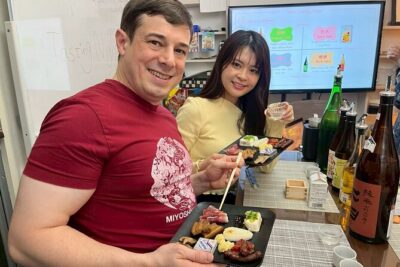
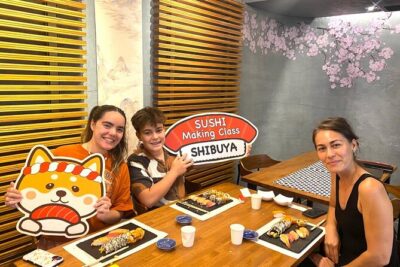
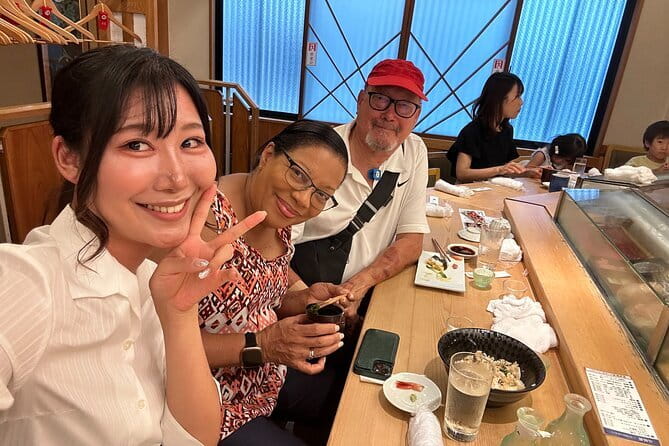
Two things I especially like: the walk-at-your-pace setup, and the way the guide adapts to who you’re bringing. With Sakura, one family worked in video games and claw, plus street food, an authentic sushi stop, and anime-style photos that actually fit the group. With Ran, the tour adjusted smoothly for three kids under 3, and even included a pregnant wife who needed extra comfort.
One thing to consider: the day is built around multiple areas with shorter stop times (often about 30 minutes). If you want deep, slow time at a single place, you’ll likely need to ask your guide to stretch the parts you care about most.
In This Review
- Key takeaways
- A Private Tokyo Walk Built Around Your People
- Price and Timing: What $450 Covers (and What Doesn’t)
- Route Overview: Ueno to Meiji Jingu in One Cohesive Day
- Uenokoen: Park Walks That Set the Tone
- Ginza in 30 Minutes: Luxury Streets and Refined Tokyo Life
- Shibuya: Iconic Crossing and Youth Culture Energy
- Shinjuku and Kabukicho: Neon Nightlife Without the Night
- Tsukiji Outer Market: Food Culture Where You Can Actually Eat
- Asakusa: Senso-ji and Old Tokyo Vibes That Work for Families
- Meiji Jingu: A Forest-Quiet Finish That Feels Like Another World
- How to Get the Most Out of a Custom Route
- Practical Stuff That Makes This Feel Easier
- Should You Book This Christmas Magic in Tokyo Tour?
- FAQ
- How much does the Christmas Magic in Tokyo private walking tour cost?
- How long is the tour?
- Is the tour private?
- What’s included in the price?
- What isn’t included?
- How do you communicate with the guide on the day?
Key takeaways
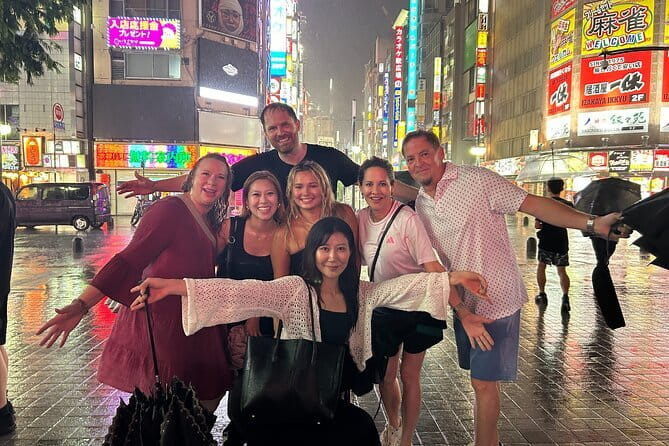
- Private group up to 10 so you can set the pace and keep kids happy or couples comfortable
- Custom route by theme (food, temples, anime, fashion, and more) instead of a fixed script
- Hotel pickup plus local English guide makes it easier to start strong and stay on track
- A route that mixes big city energy and calm nature from Shibuya/Shinjuku to Meiji Jingu
- Guide support beyond walking with restaurant reservation help and recommendations for the rest of Japan
A Private Tokyo Walk Built Around Your People
This isn’t one of those tours where you follow a line and hope you like what you’re seeing. The best part is that you set the direction. You choose themes and the guide shapes the route around your interests, then keeps the pacing flexible so you’re not stuck doing everything at once.
I like that the tour is explicitly family-friendly. That matters in Tokyo, where stairs, crosswalk timing, and crowded blocks can turn a nice day into a stressful one fast. The guides can tailor the pace to your group, and that shows up in real life: Sakura built a day that worked for 17-year-old twins, while Ran adapted to three little ones under 3 and still kept the adults comfortable.
Also, you’re not just getting photo stops. You get insider tips you can use for the rest of your trip—where to eat, what to prioritize, and how to plan your next neighborhoods without guesswork. That’s where a private guide quietly saves you time.
You can also read our reviews of more walking tours in Tokyo

Price and Timing: What $450 Covers (and What Doesn’t)
The price is $450 per group for up to 10 people, with a duration of about 4 to 8 hours. In practice, that means the value depends on how many people you bring. If you’re a couple, it’s a splurge. If you’re a small family or a group of friends who want one guide for the day, it starts to feel like a smart way to buy convenience and direction.
What you get for that money is useful: hotel pickup, a local English guide, customization, restaurant reservation support if you need it, and personalized recommendations for the rest of your Japan stay. You also get a mobile ticket, which helps on the day.
What’s not included is also important to plan for. Transportation fees for both the guide and you, plus food and personal expenses, are on you. Entrance fees to any paid attractions are not included. The good news is the core stops are listed as free at the start, but if you decide to add something on the fly, you’ll want cash or a card ready.
If you’re booking during the busy holiday season, I’d suggest planning early. This tour is commonly reserved about 72 days ahead.
Route Overview: Ueno to Meiji Jingu in One Cohesive Day
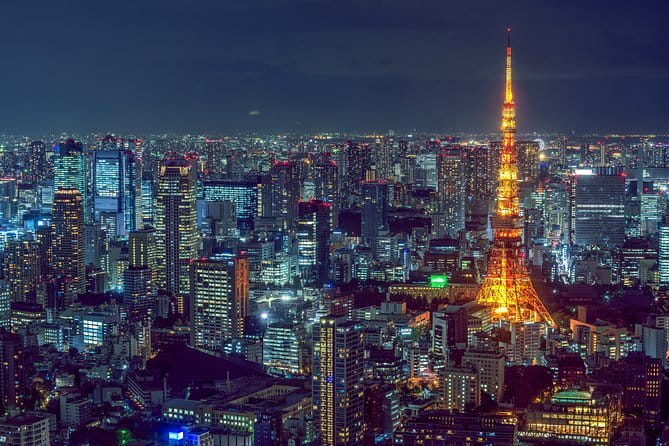
This tour threads together Tokyo’s major mood swings. You start with park time in Ueno, then shift into shopping and city glamour in Ginza. You hit the energy machines of Shibuya and Shinjuku, then swing toward food culture at Tsukiji. From there, you move into classic temple-town atmosphere in Asakusa, and finish with a forest-shaded reset at Meiji Jingu.
That flow is practical. After the busier neighborhoods, you’re not forced to keep climbing the energy ladder. The final stop gives you a calm place to regroup, which is especially helpful if you’re traveling with kids or anyone who tires out quickly.
You’ll notice the stops are designed so you can sample a lot without spending the whole day sitting. Each area gets a clear block of time, and the guide helps you make sense of what you’re seeing so it doesn’t feel random.
Also, this is a private tour, so it’s just your group. You won’t be squeezed into someone else’s pace or your day being reshaped by strangers.
Uenokoen: Park Walks That Set the Tone
Your first stop is Uenokoen (Ueno Park), with about one hour on the green side of Tokyo. The point here isn’t a museum sprint. It’s a slower start: nature, open space, and a sense of place that helps you get oriented before the city gets loud.
This first hour is great for families because it gives everyone room to stretch. It also helps adults. Tokyo can feel overwhelming on day one; a park start gives you a chance to reset your eyes and your timing.
Drawback to think about: if you’re only in Tokyo for a very short time, Ueno Park might feel like a breather you didn’t expect. But as a start point, it’s smart. It makes the rest of the route easier to enjoy.
Ginza in 30 Minutes: Luxury Streets and Refined Tokyo Life
Next up is Ginza, about 30 minutes. This is Tokyo’s well-known luxury shopping and cultural district, with elegant streets and a more polished atmosphere than many other areas.
Why it’s worth a quick hit: Ginza is a great contrast to the chaos you’ll see later. You can observe how Tokyo expresses style and order in a clean, easy-to-walk environment. Even if you don’t shop, it’s useful for reading the city: lighting, street design, and the way people move.
Potential consideration: Ginza is best if you’re in the mood to look around. If your group wants action only, you might want your guide to focus on specific sights or short streets rather than browsing.
You can also read our reviews of more private tours in Tokyo


Shibuya: Iconic Crossing and Youth Culture Energy
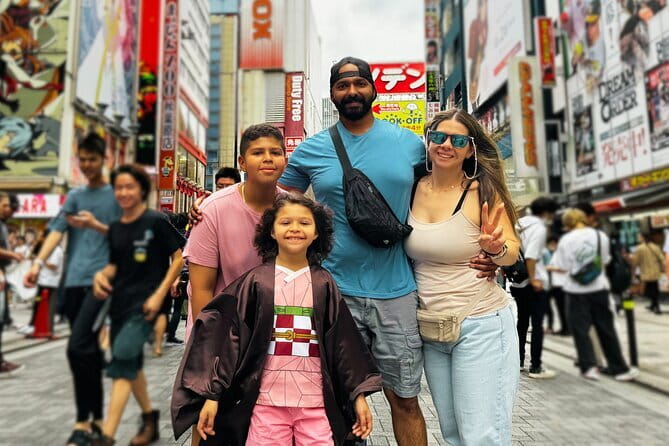
Then you roll into Shibuya for about 30 minutes. This is one of Tokyo’s most energetic and recognizable neighborhoods, known for trendy shops and lively nightlife. The big headline is Shibuya Crossing, famous as one of the busiest pedestrian crossings in the world.
What you’ll likely enjoy here is the scale. It’s one of those places where you understand Tokyo’s forward motion instantly. The guide helps you time your crossing and navigate the flow safely, instead of you guessing your way through a crowd.
Family note: with little kids, it’s smart to treat this as a quick photo-and-walk stop. The pace can feel intense. The upside is that you can still experience Shibuya without letting it turn into a whole-day ordeal.
Shinjuku and Kabukicho: Neon Nightlife Without the Night
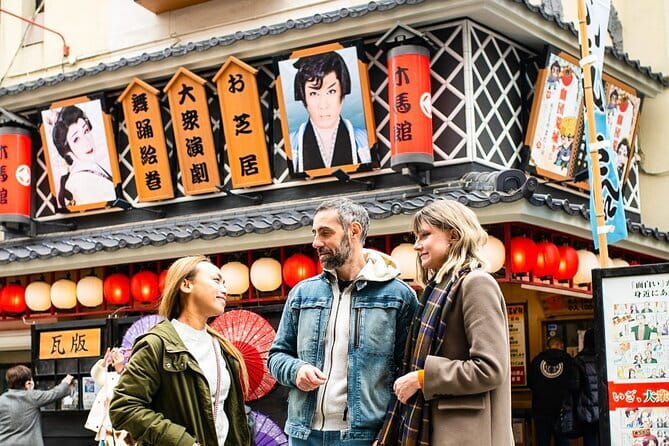
Your next stop is Shinjuku, specifically Kabukicho, also about 30 minutes. This area is known for neon lights, entertainment, and plenty of dining choices. It’s famous for its nightlife vibe, though you’re visiting during your walking tour window, so it’s more about the atmosphere and city glow than bar-hopping.
Why it belongs in the same day: Shinjuku adds a different texture than Shibuya. Ginza is sleek, Shibuya is youth-forward, and Kabukicho is pure Tokyo street spectacle.
Consideration: if your group prefers quiet, this is the most intense stop for many people. It can also be visually overwhelming at first glance. The guide can help you spot calmer routes and keep you moving without losing the fun.
Tsukiji Outer Market: Food Culture Where You Can Actually Eat
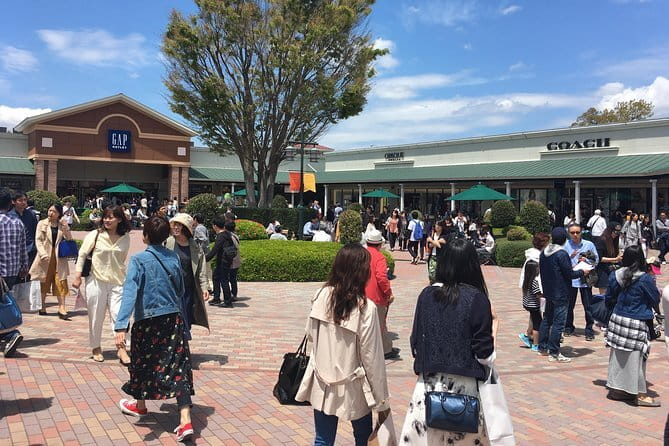
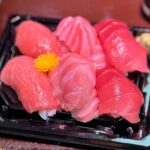
Next is Tsukiji Jogai Market for about 30 minutes. Even though the inner wholesale market has moved, the outer market area still runs strong as a place for food culture. You’ll find a mix of fresh seafood options and the kind of snack-and-stroll energy that works well on a walking tour.
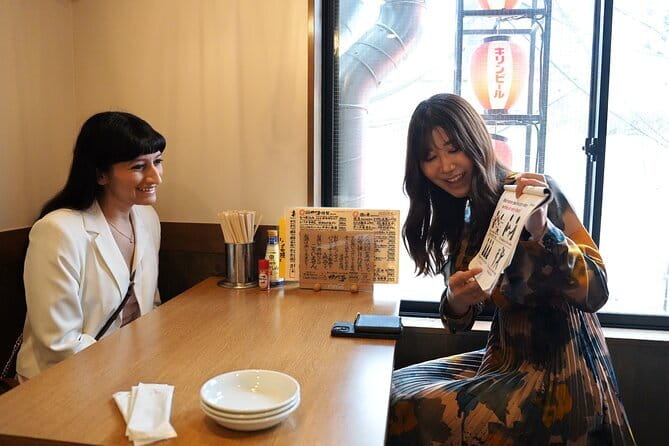
What makes this stop especially valuable is how it supports your customization. If your theme is food, this is where the guide can point you toward practical choices that fit your tastes and dietary boundaries.
Drawback: 30 minutes goes fast if you want to try multiple things. If you’re the kind of group that wants to taste a lot, ask your guide early to plan which items to prioritize so the time doesn’t evaporate into indecision.
Asakusa: Senso-ji and Old Tokyo Vibes That Work for Families
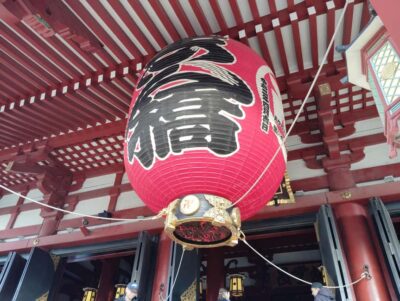
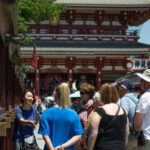
Then you head to Asakusa for about 30 minutes. This historic district is known for a traditional feel, and it centers on Senso-ji Temple, described as Tokyo’s oldest temple. It’s the kind of area where you can see why people fall for Tokyo’s older side.
Why this stop is a good partner to the rest of the route: after modern city blocks, Asakusa gives you a slower, more grounded experience. It’s easier to talk about history, customs, and culture here because the environment invites it.
Family-friendly angle: Asakusa tends to be more forgiving for a mixed group. Even when it’s busy, you can still take your time with the sights. And since your guide is walking at your pace, you can slow down if kids need breaks.
Consideration: if you’re hoping for a quiet, empty temple moment, you’ll want to manage expectations. This area is a major draw.
Meiji Jingu: A Forest-Quiet Finish That Feels Like Another World
To close, you’ll visit Meiji Jingu Shrine for about 30 minutes. The description says it’s a peaceful oasis surrounded by a large forest, offering a calm, respectful atmosphere away from the noise of central Tokyo.
This ending is more than scenic. It’s functional. After Shibuya and Shinjuku, your brain needs an off switch. Meiji Jingu gives you that, and it also makes your photos feel different—so the day doesn’t just look like a set of crowded streets.
If you’re traveling with teens, this can also be a nice reset. In Sakura’s case, the group had plenty of anime and game energy, but the route still included temples and calm breaks so everyone had variety.
How to Get the Most Out of a Custom Route
Here’s how to make this tour feel truly yours. Before you meet up, think in terms of priorities, not logistics. Pick one theme as your anchor (food, temples, anime, fashion), then list two or three “nice to have” interests. Your guide tailors the route and pace around that.
If you’re traveling with kids, tell the guide early what matters: bathroom breaks, stroller comfort, and how long your youngest can last. Ran’s experience with very young children shows the value of that upfront communication. A guide who adjusts helps your whole day feel smoother.
If you’re traveling with teens, be specific about what interests them. Sakura’s day worked because it matched the teens’ energy—video games, claw, street food, authentic sushi, and anime-style fun photos. That’s a strong reminder: Tokyo offers everything, but you still have to aim at your group’s real interests.
Also, use the built-in support. Restaurant reservation support is available if you need it, and personalized recommendations help you build the next days without wasting time.
For day-of contact, you’ll want WhatsApp downloaded, since that’s how the provider reaches you. It’s a small step that makes the meetup less stressful.
Practical Stuff That Makes This Feel Easier
This is a private tour/activity, so it’s just your group. That alone reduces friction. You won’t have to compromise on where to slow down or what to skip.
Pickup is offered, and the tour is near public transportation. That matters because Tokyo’s transit is excellent, but walking from station to station can eat time when you’re tired. Starting with pickup helps you spend your energy on the places that matter most to you.
Finally, the tour includes a local English guide and uses a mobile ticket. Combined, these details are part of the value: fewer unknowns, more moving through Tokyo confidently.
And if plans shift, cancellation is free up to 24 hours before the experience starts.
Should You Book This Christmas Magic in Tokyo Tour?
If your group wants a Tokyo day that feels personal—built around your interests, your pace, and your energy level—this is a strong fit. It’s especially good when you’re mixing ages: toddlers and parents, or teens and adults who all want something different.
It’s also a smart pick if you dislike wasting time figuring out what’s worth your limited hours. A guide helps you connect the dots between neighborhoods so your day feels like a story, not a random route.
Skip it or adjust your expectations if you’re looking for one perfect, unhurried deep experience at a single site. The day is designed for coverage, so you may want to ask your guide to lengthen whichever stop matters most to you. With some planning, you’ll get the best of both worlds: a guided tour with enough flexibility to make it feel like your Tokyo.
FAQ
How much does the Christmas Magic in Tokyo private walking tour cost?
It costs $450.00 per group (up to 10 people).
How long is the tour?
The tour lasts about 4 to 8 hours.
Is the tour private?
Yes. It’s private, so only your group participates.
What’s included in the price?
Included are hotel pickup, a local English guide, tour customization, restaurant reservation support if needed, and personalized recommendations for the rest of your Japan trip.
What isn’t included?
Not included are transportation fees for both the guide and guest, food and personal expenses, and entrance fees to any paid attractions.
How do you communicate with the guide on the day?
You’ll be asked to download WhatsApp for day-of contact.