REVIEW · TOKYO
From Tokyo: Mount Fuji Sightseeing One Day Trip
Book on Viator →Operated by F Trip · Bookable on Viator
Fuji is fickle, but the route is solid. This one fixes the hard part of a day trip by taking care of round-trip transportation so you can just watch the scenery roll by and hit the best scheduled viewpoints. You’ll also use a mobile ticket, which cuts down on hassle before you even get on the bus.
I also love how the timing gives you multiple angles in one day, from the iconic Chureito Pagoda view to the Fuji Five Lakes shoreline area at Lake Kawaguchiko. The guide quality can make a difference too, with names like Augustine, Keiko, and Joey showing up in feedback for clear, organized explanations and extra help with photos. One drawback to plan around: Mount Fuji may be hidden by clouds or fog, and that’s not something any tour can control.
In This Review
- Key Highlights at a Glance
- Why This Fuji Day Trip Feels Easier Than DIY
- Getting to the Fuji Region: The Bus Ride That Actually Matters
- Chureito Pagoda and Arakura Shrine: The Iconic “Fuji in Postcard” Combo
- Lake Kawaguchiko: Where You Can Reposition for the Best Look
- Oishi Park: Flowers, Promenades, and a Bigger Scenic Picture
- Oshino Hakkai: The Eight Spring Ponds Stop That Changes the Mood
- Hikawa Clock Shop and Lawson Fujikawaguchiko: The Quick Street-Photo Layer
- Timing and Pace: When a 10-Hour Day Feels Rushed
- Weather Reality Check: Your Biggest Variable Is the Sky
- Guides and Group Size: Why the Day Can Feel Personal
- Value for Money: What You Really Get for $58.90
- Who This Tour Is Best For (and Who Should Skip)
- Should You Book This Mount Fuji One-Day Trip?
- FAQ
- Where does the tour start?
- How long is the Mount Fuji day trip?
- What is included in the price?
- Do I get a ticket on my phone?
- What are the main stops on the itinerary?
- How long do I spend at each stop?
- Is lunch provided?
- Is the group large?
- What should I do if the weather is bad?
- What is the cancellation window?
Key Highlights at a Glance
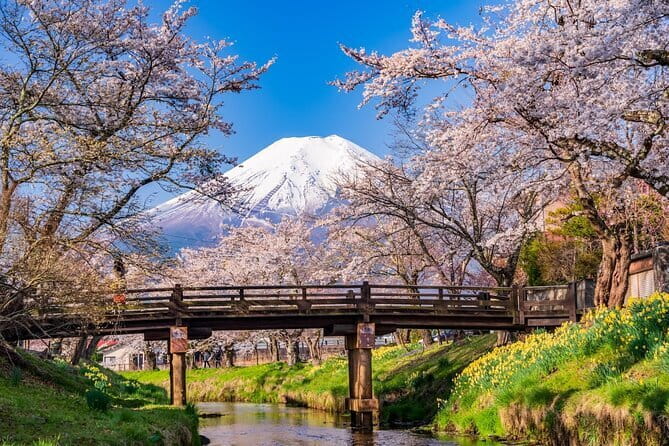
- Easy logistics from Tokyo/Shinjuku: sit back and let someone else handle the navigation
- Planned photo stops with real time: Chureito Pagoda (1 hour) plus multiple Fuji viewpoints
- Culture + scenery together: Arakura Shrine built in 705 and village-style walking stops
- Lake Kawaguchiko for shoreline views: enough time to reposition and catch the mountain when it appears
- Oshino Hakkai’s eight spring ponds: a distinctive contrast to the lake-and-temple photos
- Small-group feel for a bus day: capped at 45 travelers
Why This Fuji Day Trip Feels Easier Than DIY
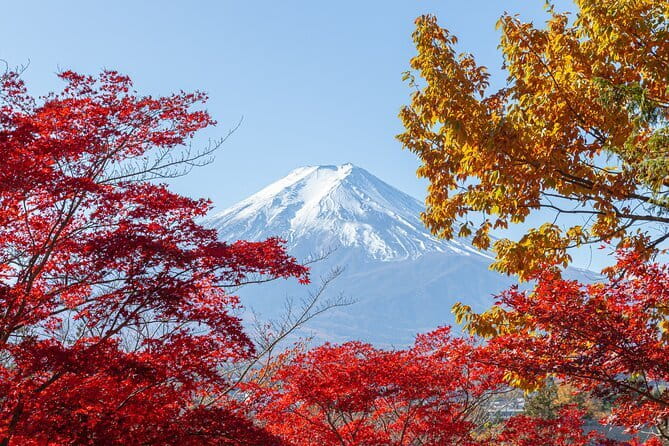
If you’ve ever tried to design a Tokyo-to-Fuji day trip yourself, you already know the problem: transportation time can eat your day. This tour aims to solve that by pairing a single group bus ride with fixed stops, so you’re not guessing where to go next or how long each leg will take. At the end of the day, you’ll return the same way—no extra transfers, no scrambling.
At $58.90 per person for an approximately 10-hour day, the value comes from what’s included rather than the sightseeing itself. You’re paying for air-conditioned round-trip transport plus all fees and taxes. When you add up the cost and stress of buying separate tickets, timing your route, and still ending up rushed, the package starts to make sense fast.
The big thing to remember is that Fuji is a weather deal. Clear days turn this kind of itinerary into a highlight reel. Cloudy or foggy days can still be pleasant, but the mountain can vanish or show up only in pieces—so set expectations accordingly.
You can also read our reviews of more tours and experiences in Tokyo



Getting to the Fuji Region: The Bus Ride That Actually Matters
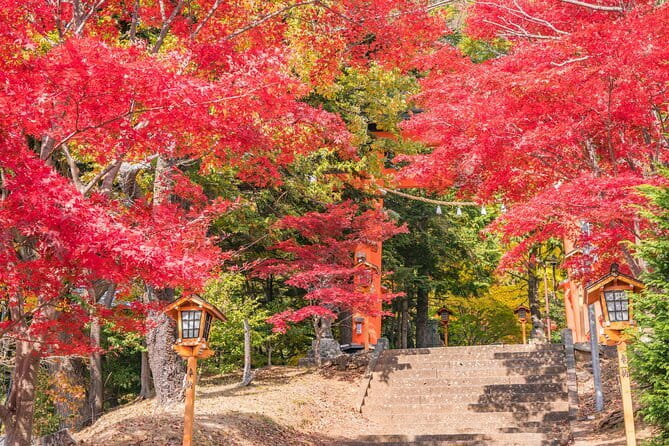
For most visitors, the most exhausting part of Fuji is not the walking. It’s the logistics before and after. This tour gets you there via an air-conditioned vehicle, and the ride through the mountainous countryside is part of the experience. Even if you mainly care about pictures, the transport plan gives you more control: you spend your energy at the stops, not on routes.
One practical win: the bus pick-up is described as straightforward from Shinjuku, and the meeting point is near public transportation. That means you’re less likely to waste time hunting down a difficult start location. In a one-day tour, saving 30 minutes can feel like saving an hour.
Also, consider comfort. Some feedback calls out that the coach is smooth, and air-conditioning is included. Still, if you get cold easily on buses, bring a layer—air con can run fairly low in summer and cool seasons.
Chureito Pagoda and Arakura Shrine: The Iconic “Fuji in Postcard” Combo
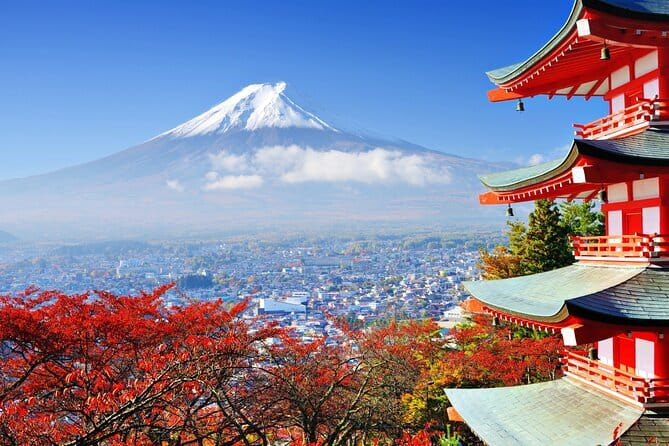
Your day starts with the famous Chureito Pagoda view at Arakurayama Sengen Park. You get a full hour here, and that matters because good Fuji photos often depend on little things: position, angle, and waiting a minute or two for the mountain to clear. Chureito Pagoda is famous for the panoramic combination of the pagoda, Mount Fuji, and the city below.
What I like about beginning here is that it sets your mental map of the area. Even if your first view is partially obscured, you’ll understand where the angles are once you move through the day. If you’re the type who likes to come home with at least a few strong shots, that first stop time is well used.
Then you head to Arakura Fuji Sengen Shrine for 15 minutes. It’s a quick cultural pause, and it’s not random scenery: the shrine is reported as dating back to 705 and has served as a guardian place for over 1,300 years. In a short day, a stop like this gives context beyond the mountain-as-a-photo-subject. You’re seeing how people have lived with Fuji’s presence for generations.
Lake Kawaguchiko: Where You Can Reposition for the Best Look
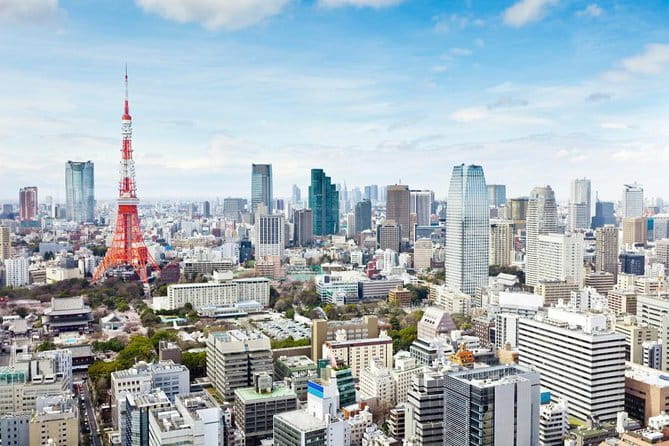
Lake Kawaguchiko is one of the Fuji Five Lakes, and it’s often the most popular because it delivers broad views from the shore. You’ll have about 20 minutes here, which is short, but it’s the kind of short that works if you’re ready to move quickly. The shoreline layout means your best view can be a step to the left or right, depending on how the clouds sit.
On calm, clear days, the lake can reflect the mountain, and the longer shoreline gives you flexibility. On a day when visibility changes, the time still helps because you can adjust your angle without needing to re-plan the entire day.
I treat this kind of stop as a “find your spot” moment. You’ll want to watch the sky for a few minutes, then commit to taking photos from the position where Fuji appears. Don’t burn the whole window chasing the perfect shot—use the lake time to get a solid set, then move on.
Oishi Park: Flowers, Promenades, and a Bigger Scenic Picture
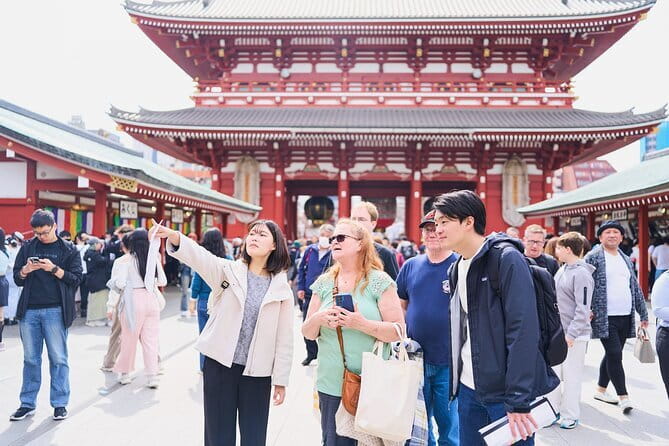
Next comes Oishi Park, with about 30 minutes. This is where you get a more spread-out viewing experience compared with a single viewpoint. The idea is simple: flowers and garden paths along Lake Kawaguchiko, with Mount Fuji in the background when the sky cooperates.
If you like your photos to have foreground detail—petals, paths, and lake edges—Oishi Park is a good match. It also tends to feel more “walkable” than a cramped viewpoint area, even though your time is still limited. The lakeside promenade format helps you get variety without leaving the stop.
A good habit here is to take a few minutes for a slow walk and then go back for your “main shot.” With Fuji visibility, you’re not just photographing the scene—you’re photographing the moment Fuji decides to show up.





Oshino Hakkai: The Eight Spring Ponds Stop That Changes the Mood
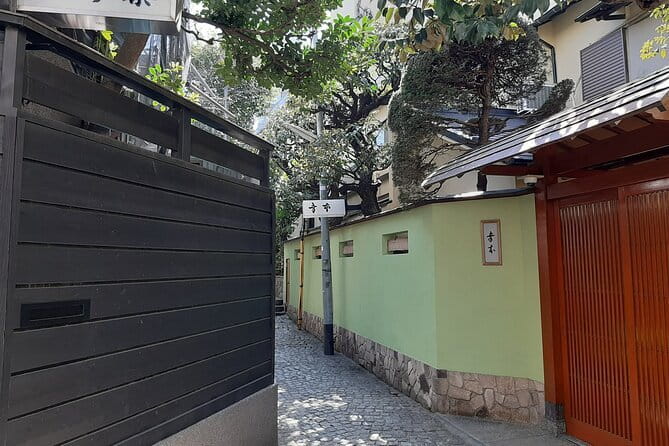
Oshino Hakkai runs about an hour and is a classic Fuji-area contrast. Instead of focusing only on the big mountain view, this village area centers on eight clear spring water ponds. They’re recognized as part of the Mount Fuji World Heritage context and also listed among Japan’s famous waters.
I like Oshino Hakkai because it breaks up the day emotionally. After pagodas, shrines, and lake viewpoints, you get something more tactile: water surfaces, small surroundings, and an area that rewards strolling at an unhurried pace. Even if Fuji is partially hidden, the ponds still offer something worth seeing.
One thing to watch for is crowding. Several comments highlight that key spots can get busy, which can cut down on how much time you truly feel you have to explore. Use your hour to move through once at a steady pace, then slow down near the ponds if you find a quieter corner.
Hikawa Clock Shop and Lawson Fujikawaguchiko: The Quick Street-Photo Layer
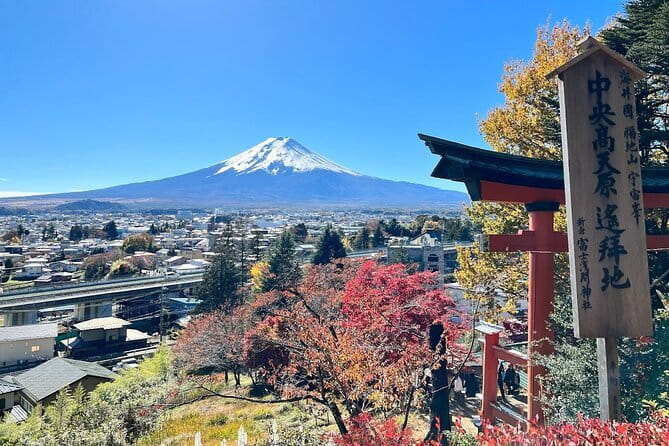
After the nature-and-culture rhythm, you get two short, photo-forward stops.
Hikawa Clock Shop is about 20 minutes, and the description is clear: a serene path to an iconic mountain view framed by a street-scene vibe. This is one of those places where you’ll see visitors lining up for Fuji in the background. If you like “everyday Japan” photos—shops, signage, and a Fuji silhouette behind them—this helps balance the heavier sightseeing stops.
Then comes the Lawson Fujikawaguchiko Town hall area for about 15 minutes. It’s specifically known as a popular Instagram-looking spot because of the contrasting blue storefront facade against Mount Fuji. This one is short by design, so go in with your plan: take your photos quickly, grab any small snacks you need, and get back on schedule.
Some feedback calls this last stop less necessary, and if you’re hoping for extra time to purchase souvenirs or eat, don’t expect a long free-for-all. Use the earlier stops for walking and the last stop for quick photos.
Timing and Pace: When a 10-Hour Day Feels Rushed
This kind of Fuji tour is built around “many highlights in one day.” That’s great if you want broad coverage, but it also means the schedule can feel intense. If you want slow travel and long pauses, you may wish you had more room to wander at each location.
The tour keeps you on a sequence with set stop lengths, so punctuality matters. Multiple comments highlight that the day runs on time and that being ready when the group is ready makes the whole trip smoother. I’d treat it like a school-day schedule: arrive early, stay close to the meeting point, and keep your belongings organized so you’re not searching for a phone charger right before boarding.
On the plus side, some guides are flexible about the order when cloud cover changes. You may see Fuji later in the day if the morning hides it. That adaptability is one reason I prefer guided tours for this specific region—weather shifts are common, and a guide who adjusts can squeeze value out of a tricky forecast.
Weather Reality Check: Your Biggest Variable Is the Sky
The most repeated theme is simple: you can’t guarantee Mount Fuji’s visibility. On clear days, the mountain can look crisp from multiple stops. On foggy or cloudy days, it may be hidden, show only at the top, or appear in patches.
If you’re going in winter (like January), expect that the view can be less “pretty” in the way you hoped, even if the tour runs well. If you’re going in spring or fall, you may find more satisfying conditions, but again, it’s still Fuji.
Practical advice: pack for rain even if the forecast looks calm. One helpful note is that when it rains around here, it really rains. An umbrella makes a big difference because your time at several stops is outside.
Also, plan your photos with patience. Don’t assume Fuji will be visible the whole time. Aim for quick sets first, then wait a moment when the sky clears. That way, you get usable images even if the clouds return.
Guides and Group Size: Why the Day Can Feel Personal
With a maximum of 45 travelers, this tour doesn’t feel like an endless sea of people. You’ll still see crowds at the main stops, but the group size is small enough that the guide can manage logistics and help with timing.
Guide quality shows up strongly in the feedback. Names like Augustine, Keiko, Jay, Joey, and Zoe appear in comments for being organized and friendly, and for helping people understand what to look for. A few guides are praised for taking extra time and for being entertaining, which can turn a long bus day into something more fun than just transportation.
Language can be a wildcard. Some comments mention clarity and some mention difficulty understanding English. If you’re sensitive to that, consider choosing a date where you expect a strong guide, or be comfortable with simple, practical directions.
Value for Money: What You Really Get for $58.90
At $58.90, you’re not just paying for views—you’re paying to remove decision fatigue. The itinerary includes multiple photo stops and cultural stops, plus air-conditioned transport and all fees and taxes. Lunch is not included, so budget for a meal yourself.
If you attempted the same day independently, you’d likely spend money on trains or buses, plus time coordinating transfers, and you might still lose time at the stops because you’re figuring out routes in real-time. With this package, the tradeoff is clear: you give up some freedom, but you gain a well-run day.
For value, the sweet spot is visitors who want to see the big names around Fuji without turning it into a second full-time job. If you already know you’ll want to stop and wander for hours in each village, you might not love the set stop lengths.
Who This Tour Is Best For (and Who Should Skip)
I think this tour suits you if you’re:
- Short on time and staying in Tokyo or near Shinjuku
- Focused on seeing the major Fuji-area viewpoints in one day
- Photo-minded and want multiple angles without planning
You might consider skipping or pairing a different plan if you:
- Need long, slow exploring time at each place
- Get stressed by crowds and tight stop windows
- Are only satisfied by a guaranteed clear Fuji view (because no one can guarantee that)
Even on imperfect visibility days, the tour isn’t only about Fuji in the sky. Oshino Hakkai’s spring ponds and the shrine’s long history context give you things to enjoy beyond the weather-dependent mountain shot.
Should You Book This Mount Fuji One-Day Trip?
Book it if you want the easiest path from Tokyo to the Fuji Five Lakes highlights, with a schedule that hits the major photo spots and cultural stops without you managing transportation. The price is reasonable for the amount of guided coordination you’re buying, and the capped group size helps.
Skip it if you’re the type who needs maximum freedom, long stop times, or guaranteed weather. Fuji is a weather lottery, and this is still a bus-and-stop day with a set pace.
If you do book, go in with two priorities: bring an umbrella, and treat Mount Fuji as a bonus that you’ll catch when the sky clears. The structure of the day gives you more chances than a single viewpoint—and that’s the real reason tours like this work.
FAQ
Where does the tour start?
The tour runs from Tokyo or Shinjuku with round-trip transportation.
How long is the Mount Fuji day trip?
It’s about 10 hours long.
What is included in the price?
Air-conditioned vehicle transportation and all fees and taxes are included. Lunch is not included.
Do I get a ticket on my phone?
Yes, it includes a mobile ticket.
What are the main stops on the itinerary?
You’ll visit Chureito Pagoda, Arakura Fuji Sengen Shrine, Lake Kawaguchiko, Oishi Park, Oshino Hakkai, Hikawa Clock Shop, and a Lawson location in Fujikawaguchiko Town hall.
How long do I spend at each stop?
Approximate times are: Chureito Pagoda 1 hour, Arakura Shrine 15 minutes, Lake Kawaguchiko 20 minutes, Oishi Park 30 minutes, Oshino Hakkai 1 hour, Hikawa Clock Shop 20 minutes, and Lawson 15 minutes.
Is lunch provided?
No, lunch is not included.
Is the group large?
The tour has a maximum of 45 travelers.
What should I do if the weather is bad?
Mount Fuji visibility can vary due to clouds or fog. Bring an umbrella, since rain can happen and several stops are outdoors.
What is the cancellation window?
You can cancel up to 24 hours in advance for a full refund.