REVIEW · TOKYO
Crowd-Free Tokyo : teamLab, Roppongi Hills Views & NACT
Book on GetYourGuide →Operated by Japan Luxe Tours · Bookable on GetYourGuide
Roppongi art without the Tokyo crush. This 4-hour, guided route strings together Tokyo’s newest-feeling art and architecture with crowd-free timing and teamLab at the end, led by young Japanese guides. It’s a smart way to see a lot of modern Tokyo energy in one compact loop.
I like two things a lot. First, the Roppongi Hills panorama: you get a fast sense of the city’s scale without needing to plan multiple viewpoints. Second, I like how the National Art Center, Tokyo is handled as more than a photo stop, with explanations that connect contemporary art to what you’re seeing around you.
One possible drawback: this is a walking tour, and you’ll take a taxi to Azabudai Hills at your own expense. So budget extra money for that short hop, and wear shoes that can handle several hours on foot.
- Roppongi Hills views give you the city’s layout in one stop
- National Art Center, Tokyo brings contemporary art into real street-level context
- Azabudai Hills shows you how Tokyo is reshaping neighborhoods
- Tokyo Midtown is a design-forward break with shopping and architecture right on the route
- teamLab Borderless-style works land as a multi-sensory finale
- Guides include young locals, with English and other language support
In This Review
- Why This Roppongi Route Works So Well
- The 4-Hour Game Plan: How the Stops Fit Together
- Tokyo Midtown: Design-First Tokyo Without the Detour
- National Art Center, Tokyo: Contemporary Work in a Serious Setting
- Roppongi Hills Views: A Fast Reality Check of Tokyo’s Scale
- Azabudai Hills: The Future of Neighborhood Design
- teamLab’s Digital Finale at Borderless-Style Spaces
- Price and Value: Is $129 a Good Deal
- Guides and Group Energy: What Young Locals Add
- What to Bring for a Smooth Afternoon
- Who Should Book, and Who Might Skip
- Should You Book Crowd-Free Tokyo: teamLab, Roppongi Hills Views & NACT?
- FAQ
- How long is the tour?
- Where does the tour start and end?
- Does the tour include teamLab tickets?
- What languages are guides available in?
- Is this a walking tour? What should I bring?
- Does the tour run in rain?
- Are transportation costs included?
- Is it a private tour?
- Can I join if I’m traveling with young children or if I use a wheelchair?
- What are the cancellation and date-change rules?
Why This Roppongi Route Works So Well
Tokyo has plenty of art. The trick is finding the version that feels connected to daily life, not stuck in a museum bubble. This tour puts you in Roppongi, where modern design, global brands, and major cultural spaces all sit close enough to reach in one afternoon.
I like that the pacing is built around momentum. You start with design and modern lifestyle energy, move into contemporary art with the National Art Center as your anchor, then pop up for views from Roppongi Hills. After that, you shift to Azabudai Hills to see a newer, evolving Tokyo neighborhood concept in action. The day closes with teamLab, where the visuals and your movement through the space do the storytelling.
The “crowd-free” promise matters here because modern Tokyo can get packed around iconic viewpoints and popular ticketed attractions. A guided format helps you keep your bearings, and it reduces the mental load of planning which museum first, then which building, then how to fit in teamLab without losing the day.
This tour is also set up for people who like hearing the “why.” One guide name that comes up often is Ryoji, praised for explaining both the area’s history and how it connects to current culture. That kind of on-the-ground context turns a checklist afternoon into something that feels lived-in.
The 4-Hour Game Plan: How the Stops Fit Together
This is a walking tour that lasts about four hours, and it runs rain or shine. You’ll meet at Tokyo Metro Roppongi Station, Exit 7 (above ground), and the tour ends back at that same spot.
The flow is simple and practical: each stop teaches you something different about modern Tokyo’s “now.”
- You begin in an area that’s built for contemporary life and design tastes.
- You then move to a major art venue, where the building and the programming matter.
- Midway, you switch to altitude for orientation—seeing the city from above is the fastest way to understand where you actually are.
- Then you look at a newer development zone (Azabudai Hills), which helps you imagine Tokyo’s next phase of city building.
- Finally, you step into teamLab’s digital environment for a multi-sensory send-off.
Because you’re not driving a private vehicle, the route is efficient but still physical. Comfortable shoes aren’t optional. Bring water, and don’t plan on hopping into lots of side detours unless you’re okay with running late.
You can also read our reviews of more tours and experiences in Tokyo.



Tokyo Midtown: Design-First Tokyo Without the Detour

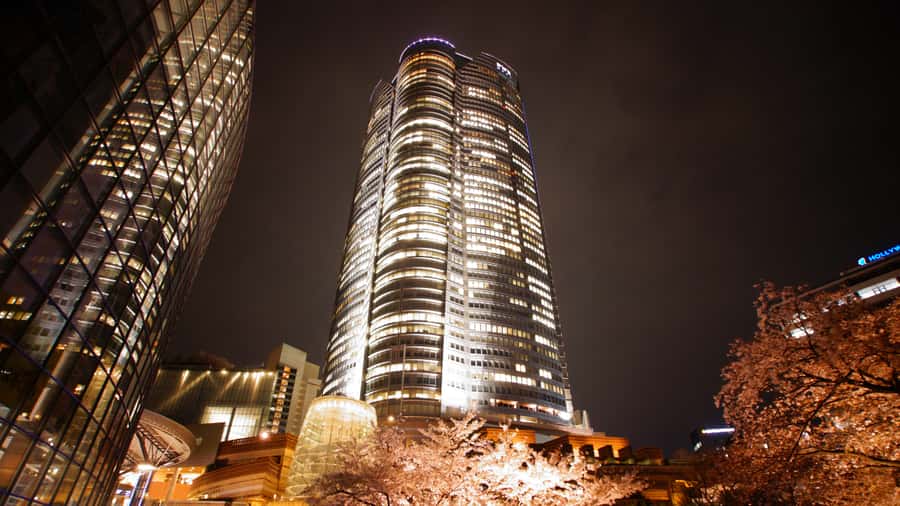
Your first major stop is Tokyo Midtown, a modern complex known for design-forward spaces and high-end shopping. Even if you’re not there to buy anything expensive, it’s a useful starting point because it sets the tone for the afternoon.
This is where you’ll notice how Tokyo mixes art, architecture, and daily routines. The buildings don’t feel like separate worlds; they feel planned as parts of the same urban system. Think of Midtown as a visual warm-up: you’re training your eye for clean lines, materials, and how outdoor space connects to interior spaces.
If you like architecture and contemporary design, you’ll get a lot from the short time here. If you prefer quieter moments, you can use the complex as a breather before the art-heavy National Art Center portion. Either way, the stop is timed to keep the day moving.
Practical tip: Tokyo Midtown is a good moment to check your phone camera settings and energy level. Later you’ll be at a viewpoint and then walking again, so don’t spend your whole start-of-day trying to photograph everything at once.
National Art Center, Tokyo: Contemporary Work in a Serious Setting
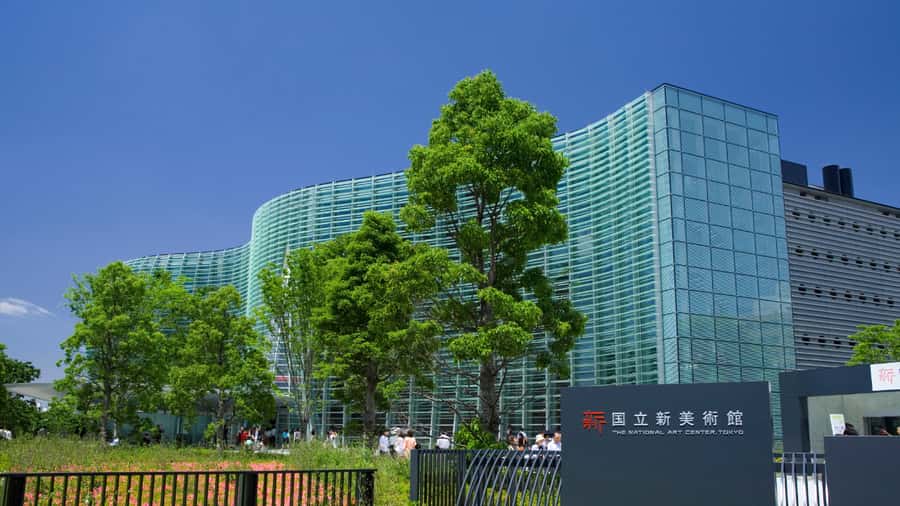
Next up is National Art Center, Tokyo (NACT). This is the cultural weight of the tour. It’s where the route shifts from “design and modern life” into something you’ll feel thinking about later.
What I like about including NACT is that it’s not treated like a quick stamp. The guide approach matters here, and the guidance on this tour is generally described as having adequate knowledge of the area’s history and present-day culture. Guides like Ryoji are specifically noted for giving explanations, with a friendly, clear style.
You’re likely to come away with a better sense of how contemporary art fits into a city that’s always changing. That context helps you understand why an art space like this belongs in the same afternoon as Roppongi Hills and Azabudai Hills. It’s not random. It’s Tokyo showing you multiple angles of the same theme: modern ideas, modern architecture, and a city that keeps rebuilding itself.
Drawback to consider: art exhibitions can be thought-heavy, and you’ll still be walking between stops. If you’re the type who gets restless indoors, use the guide explanations as a way to stay engaged instead of trying to read everything at your own pace.
Roppongi Hills Views: A Fast Reality Check of Tokyo’s Scale

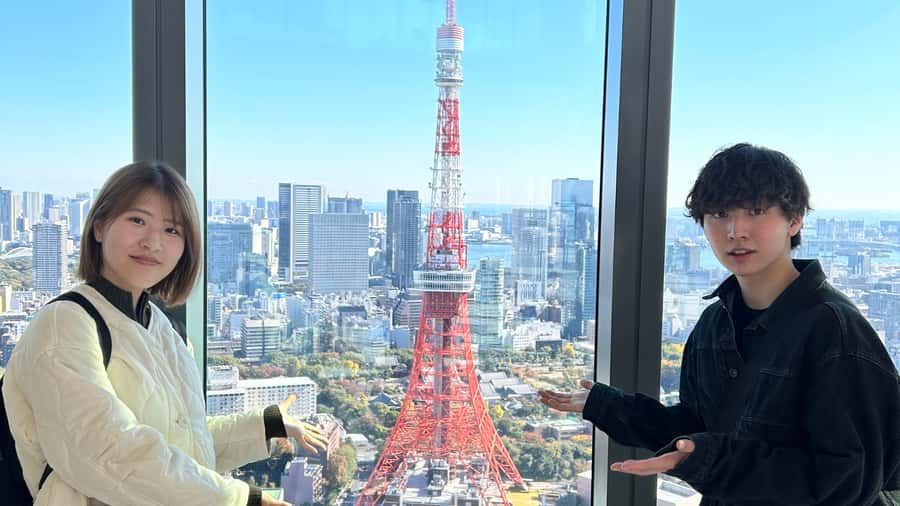
After NACT, you’ll head to Roppongi Hills for panoramic views. This is one of those “worth it” parts because it gives you instant spatial context.
From a viewpoint, Tokyo stops looking like a blur of stations and streets. You start recognizing patterns—where major clusters sit, how neighborhoods layer upward, and how your route connects to the broader city. It’s also a great time to rest your legs for a moment, even if you’ll still do some walking around the complex.
I especially like viewpoints that are built into a neighborhood you’re already exploring. Here, you’re not traveling for one isolated photo. You’re seeing the city right after the art stop, which makes the modern theme of the afternoon click into place.
Camera tip: if you want city photos, bring your camera and keep a microfiber cloth or a lens wipe handy. Tokyo can have haze on some days, and a quick clean can make a noticeable difference.
Azabudai Hills: The Future of Neighborhood Design

Then comes Azabudai Hills, described as an innovative development that hints at the future of urban living. This is where you see a newer Tokyo concept in motion—built for modern work, retail, and public space ideas.
One key detail: a taxi is taken to Azabudai Hills, and it’s at the customer’s expense. Transportation costs are also not included for you (and the tour doesn’t use a private vehicle). In other words, this is not a “door-to-door, all paid” situation. It’s still managed well, but you’ll need to carry some cash or card for that transit.
Why this stop is worth it: development areas like this show how Tokyo’s planning adapts. Instead of only preserving the old, Tokyo also builds the new with a strong emphasis on design and how people move through space.
If you’re sensitive to crowds, the taxi segment helps keep the transition simple. If you’re hoping for a lot of time to explore independently, plan for a more focused, guided experience rather than a long wandering break.






teamLab’s Digital Finale at Borderless-Style Spaces
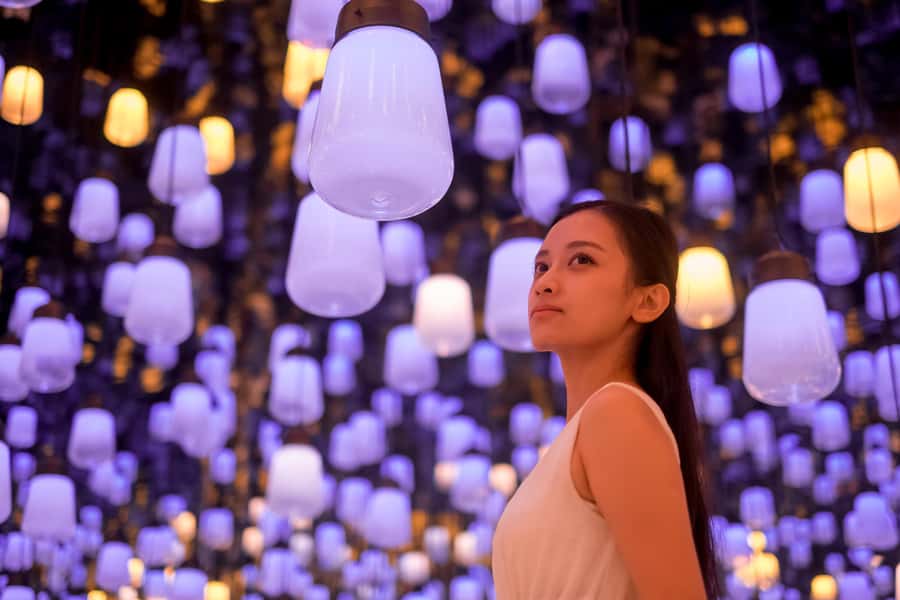
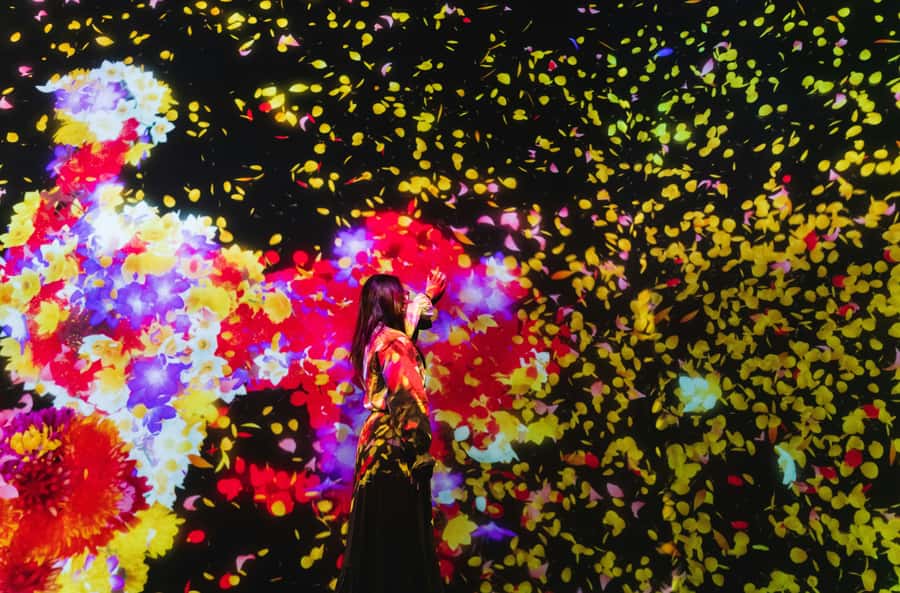
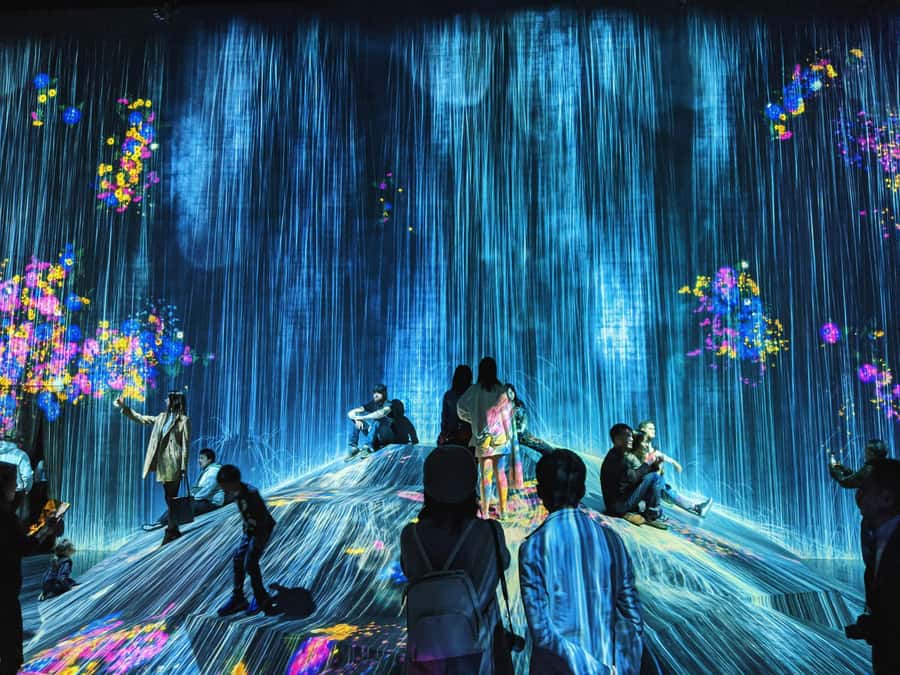
The last stop is teamLab, the multi-sensory digital art experience that often becomes the emotional peak of the day. This tour includes teamLab tickets, which is a big value point because the ticketed nature of teamLab can make planning harder and more expensive when you book piecemeal.
In the style of teamLab experiences, you don’t just watch. You move through space and watch the art react to you and the environment. The effect is hard to summarize with words, which is why guides and first-time visitors tend to talk about it in terms of sensation and surprise. A standout note from guide-focused impressions is that the teamLab installation referred to as team lab borders was breathtaking.
What to expect for your comfort: these digital spaces can require standing and walking with purpose. Wear shoes that feel secure. If you’re prone to motion fatigue, take short pauses to breathe and reset your posture. Try not to sprint to the next room immediately; let the experience land.
Photo reality check: take photos if you can, but don’t make it the main goal. The best moments usually happen when you’re looking with your whole attention, not only through a lens.
Price and Value: Is $129 a Good Deal
At $129 per person, the question isn’t just “is it expensive?” It’s whether you’re buying back time and stress.
You are getting:
- A 4-hour guided route in a concentrated part of Tokyo
- A guide experience in English, Chinese, Japanese, or Korean
- teamLab tickets called out as included
- Access to major stops that would take real planning effort if you did it alone
You’re not getting:
- General transportation costs for you
- A private vehicle
- Ticket details for every venue are not spelled out beyond teamLab and guide admission specifics, so if you’re the type who needs absolute clarity, you should confirm what’s included for each building when you reserve.
Still, for most people, the value is the pairing. This tour bundles contemporary art + architecture + a real viewpoint + a major digital attraction into one afternoon. That kind of “all-in-one” planning is where guided tours earn their keep.
If you already know you’ll spend time at teamLab and you want Roppongi Hills plus NACT without juggling trains and museum timing, this price can feel fair.
If you hate walking and dislike paying extra for a taxi segment, it may feel less like a bargain and more like a compromise.
Guides and Group Energy: What Young Locals Add
The guide component is one of the strongest parts of this experience. The tour uses young Japanese guides, and the emphasis is on explanation—what you’re looking at, why it matters, and how it fits modern Tokyo culture.
In the feedback patterns you can see a few themes: friendly tone, decent historical context, and good communication. Ryoji is specifically recognized for his communication and kindness, and for guiding visitors through the area’s history and current cultural feel.
That matters because Roppongi and its modern complexes can feel like they’re all “just buildings” until someone helps you decode the connections. A good guide turns signage and architecture into a story you can remember after you leave.
Practical tip: ask questions at the transitions. Right before Roppongi Hills or before the art stop, that’s when your brain is primed to connect the dots.
What to Bring for a Smooth Afternoon
This is not a sit-and-stare tour. Plan like you’ll be on your feet for a while.
Bring:
- Comfortable shoes
- Camera
- Sunscreen
- Water
And since it’s a walking tour, keep an eye on basic pacing. If you get tired early, you’ll end up rushing later, which is a shame for teamLab. Slow down at the viewpoint and use it as your mid-tour reset.
Also note: smoking isn’t allowed during the activity.
Who Should Book, and Who Might Skip
This tour is a strong match if you want:
- Modern Tokyo architecture and city design
- Contemporary art time that comes with context
- A single afternoon plan that includes NACT, Roppongi Hills views, Azabudai Hills, and teamLab
- A guide-led experience with English and other language support
It’s not suitable for:
- Children under 5
- People with mobility impairments or wheelchair users
So be honest about your mobility and stamina. If you’re comfortable walking several hours and handling stairs/inside transitions, you’ll likely enjoy it. If you need step-free, all-vehicle access, you’ll probably want a different format.
Should You Book Crowd-Free Tokyo: teamLab, Roppongi Hills Views & NACT?
Book this tour if you want an efficient, guided afternoon focused on modern Tokyo. The biggest reasons: you get a solid lineup of major stops in one loop, teamLab tickets are included, and the guide style (including named favorites like Ryoji) leans toward clear explanations and friendly communication. You’ll walk away with both images and context.
Skip it or be cautious if walking is a deal-breaker for you, or if the extra taxi expense to Azabudai Hills would feel annoying. At $129, the value depends on you being able to enjoy a structured four-hour walk and still appreciate the digital art finale beyond phone photography.
If that sounds like you, this is one of the smarter ways to experience Roppongi’s modern side without turning your Tokyo day into a logistics project.
FAQ
How long is the tour?
The tour runs for about 4 hours.
Where does the tour start and end?
You start at Tokyo Metro Roppongi Station, Exit 7 (above ground). The activity ends back at the same meeting point.
Does the tour include teamLab tickets?
Yes. The experience includes teamLab tickets.
What languages are guides available in?
Guides are available in English, Chinese, Japanese, and Korean.
Is this a walking tour? What should I bring?
Yes, it’s a walking tour. Wear comfortable shoes and bring a camera, sunscreen, and water.
Does the tour run in rain?
The tour is held rain or shine. It may be cancelled only in the event of warning-level inclement weather.
Are transportation costs included?
Transportation costs are not included for you or the guide, and there is no private vehicle. A taxi is taken to Azabudai Hills, and that taxi cost is paid by the customer.
Is it a private tour?
Yes, it is listed as a private tour/activity.
Can I join if I’m traveling with young children or if I use a wheelchair?
It’s not suitable for children under 5. It’s also not suitable for people with mobility impairments or for wheelchair users.
What are the cancellation and date-change rules?
You can cancel up to 24 hours in advance for a full refund. Changes to tour dates are allowed up to 2 days prior.