REVIEW · TOKYO
Kimono Photo Session Experience Japanese Culture Inside a Shrine
Book on Viator →Operated by Kimono-Capture/Japan Experience · Bookable on Viator
Tokyo photo ops are everywhere, but this one has a ritual heart. You start at 七社神社 (Nishigahara, Kita City) and trade streetwear for kimono before a pro photographer guides your poses around the shrine grounds. The result is photos with meaning, not just backdrops.
Two things I really like: you get hands-on kimono dressing and hair-styling, and you also get a full cultural script for shrine etiquette instead of a quick photo and run. The tea and live Gagaku performance add calm, traditional atmosphere at the right pace.
One thing to consider: shrines have strict rules about photography unless permission is granted, so you should expect follow-the-guide behavior and framing limits, even during wedding-style events at shrines.
In This Review
- Key highlights you’ll care about
- A Kimono Shoot at 七社神社: Why This Beats Generic Tokyo Photos
- Dressing in Kimono: What You’re Really Paying For
- The Photo Session Inside the Shrine Grounds: How to Get Better Results
- Tea, Gagaku, and Shrine Etiquette: The Part People Forget to Plan For
- The Shrine Blessing for Safe Journey: Ending With Meaning
- Price and Value for a $858.41 Shrine Photo Session
- Logistics That Actually Matter (Start Time, Duration, Weather)
- Who This Tour Fits Best (and Who Might Skip It)
- Should You Book This Shrine Kimono Photo Session?
- FAQ
- How long is the Kimono Photo Session tour?
- What time does the tour start?
- Where is the meeting point?
- Is kimono rental included?
- What’s included in the photo part?
- Is tea and a performance included?
- Do I receive a shrine blessing?
- What is not included?
- What should I know about weather?
- What is the cancellation policy?
Key highlights you’ll care about
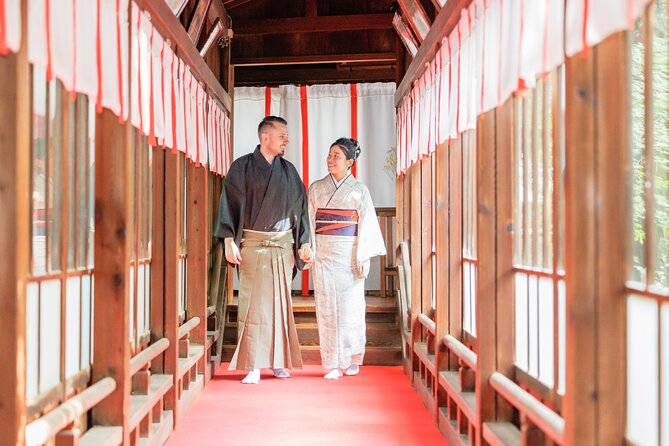
- Kimono + professional hair and styling so you don’t worry about getting it right
- Guided shrine photo session with a pro photographer at multiple spots on the property
- Digital photo data included, not just printed keepsakes
- Tea, Japanese sweets, and live Gagaku right after the shoot
- Shrine etiquette lesson plus a blessing for safe travel
- Small group size (max 6) for more personal attention
A Kimono Shoot at 七社神社: Why This Beats Generic Tokyo Photos
If your Tokyo plan is mostly temples-from-outside-and-into-the-next-thing, this feels different on purpose. You’re not just sightseeing a shrine. You’re stepping into a setting where people follow manners, timing, and etiquette—and the tour takes that seriously.
I also like that it’s positioned as a quieter side of Tokyo, with easy access from Shinjuku Station but without the constant churn of the most famous districts. The small group size (up to 6) helps too. You’re less likely to feel like you’re squeezing into someone else’s schedule while trying to get a clean shot.
And the best part is the flow: kimono first, then photography, then tea and a performance, then etiquette and a blessing. It’s not random. It’s structured around how shrine visits actually work for respectful visitors.
You can also read our reviews of more photography tours in Tokyo



Dressing in Kimono: What You’re Really Paying For
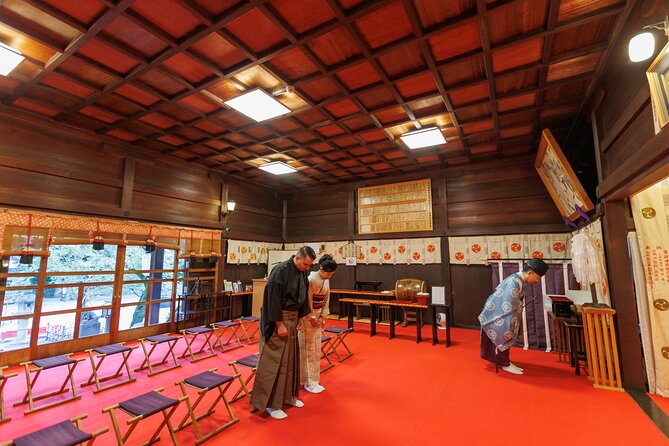
Let’s talk about the part most people underestimate: dressing. When you rent a kimono, you usually spend time fighting fabric, straps, and the awkward reality that you have no idea where your sleeves should sit.
Here, the experience is built around the idea that a professional team handles the hard parts for you. You’ll dress in kimono and get help with hair-styling, which matters for photos. Good fit and proper styling are what turn kimono photos from costume-looking to genuinely elegant.
You’ll also want to be practical with your expectations. Kimono are beautiful, but they can be limiting if you try to move like you’re in sneakers. The guide approach (and the small-group pacing) makes it easier to walk slowly, stand naturally, and not rush your posture for every photo.
One more value point: the tour isn’t only about taking pictures. It includes the cultural context afterward, so the kimono doesn’t feel like a costume pickup. It’s part of a shrine visit.
The Photo Session Inside the Shrine Grounds: How to Get Better Results
Shrines can be picky about photography. The general rule is that professional photography without permission is often not allowed, and photography restrictions may apply even during shrine events like Japanese-style weddings. This is why you shouldn’t treat a shrine shoot like a casual street photo walk.
In this tour, you’re supported with a pro photographer directing your placement and timing at various locations within the property. That guidance is huge. At shrines, details matter: where you stand, how you face, and what you do with your hands all affect both your photo and your manners.
You’ll have time for a proper session rather than a single quick snap. Based on how the experience is described, the photography isn’t limited to one corner. You can expect different spots for variety—often including both indoor and outdoor areas on the property—so the set feels fuller.
Practical tip for you: wear or bring underwear/inner basics you’re comfortable with, and plan to keep your movements smooth and slower than usual. A shrine setting rewards calm posture. If you’re fidgety, your photos will show it.
Also, remember that shrine rules matter here. You may need to keep things orderly and follow the guide’s instructions on where you can go and how you should photograph respectfully. That may sound limiting, but it’s exactly what keeps the experience authentic instead of chaotic.
Tea, Gagaku, and Shrine Etiquette: The Part People Forget to Plan For
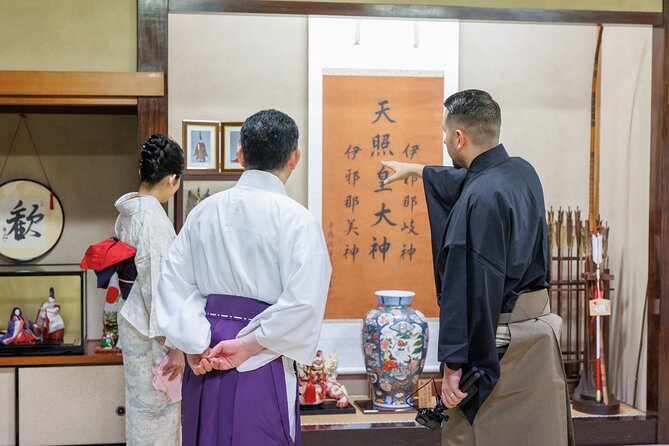
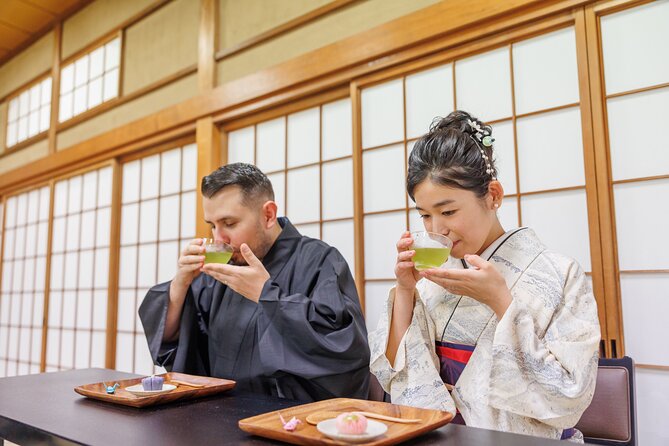
After the dress-and-shoot segment, you’ll enjoy tea and Japanese sweets along with a live Gagaku performance. Gagaku is one of the oldest Japanese court music traditions, so this isn’t just background noise. It’s a real cultural moment that changes the mood from photo sprint to gentle settling-in.
I love how this timing works. By the time you sit down with tea, you’re already dressed and photographed, so you can actually relax and absorb the setting. It’s also a nice pause because shrine visits come with a different rhythm than typical sightseeing.
Then you’ll learn history and manners when visiting a shrine. This is the true upgrade over a generic photo tour: you don’t just get images. You get understanding. You’ll learn how to behave like you belong—where to pause, how to act respectfully, and how not to treat a sacred place like a theme park.
If you’ve ever felt unsure about what you’re supposed to do at Shinto sites (you’re not alone), this kind of short etiquette lesson is the difference between standing there awkwardly and feeling confident.
The Shrine Blessing for Safe Journey: Ending With Meaning
At the end, you receive a shrine blessing for a safe journey. That final touch is small, but it changes how you carry the experience after you go.
Photos are great, but a blessing is the kind of memory that’s personal. It’s also practical in a travel sense: you leave with a sense of intention for your trip, not just a set of pictures for your camera roll.
One more note: shrine admission and related costs are part of the package. That matters because many shrine experiences feel cheaper than they are once you realize you’re paying extra at the gate. Here, shrine admission fee is included in the tour details, and the experience is designed to cover the proper flow of entering, participating, and receiving the blessing.






Price and Value for a $858.41 Shrine Photo Session
At $858.41 per person, this is not a bargain. It’s a boutique, hands-on cultural service with multiple components bundled together.
So what makes it feel like value rather than sticker shock?
First, you’re paying for more than a photographer. The package includes kimono rental, photo session direction, photo data in digital files, tea and sweets, shrine admission (and costs connected to the shrine experience), and a live Gagaku performance. Those pieces alone can add up quickly when booked separately.
Second, the group size cap of 6 means you’re not fighting for time. More attention often equals better photos—less rushing, fewer compromises on poses, and smoother pacing between locations.
Third, the experience handles the one thing many DIY visitors struggle with: doing shrine photography respectfully while dealing with the fact that shrines can restrict professional photography. Having a guided flow makes the whole thing easier to do right.
If you love photography and want a one-time Tokyo memory that feels grounded in place, this price can make sense. If you mainly want a quick entertainment activity, you might find a cheaper kimono rental and self-guided photos are more your lane.
Logistics That Actually Matter (Start Time, Duration, Weather)
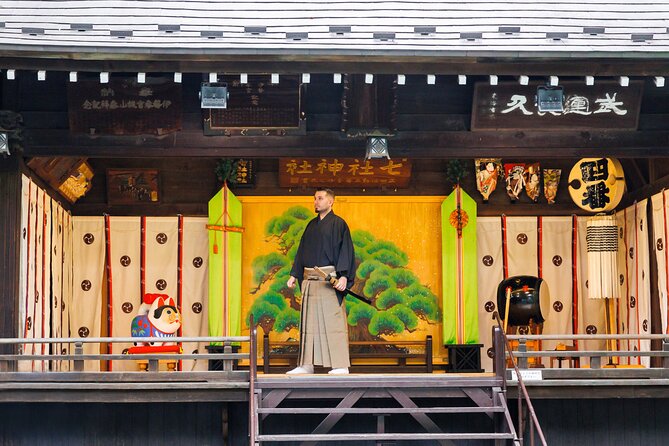
This tour starts at 1:00 pm and runs for about 3 hours 30 minutes. You meet at the shrine address in Nishigahara (七社神社, Kita City) and the experience ends back at the same meeting point.
A couple practical notes that affect your planning:
- The tour proceeds as scheduled regardless of weather conditions, so think about comfortable shoes and layers. Your photos will still happen; you just need to dress for rain or cool air if needed.
- There’s no private transportation included. You’ll need to get yourself there using public transit.
I also like that the ticket is described as mobile, which is modern and convenient on the day.
Confirmation is expected within 48 hours of booking based on availability, so if your schedule is tight, it’s smart to book with enough buffer time.
Who This Tour Fits Best (and Who Might Skip It)
This works especially well if:
- You want a serious photo experience with professional direction, not just a couple of snapshots
- You care about respectful shrine etiquette and want clear guidance
- You want more than famous landmarks and prefer a quieter Tokyo setting
- You’re okay paying for a bundled experience that includes wardrobe, photos, tea, and performance
You might consider skipping it if:
- You only want a cheap kimono moment for an hour or two
- You don’t like guided structure or you’re allergic to rules at sacred sites
- Your priority is nightlife, shopping, or long urban wandering rather than a curated cultural program
It also suits solo travelers and couples, since a max group size usually feels personal without turning into an awkward private session.
Should You Book This Shrine Kimono Photo Session?
If you want photos with character and you like travel experiences that respect the place you’re in, I’d say yes. This isn’t just dressing up. It’s kimono, guided shrine photography, etiquette learning, tea, and a live Gagaku moment—then a blessing to close the loop.
Before you book, be sure you’re comfortable with professional-photo structure and shrine manners. And confirm that your schedule can handle the 1:00 pm start and about 3.5 hours.
If those boxes fit your style, this is the kind of Tokyo memory that stays in your head long after the internet scroll fades.
FAQ
How long is the Kimono Photo Session tour?
It lasts about 3 hours 30 minutes (approximately).
What time does the tour start?
The tour starts at 1:00 pm.
Where is the meeting point?
You meet at 七社神社 (Japan, 〒114-0024 Tokyo, Kita City, Nishigahara, 2-chōme−11−1).
Is kimono rental included?
Yes. Kimono rental is included.
What’s included in the photo part?
The tour includes the photo session and photo data in digital files.
Is tea and a performance included?
Yes. You’ll have tea and sweets, plus a live Gagaku performance.
Do I receive a shrine blessing?
Yes. The experience includes receiving a shrine blessing for a safe journey.
What is not included?
Private transportation is not included.
What should I know about weather?
The tour proceeds as scheduled regardless of weather conditions.
What is the cancellation policy?
You can cancel for a full refund up to 24 hours before the experience’s start time. Free cancellation is available up to 24 hours in advance.