REVIEW · TOKYO
【R34】Tokyo:Private Daikoku tour in Modified R34
Book on GetYourGuide →Operated by R34ride · Bookable on GetYourGuide
A Nissan Skyline R34 in Tokyo is a special kind of night. This private Daikoku tour is built around one thing: you get to ride in a modified R34, guided by people who actually own and drive these cars, so the stops feel like part of the scene and not a scripted bus ride. I like the point-blank access to car culture—Autobacs Shinonome, then Daikoku’s lineup—plus the way the guides turn the route into a story you can watch through your own windshield. The one catch: a GTR ride is not guaranteed on this R34 plan; if you want it for sure, you need the GTR version.
What makes this worth your time is the combination of care and control. The plan is private, the driving stays fully compliant with Japanese traffic laws, and you get pickup/drop-off around Tokyo (and Yokohama area if you’re in the vicinity), so you spend less time figuring logistics and more time looking at cars and taking photos.
The length also hits a sweet spot for most people. You’re in the experience for about 150 to 210 minutes, with a break at Autobacs Shinonome and another solid chunk at Daikoku PA, then a quick finale at Rainbow Bridge before you’re back in Tokyo.
In This Review
- Key points before you book R34ride at Daikoku PA
- The real draw: riding an R34 with an owner who knows the rules
- Your timing: Monday–Thursday vs Friday–Sunday and why it changes the vibe
- Price and what you’re actually paying for (and why it can still be good value)
- How the route plays out: Autobacs Shinonome, Daikoku PA, then Rainbow Bridge
- Pickup in Tokyo: start focused, not stressed
- Stop 1: Autobacs Shinonome (about 30 minutes on the ground)
- Stop 2: Daikoku Parking Area (about 1 hour to walk and take it in)
- Stop 3: Rainbow Bridge (brief, but cinematic)
- Return to Tokyo: you end right where you started
- Guides make or break it: Aya, Haruto, Tatsuya, Nori, and the style of the ride
- Where you might see extra car culture beyond the core stops
- The not-so-sexy rules: who the tour fits (and who it doesn’t)
- Comfort, safety, and the “you’ll feel taken care of” factor
- Who should book the R34 Daikoku private tour
- Should you book R34ride’s R34 Daikoku tour?
- FAQ
- What is the duration of the private Daikoku R34 tour?
- How much does the tour cost and how many people does the price cover?
- Is this tour public transportation or more like a car culture experience?
- What languages are the tour guide options?
- What stops are included on the route?
- Can I guarantee riding in a GTR instead of an R34?
- Are tolls and gasoline included in the price?
- Is alcohol allowed during the tour?
Key points before you book R34ride at Daikoku PA

- Owner-guided R34: The guides are actual local R34 owners, not just drivers with a script.
- Autobacs Shinonome stop: A car-supply and accessory anchor where you can browse and reset for the main event.
- Daikoku PA time matters: You get enough walk-around time to actually see the parking-lot “museum” of JDM.
- Tokyo route vibes: Depending on timing, you may pass through iconic driving areas and bridges; Rainbow Bridge is part of the plan.
- Private, not public: It’s a private group experience with an English/Japanese live guide.
- GTR isn’t promised: This is an R34 tour—GTR access depends on timing and the specific plan you book.
The real draw: riding an R34 with an owner who knows the rules

This tour is aimed at people who don’t just want photos. You’re here for the feel: that engine note, the cockpit experience, and the sense that you’re getting a guided entry into a subculture that has its own customs, flow, and etiquette.
The biggest advantage is who’s holding the wheel and the conversation. Multiple guides show up in the experience with names like Tatsuya, Haruto, Aya, and Nori, and the key detail is that they’re described as R34 owners themselves. That matters because they can explain why certain cars show up, what people care about, and how the scene works day to day. You’re also told clearly that driving stays legal—so you get excitement without the feeling that the guide is gambling with safety.
If you’re thinking of this as a substitute for “normal Tokyo sightseeing,” shift your mindset. You’re not going to chase temples or museum time blocks. You’re going to watch car people in their natural habitat, then cruise through the city like you’re part of the movie for a few hours.
You can also read our reviews of more private tours in Tokyo
Your timing: Monday–Thursday vs Friday–Sunday and why it changes the vibe

The schedule is designed around when Tokyo’s car energy shows up. Here’s the practical breakdown:
- Monday to Thursday: starts around 7:30.
- Friday to Sunday: starts around 5:00 to 5:30.
- Public holidays: Daikoku can get crowded, and the meeting time may be moved up.
- There are also Sunday morning tours, and the description notes that daytime has more vintage-style Japanese cars and supercars than the night scene.
Why you should care: your best photos and the “feel” of the parking area depend on when you arrive. If you arrive earlier, you’ll likely get easier movement and more calm time to look closely. If you arrive later, you might see more intensity, bigger groups, and more of that late-night energy. Either way, you’ll be walking and filming—so wear shoes you don’t mind for parking-lot uneven ground.
Price and what you’re actually paying for (and why it can still be good value)

The price is listed as $406 per group up to 3, lasting about 150 to 210 minutes. On paper, it’s not cheap. But here’s how it pencils out in real terms.
You’re paying for:
- a private ride with a guide who’s explaining what you’re seeing,
- hotel pickup and drop-off in the Tokyo area,
- tollways and gasoline covered,
- and the paid time at car-focused stops like Autobacs Shinonome and Daikoku PA.
Notably, you’re not paying for a generic taxi. You’re paying for the access and interpretation—the part that would be hard to replicate on your own unless you already know the car-scene rhythm and where to go at the right moment.
Where the value can feel less strong: if you’re traveling solo and the cost per person is high, or if you’re only interested in “seeing one or two cars” and don’t care about the convoy-style route or the guide’s context. This works best when you’re a genuine car person, or when you’re bringing a friend/partner who will actually appreciate why that exhaust note and that body kit matter.
Also keep in mind the GTR point. The R34 tour may sometimes include a chance to ride a GTR if timing lines up, but if you want that guaranteed, the data says you should book the GTR plan instead.
How the route plays out: Autobacs Shinonome, Daikoku PA, then Rainbow Bridge

Pickup in Tokyo: start focused, not stressed
You start with pickup in Tokyo. The experience includes hotel pickup and drop-off in the Tokyo area, and the tour notes that if you’re staying around Tokyo/Yokohama, you may also be able to head to nearby photo spots for an added cost. So if your hotel is in a practical location, this part can save you a lot of time.
In the same vein, communication seems to be a high point. Guides are described as responsive and punctual, and people mention getting help even if Japanese isn’t your strong suit.






Stop 1: Autobacs Shinonome (about 30 minutes on the ground)
Autobacs Shinonome is your first break and photo stop. You get time to visit the shop, walk around, and do some casual sightseeing and browsing. It’s a good warm-up because it sets the tone: you’re surrounded by car accessories, parts, and the general JDM retail energy.
Why this stop works: it’s not just a quick photo point. It gives you breathing room before the main event at Daikoku PA. It also helps if you want to grab small souvenirs or just learn what people here actually buy and talk about.
Possible drawback: if you’re expecting a long “shopping spree,” the time is limited. Think of it as a reset, not a full retail break.
Stop 2: Daikoku Parking Area (about 1 hour to walk and take it in)
This is the centerpiece. Daikoku PA is where you’ll see the lineup. The experience includes a break, photo stop, and about an hour of free time—enough to walk through, spot cars you recognize, and watch the social rhythm of the parking lot.
What to look for:
- variety in builds (not just one style),
- repeated names and crews showing up together,
- and the little visual tells that only real car people notice, like the way cars are positioned and how owners talk to each other.
Why the time matters: a parking meet is visual. One hour lets you move at your own pace instead of sprinting through a checklist.
Weather note: one guide reportedly offered an umbrella when it was raining at Daikoku, which is a reminder to bring simple rain protection just in case.
Stop 3: Rainbow Bridge (brief, but cinematic)
Rainbow Bridge is included as a short visit—about one minute in the plan. That’s not a long sightseeing stop. It’s more like a finishing frame: Tokyo skyline, bridge lighting, and that night-drive feeling that matches the car-scene mood.
If you’re hoping for a long break with photos from every angle, you’ll likely want to take quick shots and move on. But as a finale to a few hours of car-focused stops, it works well.
Return to Tokyo: you end right where you started
You finish back in Tokyo. Because pickup/drop-off is included, you don’t have to solve the hardest part—getting out of the car-area logistics at night.
Guides make or break it: Aya, Haruto, Tatsuya, Nori, and the style of the ride
Across the experience, one theme shows up: the guides are actively involved, not “point A to point B only.”
People mention things like:
- smooth, confident driving with a strong focus on feeling safe,
- guides explaining what you’re seeing even if the group doesn’t speak Japanese,
- and guides who go the extra mile to manage timing, wait points, and comfort.
Specific names you’ll hear associated with the experience include Aya, Haruto, Tatsuya, and Nori, and the overall pattern is that the guide’s personality affects the vibe. Some tours lean more social and chatty. Others feel more focused on driving and car explanations.
A practical tip: if you have must-see preferences—like a particular car brand or a type of build—try to communicate early. The tour structure is flexible enough that your guide can steer the conversation at the right moments.
Where you might see extra car culture beyond the core stops
The core plan is Autobacs Shinonome → Daikoku PA → Rainbow Bridge. But the road experience can add extra Tokyo flavor.
In reviews you’ll see mention of things like:
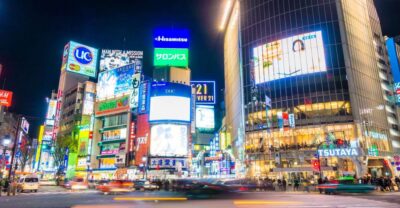
- driving through Shibuya crossing/streets with that Tokyo-drive energy,
- convoy-style moments with other Skylines,
- and routes through tunnels at night.
Important wording for you: these are situational. They depend on timing, traffic flow, and what the guide feels is safe and appropriate that night. But the fact that the experience can include those kinds of scenes is a big reason people call it a highlight.
The not-so-sexy rules: who the tour fits (and who it doesn’t)

This is a hands-on, nighttime driving experience. So it has limits.
Not suitable for:
- children under 5 (and the data goes higher with other cutoffs),
- wheelchair users,
- babies and very small children.
Not allowed:
- bikes,
- alcohol and drugs,
- baby carriages.
Why I’m flagging this: if you’re traveling with kids, you’ll want to check the age rules carefully before assuming it’s doable. If you’re traveling as a couple, with friends, or as a small car group, it’s much easier to match the vibe.
Comfort, safety, and the “you’ll feel taken care of” factor
The experience is described as a private group with “highly-rated transport,” and the driving approach is said to comply with traffic laws. People also mention the ride being comfortable and guided with care.
Small details matter for comfort on a night plan:
- Dress for cool air and possible rain,
- have your camera/phone ready for quick stops,
- and be prepared for walking time at Daikoku.
One person even noted the offer of an umbrella when it was raining—so the best move is to bring a light layer and expect you might get damp at the parking area.
Who should book the R34 Daikoku private tour

Book this if:
- you want the R34 experience specifically,
- you care about Japanese car culture beyond generic sightseeing,
- you like the idea of a guide who can explain what you’re seeing (not just drive),
- and you’re excited by the idea of seeing the Daikoku lineup in person.
It’s also a great “experience gift” for a car fan. A lot of people say this is a top memory of their whole trip, especially when it matches a childhood dream or a long-term car obsession.
Skip it if:
- you only want a quick look at cars and don’t care about the driving/scene context,
- you need a guaranteed GTR ride (book the GTR plan instead),
- or you’re traveling with someone who needs full accessibility accommodations, since the tour has clear restrictions.
Should you book R34ride’s R34 Daikoku tour?
If your heart says Skyline R34 first, this is one of the most direct ways to experience the Tokyo car scene without having to figure out parking-lot timing and local meet flow on your own. The owner-guided approach, the included driving costs, and the realistic stop times make it feel like a focused use of your night.
My recommendation: book it if you’re coming for the R34 specifically and you can accept that a GTR ride depends on timing. If your main goal is guaranteed GTR, spend a little more attention on choosing the right plan before you lock your dates. Either way, you’re buying access, context, and a ride that fits the Tokyo car-movie mood more than a typical itinerary ever will.
FAQ
What is the duration of the private Daikoku R34 tour?
The duration is listed as 150 to 210 minutes, depending on the starting time and timing of the day.
How much does the tour cost and how many people does the price cover?
The price is $406 per group up to 3.
Is this tour public transportation or more like a car culture experience?
It’s described as an automotive culture experience, not a transportation service. You ride in the guide’s vehicle as part of the experience, with interpretation and local guidance.
What languages are the tour guide options?
The live tour guide is available in English and Japanese.
What stops are included on the route?
The plan includes Autobacs Shinonome (with a break and time for shopping and sightseeing), Daikoku Parking Area (about one hour of free time), and Rainbow Bridge (a short stop), then returning to Tokyo.
Can I guarantee riding in a GTR instead of an R34?
A GTR ride may be possible if timing is right, but it is not promised on the R34 tour. If you want a GTR for sure, the guidance says to book the GTR plan instead.
Are tolls and gasoline included in the price?
Yes. The tour description says all expenses are paid, including tollways and gasoline.
Is alcohol allowed during the tour?
No. Alcohol is listed as not allowed, along with drugs.