REVIEW · TOKYO
Tokyo VIP Guided Private Car Tour with Optional Airport Transfer
Book on Viator →Operated by Japan Star Travel Agency · Bookable on Viator
Tokyo can feel like sensory overload.
This private car day turns it into something manageable: hotel pickup, an air-conditioned ride, and a guide who helps you hit major sights without riding the train all day. I like that you can start at your preferred time in the morning and build the day around your interests. I also like the built-in comfort perks, like a DVD player in the minivan.
If you’re the type who wants both old Tokyo and the newest views, this itinerary covers it. You can see landmarks like Hachiko, Senso-ji, Shibuya Sky, and teamLab Planets, plus quieter garden stops like Hama-rikyu and Shinjuku Gyoen. One possible drawback: some of the biggest attractions are not included, so your final per-person cost can climb fast depending on what you select.
Here’s the smart way to think about it: this is value if you want convenience and choice more than just ticking every box. If you’re trying to minimize spending and you’re happy using public transit, you may find a cheaper self-guided option.
In This Review
- Key things that make this tour work
- A private car plus a guide: the Tokyo shortcut that saves your energy
- Pickup, timing, and how the van changes the day
- How the 4 to 6 stop selection really helps
- The classic Tokyo spine: Shibuya, Hachiko, Skytree, and Asakusa temples
- Watch THE TOKYO from the world-famous intersection + Hachiko
- Tokyo Skytree: photos now, views later
- Senso-ji: the most visited temple energy
- Optional shopping/photo stops between the icons
- Markets without the scramble: Tsukiji Outer Market and lunch choices
- Gardens and cherry blossom timing: Hama-rikyu, Rikugien, Shinjuku Gyoen
- Hama-rikyu Gardens by Tokyo Bay
- Rikugien Garden: Edo-period calm
- Shinjuku Gyoen: the mixed garden style
- Observation decks: Shibuya Sky, Tokyo Government Building, and skyline strategy
- Shibuya Sky: height and city geometry
- Tokyo Metropolitan Government Buildings: a free view
- Another observation-deck option
- Modern Tokyo and pop culture: Odaiba, Unicorn Gundam, and art-tech at teamLab
- Odaiba: artificial island views + shopping districts
- Unicorn Gundam: scheduled light-ups
- Statue of Liberty replica in Tokyo
- teamLab Planets TOKYO: pre-book this one
- Ueno culture: Toshogu, peony gardens, sumo stadium, and museum time
- Ueno Toshogu Botanen (peony-focused)
- Sumo Museum and sumo stadium
- Tokyo National Museum: a “quick overview” day anchor
- Shinjuku night vibes and snack alley detours: Omoide Yokocho and Godzilla Road
- Omoide Yokocho (Good Memory Alley)
- Godzilla Road in Kabukicho
- Shopping and subculture blocks: anime streets, maid cafes, and souvenir hunting
- Anime, manga, games, figurines, and maid cafes area
- Ueno’s open-air market option
- Budget reality: $1,122.88 per group and how admission fees add up
- Who should book this, and who should think twice
- Should you book?
- FAQ
- What’s the duration of the Tokyo private car tour?
- How many people can be in the group?
- Does the tour include hotel pickup and drop-off?
- Are attraction admission tickets included?
- Can I add an airport pickup or drop-off?
- Do I need to buy tickets in advance for teamLab Planets TOKYO?
- How flexible is the cancellation?
Key things that make this tour work
- Private car, hotel pickup, and a pro guide: you reduce transit stress and get context while you’re on the move
- Morning start times: you can avoid the worst timing for crowds and heat
- Choose around 4 to 6 sites: the schedule is flexible enough to match your pace
- Big-view and big-photo stops: Shibuya Sky, Skytree, Tokyo Metropolitan Government Building, and more
- Modern Tokyo included in the mix: teamLab Planets plus pop-culture landmarks like Unicorn Gundam
- Optional airport transfer: helps if your day is split between arrival and sightseeing
A private car plus a guide: the Tokyo shortcut that saves your energy
Tokyo is easy to love and hard to navigate if you’re hopping between far-apart areas. With a private vehicle, you’re spending your time looking at Tokyo instead of figuring out routes, station transfers, and “which exit is the right one?” The guide helps you keep the day logical, so you’re not zig-zagging across the city.
I also like that the group is capped at up to 8 people. That size keeps it private, but still gives enough room for families or small groups to stay together comfortably.
You can also read our reviews of more guided tours in Tokyo
Pickup, timing, and how the van changes the day
This tour is built around hotel pickup and drop-off, plus a round-trip private ride. That matters because Tokyo distances add up. Even if each stop is “close-ish,” the time cost can crush your sightseeing hours.
You’ll start at a time you choose within the morning options. That’s useful because you can sync the day with your energy level—early for temples and markets, later for observation decks when you want softer light for photos.
Inside the minivan, you’ll also get small comfort extras—one bottled water per person and a DVD player. Not life-changing, but it makes long drives feel less like a commute.
How the 4 to 6 stop selection really helps
The itinerary is a menu, and you typically select about 4 to 6 sites. That’s a great setup in Tokyo, where “doing more” can turn into rushing. Instead, you can spend real time where you care most—whether that’s observation decks, shopping streets, food areas, or gardens.
You also get two tour length options (the day is approximately 8 hours for the standard experience). Practically, this lets you choose between a “great overview” day and a slightly deeper day without feeling like you need to conquer the whole city.
Here’s the key: if there’s one thing you’re set on (like teamLab Planets), tell your guide early so they can place it where it fits your other stops.
The classic Tokyo spine: Shibuya, Hachiko, Skytree, and Asakusa temples
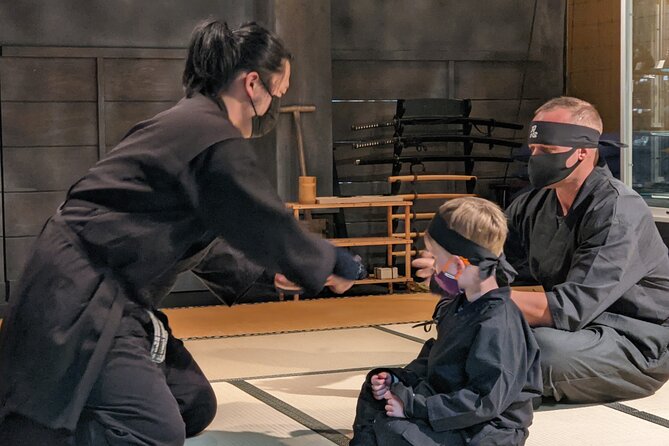
A lot of first-time Tokyo days start with the visual “anchors,” and this route does that well.
Watch THE TOKYO from the world-famous intersection + Hachiko
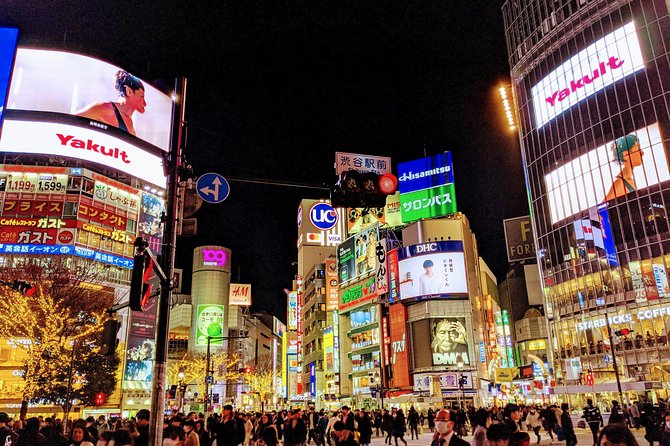
You’ll see THE TOKYO viewpoint from the most famous intersection area (this is clearly aimed at the Shibuya vibe). Then you’ll head to meet Hachiko, the statue of the loyal dog.
This pairing works because it gives you both the modern camera-shot Tokyo and the emotional, story-driven Tokyo. Hachiko is the kind of stop that feels simple, but it hits because Japan’s public space honors memory in a very public way.
You can also read our reviews of more private tours in Tokyo


Tokyo Skytree: photos now, views later
Tokyo Skytree is a major “wow” stop. Plan roughly 45 minutes to 2 hours, and decide whether you’ll just take pictures or go up the observation deck. The admission fee is not included (listed as ¥3,000 per person).
The value here is timing control. If you choose your moment well, the view becomes your whole afternoon backdrop—easy photos, clear city scale, and a great reset between neighborhoods.
Senso-ji: the most visited temple energy
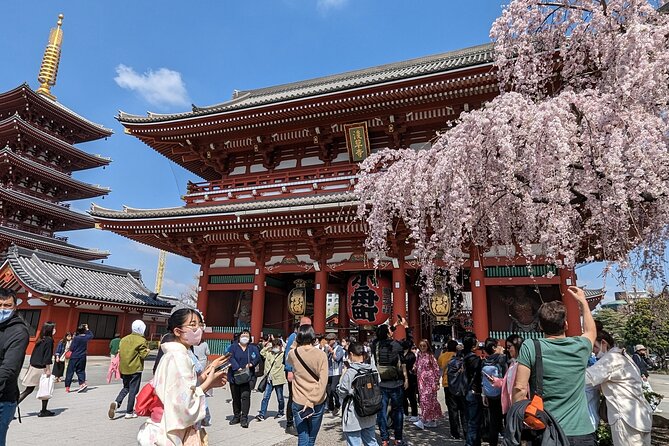
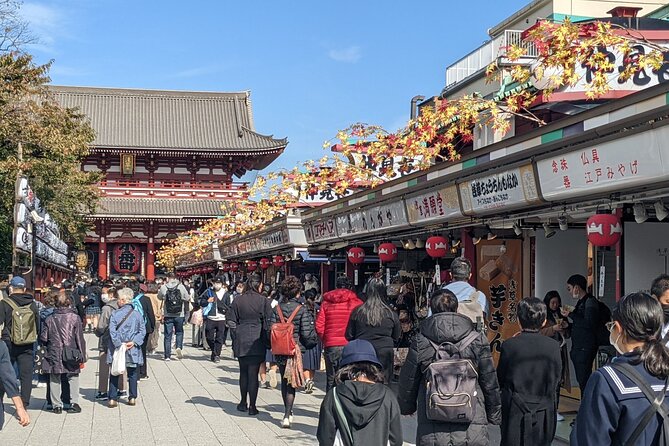
Next up is Senso-ji, described as the oldest and most visited historic temple in Tokyo. The visit is usually around 60 minutes. Admission is free.
This is where you’ll notice the rhythm of Tokyo traditions: people moving with purpose, families treating the temple as both heritage and outing, and a lot of photo moments around the approach.
Optional shopping/photo stops between the icons
There are also stops shaped for your preferences:
- a time slot for fashion and culture photos and shopping
- time to find Japanese souvenirs
- time to stroll old-town areas and see the oldest temple area nearby
If you like wandering, this is where you slow down. If you’re on a tighter schedule, you can keep these short.
Markets without the scramble: Tsukiji Outer Market and lunch choices
Tsukiji Outer Market is the food-and-street-life stop. The visit typically runs 30 minutes to 1 hour, and admission is free. You can snack on street food or plan a lunch stop here.
What I like: this isn’t framed like a must-eat festival. It’s a flexible block. If you want quick bites and photos, you can keep it short. If you want a longer meal, you can spend the extra time.
Practical tip: Tokyo food lines can eat your schedule. With a private guide, you can make smart choices faster—where to look, how to order, and when to move on.
Gardens and cherry blossom timing: Hama-rikyu, Rikugien, Shinjuku Gyoen
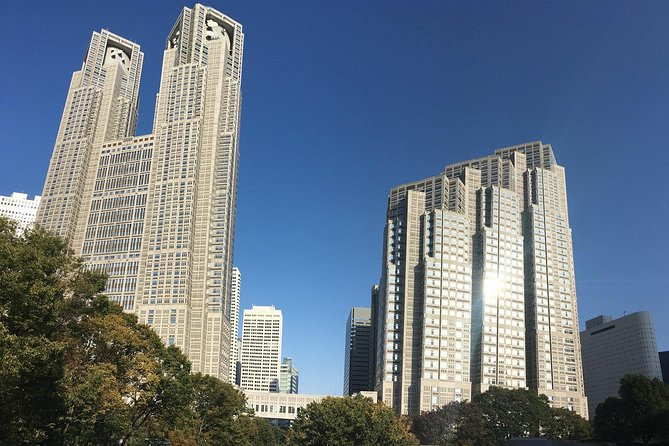
Tokyo gardens are one of the best ways to cool off both physically and mentally. This route includes several, with time buffers that let you walk at a human pace.
Hama-rikyu Gardens by Tokyo Bay
Hama-rikyu Gardens is listed for about 45 minutes to 1 hour. Admission is not included (listed as ¥400 per person). You also get a note that this stop is popular for sakura viewing, and there’s room for photos if you want them.
Rikugien Garden: Edo-period calm
Rikugien Garden is another Edo-period garden stop, typically 30 minutes plus time for strolling. Admission is not included.
Shinjuku Gyoen: the mixed garden style
Shinjuku Gyoen National Garden mixes Japanese and Western garden styles. It’s usually 45 minutes to 1 hour, admission free per the info provided. This is seasonal, especially for flowers.
My honest take: if you’re visiting in spring, these gardens can feel like Tokyo’s version of a reset button. If you’re visiting in a colder month, they’re still worth it, but you’ll want to dress for wind and damp—Tokyo weather can surprise you.
Observation decks: Shibuya Sky, Tokyo Government Building, and skyline strategy
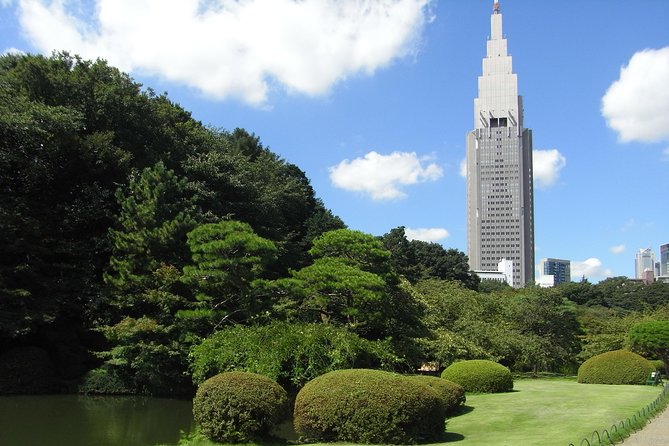
Some parts of this itinerary are pure “look at Tokyo” time. The good news is you’re not stuck with just one view.
Shibuya Sky: height and city geometry
Shibuya Sky is described as a rooftop deck with views from 229 meters. Plan around 45 minutes. Admission is not included (listed as ¥2,700 per person).
This is a strong stop if you want modern Tokyo from above and you’re okay spending time up in a managed-view space.
Tokyo Metropolitan Government Buildings: a free view
Tokyo Metropolitan Government Buildings offer a view from the 45th floor at about 200 meters, and admission is free. The visit is listed around 30 minutes.
I love stops like this because they keep your budget under control while still giving you a skyline moment.
Another observation-deck option
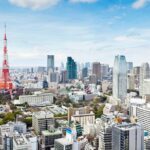
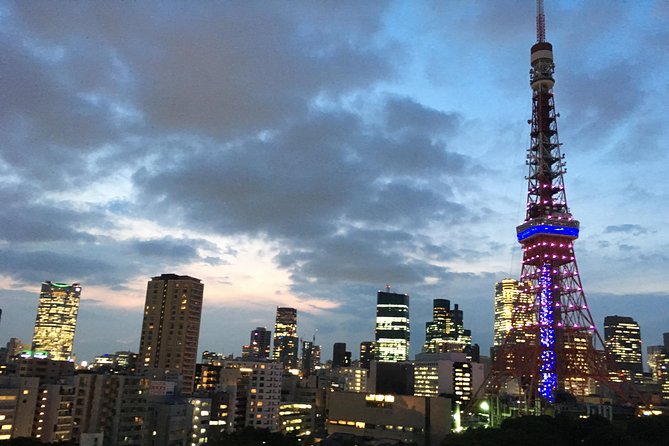
The itinerary also includes an “observation deck” photo stop with an admission fee listed for Tokyo Tower (¥3,000 per person). So your sky-view portion can be flexible depending on what you pick and where you want to spend money.
Modern Tokyo and pop culture: Odaiba, Unicorn Gundam, and art-tech at teamLab
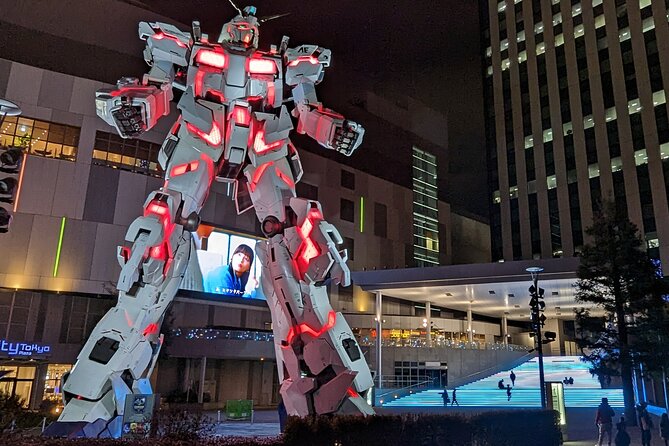
This is where Tokyo shows you it’s not just temples and old streets.
Odaiba: artificial island views + shopping districts
There’s a stop for the artificial island area plus shopping time at places like Aquacity, Venus Fort, and Divercity. This part is about views and flexibility, so it pairs well with a mid-day break.
Unicorn Gundam: scheduled light-ups
You can see the Unicorn Gundam statue, and there’s an hourly light-up show mentioned. The stop is short—about 10 minutes—and admission is listed free.
That short time window is great because it doesn’t hijack the full day. You’re getting a signature pop-culture photo, and then moving on.
Statue of Liberty replica in Tokyo
The itinerary includes a Statue of Liberty installed in 2000 as a friendship symbol between Japan and France. It’s a quick stop (about 5 minutes).
If you’re the kind of traveler who likes international symbolism and photo humor, it’s worth the stop. If not, it’s easy to keep it brief.
teamLab Planets TOKYO: pre-book this one
teamLab Planets TOKYO is about 1 to 1.5 hours (listed), and admission is not included (listed as ¥4,000 per person). You’ll also need to purchase tickets online in advance.
This stop can be the most “wow” part of the whole day, but it’s also the one that needs the most scheduling discipline. If your day is tight, you’ll want this placed early enough that you’re not scrambling for entry time.
Ueno culture: Toshogu, peony gardens, sumo stadium, and museum time
Ueno is a good final “culture cluster” because it stacks multiple interests in one neighborhood.
Ueno Toshogu Botanen (peony-focused)
The itinerary includes Ueno Toshogu Botanen, described as a subsidiary shrine of Nikko Tosho-gu, known for its peony garden. The stop is short (about 5 minutes), and admission is not included.
Sumo Museum and sumo stadium
You’ll also have time at the Sumo Museum (about 30 minutes, admission listed as free). There’s also mention of the sumo stadium before it.
This is a great stop if you want sports culture without needing to hunt for a live tournament schedule.
Tokyo National Museum: a “quick overview” day anchor
Tokyo National Museum is a heavier hit. The visit is usually 1 to 2 hours, and admission is not included (no fee listed in the provided info, except it says not included). This one helps you understand Japan’s long timeline before you go back to modern districts.
If you’re short on time, don’t try to see everything. With a guide and private pacing, you can focus on a curated selection that matches your interests.
Shinjuku night vibes and snack alley detours: Omoide Yokocho and Godzilla Road
Later in the day, the itinerary moves into Tokyo’s “night” personality.
Omoide Yokocho (Good Memory Alley)
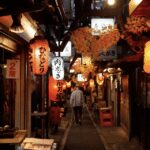
You’ll see Omoide Yokocho, described as a foodie destination that reminds people of old Japan from the 60s to the 80s. The itinerary doesn’t set a strict time limit, but it notes it as a possible photo/food stop.
Godzilla Road in Kabukicho
You’ll also pass Godzilla Road (Kabukicho’s main street area), with optional time for photos and shopping.
This portion works best if you enjoy people-watching and neon. If you prefer calm, you can keep these stops short and shift time toward gardens and observation decks earlier.
Shopping and subculture blocks: anime streets, maid cafes, and souvenir hunting
Tokyo shopping here is not generic malls. The itinerary includes time for areas tied to specific fandoms and styles.
Anime, manga, games, figurines, and maid cafes area
There’s a stop explicitly for anime, manga, figurines, games, and electronic devices, plus mention of famous maid cafes. It’s framed as optional photo and shopping time.
Ueno’s open-air market option
There’s also an open-air market stop in Ueno (Ameyoko-style area is implied by the description), with optional photos and shopping time.
If you like browsing (rather than rushing through), this is where the private format pays off. You can pause, ask questions, and move on without feeling locked into a fixed group pace.
Budget reality: $1,122.88 per group and how admission fees add up
The price is $1,122.88 per group (up to 8 people), with the tour duration around 8 hours. The average booking window is about 47 days in advance, so it’s wise to plan ahead if you want a specific time.
Here’s the math idea:
- If you fill the group at 8, that’s roughly $140 per person.
- If you’re fewer people, the per-person figure rises.
What’s included is meaningful: hotel pickup/drop-off, private air-conditioned transport, a private guide, one bottled water per person, and a DVD player in the van.
What’s not included is where you’ll decide your “final spend.” The provided admissions not included include:
- Tokyo Skytree: ¥3,000 per person
- Shibuya Sky: ¥2,700 per person
- Tokyo Tower: ¥3,000 per person
- Rikugien Garden: ¥400 per person
- teamLab Planets TOKYO: ¥4,000 per person
If you choose just Skytree + Shibuya Sky + teamLab, you’re looking at ¥9,700 per person in attraction fees alone (before any other optional admissions).
That’s not automatically “bad.” It’s just the trade. This tour is strongest when you treat the day like a guided experience with a car—then pick the paid “musts” on your list.
Who should book this, and who should think twice
This tour fits well if:
- you want maximum sightseeing with minimal transit stress
- you have limited time and want help building a smart route
- you prefer a guide’s context instead of reading apps all day
- you’re traveling with family members who don’t want long walks
It may be less perfect if:
- you’re trying to keep costs tight and plan to visit only free attractions
- you enjoy public transit and don’t mind planning your own route
- you want a fully hands-off day without any scheduling decisions (like teamLab ticket times)
Should you book?
I’d book this if you’re aiming for a first Tokyo overview with comfort and flexibility. The best part is that you’re not stuck with one rigid plan—you can choose about 4 to 6 sites, start when you want in the morning, and use the car to connect distant areas fast.
I’d hold off if your budget is tight and you’re not planning to pay for the premium attractions (Skytree, Shibuya Sky, teamLab). In that case, you can still visit a lot of Tokyo on your own, and the private-car premium won’t pay off.
FAQ
What’s the duration of the Tokyo private car tour?
The tour runs for about 8 hours (approx.).
How many people can be in the group?
The price is per group for up to 8 people, so your group stays private.
Does the tour include hotel pickup and drop-off?
Yes. Hotel pickup and drop-off are included.
Are attraction admission tickets included?
No. Several major stops list admission fees that are not included, like Tokyo Skytree, Shibuya Sky, Tokyo Tower, Rikugien Garden, and teamLab Planets TOKYO.
Can I add an airport pickup or drop-off?
Yes. You can upgrade to include optional airport pickup or drop-off with the tour.
Do I need to buy tickets in advance for teamLab Planets TOKYO?
Yes. You’re instructed to purchase online advance tickets for teamLab Planets TOKYO.
How flexible is the cancellation?
You can cancel up to 24 hours in advance for a full refund. If you cancel less than 24 hours before the start time, the amount is not refunded.