REVIEW · TOKYO
Fast & Furious Tokyo Drift 3 (Kaila Yu-SP) : Experience Ride JDM
Book on Viator →Operated by TOKYO DRIFT TOUR · Bookable on Viator
Car culture at night, with city-light views. This 4-hour Fast & Furious Tokyo Drift 3 style ride is built around Daikoku Parking Area, guided by people who actually know the car scene, including multilingual drivers like Hiroto, Marcelo, or Sato.
I really like the way the tour also gives you Rainbow Bridge and Tokyo Bay nighttime viewpoints, plus real time to ask questions about the cars and builds. One thing to keep in mind: this isn’t a movie stunt show. You should expect fast cruising and photos, not guaranteed drifting nonstop.
In This Review
- Key highlights I’d plan around
- Why Daikoku Parking Area is the whole point of this ride
- The night schedule that makes it feel worth $169.46
- Getting there: meeting point, mobile tickets, and what drop-off really means
- Toyosu Pit and Autobacs Shinonome: the car-shop stop that adds context
- Daikoku Parking Area at night: what you’ll do there and how to get better photos
- Rainbow Bridge and Tokyo Bay: skyline views that make the ride feel special
- Tokyo Tower for quick photos, then Shibuya Crossing for iconic night flow
- Cars, drivers, and the real meaning of the JDM experience
- Value check: what you’re paying for, and how to make it land
- Who should book this Tokyo Drift 3 ride
- Should you book Fast & Furious Tokyo Drift 3 (Kaila Yu-SP)?
- FAQ
- How long is the Fast & Furious Tokyo Drift 3 experience?
- Where does the tour start, and is there an end drop-off?
- Is Daikoku Parking Area entry included?
- What are the main stops during the tour?
- Does the tour include Tokyo Tower admission?
- How many people are in the group?
Key highlights I’d plan around
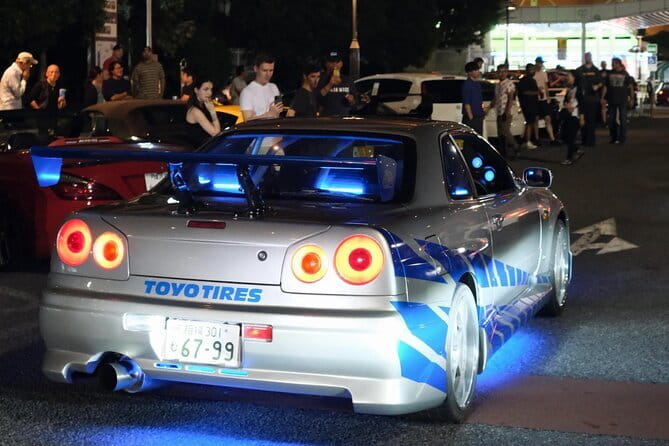
- Daikoku Parking Area, guided like an insider: You get time to look around, talk, and take pictures in the middle of the action.
- Rainbow Bridge and Tokyo Bay at night: You’re set up for skyline views that look best after dark.
- A real JDM question-and-answer vibe: Your driver can talk cars, mods, and street-scene context in multiple languages.
- Photo stops that make sense for first-time Tokyo night energy: Tokyo Tower and Shibuya Crossing are quick, focused hits.
- Toyosu Pit Autobacs Shinonome for gear and souvenirs: A pit-stop shopping layer that car people love.
- Small-group feel: Maximum 30 people, which helps keep the night organized.
Why Daikoku Parking Area is the whole point of this ride
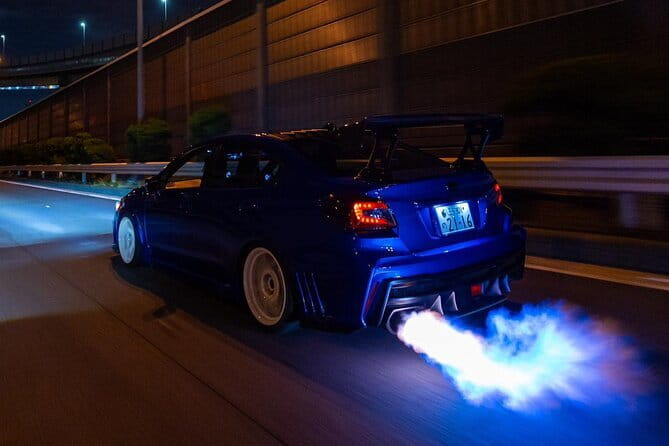
Daikoku Parking Area is where Tokyo’s modified-car culture goes from internet hype to real life. It’s known as a major meeting spot, and on this tour you don’t just show up. You’re guided in, so you can spend your time looking, chatting, and getting the kind of car-nerd conversations you usually only hear when someone has the hood open.
What I like is how the vibe stays practical. Your driver helps you get oriented quickly, so you’re not wandering around trying to figure out where the best sights are. And since the focus is the car scene, you’ll naturally see more details than you would on a typical sightseeing night. Expect a lot of modified builds, varied styles, and plenty of photo angles.
Also, this is the part of Tokyo where being a car person matters. Whether you’re obsessed with Nissan GT-Rs or you just love loud engines and wide-body looks, Daikoku is the moment where the whole theme clicks.
You can also read our reviews of more tours and experiences in Tokyo.



The night schedule that makes it feel worth $169.46
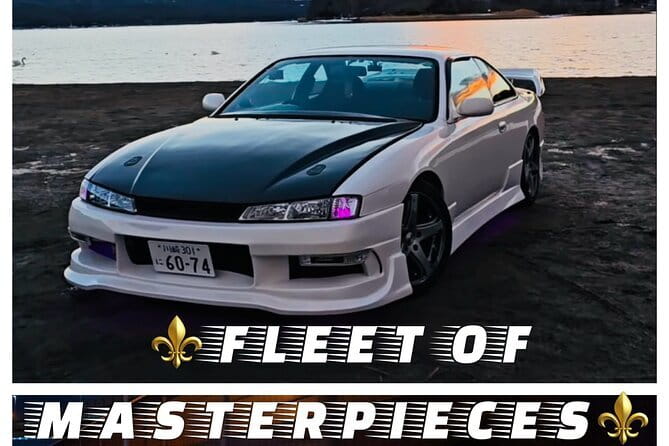
This is an about 4-hour experience, priced at $169.46 per person. For that money, you’re not paying for a ticket into a single monument. You’re paying for three things working together: a night drive in a high-performance Japanese car, guided time at Daikoku, and extra city-night viewpoints that car people tend to enjoy way more than generic bus tours.
Here’s how the timing usually plays out:
- A first stop of about an hour for a car-focused shop stop
- About an hour at Daikoku for photos and hanging out with the scene
- A Tokyo Tower stop (about 30 minutes)
- Shibuya Crossing (about 30 minutes)
Plus drive time between everything
One practical note: a big chunk of the value is in how the driver manages the flow of the night. Multiple reviews mention guides who were friendly, talkative, and willing to answer questions, like Hiroto, Marcelo, and Kei. That matters, because you’ll get more out of the car watching if you understand what you’re looking at.
Getting there: meeting point, mobile tickets, and what drop-off really means
You meet at FamilyMart Japan, Kanda Neribeichō, in the Akihabara area (Fuji Soft Akihabara Building 1F). The tour uses a mobile ticket, so you’ll want your phone charged and ready.
The group size is capped at 30. That keeps it from turning into a chaotic cattle line, and it also helps drivers keep track of who’s where.
At the end, you get drop-off at your hotel/Airbnb. If you’d rather finish in Shibuya, that’s an option too. I like this setup because Shibuya is a convenient base for many people, and dropping you near where you’ll actually sleep reduces the “night tour tax” of figuring out transport after dark.
Toyosu Pit and Autobacs Shinonome: the car-shop stop that adds context
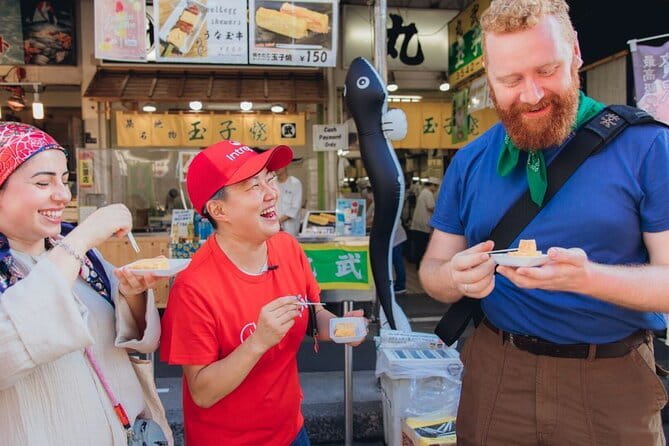
Before you hit Daikoku, you stop at Toyosu Pit, specifically Autobacs Shinonome (part of the Autobacs network). Think of this as your JDM warm-up.
This is where the tour becomes more than just sightseeing. Autobacs is a huge automotive megastore, and on this stop you get time to browse car merchandise and parts-related stuff. One review described a space with souvenirs, clothing, mini models, and even a food option on-site. The main idea is simple: you get to look at the stuff people actually buy and talk about, not just the cars you’ll see later.
If you’re shopping for small gifts or want to bring home something car-themed without wandering for hours, this stop is useful. And if you’re new to JDM culture, it helps you spot what matters to enthusiasts—styling, brands, models, and the whole language of mods.
Downside to consider: if you’re only interested in the driving and the meet, you might treat this stop as optional browsing time. Still, it’s included and it adds to the story of the night.
Daikoku Parking Area at night: what you’ll do there and how to get better photos
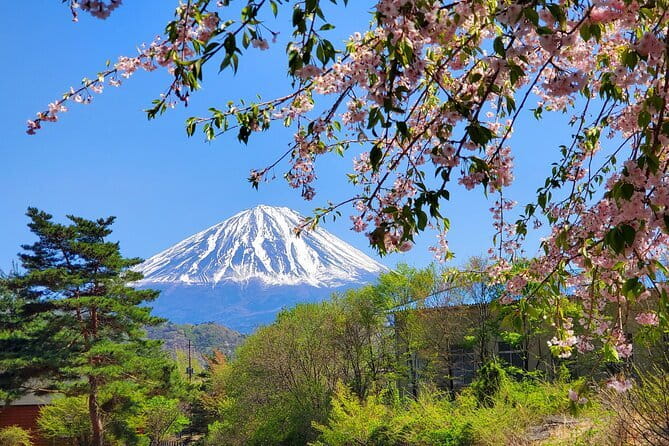
Daikoku isn’t just a parking lot. It’s a car meet place with energy. On this tour, you have about an hour there, and that hour is designed for two things: seeing cars up close and taking photos.
Here’s what that actually means for you:
- You can walk around and look at different builds
- You get time to socialize in the scene atmosphere
- You can pop in your phone camera and chase angles quickly, before the group moves on
- You’re encouraged to ask your driver questions about what you’re seeing
The best advice I can give is to move with purpose. Don’t try to photograph everything. Pick a few cars or a few styles you genuinely care about, then get your angles right. In a place like Daikoku, the coolest views often come from walking a little, not standing still.
If you’re expecting movie-style drifting, calibrate expectations early. Multiple experiences emphasize that you’re on public roads and legal streets for the ride, and the tour is focused on cruising plus photos rather than repeated drifting stunts. You’ll still get adrenaline, but it’s the kind that comes from speed and smooth control, not from guaranteed chaos.




Rainbow Bridge and Tokyo Bay: skyline views that make the ride feel special
One of the most praised parts of this tour is the nighttime scenery: Rainbow Bridge and Tokyo Bay. This is where Tokyo looks like Tokyo, especially after dark.
What you’re really buying here is contrast. You’re switching from car-spot energy at Daikoku to the wide, dramatic city backdrop over the water. The bridge lights and the bay views create a totally different mood than the meet. It’s also a great moment to slow down, reset your camera, and enjoy the drive as part of the experience, not just the transportation between stops.
This is the kind of stop that helps you even if you’re not a hardcore car person. You’ll still enjoy it because the scenery is doing half the work.
Practical tip: bring something warm enough for nighttime. Even in Tokyo, it can feel chilly on night drives, and you’ll want to stay comfortable enough to watch the views.
Tokyo Tower for quick photos, then Shibuya Crossing for iconic night flow
Tokyo Tower is a short stop (about 30 minutes). It’s 333 meters tall and one of Japan’s most recognizable structures, inspired by the Eiffel Tower’s lattice-style design. Admission to the tower itself isn’t included, so your time is about photos and viewing from outside.
I like Tower stops on night tours because you get a strong visual anchor without needing to commit to a longer attraction. You can grab your shots with the car behind you, take a breath, and move on.
Then you head to Shibuya Crossing. This area is famous for pedestrian crossing patterns, and this tour gives you a practical amount of time (about 30 minutes) to see it and take photos. It’s a real cultural contrast after Daikoku: cars and meets give way to city lights, crowd energy, and the classic Shibuya vibe.
If you care about photos, Shibuya is a strong final chapter because it’s busy enough to look alive, but structured enough that you can pick your spot and capture a clean frame.
Cars, drivers, and the real meaning of the JDM experience
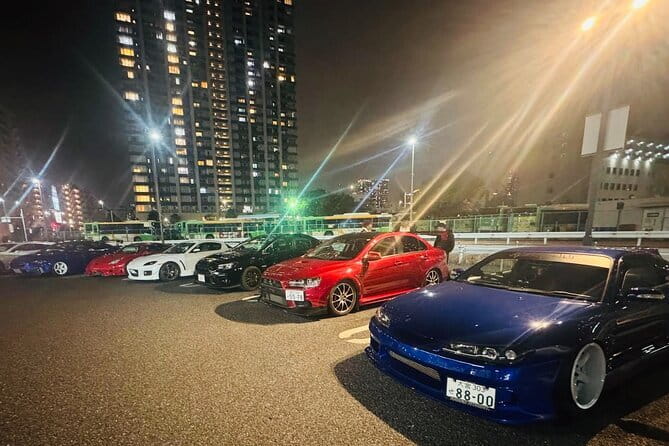
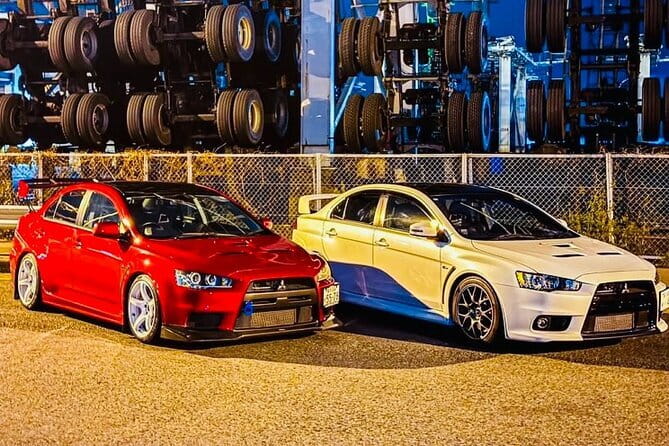
The tour centers on JDM cars, and you may ride in high-performance vehicles like a Nissan Skyline GT-R 34 or Mitsubishi Lancer Evolution. Reviews also mention specific rides in experiences such as GT-R R35 and other sporty Japanese models (like Lexus IS350 F Sport).
The driving itself tends to get described as exciting but still controlled. That’s important. You’re not in a track environment. You’re in Tokyo traffic and streets, so the fun comes from skilled driving and speed where it’s safe, not from drifting whenever you feel like it.
The other big part of the experience is the driver’s role as your guide. Drivers speak English, Japanese, Portuguese, and Spanish, which makes asking questions much easier. A lot of the best moments described in feedback have a similar pattern: the driver explains what you’re seeing, answers questions, and keeps the vibe friendly.
Music also comes up. Some people loved the playlist choices and how it matched the ride energy. So if you have any music preferences, pay attention to the driver’s style during the drive. It can change the mood of the whole night.
Value check: what you’re paying for, and how to make it land
At $169.46, you should think of this as a package value equation:
- You’re getting Daikoku PA time (the core attraction)
- You’re getting Rainbow Bridge and Tokyo Bay nighttime views
- You’re getting multiple guided stops (Autobacs shopping, Tokyo Tower exterior views, Shibuya Crossing)
- You’re getting transportation in a Japanese performance car experience
- You’re getting a driver who can talk cars in multiple languages
What isn’t included: tips, fuel surcharge, and Tokyo Tower admission (since it’s an exterior/photo-focused stop on this schedule).
So where can the value feel uneven? Mainly if you’re expecting nonstop drifting or constant extreme speeds. This is a guided car culture night with legal limits and city conditions. If that’s the fantasy you came for, you may feel disappointed. If you want the real Tokyo car atmosphere plus a thrilling night ride, the price makes a lot more sense.
My advice to make it worth it:
- Treat Daikoku as your priority. Arrive ready to walk, look, and photograph.
- Ask your driver questions while you can. That’s where the car culture turns into knowledge, not just visuals.
- Plan your outfit for photos and comfort. You’re going to be taking pictures in multiple iconic spots.
Who should book this Tokyo Drift 3 ride
This tour fits best if you:
- Love modified Japanese cars and want to see the scene in person
- Like night city views and photo stops
- Want a guided experience where you can ask about cars, not just watch from the sidewalk
- Are in Tokyo for a short time and want a packed, efficient night plan
You might skip it if you:
- Only want a classic sightseeing tour with long monument time
- Expect guaranteed drifting or track-like stunts every minute
- Get frustrated by city traffic pacing, since this is Tokyo and your ride includes drive time between stops
Should you book Fast & Furious Tokyo Drift 3 (Kaila Yu-SP)?
Yes, I’d book it if your goal is a memorable Tokyo night that mixes car culture with real skyline drama. The strongest parts are Daikoku Parking Area with guided time and the Rainbow Bridge/Tokyo Bay nighttime views. Plus, the multilingual driver factor makes the whole thing easier to enjoy, even if your Japanese is limited.
One final booking reality check: the experience requires good weather. If the sky isn’t cooperating, plans may change. If you can be flexible with dates and you’re coming to Tokyo for the night energy, this is one of those rare tours that feels like Tokyo’s car scene, not just another checklist.
FAQ
How long is the Fast & Furious Tokyo Drift 3 experience?
It runs about 4 hours.
Where does the tour start, and is there an end drop-off?
It starts at FamilyMart Japan in Akihabara (Fuji Soft Akihabara Building 1F). The tour ends with drop-off at your hotel/Airbnb, and you can also request drop-off in Shibuya.
Is Daikoku Parking Area entry included?
Yes. Daikoku PA entry is included.
What are the main stops during the tour?
You’ll visit Toyosu Pit (Autobacs Shinonome), Daikoku Parking Area, a nighttime Rainbow Bridge and Tokyo Bay view area, Tokyo Tower, and Shibuya Crossing.
Does the tour include Tokyo Tower admission?
Tokyo Tower admission is not included.
How many people are in the group?
The tour has a maximum of 30 travelers.