REVIEW · TOKYO
Tokyo: Tsukiji Market Guided Tour & Sushi-Making Experience
Book on GetYourGuide →Operated by True Japan Tour · Bookable on GetYourGuide
Tuna smells and sushi skills in one morning. This guided Tsukiji Outer Market tour pairs a close-up look at Tokyo’s seafood hustle with a hands-on class where you make nigiri, hosomaki, and gunkanmaki.
I really like two parts: the Tsukiji Outer Market walk with a guide who points out what top chefs buy and how the market works, and the three sushi styles masterclass with an instructor who teaches technique, hygiene, and how to eat properly afterward.
One thing to consider: if you’re expecting to personally select and purchase fish like a private tuna shopper, the experience may feel more like guided wandering and learning than a full buying moment, so it’s worth setting that expectation early.
In This Review
- Key things to know before you go
- Where the tour starts: Tsukiji Hongwanji Temple and the Hibiya Line
- Tsukiji Outer Market: sights, smells, and the tuna hunt vibe
- A realistic note on the tuna experience
- The market history lessons you’ll actually remember
- From Tsukiji to the sushi kitchen near Tokyo Tower
- Sushi masterclass: make nigiri, hosomaki, and gunkanmaki
- Nigiri sushi (hand-rolled basics)
- Hosomaki (thin roll control)
- Gunkanmaki (nori cups and soft toppings)
- What you’re actually given: ingredients, souvenir kit, and guidance
- Dietary restrictions
- The price question: is $177 good value?
- Small group energy: up to 10 people in English
- Who should book this Tsukiji market and sushi combo
- Should you book this tour?
- FAQ
- What is the meeting point for the tour?
- How long is the experience?
- Is the tour language English?
- What’s included in the price?
- What is not included?
- Do you accommodate dietary restrictions?
- Is the tour good for people with mobility concerns?
- Do I need to pay attention to what to bring?
Key things to know before you go
- Small group size (up to 10) keeps the market walk and sushi class from turning into a factory line.
- Licensed guide and licensed instructor means you get technique plus context, not just standing around watching.
- Three sushi styles (nigiri, hosomaki, gunkanmaki) gives you practical variety, not one repeat trick.
- State-of-the-art kitchen near Tokyo Tower makes it easier to learn with clean tools and a real setup.
- Market tour plus public transit turns two parts of the city into one smooth, guided block of time.
- No food or drinks included beyond what’s used for sushi, so plan where you’ll eat outside the class.
Where the tour starts: Tsukiji Hongwanji Temple and the Hibiya Line
You’ll meet your guide at the entrance of Tsukiji Hongwanji Temple, just a short walk from Exit 1 of Tsukiji Metro Station on the Hibiya Line. That location matters because Tsukiji can be a maze of narrow streets, and starting from a clear landmark helps you get oriented fast.
From the meeting point, the tour shifts immediately into walking mode. You’re not doing a museum-style overview. You’re moving through the area while your guide points out what’s happening at merchant stalls and why it’s arranged the way it is.
Also, do yourself a favor and wear shoes that can handle uneven pavement. The market area is all about moving, stopping, and moving again. If your feet aren’t happy, you’ll miss the little details that make the experience fun.
You can also read our reviews of more guided tours in Tokyo



Tsukiji Outer Market: sights, smells, and the tuna hunt vibe
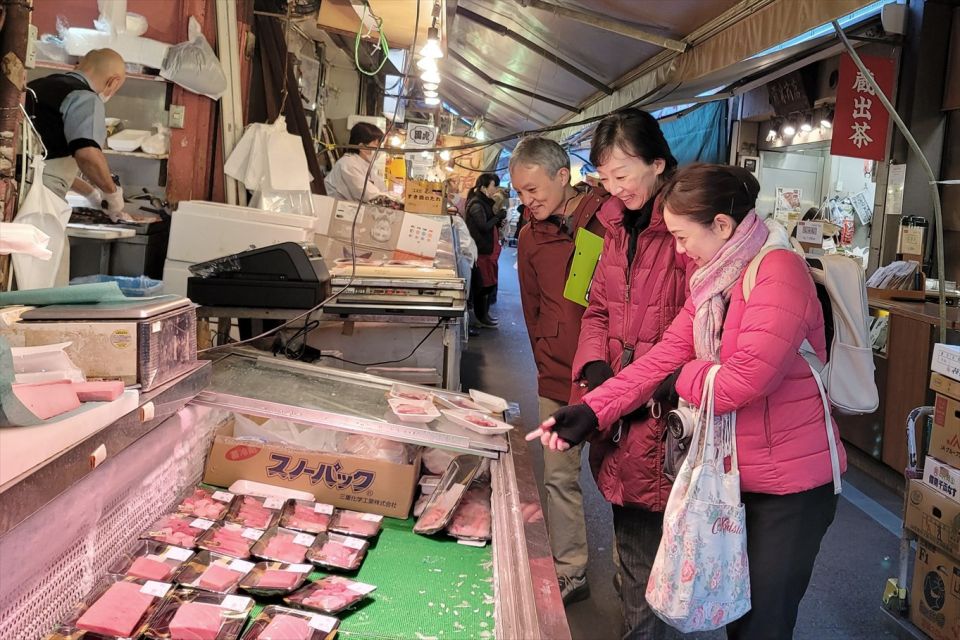
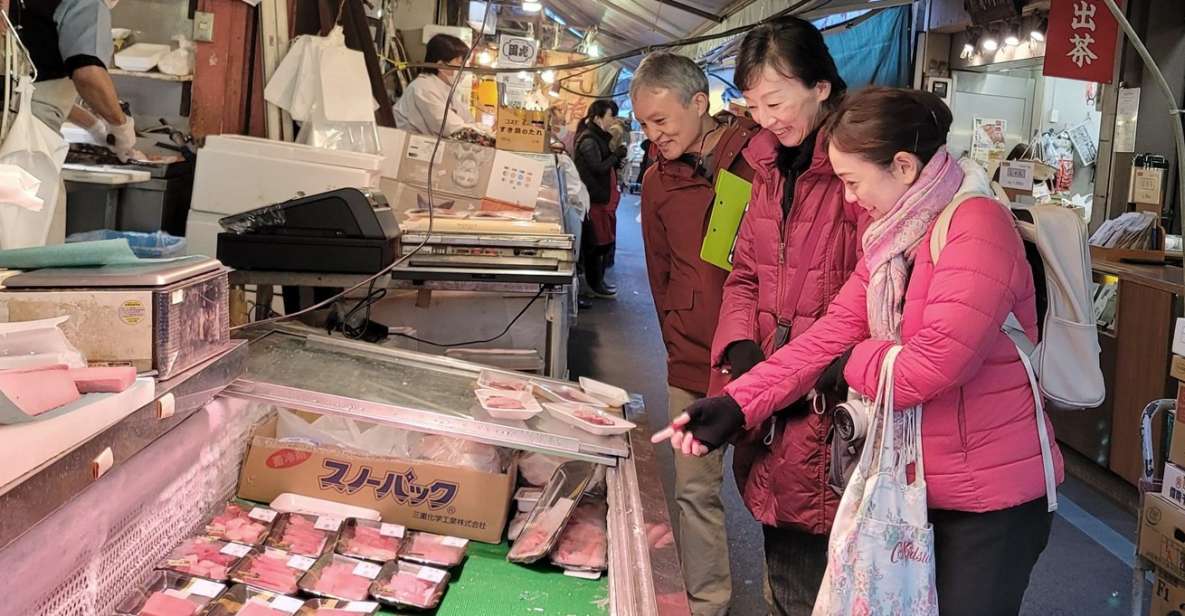
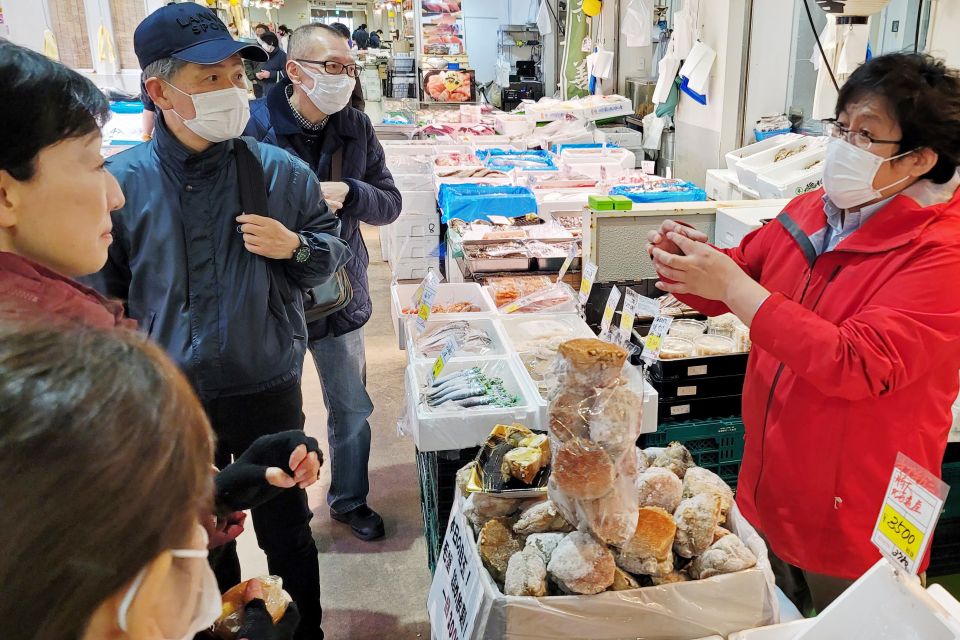
This part is the reason many people book. You get to take in the aromas, sights, and lively activity of Tsukiji Outer Market, a famous seafood shopping zone that once served as the world’s largest wholesale market. Your guide leads you through narrow alleys where the shopping scene feels close and real, not curated for tourists.
You’ll browse stalls with fresh sashimi slices, seaweed, fruits, vegetables, and plenty of tuna-related products. You’ll also get a “where chefs shop” angle as you pass expert merchants at work and visit shops where Michelin-star chefs buy produce.
One of the best practical benefits of having a guide here is pace. Tsukiji can overwhelm you. With a guide, you’re not trying to figure out what everything is or where to stand. You get a route that keeps you seeing the important things without wasting time.
A realistic note on the tuna experience
The tour description emphasizes hunting for freshly-caught tuna fish. In practice, the experience can still vary day to day based on what vendors are doing and what’s available for demonstrations. If you’re the type who wants a very hands-on tuna selection moment, I’d treat that as something you should confirm with the provider before you arrive, not something to assume you’ll get.
The market history lessons you’ll actually remember
The market portion isn’t just about food shopping. You also learn how the area became famous and what role it played as a wholesale center in Tokyo. Your guide explains history in a way that connects to what you’re seeing right now: why certain stalls are clustered, what kinds of goods get moved, and how the whole system works around speed and freshness.
This is where a good guide earns their pay. Instead of hearing facts that float away, you connect the story to the smells, the cutting motions you see, and the way merchants speak to each other while selling.
If you enjoy food culture beyond eating, you’ll likely find this part satisfying. You walk out understanding what makes the market special and how chefs think about sourcing, not just what something tastes like.
From Tsukiji to the sushi kitchen near Tokyo Tower
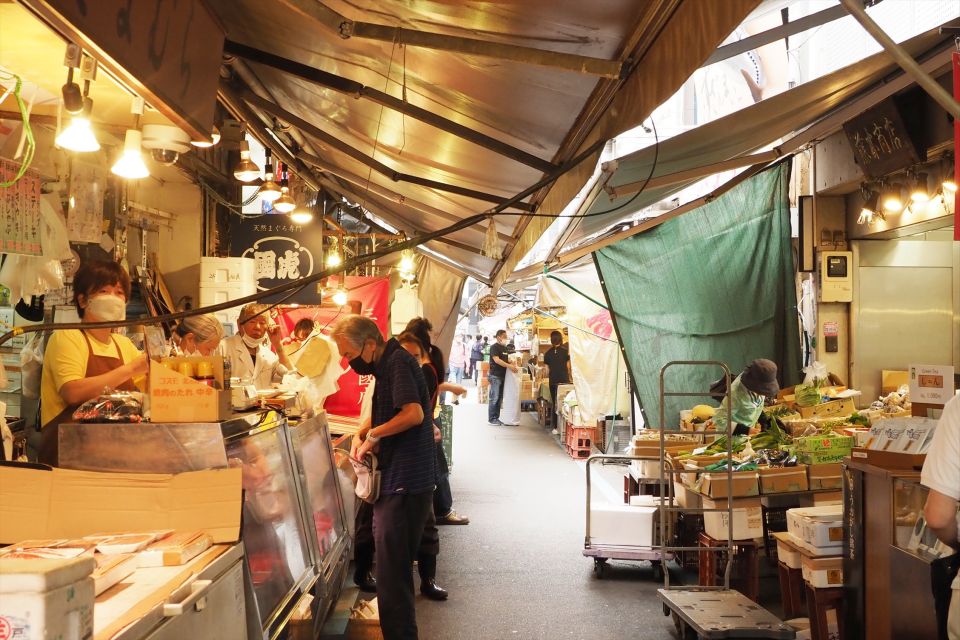
After the market walk, you take public transportation to the sushi kitchen. That might sound like a small detail, but it’s a smart choice for this kind of tour: it keeps you from burning time on private transfers and helps you experience the city’s real rhythm.
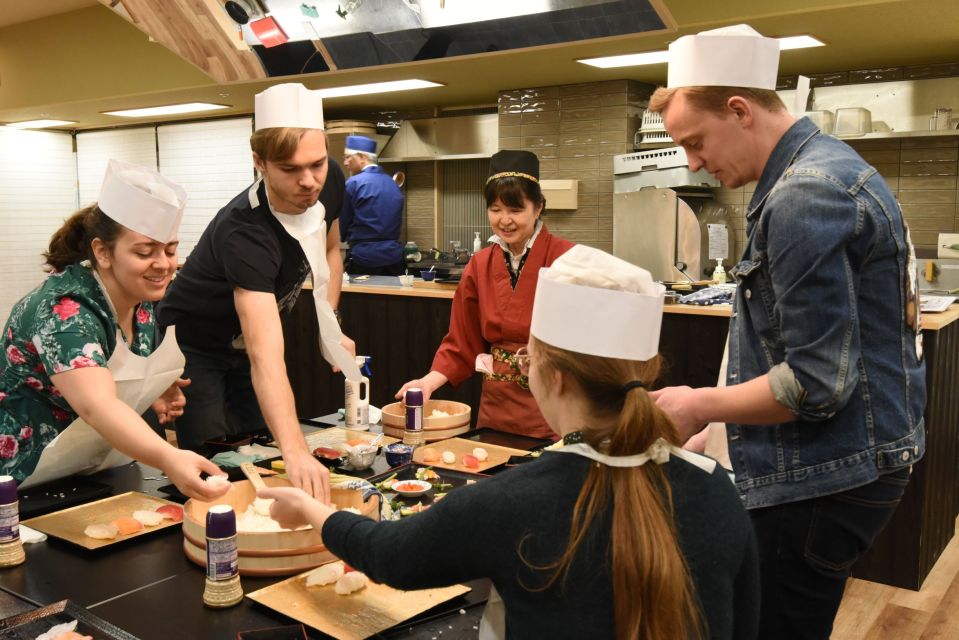
The kitchen is described as a state-of-the-art facility near Tokyo Tower. Translation: you’re not squeezed into a tiny counter space. You’re learning at a setup built for teaching—stations, tools, and workflow that let you focus.
During transit, you’ll likely shift from “watch and smell” mode into “hands-on” mode. That change of gears is part of the fun. By the time you arrive, you’re ready to pay attention to technique rather than just taking photos.
You can also read our reviews of more shopping tours in Tokyo


Sushi masterclass: make nigiri, hosomaki, and gunkanmaki
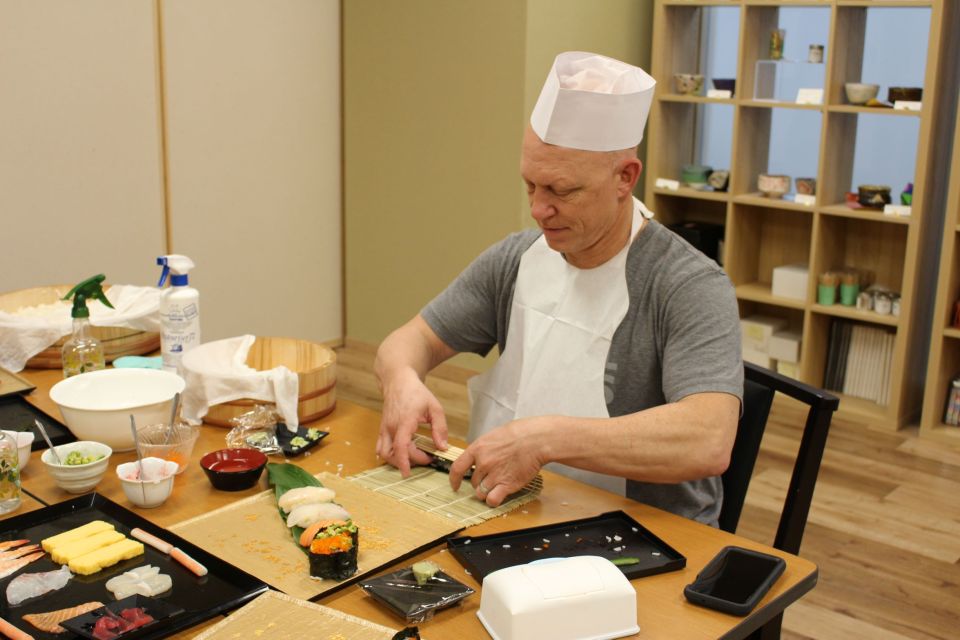
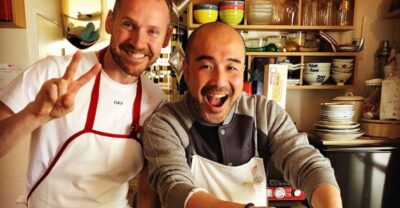
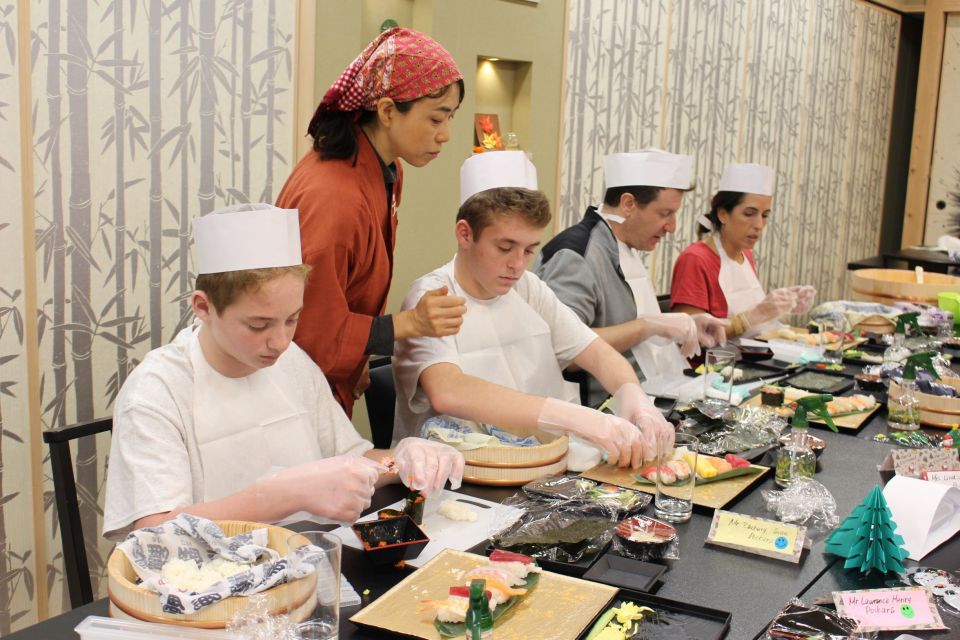
This is the heart of the day. You learn what goes into making sushi and then you make your own under supervision. The instructor covers both the how and the why—technique, hygiene, and how the pieces come together.
Nigiri sushi (hand-rolled basics)
Nigiri is the simplest-looking one on paper, but it teaches control. You’ll work on shaping and handling rice correctly and then pairing it with the right topping approach your instructor teaches. This is where you learn that sushi isn’t just assembling ingredients. It’s timing, texture, and touch.
Hosomaki (thin roll control)
Then you move into hosomaki, the thin sushi roll style. Rolling teaches a different set of skills than nigiri: keeping the roll tight, managing the filling so it doesn’t spill, and getting even slices afterward.
Even if you’re not a confident cook, this part tends to click because it’s concrete. You can see what went wrong and what to fix on the next attempt.
Gunkanmaki (nori cups and soft toppings)
Gunkanmaki is the fun one. It’s sushi wrapped with nori seaweed into a kind of cup, finished with a soft topping of your choice. That “choose your topping” element matters because it gives you some ownership. You’re not just repeating someone else’s plate.
Across all three types, the instructor also covers Japanese dining etiquette. That’s a small thing that changes how you eat once you’re done learning. You’ll know the basics of how sushi is meant to be handled at the table.
What you’re actually given: ingredients, souvenir kit, and guidance
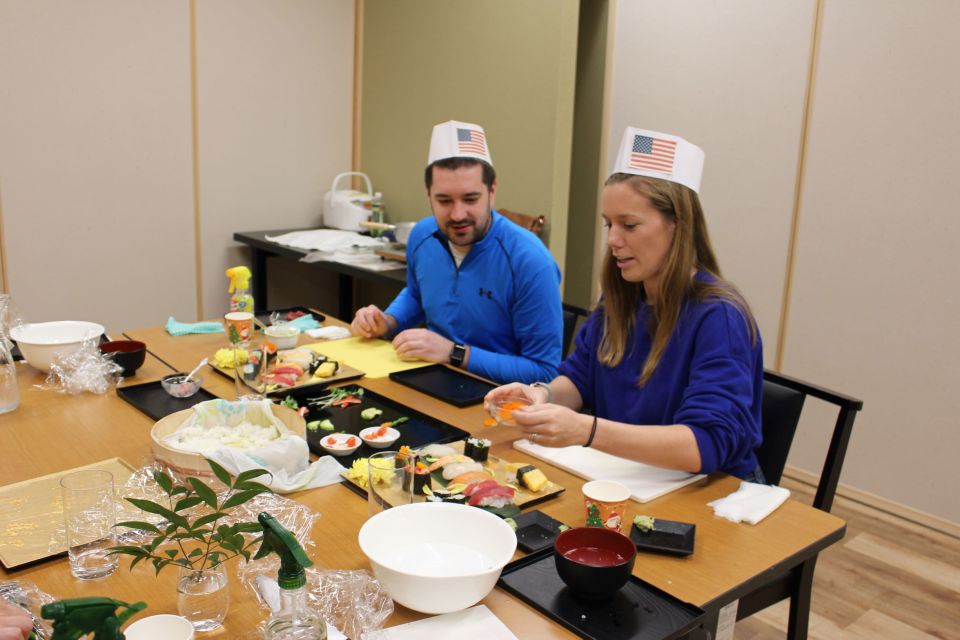
Everything you need for the sushi class is included. That includes the sushi ingredients and what’s described as a sushi souvenir kit. The kit is a nice touch because it gives you something to remember the experience without it turning into a big product giveaway.
What’s also important: the tour includes a nationally licensed guide and a licensed instructor. That’s not just a badge. It usually means the instruction is structured and safety-conscious, which matters when you’re working with rice, seaweed, and sharp kitchen tools.
Dietary restrictions
The tour notes that most dietary restrictions and requirements can be accommodated. If you have allergies or strict requirements, don’t treat that as a vague promise. Tell the operator clearly when you book, and ask how they handle substitutions for both the market portion and the sushi-making portion.
The price question: is $177 good value?
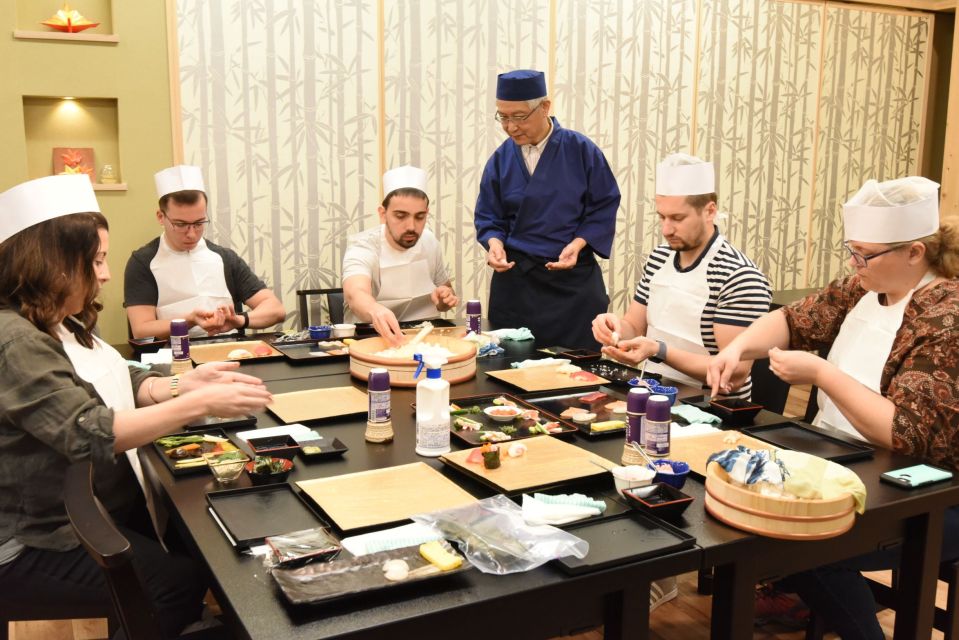
At $177 per person for about 225 minutes, this tour is priced in the “you’re buying convenience plus instruction” category. You’re not just getting a market walk. You’re getting:
- guided time in Tsukiji Outer Market
- transportation to the sushi kitchen
- a sushi-making class taught by a licensed instructor
- ingredients included for the sushi you make
- a souvenir kit
Where the cost can feel less fair is when you expected a more expensive “chef-level” market purchase moment, or when you’re planning to eat during the rest of the day anyway. Food and drinks are not included beyond what’s used for sushi, so you’ll still need to cover meals separately.
Still, for many people the value is real because you get two high-demand experiences bundled: market access with context and a hands-on cooking component you can’t easily replicate by yourself unless you already know what you’re doing.
Small group energy: up to 10 people in English
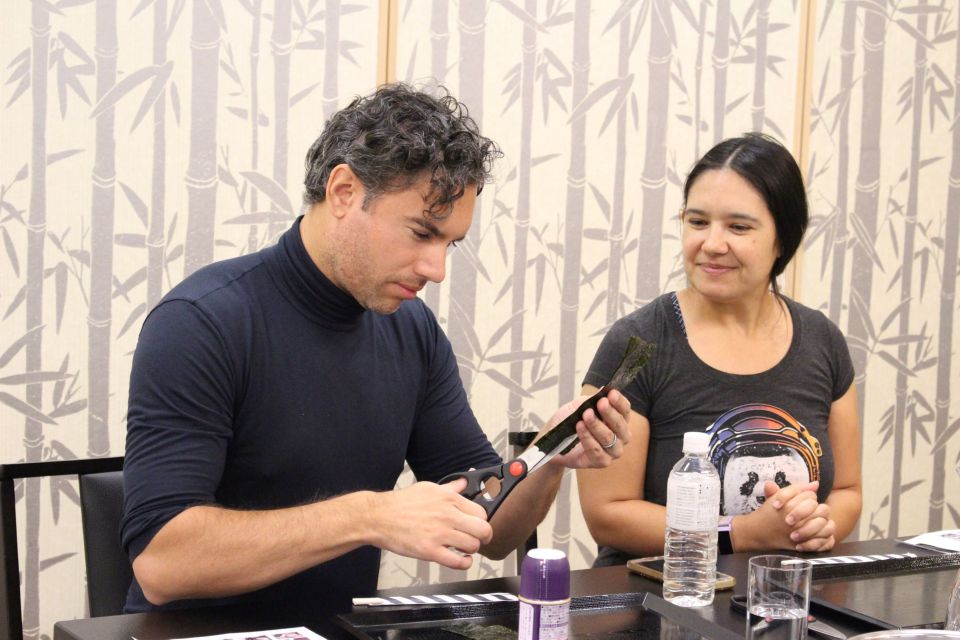
The group size is limited to 10 participants. That’s a big deal for learning. In a small class, the instructor can notice if your rice is too wet, your roll is too loose, or your slices need work. In a crowded group, those fixes often don’t happen.
The tour is in English with a live guide. If you’re traveling without Japanese fluency, this is a comfort factor. You’ll understand what vendors are doing and what the instructor wants from you without guessing.
Who should book this Tsukiji market and sushi combo
This tour makes sense if you want:
- a guided look at Tsukiji Outer Market beyond just wandering
- a practical sushi skill you can reuse later
- a structured day that covers both market culture and cooking
- smaller-group attention rather than a large group shuffle
It may not be the best fit if:
- you only want the cheapest possible Tsukiji experience
- you’re aiming for a full, high-end tasting meal at a top sushi counter
- you have specific mobility limits (the listing says wheelchair accessible, but it also states it is not suitable for people with mobility impairments—so check your needs carefully before booking)
Should you book this tour?
If you like learning food technique and you want Tsukiji with a guide, I think this is a solid buy. The market walk gives you context, and the sushi class gives you a skill and a finished product you made yourself. The small group size keeps the class from feeling rushed.
My main “pause and plan” advice is expectation-setting. If your heart is on selecting and buying tuna in a hands-on way, confirm how that’s handled in this specific tour format. And since food and drinks aren’t included beyond the sushi-making ingredients, plan where you’ll eat afterward so the day doesn’t feel like it ends on an empty stomach.
If you do that, you’ll walk away with something better than photos: you’ll understand why Tsukiji matters and you’ll know how to make three classic styles of sushi, not just one.
FAQ
What is the meeting point for the tour?
Meet your guide at the entrance of Tsukiji Hongwanji Temple. The temple is about a 30-second walk from Exit 1 of Tsukiji Metro Station on the Hibiya Line.
How long is the experience?
The duration is approximately 225 minutes. The timing can vary depending on the number of participants.
Is the tour language English?
Yes, the live tour guide provides the experience in English.
What’s included in the price?
The tour includes the market tour, a nationally licensed guide, public transportation from Tsukiji to the sushi kitchen, the sushi-making experience, a licensed instructor, sushi ingredients, and a sushi souvenir kit.
What is not included?
Hotel pickup and drop-off are not included, and any food or drinks besides what’s used for the sushi-making experience are not included.
Do you accommodate dietary restrictions?
Most dietary restrictions and requirements can be accommodated. If you have specific needs, it’s best to communicate them in advance.
Is the tour good for people with mobility concerns?
The tour notes wheelchair accessibility, but it also says it is not suitable for people with mobility impairments. If mobility is a concern for you, check with the provider before booking so you can confirm it fits your situation.
Do I need to pay attention to what to bring?
Wear comfortable shoes. The market portion involves walking through narrow areas and alleys.