REVIEW · TOKYO
Tokyo: Toyosu Market Tour with Tuna Cutting and Sushi Making
Book on GetYourGuide →Operated by WATABI LLC · Bookable on GetYourGuide
Tuna gets personal in Tokyo. You’ll get rare access to Toyosu fish market and I especially love the moment you see a tuna block broken down into clean portions for sushi, not just at a distance. The real payoff is that you’re not only watching fish culture—you’re eating what you bought, turning it into sushi with a chef.
One heads-up: photography is restricted inside Toyosu, and the day involves a solid amount of walking. That means it’s best for comfortable, mobile adults who can handle busy market conditions and follow the rules without grumbling.
In This Review
- Key highlights at a glance
- Starting at Shijōmae: where your Tokyo food day really begins
- What to bring (and what to skip)
- Toyosu Fish Market: the big one, with rules you’ll actually feel
- Photography and other limitations
- Tsukiji Outside Market: shopping time that feels human
- How to make the most of your Tsukiji hour
- The ride to Azabu-Jūban: from market energy to chef focus
- The sushi class in Azabu-Jūban: where the tuna cutting steals the show
- Hands-on sushi making (and why you’ll appreciate it more later)
- Guides can change the vibe, and this tour clearly has strong ones
- Your lunch: tuna you bought, eaten in multiple ways
- Price and value: is $309 for 4 hours worth it?
- Logistics and “who should go” considerations
- Should you book the Toyosu tuna cutting and sushi tour?
- FAQ
- How long is the Tokyo Toyosu Market tour?
- How much does it cost?
- Is lunch included?
- Is this a small group tour?
- Where is the meeting point?
- Is photography allowed at Toyosu Market?
- What should I wear or bring?
- Who is this tour not suitable for?
Key highlights at a glance
- Toyosu access you don’t usually get as a tourist
- Watching tuna portioning, a task even many young sushi chefs don’t do
- A sushi chef lecture plus hands-on sushi making
- Tsukiji Outer Market time for shopping and sightseeing
- Lunch includes the sushi and tuna you worked with
- Small group size (up to 6) for a more personal experience
Starting at Shijōmae: where your Tokyo food day really begins
The tour meets at the front of the gate at Shijōmae Station. This matters more than it sounds: market days run on timing, and you’ll want to be on time so the group can move together smoothly.
From there, the pace is practical. You’re not wandering at random; you’re following a set route so you hit Toyosu, then Tsukiji Outer Market, and finally the sushi-making portion in Azabu-Jūban. If you like your Tokyo days organized, this one fits.
You can also read our reviews of more shopping tours in Tokyo
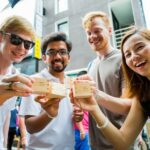
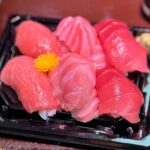
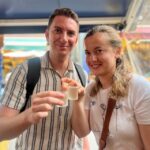
What to bring (and what to skip)
Bring comfortable shoes. You’ll be moving around enough that sore feet can ruin the fun faster than bad weather.
Also plan around rules: smoking isn’t allowed, and you’ll follow guide instructions on photography inside the market area.
Toyosu Fish Market: the big one, with rules you’ll actually feel
Toyosu is the main event for a reason. You’ll spend about 45 minutes there, and you’ll see over 500 fish buyers at work. That scale does something to your brain: the market isn’t a theme park, it’s a working system built for speed, quality, and trust.
Here’s what I like most about the market visit: it gives you a real sense of how tuna ends up on plates. You’re not learning theory—you’re watching people handle product, ask questions, and make buying decisions in a place that runs like a machine.
Photography and other limitations
You should assume photography is prohibited inside the Toyosu Market. Still, one review notes that you may be able to pause at a vendor to ask questions and take pictures when permitted. So I’d go in with a flexible mindset: enjoy the sights with your eyes first, and follow your guide’s lead if photos are allowed in specific moments.
If you hate restrictions, this stop might feel a bit strict. If you enjoy experiencing how the real world works, you’ll get a lot out of it.
Tsukiji Outside Market: shopping time that feels human
Next you move on by bus/coach for about 15 minutes to Tsukiji Outer Market, and you’ll have roughly an hour there. This is the part that balances out Toyosu. Toyosu is serious work. Tsukiji Outside Market is where that food culture becomes snackable and browseable.
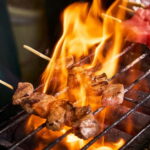
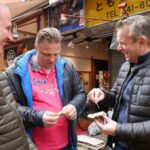
You’ll get shopping and sightseeing time, which is a nice break if the market stop has you on sensory overload. Use the hour to wander, look closely at food displays, and pick up small items you can carry or eat later.
You can also read our reviews of more tours and experiences in Tokyo
How to make the most of your Tsukiji hour
Go in with a plan that’s light, not rigid. Pick one lane: snacks, seaweed/dry goods, or small gifts. With just an hour, you’ll lose time if you try to do everything.
Also, keep an eye on what you’ll be eating later. You’re heading toward a tuna lunch you’ll help create, so I’d avoid loading up too hard on big bites at Tsukiji.
The ride to Azabu-Jūban: from market energy to chef focus
After Tsukiji Outer Market, you’ll take public transport for about 30 minutes. This travel bit might not sound like “the experience,” but it helps reset you. In practice, it turns the day from hectic market motion into a calmer, focused class setting.
You’ll arrive in the Azabu-Jūban area for a 1.5-hour session. This is where the tour shifts from watching to doing, and it’s also where the education becomes personal.
The sushi class in Azabu-Jūban: where the tuna cutting steals the show
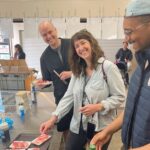
This is the stop you’ll remember. You’ll work with a sushi chef on the tuna you purchased, including a lecture about how it fits into sushi craft. You’ll also get to see the process of cutting a block of tuna into individual portions.
That portioning detail is a big deal. The tour emphasizes that this is a special job, one that even many young sushi chefs aren’t allowed to do. You can feel why: clean cutting affects texture, portion size, and how the fish performs in nigiri.
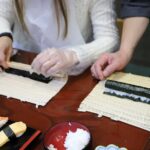
Hands-on sushi making (and why you’ll appreciate it more later)
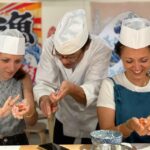
You’ll have a chance to try your hand at making sushi. The fun part isn’t just the making—it’s the moment you realize how many small choices go into something you normally buy quickly.
Even if you don’t become the next tuna-cutting wizard, you’ll walk away with an appreciation for technique and timing. And because your lunch uses the same tuna from the market, the lesson sticks. It turns into real food memory, not just a cool story.
Guides can change the vibe, and this tour clearly has strong ones
The tour includes an English guide. In past runs, guides like Amy and Risako have been mentioned for being organized, friendly, and focused on market facts plus fun moments. That matters because sushi making can feel intimidating if the teaching is vague. When the guide explains what you’re seeing and why, the whole day clicks.
Your lunch: tuna you bought, eaten in multiple ways
Lunch is included, and it’s built around the tuna you purchased at Toyosu. You’ll eat tuna you cut yourself in a variety of ways, with sushi and a tuna lunch included.
This is one of the best parts of the tour because it links the stops. Toyosu shows you the raw material in a working environment. Tsukiji offers the broader food culture. Then the class turns it into a skill you understand, and finally you eat what you made.
If you like food tours that end with you actually learning something edible, this one is doing it right.
Price and value: is $309 for 4 hours worth it?
At $309 per person for about 4 hours, you’re not paying for a long city stroll. You’re paying for access, instruction, and included food—especially the chef-led portioning and sushi making.
Here’s how I’d judge value:
- You get rare Toyosu market access that most visitors can’t get on their own.
- Chef time is built in, including a tuna cutting demonstration and lecture.
- Lunch is included, based on the tuna from the market and connected directly to the class.
The main cost you’ll still manage is transportation, since it’s not included. Your personal expenses at Tsukiji will also add up if you start collecting snacks like souvenirs.
So the question isn’t just whether it’s expensive. It’s whether you want the kind of food experience where the market-to-plate chain is explained and then put into your hands. If yes, the pricing makes more sense.
Logistics and “who should go” considerations
This tour works best for adults and older kids who can handle a market setting and a hands-on class.
It’s not suitable for:
- Children under 6
- Pregnant women
- Wheelchair users
You’ll also be on your feet more than you might expect for a “4-hour tour,” since it includes multiple transit legs and walking through market areas.
A quick note on allergies: the tour asks you to let the operator know in advance if you have allergies or foods you can’t eat. That’s worth taking seriously, because sushi and tuna preparation need clear communication.
Should you book the Toyosu tuna cutting and sushi tour?
If you love fish, sushi, or Tokyo food culture with real structure, I’d book this. The strongest reason is the combination: Toyosu access plus tuna cutting you can see up close plus a chef-led sushi making session where you eat your own work. That is exactly the kind of experience that feels different from another “walk and snack” Tokyo tour.
Skip it only if you strongly dislike rules (like no photography inside Toyosu) or if you know you can’t handle the physical side of a market day. Otherwise, this is a high-satisfaction pick for people who want Tokyo food at the source, not just on the menu.
FAQ
How long is the Tokyo Toyosu Market tour?
The tour lasts 4 hours.
How much does it cost?
The price is $309 per person.
Is lunch included?
Yes. Sushi and tuna lunch are included, along with the sushi and tuna you bought and worked with.
Is this a small group tour?
Yes. It’s limited to a small group of up to 6 participants.
Where is the meeting point?
Meet at the front of gate SHIJOMAE station.
Is photography allowed at Toyosu Market?
Photography is prohibited inside the Toyosu Market.
What should I wear or bring?
Wear comfortable shoes since the day involves walking.
Who is this tour not suitable for?
It is not suitable for children under 6, pregnant women, and wheelchair users.