REVIEW · TOKYO
Tokyo to Kyoto 1-Full Day Private Guided Tour
Book on Viator →Operated by Ahmed Abu Tayeh · Bookable on Viator
One day is never enough for Kyoto. Still, this private Tokyo-to-Kyoto day trip makes it possible by handing you a tight plan plus a guide just for your group, with a mobile ticket to keep things smooth.
What I like most is the no-stress structure (you don’t have to plan each turn, temple, or snack stop), and the best-of Kyoto mix: bamboo, golden temple, market streets, old neighborhoods, and the torii gates of Fushimi Inari. The one consideration is the extra money and timing around getting from Tokyo and covering local transportation and some admissions.
In This Review
- Key points to know before you go
- Kyoto From Tokyo, Packed Into One Guided Day
- The 9-Hour Reality Check: How You’ll Feel by Evening
- Bamboo Forest Street, Nonomiya Shrine, and Tenryu-ji Garden: A Calm Start
- Kinkaku-ji Golden Pavilion: The Iconic Temple Stop
- Nishiki Market (Kyoto’s Kitchen) and Pontocho Alley: Food and Atmosphere
- Gion: Historic Streets and Geisha-Area Charm
- Fushimi Inari-taisha: Thousands of Torii Gates on a Walk You’ll Remember
- Price and Logistics: Where the Real Costs Hide
- What the tour price covers
- What you should expect to pay extra
- Is it worth it?
- Guide Quality: What Makes the Day Feel Effortless
- Who Should Book This Tokyo-to-Kyoto Private Day Trip
- Should You Book It?
- FAQ
- How long is the Tokyo to Kyoto private guided tour?
- Is this tour truly private?
- What’s included in the price?
- Are the bullet train tickets included?
- Do I need cash for local transportation?
- Is lunch included?
- Can I cancel for a full refund?
Key points to know before you go
- Private just for your group: up to 10 people, so your guide can move at your pace instead of herding anyone.
- Bamboo Forest + Tenryu-ji area: you start with a classic Kyoto nature-culture pairing.
- Golden Pavilion stop included on your route: Kinkaku-ji is a highlight, but admission may be on your tab.
- Nishiki Market + Pontocho: you get both the shopping/food energy and a Kyoto-night feel.
- Gion + Fushimi Inari: you’ll see geisha-area streets and then a torii-gate walk that’s visually unforgettable.
- Read the fine print on costs: transport and some ticketed sites aren’t always included, even when the schedule is.
Kyoto From Tokyo, Packed Into One Guided Day
If your Kyoto plans are limited—maybe one night, maybe you’re rushing between cities—this kind of day trip is a smart fix. You swap Tokyo sightseeing for Kyoto and let someone else do the heavy lifting: route planning, timing between stops, and making sure you’re at the right place for the right moment.
That’s the real value here. Kyoto is big on small details. When you’re short on time, you either spend the day figuring things out, or you spend the day actually seeing things. This tour is built for the second option.
The schedule also has a nice rhythm. You don’t only do temples. You get market streets and historic neighborhoods too—because Kyoto isn’t just buildings. It’s food, alleys, and walking culture.
You can also read our reviews of more guided tours in Tokyo
The 9-Hour Reality Check: How You’ll Feel by Evening
The tour runs about 9 hours, which means you’ll be on the move and making decisions fast. Kyoto rewards slow wandering, but one-day travelers need a “greatest hits” approach. The plan focuses on major landmarks, with stops that are either short on time or easy to experience without dragging.
I’d mentally prepare for a day that looks like:
- Morning: Shinkansen and arrival into Kyoto
- Late morning through afternoon: temples and market streets
- Evening lead-in: Gion and Pontocho area atmosphere, then Fushimi Inari
Also, plan your return train thoughtfully. The Shinkansen round trip is not included, so you’ll choose tickets yourself. You’ll want a departure time that won’t feel stressful. Some guides do a strong job keeping you on pace, but you don’t want to build your day around a “barely miss it” train.
Bamboo Forest Street, Nonomiya Shrine, and Tenryu-ji Garden: A Calm Start
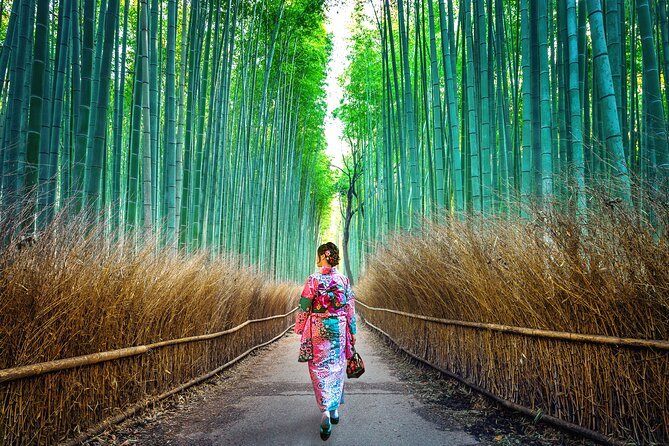
Your day kicks off with one of Kyoto’s most recognizable nature scenes: the Bamboo Forest Street. It’s the kind of spot where even people who don’t usually care about gardens stop and look up—because the scale is instant.
Just as important, this stop isn’t only about bamboo stalks for photos. You also visit related cultural highlights in the same area: Nonomiya Shrine and the Tenryu-ji Temple garden. That combination helps you connect the dots between what you see (the greenery and the grounds) and what it means (Kyoto’s tradition of mixing spirituality, aesthetics, and everyday space).
Good news for your budget: this part is listed as free for admission.
My practical advice: arrive with comfortable shoes. Even when the walk isn’t long, bamboo areas can be uneven and crowded. Take your time for one or two key photo angles, then move on before you lose the day’s momentum.
Kinkaku-ji Golden Pavilion: The Iconic Temple Stop
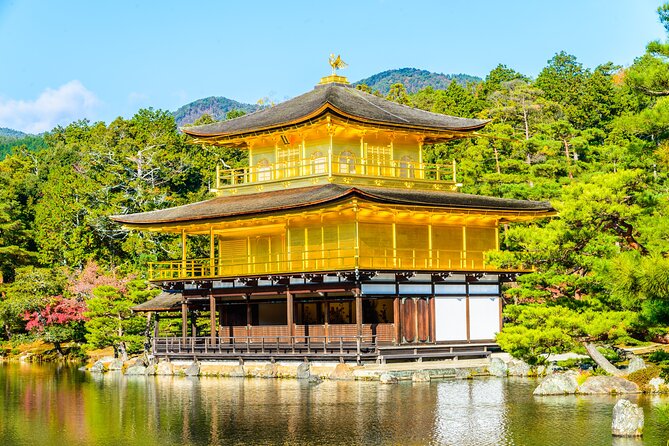
Next comes Kinkaku-ji Temple, the Golden Pavilion. This is the Kyoto stop most people have already seen online—and for a reason. The main draw is the contrast: the golden structure against a pond setting and manicured surroundings.
The tour gives you time to stroll the gardens and take in the views. That’s the right move, because Kinkaku-ji isn’t just one building. It’s reflections, sightlines, and the way the complex frames the water and greenery.
Here’s the key cost note: admission for Kinkaku-ji is not included in the stop details provided. So even if you like the structure of the day, you still need to budget for ticketed entrances on the day.
Nishiki Market (Kyoto’s Kitchen) and Pontocho Alley: Food and Atmosphere
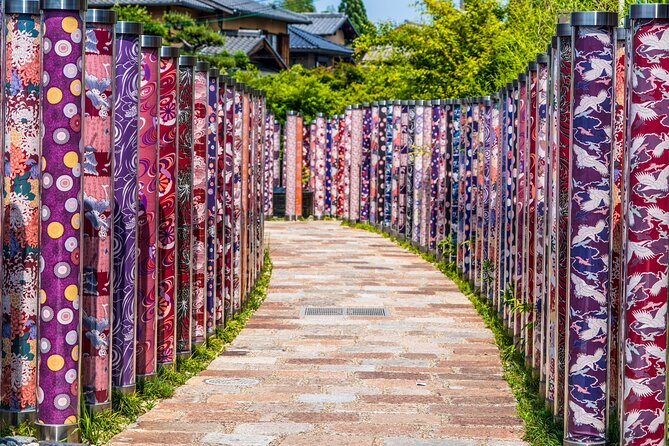
If you want a Kyoto day to feel like Kyoto—not just a list of temples—this is the section that delivers.
You’ll head to Nishiki Market, often called Kyoto’s kitchen. The plan notes it as a multi-block shopping area with over a hundred stalls and shops. This is where you get quick bites, unusual snacks, and that “I can taste Kyoto” feeling. You also get time for shopping without the pressure of a massive group crowding you.
After that, you’ll move to Pontocho Alley, a narrow street parallel to the Kamogawa River. This is where Kyoto’s nightlife vibe shows up in a more local, atmospheric way—traditional wooden buildings, tight lanes, and a slower mood than a train station line.
Admission for both these stops is listed as free, which is always a win for a one-day trip where every minute and yen matters.
Practical tip: eat lightly in Nishiki so you don’t feel stuffed before walking. If you’re the type who likes a proper meal, use the market for snacks and save lunch-dinner decisions for later in the day.
You can also read our reviews of more private tours in Tokyo


Gion: Historic Streets and Geisha-Area Charm
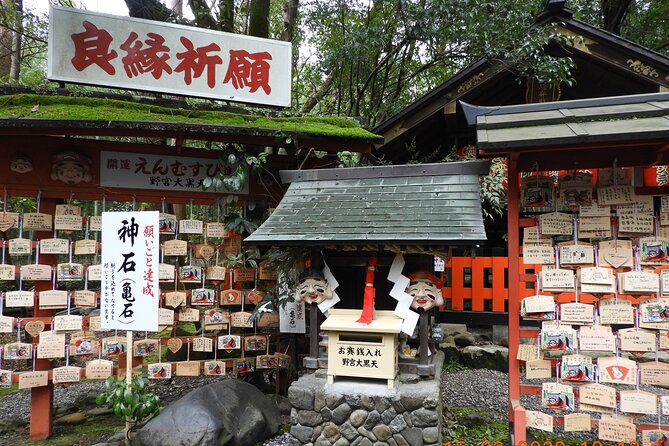
Then it’s Gion, Kyoto’s well-known geisha district. The guide’s value matters a lot here, because Gion rewards observation: you’re looking at architecture (machiya townhouses), old streets, and the overall atmosphere.
The plan suggests time to stroll narrow lanes lined with traditional houses and teahouse-style architecture. Even if you don’t spend the whole hour hunting for specific details, it’s an area where the “just walking” part is the point.
Cost note: the stop details list Gion admission as not included. In practice, Gion is mostly street wandering, but you should still be ready for any ticketed elements you might be offered along the way.
Fushimi Inari-taisha: Thousands of Torii Gates on a Walk You’ll Remember
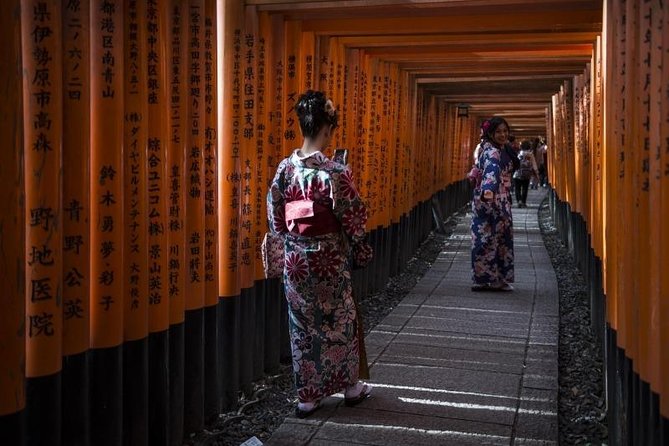
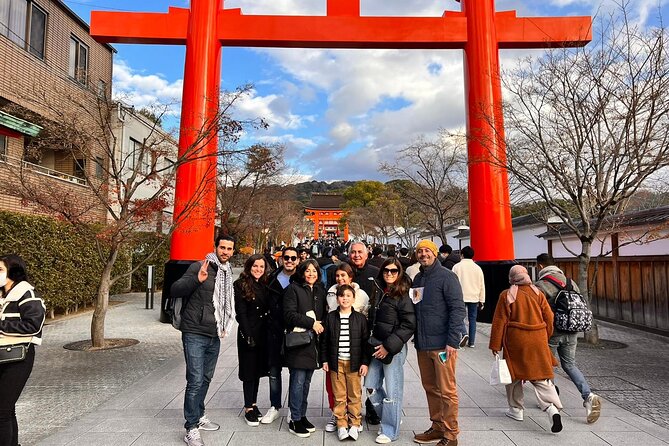
You’ll finish with Fushimi Inari-taisha Shrine, famous for its countless red torii gates. This stop is different from the golden temple. Instead of “look, take in, move on,” it’s “walk a path and watch the scenery keep changing.”
The plan gives about an hour here, which is enough to get the main torii corridor feel without turning it into an all-day hike. The trick is picking how far up you go. If you go too far, you can run out of time for the bigger picture of your day.
Admission for this stop is listed as not included, so budget for that.
Practical tip: go at a steady pace, and plan for photo waiting time. Torii gates are popular from multiple angles, and you’ll naturally want a few shots at different elevations.
Price and Logistics: Where the Real Costs Hide
Here’s the part that can make or break your experience: the headline price doesn’t tell the whole story.
What the tour price covers
You’re paying for private guiding services and tour management, and the operator organizes transportation (but the transportation cost itself is not included). You also get entrance fee listed under included items, but the stop-by-stop notes flag at least one major site (like Kinkaku-ji) as not included. That mismatch is worth checking directly before your day starts.
What you should expect to pay extra
- Shinkansen (Tokyo ↔ Kyoto): not included. The plan lists this as around ¥28,000 per person depending on ticket choice.
- Local transportation in cash: the plan states transportation (cash) is ¥100,000 for up to 5 travelers; for more than 5, it says to let them know and references ¥100,000 per booking. Either way, assume cash is part of the day.
- Lunch: not included.
- Tokyo pickup guide cost: if you want a Tokyo station pickup, there’s an extra ¥60,000 cash cost for the guide.
Is it worth it?
If you’re traveling with a small group and you hate planning, it often feels worth it because you buy time and convenience. A one-day Kyoto trip is expensive by default. Kyoto is far from Tokyo, and travel time is the hidden cost.
Where it can feel rough is when you realize:
- You’re also paying for the train
- You’re also paying cash for local transport
- Some big-ticket entrances may be extra
So I’d book this only if you’re comfortable with that reality. If you want Kyoto on a budget, you’ll probably do better with public transit and a regular guided walking tour once you’re in the city.
Guide Quality: What Makes the Day Feel Effortless
The experience lives or dies by the guide’s ability to keep you moving without making you feel rushed.
The operator/provider is Ahmed Abu Tayeh, and the guides you may encounter in this style of tour include people like Ahmed, Midori, Yukari, Mini, and Yuka. The common thread in the approach is practical help and story-telling that connects the places you’re seeing.
You’ll also notice guides doing small “day saver” tasks:
- Helping with train timing choices
- Meeting you at the station and getting you through transfer stress
- Being mindful about pacing (including slower moments)
- Taking photos and sharing them later for the people who don’t want to manage a camera all day
Even if your guide isn’t the most talkative type, you want someone who understands Kyoto’s flow. That’s what keeps a one-day plan from turning into stop-and-start chaos.
Who Should Book This Tokyo-to-Kyoto Private Day Trip
This is a good fit for you if:
- You’re on a short schedule and want Kyoto’s top sights in one day
- You prefer a private guide over DIY navigation
- You travel with family or friends and want a plan that’s paced for your group
- You don’t mind budgeting for trains and local transport
You might want to skip or rethink it if:
- You only want to pay the base tour price and nothing else
- You’d rather spend a full day in Kyoto walking at your own tempo
- You dislike being on a strict timeline
This kind of day trip can be intense in the best way. It’s Kyoto, compressed.
Should You Book It?
I’d book this if you’re truly coming to Kyoto for the highlights and you want your day to run like a well-organized play, not a guessing game. The private format and guide-led pacing are the main reasons this works from Tokyo.
Before you confirm, do yourself a favor: verify in writing what’s covered for admissions (since the plan says entrance fees are included, but specific stops like Kinkaku-ji show not included). Also, decide whether you’re comfortable with the cash portion for local transport and timing around your Shinkansen.
If that all sounds fine, this is one of the most practical ways to experience Kyoto without losing a day to planning.
FAQ
How long is the Tokyo to Kyoto private guided tour?
The tour is listed at about 9 hours.
Is this tour truly private?
Yes. It’s described as private, meaning only your group participates.
What’s included in the price?
Guiding services and tour management are included, along with tour transportation arrangement, plus an item labeled entrance fee. A mobile ticket is provided.
Are the bullet train tickets included?
No. Bullet train tickets from Tokyo to Kyoto and back are not included, and the plan notes the cost depends on the ticket you choose.
Do I need cash for local transportation?
The plan lists transportation (cash) as an extra cost: up to 5 travelers are listed at ¥100,000, with a note to confirm the amount for larger groups.
Is lunch included?
No. Lunch is not included.
Can I cancel for a full refund?
Yes. You can cancel up to 24 hours in advance for a full refund. The tour can also be canceled due to poor weather, with a different date or a full refund offered.
![[NEW]JPN CULTURE - Buy@Toyosu Market SUSHI Making +TEA +Maid Cafe - Tsukiji Area Walk: Context, Small Tastings, and Getting Your Bearings](https://e.thetokyoexplorer.com/wp-content/uploads/newjpn-culture-buytoyosu-market-sushi-making-tea-maid-cafe-400x266.jpg)