REVIEW · TOKYO
Tokyo: Sushi and Ramen Cooking Class with Sake Pairing Set
Book on GetYourGuide →Operated by Sushi Making Japan | Cooking Class in Japan · Bookable on GetYourGuide
Tokyo has a way of getting you hungry fast. This hands-on sushi and ramen cooking class in Tsukishima gives you practical skills, plus the stories behind how these dishes became Tokyo staples.
I especially like the mix of ramen-making from scratch (broth plus melt-in-your-mouth chashu) and the hands-on push to form real nigiri sushi by yourself. One drawback to plan for: it is not suitable for vegans or vegetarians.
In This Review
- Key things you’ll notice right away
- Tsukishima meeting point and the “friendly kitchen” vibe
- What you actually cook in a 3-hour Tokyo session
- Ramen soup and chashu: the skills that change everything
- Nigiri sushi: learning the “hands” side, not the performance side
- Sake pairing set: three tastings, guided and intentional
- The instructors: warm energy with real teaching control
- Ingredient quality and sourcing: where the flavor comes from
- What you take home: recipes you can actually use
- Food as culture: why the history lesson isn’t just fluff
- Price and value: does $129 make sense?
- Who this class is best for (and who should skip it)
- Quick logistics you should plan for
- Should you book this Tokyo sushi and ramen class?
- FAQ
- FAQ
- What’s the duration of the Tokyo sushi and ramen cooking class?
- How many people are in the group?
- Where do I meet the group?
- Is the class taught in English?
- What’s included in the price?
- Is hotel pickup and drop-off included?
- Is the class suitable for vegans or vegetarians?
- Do you get a recipe booklet and a souvenir?
- Is there a cancellation option?
Key things you’ll notice right away
- Small group, real attention: about 8 participants max, so you’re not watching from the sidelines.
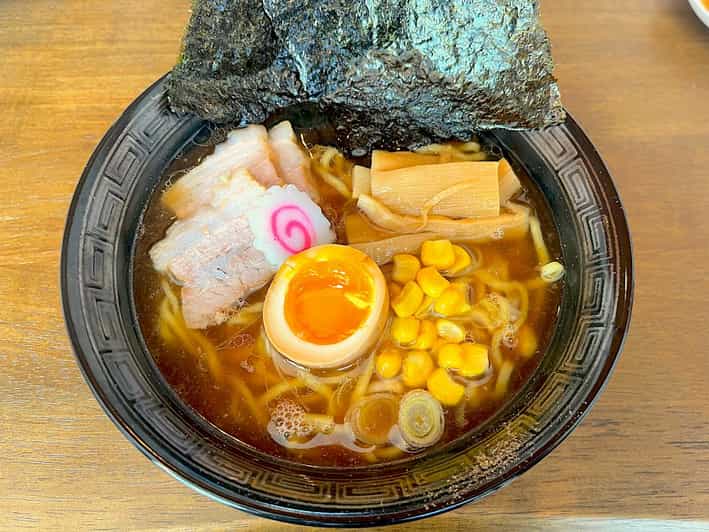
- Ramen broth + chashu practice: you learn the core build of ramen soup, not just assembly.
- Nigiri technique, not just rolling: you hand-form nigiri with provided tools and ingredients.
- Sake pairing with a certified sommelier: you get three premium sake tastings matched to the meal.
- Toyosu-market quality ingredients: multiple participants point to fresh, high-quality sourcing.
- Take-home materials: a recipe booklet plus a pair of souvenir chopsticks.
Tsukishima meeting point and the “friendly kitchen” vibe
The class starts at HAUS Tsukishima, 2nd floor, at 2-13-5 Tsukuda in Chuo-ku. It’s a 5-minute walk from Exit 4 of Tsukishima Station, which makes it easy to fit into a day that already includes Ginza or Tokyo Station.
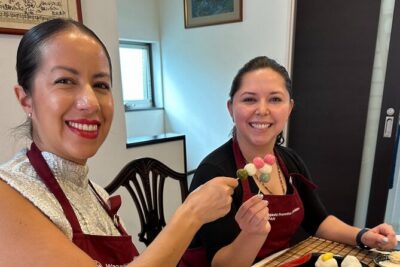
Once you’re inside, the tone matters: this is described as welcoming, relaxed, and interactive. Many reviews praise how the instructors keep it fun while still teaching step-by-step, especially for first-timers. It’s the kind of setup where you can ask questions without feeling like you’re holding everyone up.
You can also read our reviews of more food & drink experiences in Tokyo



What you actually cook in a 3-hour Tokyo session
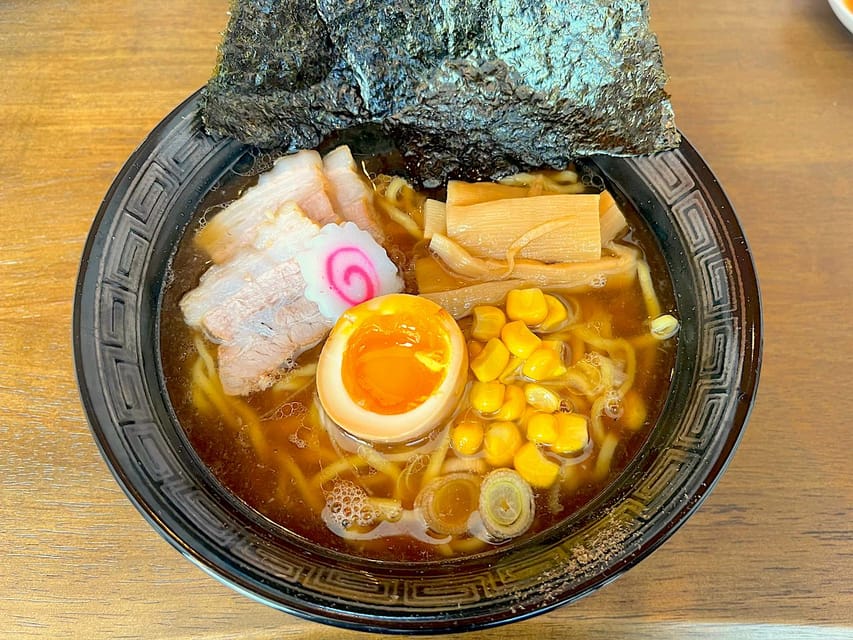
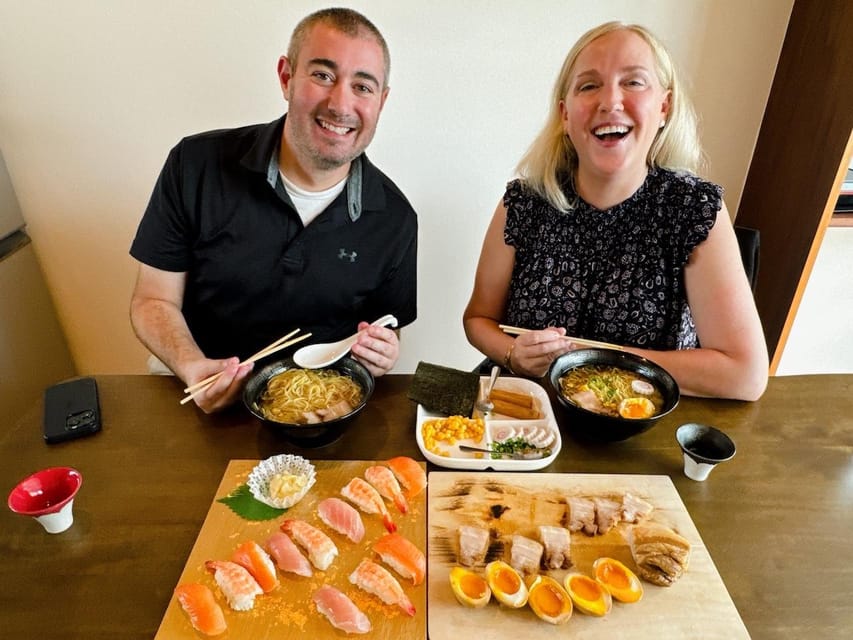
This is a 3-hour class that pairs two iconic Tokyo flavors in one sitting: ramen and sushi. The basic promise is straightforward: you’ll make ramen soup and chashu pork, and you’ll form nigiri sushi using provided ingredients and tools.
Timing-wise, the flow usually works like this: you get guidance, then you cook with your hands, then you sit down to eat what you made. Reviews repeatedly mention there’s enough time to do the cooking and still enjoy the meal without feeling rushed.
Also, you get more than food. The format includes cultural insights and ingredient tips so you can recreate the results at home, even if some specialty items are harder to find overseas.
Ramen soup and chashu: the skills that change everything
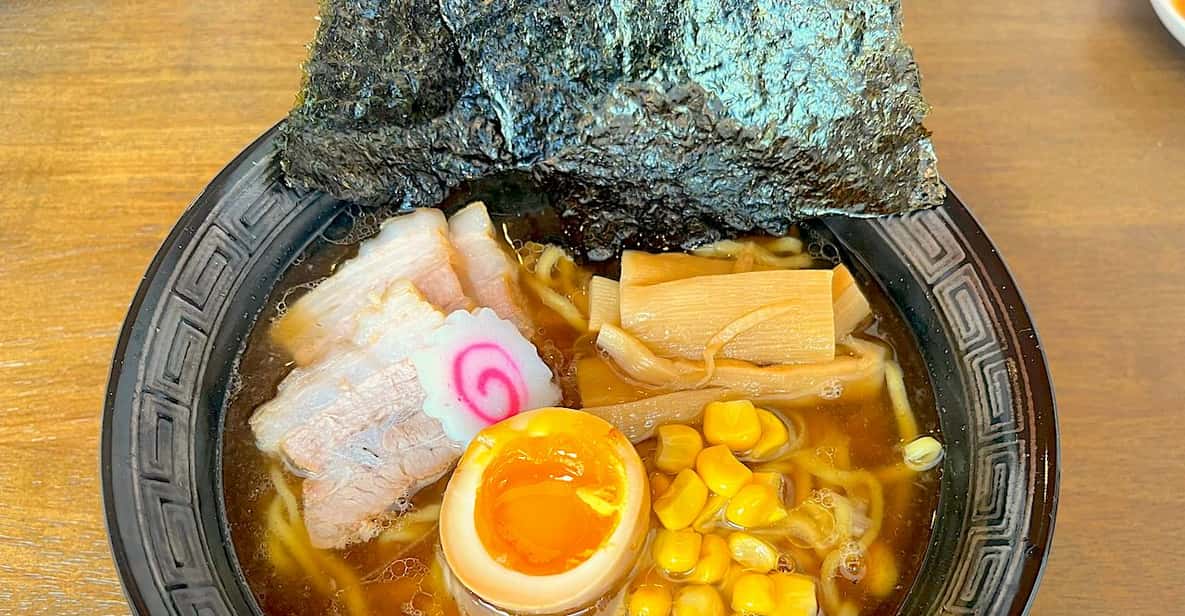
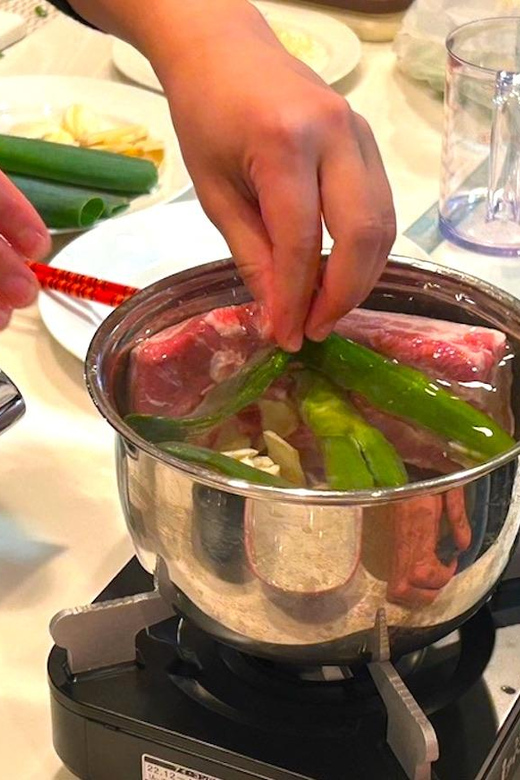
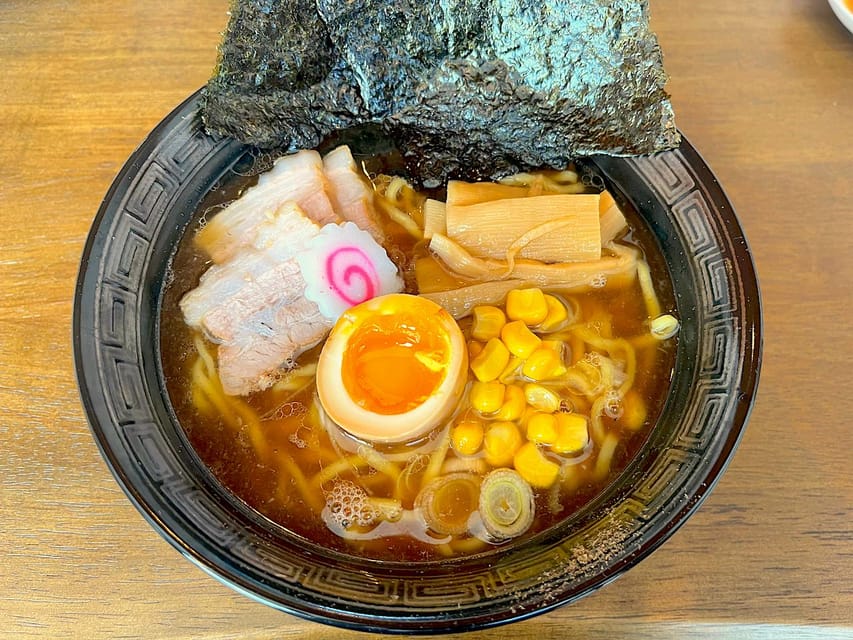
If ramen is your thing, this part is the reason the class gets strong marks. You’re taught how to create flavorful ramen broth from scratch, not just heat something up. That matters because ramen flavor is mostly about building depth: the balance of taste, aroma, and timing.
Then comes chashu, typically pork belly braised until it’s tender and sliceable. Reviews single out how guests felt the end result was melt-in-your-mouth, which usually means the class doesn’t just tell you what to do—it helps you do it correctly in the allotted time.
Practical value for you: once you understand the broth logic and how chashu should end up, you’ll have a template you can reuse. Even if you can’t match ingredients exactly, you’ll know what you’re aiming for and what to adjust.
Nigiri sushi: learning the “hands” side, not the performance side
Nigiri is deceptively hard when you only watch videos. In this class, you get hands-on practice using supplied ingredients and tools, with an English-speaking instructor guiding you through the technique.
What you’ll likely notice is that the class treats nigiri as a skill you can learn step-by-step. Reviews mention how patient instruction helped beginners succeed, and how the results are delicious enough to feel like a real meal, not a practice snack.
Also, you’re not only taught the how—you get some context about the origins of sushi and its evolution. That combination is why the class sticks in people’s minds: the food turns into knowledge, not just a one-time meal.
Sake pairing set: three tastings, guided and intentional
This experience includes three premium Japanese sake tastings selected for you, guided by a certified sake sommelier. That’s a big deal for two reasons.
First, it turns sake from a mystery into something you can name and compare. Second, it makes the meal feel like a real pairing experience, not just an add-on drink.
Some participants also mention beer being available alongside sake. The only “must know” for you is that the official promise is the three sake tastings, so you should expect a structured tasting portion that ties into what you’re eating.
You can also read our reviews of more cooking classes in Tokyo




The instructors: warm energy with real teaching control

A lot of classes claim they’re friendly. This one repeatedly gets praised for how that friendliness stays paired with clear instruction.
Multiple reviews name instructors such as Sato, Haruko, Risa, Alisa, Alex, Misa, and Luna. What these names have in common in the feedback is teaching style: patient, supportive, and focused on making you feel capable while you cook.
One detail that came up in reviews: some instructors add light games or quick checks (like a pop quiz) to get you thinking about the food and interacting with the group. That kind of small structure helps the class feel lively without turning chaotic.
Ingredient quality and sourcing: where the flavor comes from
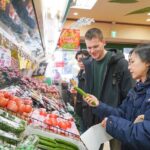
You can tell a cooking class is serious when ingredients taste good even before the “final technique.” Reviews point to fresh ingredients brought in from the Toyosu market, which is a strong sign that you’re cooking with materials that are already close to restaurant quality.
For you, that translates into two benefits:
- Your cooking effort is more likely to pay off because you’re not fighting bland ingredients.
- Your take-home recipe booklet has a chance of working, because you started with good inputs.
Even if you later substitute ingredients at home, you’ll know what the dish is supposed to taste like.
What you take home: recipes you can actually use
This class includes a comprehensive recipe booklet designed to help you recreate the dishes later. It’s not only ramen and sushi either. You’ll also find guidance related to gyoza and ingredient tips for overseas home cooking.
That booklet matters because ramen and sushi are both ingredient-sensitive. If you’ve ever tried to re-create these at home and ended up with something “almost,” you know the frustration. A structured guide cuts that trial-and-error time.
Plus, you get souvenir chopsticks, a small keepsake that also reminds you to practice the shapes and textures you made here—because using your own chopsticks at home makes the whole experience feel closer to real life.
Food as culture: why the history lesson isn’t just fluff
This class includes cultural insights and ingredient tips, including the history behind sushi and ramen. You get context on how these foods developed and why certain methods exist.
Why it helps you in practical terms: sushi isn’t only fish and rice; it’s technique and balance. Ramen isn’t only noodles and broth; it’s about how the broth is built and how the meat is treated.
So even if you never become a ramen specialist, you’ll leave with the ability to make better choices—what to prioritize, what to skip, and what to replace without ruining the dish.
Price and value: does $129 make sense?
At $129 per person for a 3-hour small-group class, you’re paying for three things at once: labor (instruction), ingredients, and the sake tasting experience.
Here’s why it can feel like good value:
- You get hands-on coaching rather than a lecture.
- You cook both ramen and nigiri, which is more time and setup than most single-dish classes.
- The class includes three sake tastings with a certified sommelier, plus take-home recipes and chopsticks.
If you like tasting-only experiences, this may be a steeper price. But if you want a Tokyo activity that gives you repeatable skills for your kitchen, the format is built for value.
Who this class is best for (and who should skip it)
This works well for:
- Food lovers who want practical technique, not just tasting.
- Beginners who need patience and step-by-step help (reviews stress the supportive instruction).
- People who enjoy learning through doing, especially with a small group.
It’s not suitable for vegans or vegetarians, based on the class structure and menu.
Also, if you dislike getting a little messy, keep in mind the class asks you to wear comfortable clothes you don’t mind getting dirty. Sushi rice, cutting, and ramen prep all tend to be “kitchen hands” work.
Quick logistics you should plan for
Arrive about 5 minutes early. The meeting point is on the 2nd floor of HAUS Tsukishima, and it’s easiest if you’re already oriented at Tsukishima Station Exit 4.
No hotel pickup or drop-off is included, so you’ll want to handle your own transit. The good news is the area is connected: taxi time estimates run from around 6 minutes from Tsukiji Fish Market and about 10 minutes from Tokyo Station, depending on traffic.
Should you book this Tokyo sushi and ramen class?
Book it if you want a Tokyo experience that feels both fun and useful. The strongest reasons to choose it are the hands-on skill building (ramen broth and chashu, plus nigiri formation), the small-group attention, and the guided sake pairing led by a certified sommelier. The instructors’ warmth shows up again and again in the feedback, including specific names like Sato, Haruko, Risa, Alisa, Alex, Misa, and Luna.
Skip it if you’re vegan or vegetarian, because the class isn’t positioned for that diet.
FAQ
FAQ
What’s the duration of the Tokyo sushi and ramen cooking class?
The class lasts 3 hours.
How many people are in the group?
It’s a small group limited to about 8 participants.
Where do I meet the group?
Meet at 2nd Floor, HAUS Tsukishima, 2-13-5 Tsukuda, Chuo-ku, Tokyo 104-0051, about a 5-minute walk from Exit 4 of Tsukishima Station (Y21).
Is the class taught in English?
Yes, the instructor speaks English.
What’s included in the price?
The experience includes sushi making and ramen cooking, all necessary ingredients, and an English-speaking instructor.
Is hotel pickup and drop-off included?
No, hotel pickup and drop-off are not included.
Is the class suitable for vegans or vegetarians?
No. It is not suitable for vegans or vegetarians.
Do you get a recipe booklet and a souvenir?
Yes. You receive a comprehensive recipe booklet and a pair of souvenir chopsticks.
Is there a cancellation option?
Yes. You can cancel up to 24 hours in advance for a full refund.