REVIEW · TOKYO
Tokyo: Not a show- a professional sumo practice with experts
Book on GetYourGuide →Operated by Japan Shine Tour · Bookable on GetYourGuide
Sumo gets real when you step into a stable. This tour is fascinating because you get close-up, professional training in a true sumo heya, plus a long Q&A with Shinya-san, a specialist who covers sumo for a national newspaper. The one catch: you sit on the floor for a while, and it can get uncomfortable if you’re not used to it.
I like that the whole experience is built around Ryogoku, Tokyo’s Town of Sumo, not a scripted stage show. You also get short guided looks at major sumo-related spots (Kokugikan and Edo Noren), then a bit of time to wander and shop on your own.
In This Review
- Key Things I’d Not Skip
- Ryogoku: Tokyo’s Sumo Neighborhood and the Bonus of Being Local
- Starting Point and How to Arrive Without Stress
- Inside Takasago-beya: What Real Morning Practice Feels Like
- Photo Time With Wrestlers: Fun Moment, Real Etiquette
- Floor Seating: The Small Comfort Issue That Actually Matters
- Guided Tours: Ryogoku Kokugikan and Ryōgoku Edo Noren
- The Q&A With Sumo Specialist Shinya-san: Why This Tour Feels Different
- Price and Value: What $103 Buys You in Tokyo
- Who This Tour Is Best For
- Practical Tips for Your Best Visit
- Should You Book This Real-Stable Sumo Practice Tour?
- FAQ
- Where is the meeting point?
- How long is the tour?
- Is the tour small group?
- Does it include photos and a Q&A?
- Is food or drink included?
- Can I cancel for a refund?
- Is it suitable for young children?
- Is smoking allowed?
Key Things I’d Not Skip
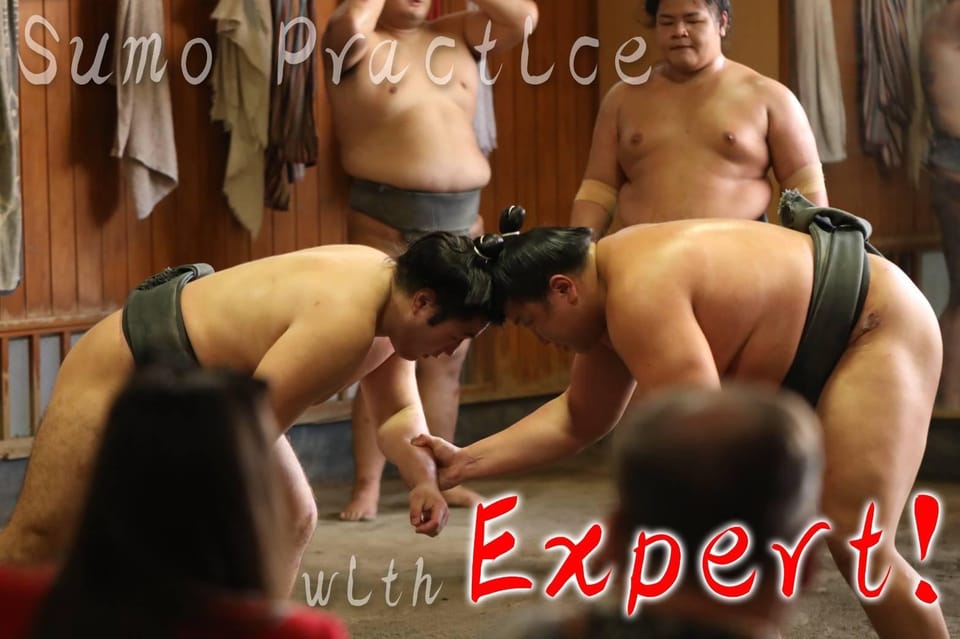
- Real heya training with the feel of morning routine, not a performance
- Photo time with sumo wrestlers plus a Q&A that lets you ask what you actually want
- Small group (up to 10 people) so you can see and hear more clearly
- Ryogoku area tour stops that connect the stable to the wider sumo world
- English-speaking guide plus a specialist with journalism experience and lots of context
Ryogoku: Tokyo’s Sumo Neighborhood and the Bonus of Being Local
Ryogoku is the easiest place in Tokyo to understand sumo as part of daily life. Instead of treating sumo like a museum item, this area puts you near the stable world and the arena world in one day.
I like how the tour keeps you moving through that ecosystem. You start with the stable visit, then you’re guided around big-name sumo landmarks in the neighborhood, and you finish near Ryogoku Station so you’re not stuck hunting transport afterward.
You can also read our reviews of more tours and experiences in Tokyo


Starting Point and How to Arrive Without Stress
Meet at 両国HANAWAビル, then you’ll walk about five minutes to the stable area. The meeting point is also easy to reach from public transit: it’s at Subway Toei Oedo Line, Ryogoku Station (E12), Exit A2 (ground level), about a five-minute walk from the east exit of JR Ryogoku Station.
You’ll be contacted by the operator with details before the tour date, so I’d plan to check your email or messages the day before. Also, give yourself a buffer if you’re walking through crosswalks and station exits in a rush—Ryogoku has plenty of routes, and it’s easy to lose two minutes.
Inside Takasago-beya: What Real Morning Practice Feels Like
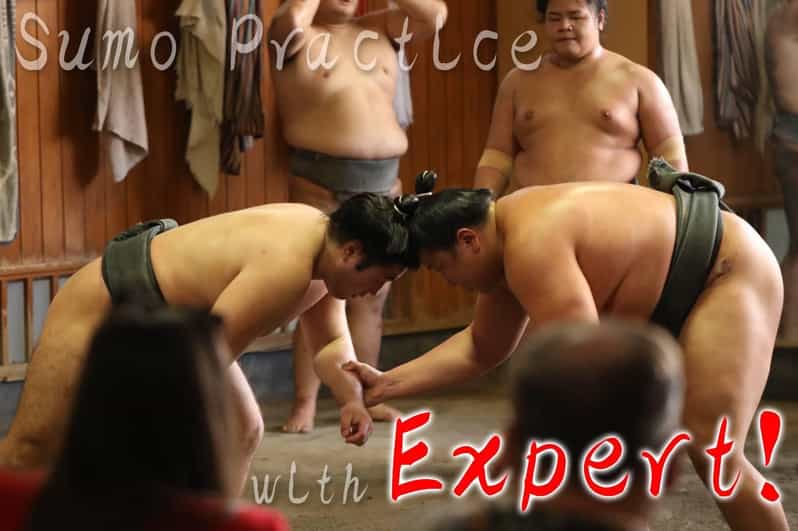
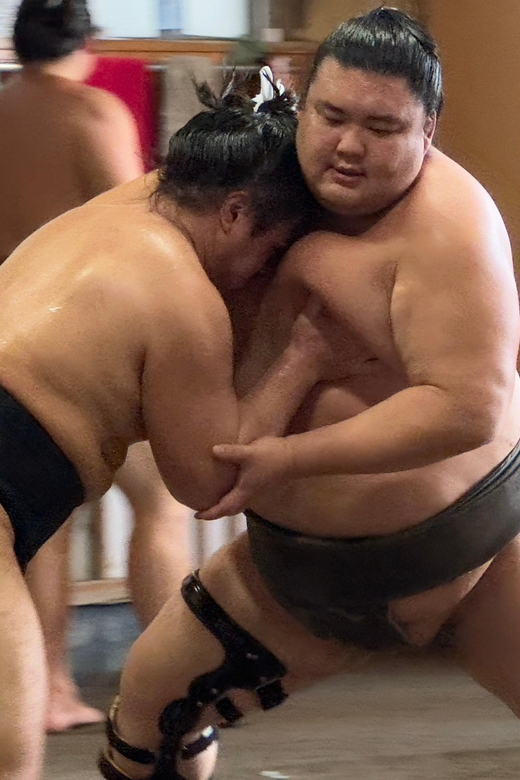
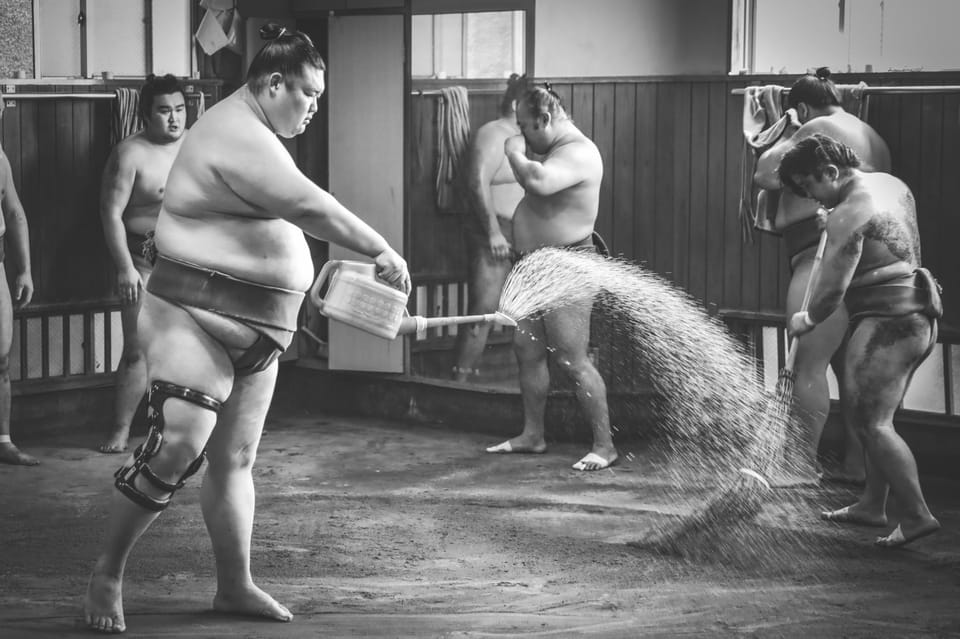
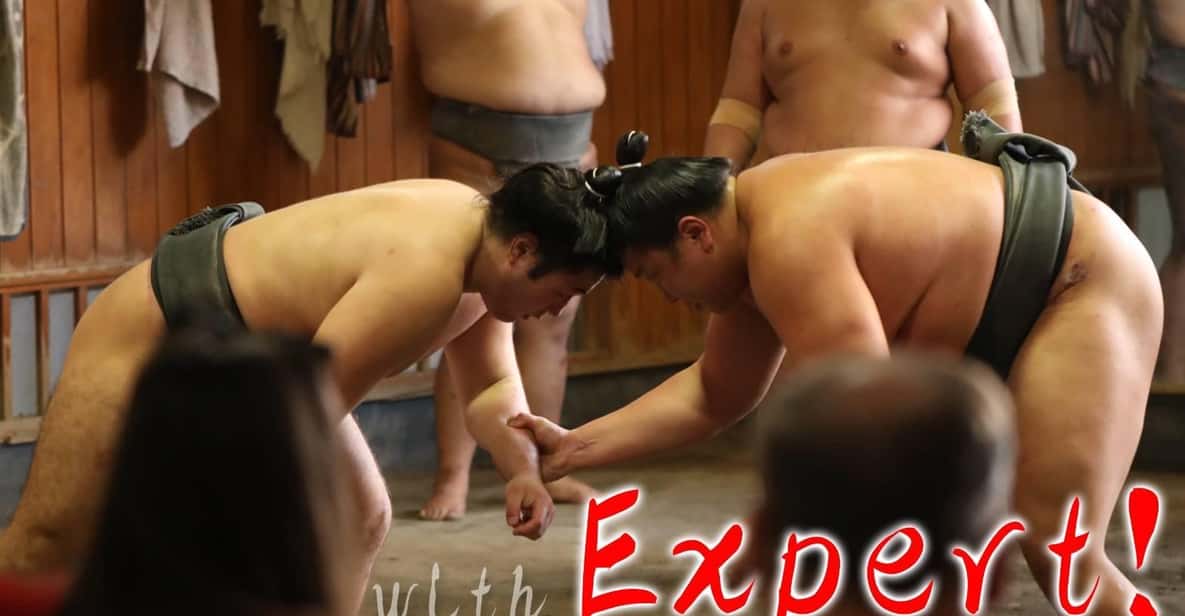
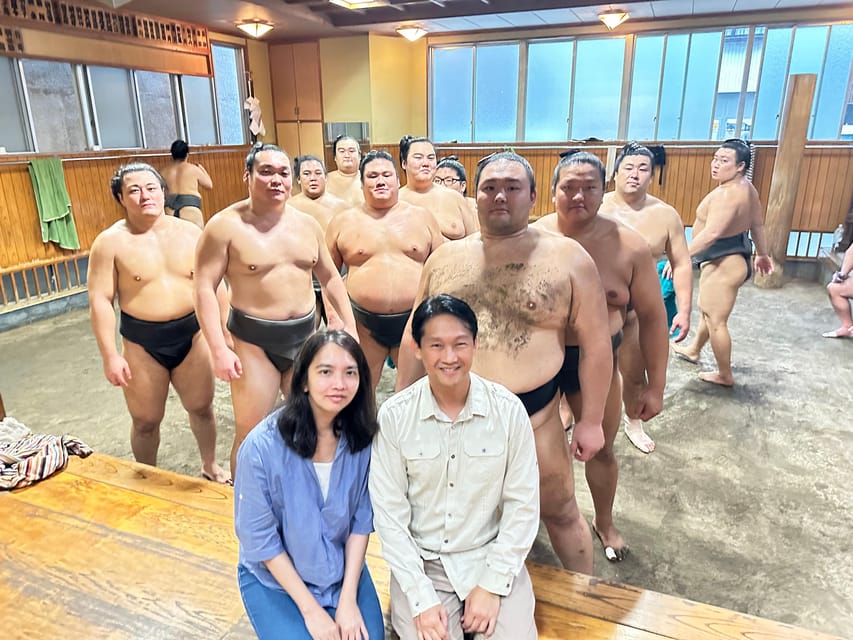
The heart of the experience is the Takasago-beya Sumo Stable visit for about two hours. Expect an English-guided explanation that sets up the rituals and the way training works before you fully watch the session.
You’ll see the training up close from floor seating. From what you should expect in terms of flow, it usually follows a rhythm: warm-up, focused training drills, and then a clear end point when practice finishes.
One of the best parts is that you’re not watching sumo athletes as a distant spectacle. It feels more like you’re observing a working morning—watching how different wrestlers move, learn, and adjust as the session goes on.
And yes, it can be intense to watch. You get a strong sense of discipline when you see seniors mentoring younger wrestlers as part of the training culture, not just running through drills.
Photo Time With Wrestlers: Fun Moment, Real Etiquette
You’ll get a photo with a sumo wrestler, which is the kind of Tokyo memory you’ll still smile about months later. This is also where good manners matter, because you’re in a real stable and the athletes are working.
A simple rule: keep it respectful and follow the guide’s directions. The tour is designed with permission from the stable, so your job is to help the atmosphere stay calm, not turn it into a selfie marathon.
Also bring your expectations down from a stage-show style photo. You’re getting a close, special moment, but it’s still part of an actual practice environment, so you may have limited time and a specific photo setup.
Floor Seating: The Small Comfort Issue That Actually Matters
Customers sit on the floor to watch sumo practice, but a floor cushion is available. Still, plan around it.
If you’re the type who gets cranky after sitting in one position, this is the one thing I’d take seriously. The training block can feel long because you’re watching continuously and staying in place.
My practical advice: wear comfortable pants you don’t mind sitting in for a while, and consider bringing something like thin socks you find supportive (no need to overthink it, but comfort helps). If you have knee or back issues, this is the one point where you should think twice.



Guided Tours: Ryogoku Kokugikan and Ryōgoku Edo Noren
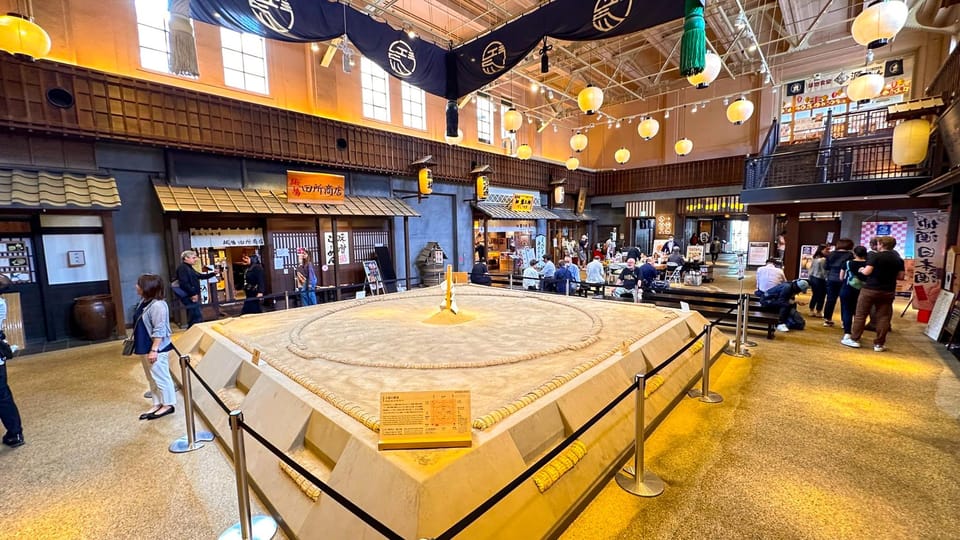
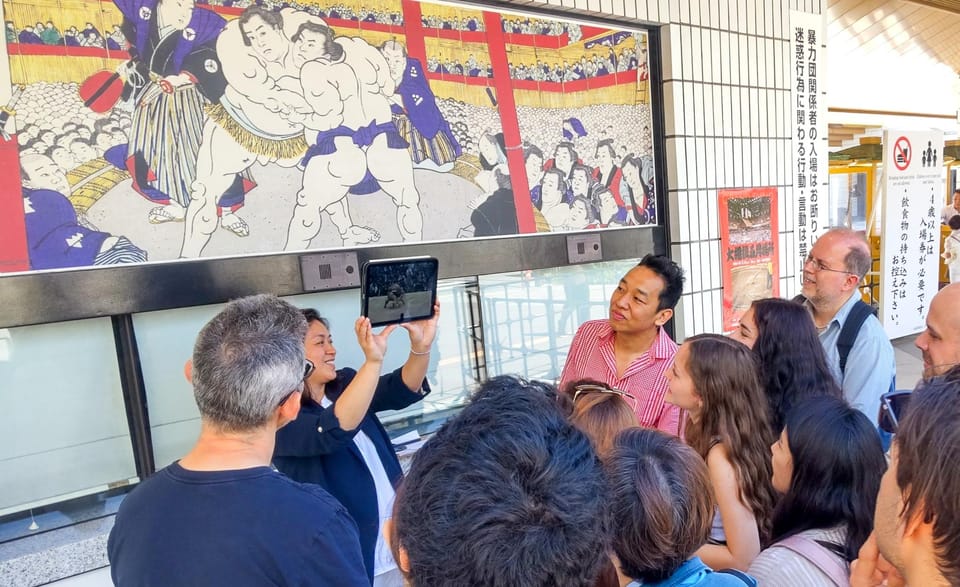
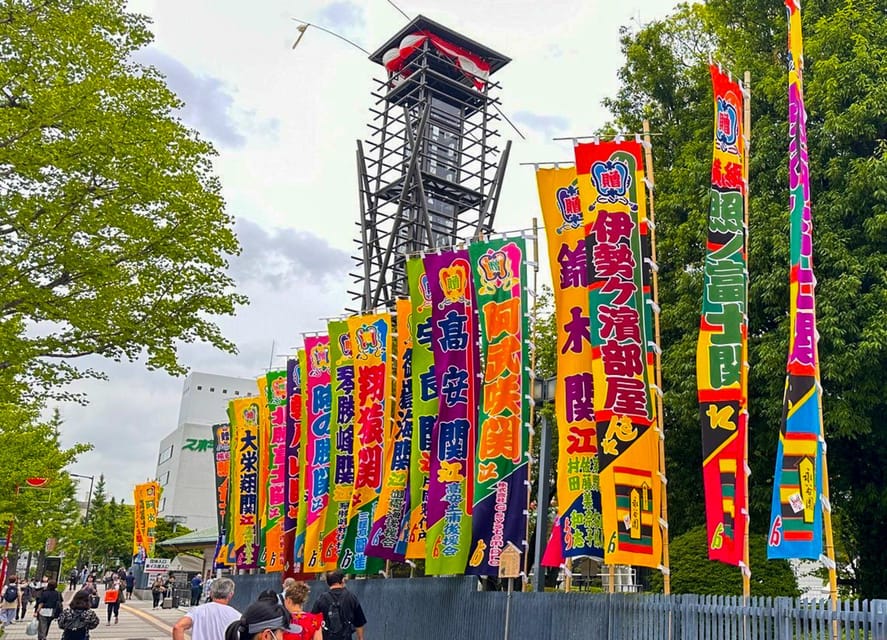
After the stable, the tour shifts gears to quick guided visits of two Ryogoku sumo-related stops, each about 15 minutes. You’ll look around Ryogoku Kokugikan, then move to Ryōgoku Edo Noren for another guided stop.
These segments are shorter than the stable time, so I treat them as context-building stops. The goal isn’t a long museum-style experience—it’s connecting what you just saw in the heya to the wider sumo world you’ll recognize on TV and in tournament coverage.
Then there’s a 30-minute block for shopping and sightseeing at Ryōgoku Edo Noren. This is where you can pick up small souvenirs and take a breath before the tour ends at Ryogoku Station.
The Q&A With Sumo Specialist Shinya-san: Why This Tour Feels Different
The Q&A is a major reason this doesn’t feel like a “fake sumo show.” Your guide is a sumo specialist and also a long-time figure in sumo media, described as a national newspaper journalist, and the tour guides you through the sport’s traditions and how the tournament scene connects to stable life.
In practice, this means you can ask more than basic questions. People who already know a bit about sumo still found that they got solid answers during Q&A—stuff they hadn’t been able to confirm elsewhere.
You’ll also hear explanations about routines, etiquette, and why certain customs exist around training. And because the guide is enthusiastic, the Q&A doesn’t feel like a scripted lecture.
One small consideration: you may not get continuous narration while you’re watching the exact training moments. The tour format can involve walking and transitions during parts of the experience, so the most detailed explanations may happen before or after the practice itself. If you care about specific rituals or belt details, jot down questions early so you can fire them off during Q&A.
Price and Value: What $103 Buys You in Tokyo
At $103 per person for about three hours, this isn’t the cheapest sumo option. But you’re paying for access and authenticity.
You’re not buying a generic performance. You’re paying for a real professional stable visit with permission, plus a specialist who can explain what you’re seeing while you’re seeing it. And the photo moment is included, not an add-on.
Small group size (up to 10) also changes the value. It helps you get closer and ask more questions without feeling rushed.
If your goal is to see sumo at the level where athletes train—then this price starts to make sense fast. If you want maximum entertainment like a theater show, you might find it slower and more observational than you expected.
Who This Tour Is Best For
This works best for:
- You want something more authentic than a staged attraction
- You love sports culture and want the traditions explained by an insider
- You’re comfortable sitting on the floor for part of the experience
- You travel with curiosity and you like asking questions
It may not work as well for:
- Kids under 5, since the tour is not suitable for children under that age
- Anyone who can’t handle floor seating for an extended viewing period
- People expecting nonstop guided commentary during every second of the practice
One more practical point: the experience includes no food and no drinks. Bring water or plan to buy something before or after on your own.
Practical Tips for Your Best Visit
Here are the things that help most once you’re actually there:
- Wear layers. Stable spaces can shift in temperature, and you’ll be sitting for the viewing portion.
- Turn off your phone and follow the guide’s instructions about quiet behavior. The environment is part of the experience.
- Come with questions. If you have things you want explained—how training works, how tournaments fit in, what certain rituals mean—save them for the Q&A portion.
- If you’re arriving early, don’t wander off. The group walk is short, but you don’t want to miss the handoff to the stable.
Also note the basic rule: smoking indoors is not allowed. Keep it simple and follow local etiquette.
Should You Book This Real-Stable Sumo Practice Tour?
If you want the sumo you can’t get from a theater-style show, I think this is a strong booking. With an average rating around 4.9 and a small-group format, the experience is clearly landing for people who care about authenticity.
I’d book it if you’re the type who enjoys seeing real work up close—watching warm-ups, training drills, and how wrestlers move through a routine. And I’d especially consider it if Q&A time matters to you, because you’re paying for access plus an expert who can answer your questions.
I’d hesitate only if floor seating will be a problem for you, or if you’re expecting a fully narrated, nonstop performance. In those cases, the experience will feel more like observation and etiquette than entertainment.
If your plan is to understand sumo beyond the highlight reels, this tour is one of the best ways to do it in Tokyo.
FAQ
Where is the meeting point?
You meet at 両国HANAWAビル. You can also use Subway Toei Oedo Line, Ryogoku Station (E12), Exit A2 (ground level) as your landmark, then walk about five minutes.
How long is the tour?
The tour runs for about 3 hours.
Is the tour small group?
Yes. It’s limited to 10 participants.
Does it include photos and a Q&A?
Yes. The experience includes a photo with a sumo wrestler and a Q&A session with a long-time sumo expert.
Is food or drink included?
No. Drink and food are not included.
Can I cancel for a refund?
Yes. You can cancel up to 24 hours in advance for a full refund.
Is it suitable for young children?
No. It is not suitable for children under 5 years.
Is smoking allowed?
Smoking indoors is not allowed.