REVIEW · TOKYO
Mt.Fuji day trip with English Speaking Chauffer
Book on Viator →Operated by BANZAI · Bookable on Viator
Mt Fuji looks different when it’s planned. This private Mt. Fuji day trip pairs an English-speaking chauffeur/guide with hands-on photo and video help, so your views turn into real keepsakes. It’s built for groups up to 5 in a climate-controlled vehicle, with bottled water ready for the long day.
You’ll hit the big-photo spots (Chureito Pagoda, Oishi Park, Lake Kawaguchiko) and also get time for more specific experiences like Oshino Hakkai’s ponds, Saiko Iyashi no Sato Nemba’s reconstructed village, and a stop at Fugaku Wind Cave. The one watch-out: Mt. Fuji 5th Station can be inaccessible depending on snow and weather, and admission there is also not included.
In This Review
- Key things I’d pay attention to
- Price and what you really get for $462.36 per group
- Getting from Tokyo to Fuji with a chauffeur (and why it matters)
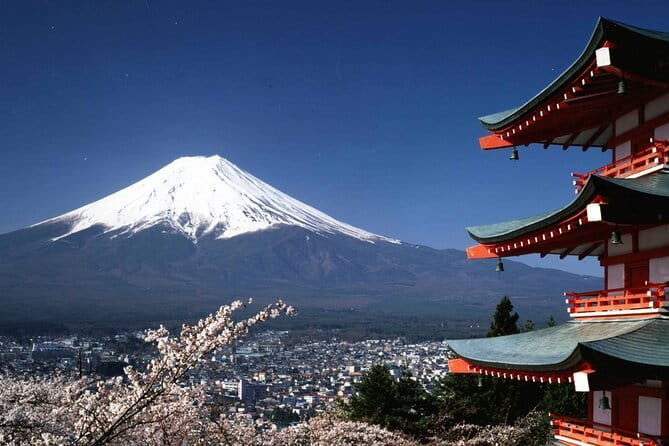
- Chureito Pagoda at Arakura Sengen Shrine: the Fuji photo you’ll understand
- Oshino Hakkai’s eight ponds: calm water, clear reflections
- Mt. Fuji 5th Station: the 2,200m viewpoint and the weather reality
- Oishi Park and Lake Kawaguchiko: flowers, water, and altitude air
- Oishi Park (about 350m of flowers and walking)
- Lake Kawaguchiko (around 45 minutes)
- Saiko Iyashi no Sato Nemba: time travel (and a quick cultural pause)
- Fugaku Wind Cave: a lava tube stop that feels different
- Kitaguchi Hongu Fuji Sengen Jinja: one shrine among 1,300 Asama shrines
- How the photo and video help actually pays off
- Costs and ticket surprises: what’s included vs. not
- Included
- Not included
- Who should book this Mt Fuji day trip (and who shouldn’t)
- Should you book this tour?
- FAQ
- How long is the Mt. Fuji day trip?
- What’s included in the price?
- Is pickup included?
- Which stops are part of the itinerary?
- Are admission tickets included?
- Does the tour always reach Mt. Fuji 5th Station?
- Can I cancel for a full refund?
Key things I’d pay attention to
- English-speaking guide + driver all day: you’re not juggling directions or missing timing.
- Photo/video assistance on the move: help framing shots and capturing your group.
- Comfort-first transport: an air-conditioned van for 8 to 10 hours.
- A Fuji itinerary with variety: shrines, ponds, lake views, a traditional village, and a lava tube.
- Some admissions cost extra: several stops are free, but Mt. Fuji 5th Station and others are not.
Price and what you really get for $462.36 per group
At $462.36 per group (up to 5 people), this is priced like a true private day, not a budget bus tour. If you fill all 5 seats, you’re effectively paying about $92 per person—still not “cheap,” but it starts to make sense once you factor in: a dedicated vehicle for the whole day, fuel/parking/tool charges, bottled water, and an in-person English guide.
I like that the value isn’t just “transport.” You’re paying for convenience plus time in the right places. A lot of Mt. Fuji outings feel like they’re racing between stops; here, you’re guided through each area with enough time to actually look, shoot photos, and move on with less stress.
You can also read our reviews of more tours and experiences in Tokyo



Getting from Tokyo to Fuji with a chauffeur (and why it matters)
The day runs about 8 to 10 hours, with pickup offered and a mobile ticket. That means you’re not planning rail connections or figuring out who gets which bus at which transfer point. For a one-day Fuji trip, that’s a big deal because the mountain region has traffic and weather swings.
You can choose between a 6-seater and 10-seater van, based on group size. Even if you book as a small group, having a dedicated vehicle can keep you from getting stuck behind slow pacing or crowded meeting points.
Chureito Pagoda at Arakura Sengen Shrine: the Fuji photo you’ll understand

Your first stop is Chureito Pagoda, part of Arakura Sengen Shrine, with about 1 hour on site. It’s a five-storied pagoda on the mountainside, overlooking Fujiyoshida City with Mount Fuji visible in the distance when conditions cooperate.
This is one of those places where photos look easy until you’re actually there. Having an English guide can help you choose the best viewpoints and time windows within the hour. If you care about getting your group shot without awkwardness, this is a good place to start—because once everyone’s posed and settled, the rest of the day feels less rushed.
Tip: wear shoes you can walk in comfortably. You’ll likely do some stairs and uneven ground around shrine viewpoints.
Oshino Hakkai’s eight ponds: calm water, clear reflections
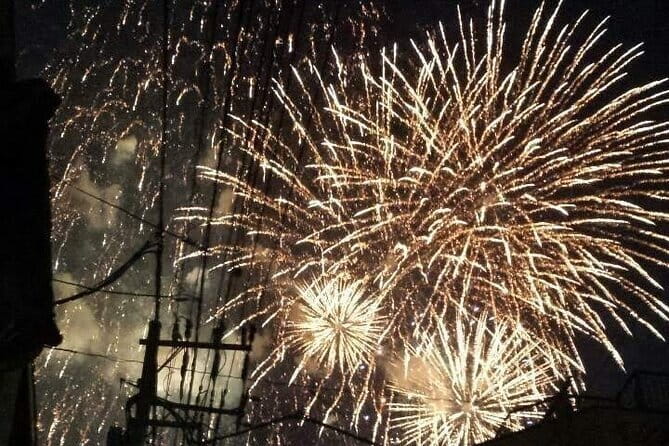
Next up: Oshino Hakkai, around 50 minutes, and admission is free. Oshino Hakkai is known for eight ponds in a small Fuji Five Lakes village area, originally tied to a former sixth lake that dried out.
What makes this stop worth your time is the setting. You’re not just passing through; you get a chance to slow down and watch water conditions, reflections, and the way the ponds sit against the surrounding terrain. If you’re into photography, the pond edges and sightlines tend to reward careful positioning.
Practical note: this stop is free, but it can still be photo-traffic heavy depending on the day. Go with a “take a few good shots, then enjoy the walk” mindset.
Mt. Fuji 5th Station: the 2,200m viewpoint and the weather reality
Then comes Mt. Fuji 5th Station, with about 2 hours. It’s the highest peak area accessible by car (listed at 2200m), and it’s popular for hikers and for people who want close-up views without committing to a full climb.
Here’s the catch—and it’s important: Mt. Fuji 5th Station may not be accessible in snow and bad weather. In other words, even on a booked day, the mountain can say no.
If it is accessible, expect to use that time for viewpoint photos and a little exploring around the station area. If it isn’t, you’ll still be in good hands with your guide’s plan, but your “top-of-Fuji” moment might get swapped.
What to do if you’re serious about the 5th Station experience: check conditions when you can, and don’t build the entire trip around one single spot being guaranteed.




Oishi Park and Lake Kawaguchiko: flowers, water, and altitude air
After the pagoda and ponds, you shift toward classic lake views.
Oishi Park (about 350m of flowers and walking)
Oishi Park is a public park on the north shore of Lake Kawaguchi. You get a view of Mount Fuji plus lake scenery, and the park includes a 350m walking path lined with flowers (depending on the season).
This stop is built for people who want “Fuji postcard” views without climbing. It’s also a nice reset after the shrine and pond walk—lighter pace, more open sightlines.
Lake Kawaguchiko (around 45 minutes)
Next, Lake Kawaguchiko gets about 45 minutes. The lake’s listed surface elevation is roughly 830 meters, which helps explain why summers can feel cooler and winters can feel icy.
The day here works best if you think of it as time for views plus a bit of optional fun. The information you’re given suggests you can do things like a ship cruise or a ropeway option, but those aren’t listed as included—so treat them as add-ons you decide on with your schedule.
If you want the best photos: aim for calm water angles and watch how the light hits Fuji through the clouds. This area can change quickly.
Saiko Iyashi no Sato Nemba: time travel (and a quick cultural pause)
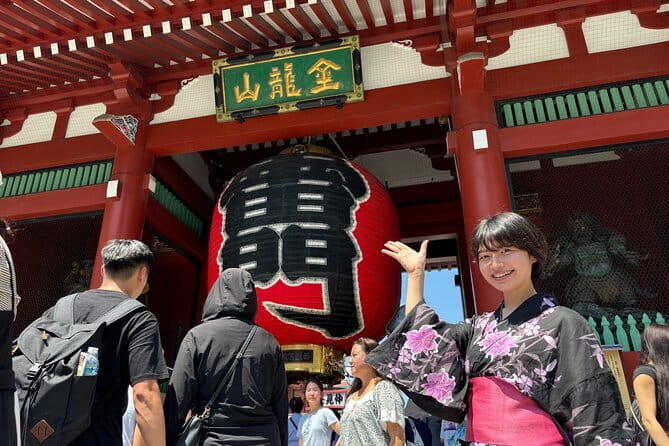
Saiko Iyashi no Sato Nemba is next, with about 30 minutes. It’s a reconstructed Japanese village where you can explore houses and you can rent traditional clothing.
This is a good palate cleanser in the middle of a day of viewpoints. It turns your trip from “where can I see Fuji” into “how did people live with Fuji in the background.” Even if you don’t rent the clothing, it’s worth walking through to see how the setting is recreated.
Admission isn’t included, so plan for an extra ticket cost if you want in.
Fugaku Wind Cave: a lava tube stop that feels different
You’ll then visit Fugaku Wind Cave (about 30 minutes). It’s described as a lava tube at the northern foot of Mount Fuji, and it’s the largest among several lava tubes found in the Aokigahara forest area.
This stop is a nice change of pace from the “look up at the mountain” theme. Caves are more about texture, air temperature, and geology. You also get a break from open-air winds, depending on the day.
Admission isn’t included here either. Still, if you like unusual natural features, this is the kind of stop that makes the day feel more than a single long loop of scenic views.
Kitaguchi Hongu Fuji Sengen Jinja: one shrine among 1,300 Asama shrines
Your last scheduled shrine stop is Kitaguchi Hongu Fuji Sengen Jinja, about 30 minutes, and it’s free. It’s one of approximately 1,300 Asama shrines that enshrine the deity of volcanoes, including Mount Fuji specifically.
This is the sort of stop that works even with limited time, because the guide can connect what you’re looking at to Fuji’s spiritual meaning. If you’re the type who likes to understand what you’re seeing (without turning the day into a lecture), shrines are often where the explanation clicks.
It’s also listed as part of the broader Mount Fuji UNESCO World Heritage area.
How the photo and video help actually pays off
One of the most praised parts of this tour is the hands-on help creating the perfect photo or video shoot. The experience includes free picture-taking or video-making assistance if you need it, and bottled water helps you stay comfortable while you wait for the right moment.
A guide named Abdul is specifically mentioned as very knowledgeable and funny, and he took photos throughout the day and provided a video compilation of the tour. Even if your guide isn’t Abdul, the approach matters: you’re not just being driven. You’re being coached for group shots, angles, and timing.
This is especially useful at places like Chureito Pagoda and Oishi Park, where one wrong angle can turn a great view into a mediocre photo. Having help means you get more keepers and less fiddling.
Costs and ticket surprises: what’s included vs. not
Here’s the practical way to think about costs.
Included
- Air-conditioned vehicle
- Private transportation
- Bottled water
- Fuel charges or parking fee and toll charges
- Free picture-taking or video-making assistance
- In-person English guide
Not included
You should expect additional admission fees for:
- Saiko Iyashi no Sato Nemba
- Mt. Fuji 5th Station
- Wind/ice caves (Fugaku Wind Cave is part of that category)
- And entry/admission for fujikawaguchiko machi (mentioned as not included)
Other stops are marked free, including Chureito Pagoda, Oshino Hakkai, and Kitaguchi Hongu Fuji Sengen Jinja.
How I’d plan your budget: treat it as a base private-tour price plus “a few tickets.” If you’re hoping to avoid all extra spending, this isn’t the format for you.
Who should book this Mt Fuji day trip (and who shouldn’t)
This tour fits you best if:
- You want a private, English-speaking guide for the full day.
- You care about getting good photos and video without awkward guesswork.
- Your group includes people who don’t want to spend the whole day commuting and navigating.
- You want a mix of classic Mt. Fuji spots and slightly more unusual stops like a lava tube cave.
You might want to skip it if:
- You’re traveling solo or in a way that makes $462 per group feel too steep.
- You’re expecting every part of the day to be guaranteed, including Mt. Fuji 5th Station. Weather can change access.
If you’re visiting during July to September, the overview notes that it’s a better time for climbing routes when trails open. For other months, expect more viewpoint-and-exploration energy than trail climbing.
Should you book this tour?
I’d book it if you want a stress-light Mt. Fuji day: a comfortable van, an English guide who helps you make sense of each stop, and real support for filming and group photos. The itinerary is structured enough to feel complete, but flexible enough to avoid the “one long waiting line” problem that can happen with public transport.
Before you book, do two reality checks:
- Think about whether Mt. Fuji 5th Station is your must-have. If yes, accept that snow/weather can close it.
- Budget for admission fees at a few stops, especially Mt. Fuji 5th Station and Saiko Iyashi no Sato Nemba.
If those points work for you, this is the kind of day trip that makes Mt Fuji feel intentional instead of chaotic.
FAQ
How long is the Mt. Fuji day trip?
The tour runs about 8 to 10 hours.
What’s included in the price?
Included features are an air-conditioned vehicle, private transportation, bottled water, fuel or parking/toll charges, and an in-person English guide. You also get free picture-taking or video-making assistance if needed.
Is pickup included?
Yes, pickup is offered.
Which stops are part of the itinerary?
The listed stops are Chureito Pagoda, Oshino Hakkai, Mt. Fuji 5th Station, Oishi Park, Saiko Iyashi no Sato Nemba, Lake Kawaguchiko, Fugaku Wind Cave, and Kitaguchi Hongu Fuji Sengen Jinja Shrine.
Are admission tickets included?
Some stops are free, but entry/admission is not included for Mt. Fuji 5th Station, Saiko Iyashi no Sato Nemba, and wind/ice caves. Fujikawaguchiko machi admission is also listed as not included.
Does the tour always reach Mt. Fuji 5th Station?
Not always. Mt. Fuji 5th Station may be inaccessible due to snow and weather conditions.
Can I cancel for a full refund?
Yes. You can cancel up to 24 hours in advance for a full refund, and the cutoff is based on the tour’s local time.