Tokyo has lines worth photographing. This hands-on workshop turns modern Tokyo into a giant photo lesson, with an expert instructor guiding you through Shiodome and Ginza and then into the dramatic interior of the Tokyo International Forum. You’ll also get insider-style suggestions for what to shoot and how to work the scene.
I love that it’s small-group and instruction-forward. With only up to six people, you get real coaching, not just a walk with a camera-themed playlist. I also like how the focus stays practical: composition, timing, and camera settings get worked into real streets and real buildings.
One thing to consider: it requires good weather, and you’ll be doing a short walking route (about 2 km total). If you’re not comfortable moving around a couple neighborhoods at street level, you may want to plan for that pace.
In This Review
- Key things I’d plan around
- A 2.5-hour Tokyo photo lesson you can actually use
- Meeting point and timing: start at Shimbashi, finish near Marunouchi
- What you’re really paying for: coaching, not just sightseeing
- Stop 1: Shiodome Siosite and the steel-and-glass morning light
- Stop 2: Ginza for architecture plus real street life
- Stop 3: Tokyo International Forum and interior photo challenges
- The guide effect: real teaching, not vague tips
- Walking route and what to expect on the ground
- Mobile ticket and what to bring
- Who this tour suits best
- Should you book this Tokyo photography workshop?
- FAQ
- How long is the Tokyo Metropolis photography workshop?
- Where do I meet, and where does the tour end?
- What neighborhoods and stops will we photograph?
- How large is the group?
- Is admission included for the stops?
- What’s included in the price, and what’s not?
- What happens if the weather is bad?
- Can I change or get a refund after booking?
Key things I’d plan around
- Six people max means you can get specific help, even if you’re brand new
- Morning-light Shiodome is a smart choice for steel-and-glass views
- Street-level Ginza practice teaches you how to include people and story, not just buildings
- Tokyo International Forum interior gives you photo challenges you can’t copy from postcards
- About 2 km walking keeps it doable while still feeling like you covered ground
A 2.5-hour Tokyo photo lesson you can actually use
Tokyo can look easy to photograph, because there’s so much to see. The trick is learning what to notice first. This workshop is built for that exact problem: you’ll move through skyscraper districts and polished streets, but the guide keeps bringing you back to composition and practical technique.
The format also matters. It lasts about 2.5 hours, and it’s not just standing around. You’re walking, shooting, and adjusting as you go—so the tips stick.
Also, you’re not locked into one view. The route gives you three different “Tokyo moods”: clean business-district angles, street-life texture, and then interior architecture inside a major landmark.
You can also read our reviews of more tours and experiences in Tokyo.



Meeting point and timing: start at Shimbashi, finish near Marunouchi
You meet in central Shimbashi at the SL Square area by Shinbashi Station West Entrance Square. The tour route starts around 10:00 am, which is handy because it gives you workable light for the first photography stop.
You’ll end near Anthony Caro’s Barcelona Ballad in the Marunouchi area (Chiyoda City). That’s a good finish zone. From there, you’re positioned close to major transit links if you want to keep exploring later.
It’s also a short, walkable loop rather than a long day-trip. The tour notes an average walking distance of about 1.3 miles (2 km). That’s enough to feel like you did something, but not enough to turn your camera into a heavy backpack weight by minute 40.
What you’re really paying for: coaching, not just sightseeing
The price is $158.52 per group (up to 2). That pricing matters more than you might think. If you go with a friend or partner, the per-person cost drops fast compared to paying for separate lessons. If you go alone, you’ll still get the same small-group benefit, but you’re paying the full group price.
In terms of value, the big win is the professional photography instructor. The route is great, but the real reason to book is the hands-on guidance. Many of the best moments in Tokyo photography are not about finding the perfect view; they’re about knowing where to stand, how to frame, and when to press the shutter.
A quick tip for planning: this tour is typically booked about 16 days in advance. I’d treat that like a sign to reserve early—especially if you’re traveling during a busy season.
Stop 1: Shiodome Siosite and the steel-and-glass morning light
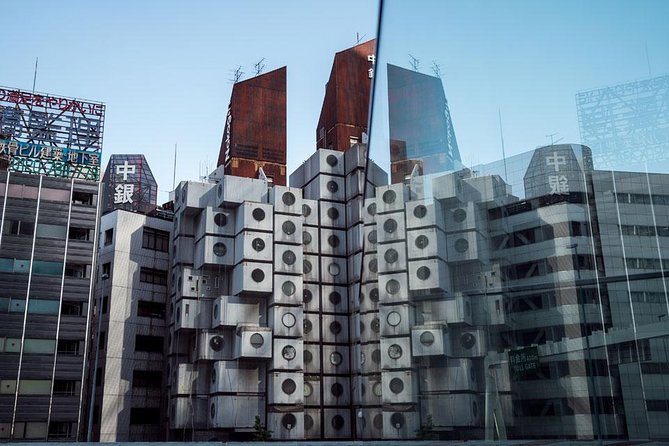
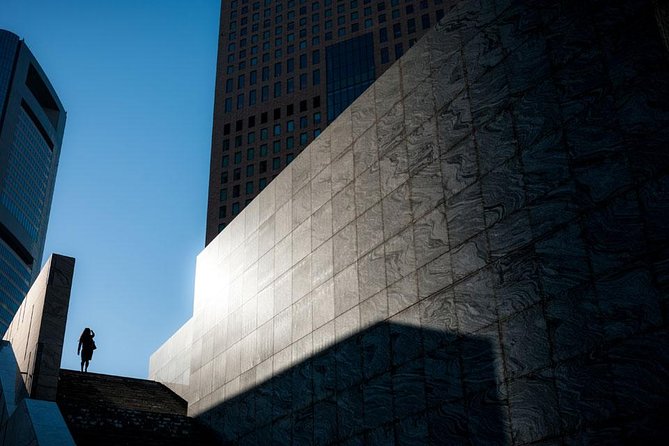
Your first major stop is the Shiodome Siosite area in the business district. The workshop calls out steel and glass towers by the morning light, and that’s exactly where a composition lesson shines. Skyscrapers can be photographed in a hundred ways, but you need a method to pick the strongest angles fast.
Here’s what you can expect to work on at this stage:
- Framing and composition: you’ll practice how to hold the scene in the viewfinder so the building lines lead your eye
- Using the environment to tell a story: not every photo needs a person, but including people can add scale and life
- Camera adjustments tied to what you see: timing matters with reflections and changing light
This is where you’ll get lots of the “why this shot works” coaching. The guide encourages you to think in terms of lines, shapes, and reflections, not just points of interest. If you’ve ever shot a Tokyo photo and felt like it looked flat, this part is designed to fix that.
One practical note: because this stop is about skyscrapers and open areas, you’ll want to keep an eye on your footing. Tokyo sidewalks are great, but you’ll be moving through crowds and near streets.
Stop 2: Ginza for architecture plus real street life
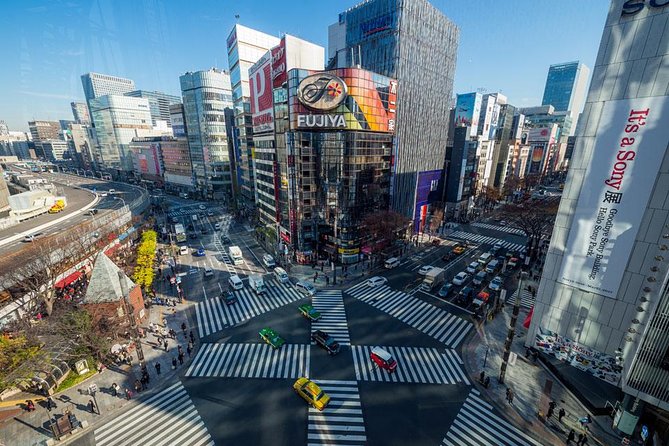
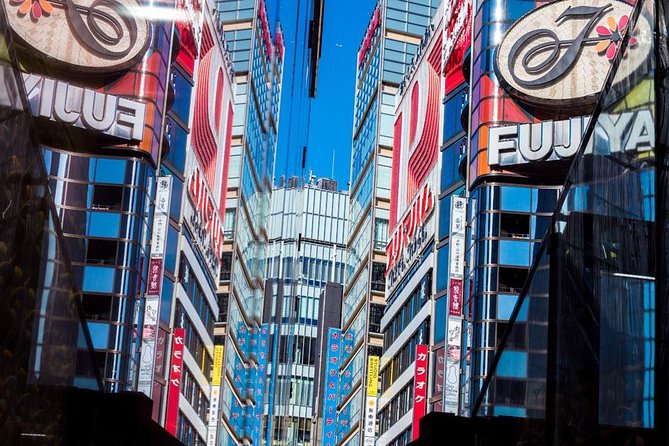
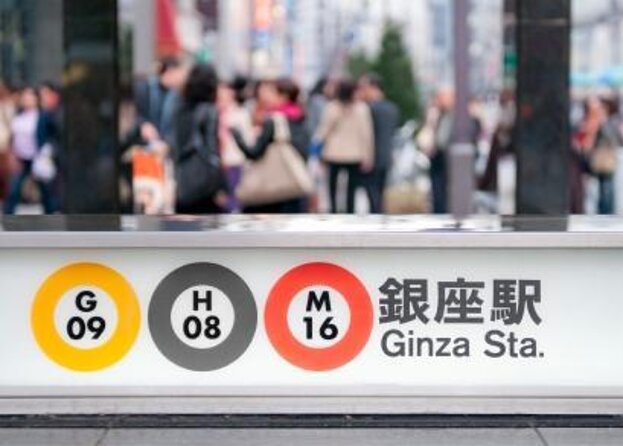
Next you head into Ginza, spending about 45 minutes focusing on architecture and street photography. Ginza is one of those places where you can get stuck photographing the main commercial facades. The workshop’s approach is smarter: you’ll look for smaller spaces and quieter pockets, including back alleys and tighter streets where daily life plays out.
This is the stop where your photos can shift from “cool buildings” to “Tokyo, right now.”
You’ll encounter:
- cooks and wait staff
- salarymen going about their day
That human element is not just decoration. It helps you practice composition choices like foreground/background separation and how to include movement without making your photo feel messy.
The best Ginza street shots often come from patient observation. You might think you only have 45 minutes, but that time can be enough if the guide keeps pushing you to test ideas instead of waiting for perfect conditions.
A common theme from guide feedback in this kind of tour style: you’ll get coaching that connects technique to outcome. People shoot reflections, lines, and patterns here, then the guide helps tighten the frame so it feels intentional.






Stop 3: Tokyo International Forum and interior photo challenges
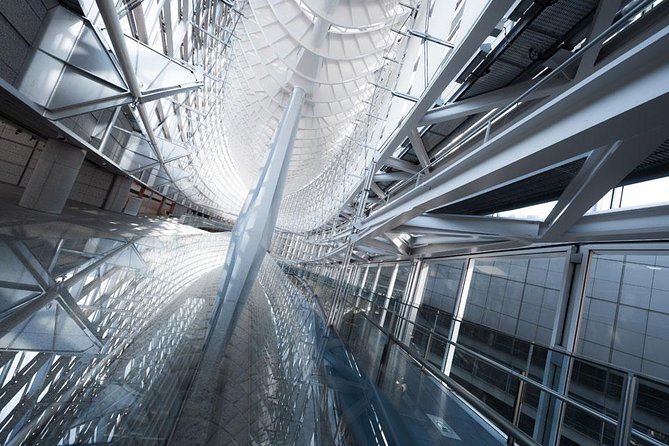
Your final stop is the Tokyo International Forum, where you’ll spend about 45 minutes photographing inside this architecture-heavy space. The key value here is that it forces you to practice shooting in a different environment than the street.
Outside, you’re dealing with light changes and street clutter. Inside, you’re dealing with:
- indoor lighting and contrast
- strong architectural geometry
- framing opportunities created by interiors
The workshop specifically mentions “numerous photographic challenges” here, which is a good sign. It usually means you’re not just taking random photos—you’re learning how to solve visual problems. That matters even if you’re a more advanced photographer, because it pushes you to use a repeatable process, not only inspiration.
Also, interiors are a smart choice because Tokyo’s weather can be unpredictable. Even though the tour requires good weather overall, having your final stop partly indoors can help you keep your momentum if the day changes.
The guide effect: real teaching, not vague tips
The tour’s reputation is built on instruction quality, and you can see that in how guides are described. Names that come up include Stephane, Lukasz, and Exel, and the consistent thread is that they’re patient and practical.
What I like about this teaching approach:
- You get constructive, step-by-step advice, not just “try different angles”
- The guide can check your photos and help you improve what you captured
- The focus often includes how to adjust timing and settings, depending on the scene
If you’re a beginner, that’s huge. Camera settings can feel like a wall of mystery until someone ties them to what you’re seeing outside your window. If you’re more experienced, you’ll still benefit because you’re being asked to see buildings differently and make cleaner composition decisions.
One small bonus: because the group is small, your questions actually get answered. No shouting across the street. No waiting for the guide to finish with someone else.
Walking route and what to expect on the ground
This is a walking photography tour with an average distance around 2 km. That’s manageable for most people, especially because it’s spread across stops rather than one long march.
Still, plan like a photographer:
- wear comfortable shoes
- bring your camera strap so you’re not constantly juggling gear
- be ready to stop, frame, and shoot quickly when the guide calls out a spot
The walking time between spots isn’t specified in the details, but the overall duration is about 2.5 hours, so you should expect a steady pace with short “shooting windows.”
And because it’s near public transportation, you won’t be stranded if you need a restroom break or want to hop back into the city’s transit network afterward.
Mobile ticket and what to bring
The tour uses a mobile ticket, which simplifies entry. Beyond that, the tour doesn’t list a gear requirement, but logically you’ll want your camera and any basics you normally use for city shooting.
If you’re bringing a camera and lenses, consider this: skyscrapers and interiors can encourage you to switch lenses or focal lengths. Even if you don’t, thinking in terms of framing and layers is still the core lesson.
Also, note that bus fare is not included. The stops are in areas you can reach by transit, so just plan on using Tokyo’s rail network as needed.
Who this tour suits best
This workshop is described as good for both beginners and more advanced photographers, and the structure supports that.
You’ll likely enjoy it most if:
- you want to learn how to photograph modern Tokyo architecture
- you like hands-on instruction tied to real scenes
- you want small-group attention (not a large herd)
- you’re curious about how to include people and story in city photos
If your dream Tokyo day is mostly about wandering at your own pace with zero prompts, you might find a guided format limiting. But if you want a reliable way to improve your photos quickly, this tour is built for exactly that.
Should you book this Tokyo photography workshop?
Yes, if you want a focused photo coaching session through some of Tokyo’s most photogenic modern areas. The combination of small group size, a professional instructor, and varied shooting environments (skyscraper district, street life, then an interior landmark) makes this a strong value for camera time.
I’d also book if you travel to Tokyo and feel like you’re “seeing” but not “capturing.” This workshop aims to fix that gap with practical tips you can use the next day, not just during the tour.
I’d think twice if:
- the weather is iffy during your travel dates, since it requires good weather
- you want a longer, slower stroll without stopping for guidance
- you’re uncomfortable with walking about 2 km over a short morning
If your goal is better Tokyo photos in a small time window, this is a smart bet.
FAQ
How long is the Tokyo Metropolis photography workshop?
It runs for about 2 hours 30 minutes.
Where do I meet, and where does the tour end?
You start at SL Square (Shimbashi Station West Entrance Square) in Shimbashi. You end near Anthony Caro’s Barcelona Ballad in the Marunouchi area.
What neighborhoods and stops will we photograph?
You’ll focus on Shiodome Siosite, Ginza, and Tokyo International Forum.
How large is the group?
The tour is a small group limited to six people, and it’s listed as a private activity for your group.
Is admission included for the stops?
Yes, the stops shown include free admission.
What’s included in the price, and what’s not?
Included: a professional photography instructor. Not included: bus fare.
What happens if the weather is bad?
The tour requires good weather. If it’s canceled due to poor weather, you’ll be offered a different date or a full refund.
Can I change or get a refund after booking?
This experience is non-refundable and cannot be changed for any reason.