REVIEW · TOKYO
Geisha Entertainment Experience in Tokyo
Book on Viator →Operated by 株式会社Japanticket · Bookable on Viator
A geisha show with Edo food is rare. You’ll watch dance and shamisen in an ozashiki party setting at Tomioka Hachimangu, and I especially liked the Fukagawa meshi-style meal options and the warm, welcoming hostesses. One possible drawback: the venue can be a little hard to find unless you plan ahead.
This experience is designed like a small, contained evening: you get the performance, the cultural explanations, and the food or tea moment, all in one block of time. Choose the standard courses (30–70 minutes) or the special TAKE course that includes up to 5 hours in a hire car after the 12:00 show.
In This Review
- Key Things to Know Before You Go
- Inside Tomioka Hachimangu, Edo-Style Entertainment Starts
- Pick Your Course: MATSU, TAKE, UME, and the Hire-Car TAKE
- MATSU course (about 70 minutes)
- TAKE course (about 45 minutes)
- UME course (about 30 minutes)
- TAKE course with hire car (special option)
- What Happens at Fukagawa Odori Gekijyo (Stop 1)
- You’ll see more than dance
- Expect a calm, intimate pace
- You might also catch a tea-culture moment
- Traditional games can be part of it
- Optional period-drama-style filming
- Ozashiki Entertainment: Why It Feels Special
- Food and Matcha: Choosing the Meal That Fits Your Day
- If you choose MATSU: kaiseki plus Fukagawa character
- If you choose TAKE: Fukagawa meshi is the star
- If you choose UME: sweets and matcha focus
- Food note for different diets
- Translation, Interaction, and What to Do If English Support Shifts
- Location, Getting There, and Finding the Right Door
- Duration and How to Fit It Into Your Tokyo Day
- Price and Value: Why $82.24 Can Make Sense
- Who Should Book This Geisha Entertainment Experience
- Should You Book This Geisha Entertainment Experience in Tokyo?
- FAQ
- How long is the geisha entertainment experience?
- What’s included in the MATSU course?
- What’s included in the TAKE course?
- What’s included in the UME course?
- Is the ozashiki geisha entertainment included for all courses?
- What is Fukagawa meshi?
- Do I get a souvenir?
- What happens with the TAKE course that includes a hire car?
- Is there any extra optional activity?
- How does ticketing work?
Key Things to Know Before You Go
- Tomioka Hachimangu precinct setting: built long ago, it frames the whole Edo-period vibe.
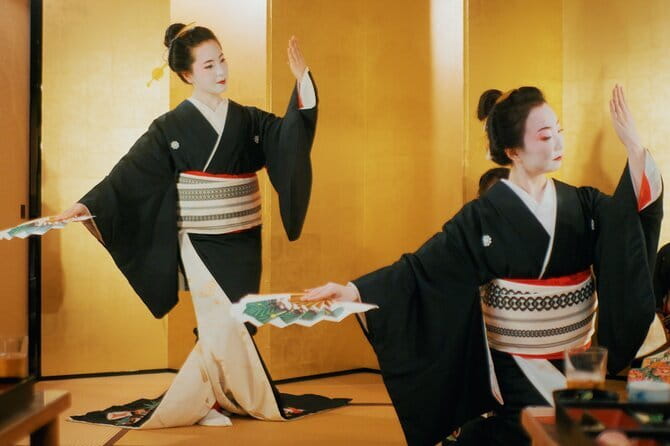
- Ozashiki geisha entertainment: the show style is up-close and party-like, not just a stage performance.
- Course-based food choices: MATSU, TAKE, and UME swap between kaiseki, Fukagawa-meshi, or sweets and matcha.
- Show length varies a lot: MATSU runs about 70 minutes, TAKE about 45, and UME about 30.
- English support shows up during the performance: translation is provided, and you’ll want your phone handy as backup.
- Hire-car option turns it into a Tokyo mini-day: after the geisha start time, you get up to 5 hours to explore.
Inside Tomioka Hachimangu, Edo-Style Entertainment Starts
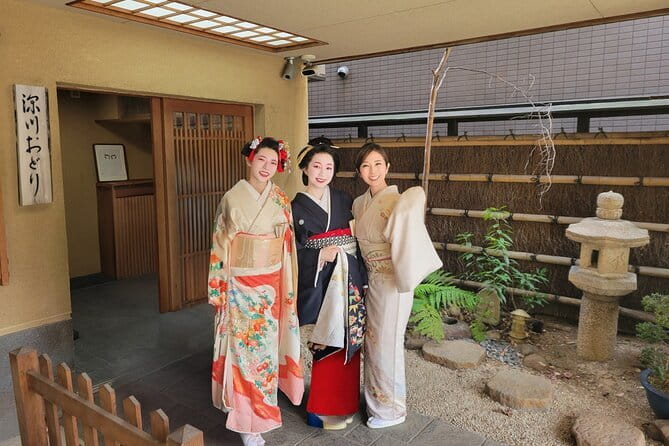
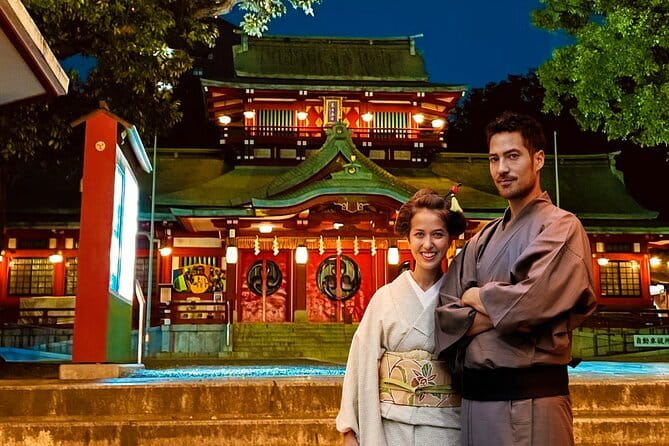
Tokyo can feel enormous. So I like experiences that give you a clear “start line,” and this one does. The performance happens within the precinct of Tomioka Hachimangu Shrine, which has roots going back about 400 years and is tied to Fukagawa’s Edo-era identity. Instead of chasing multiple stops and buses, you step into one place where the cultural tone is already set.
What I like most is the overall feel: it’s traditional, but not stiff. The show is presented like a social gathering, often referred to as an ozashiki entertaining party, where music, dance, and interaction sit side-by-side. Based on the way the hostesses explain things, you’re not just watching. You’re getting context that makes the movements and customs easier to appreciate.
One practical note: this is a shrine precinct setting, and those can be confusing for first-time visitors. Save the exact meeting spot, give yourself extra time, and be ready to ask. That’s not a dealbreaker. It’s just the kind of trip where “arrive early” actually matters.
You can also read our reviews of more tours and experiences in Tokyo.



Pick Your Course: MATSU, TAKE, UME, and the Hire-Car TAKE
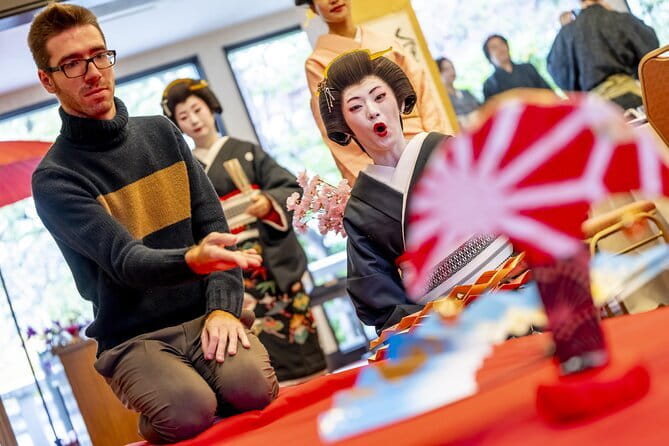
The biggest decision here is the course. Your choice determines how long you’ll be there and what you’ll eat or drink.
MATSU course (about 70 minutes)
This is the fuller experience. You’ll get admission and the performance, plus kaiseki cuisine with Fukagawa meshi, a drink, and a souvenir. If you want the most food and the most time, MATSU is the course that feels like a full program rather than a quick show.
TAKE course (about 45 minutes)
TAKE focuses on the local specialty: Fukagawa meshi (rice cooked with clams in a savory broth), plus a side dish set. You still get the performance and the ozashiki entertainment experience. TAKE tends to be a good match if you want geisha entertainment without letting dinner run late.
UME course (about 30 minutes)
UME is the shortest. You’ll get the admission and the performance, plus Japanese sweets and matcha and a souvenir. Here’s the tradeoff: the ozashiki geisha entertainment experience is not included in the UME course, so you’ll likely feel more like you’re attending a shorter cultural program than a full party-style event.




TAKE course with hire car (special option)
This one is clever if you want Tokyo beyond the show. After your geisha experience starts at 12:00, you have up to 5 hours to explore on your own in a hire car. The driver can speak English, which matters if you want to travel faster and with less stress than trains and walking.
What Happens at Fukagawa Odori Gekijyo (Stop 1)
The show itself takes place at Fukagawa Odori Gekijyo. That’s the heart of the experience: traditional performing arts presented with dance and shamisen accompaniment. The structure is designed to be understandable even if your Japanese is basic.
You’ll see more than dance
From the way people describe the event, the performance isn’t only graceful movement. There’s cultural explanation during the program, and it’s delivered in a way that helps you connect the dots. In multiple accounts, English translation is actively used during the show, so you get reasons behind what you’re seeing, not just pretty pictures.
Expect a calm, intimate pace
This is presented as a cozy setting. One of the most praised aspects is the intimacy. You’re not stuck watching from the back row with nothing but sound. The hostesses create a welcoming atmosphere that makes it feel like a small event happening for you, not a production you’re trapped inside.
You might also catch a tea-culture moment
A few people specifically mention that the event introduced them to the Japanese tea ceremony and linked it to the broader history of geisha and tea. The exact depth can vary, but the takeaway is consistent: the program can include a thoughtful tea-related cultural explanation alongside the performance.
Traditional games can be part of it
Some accounts mention playing traditional Japanese games during the experience. That’s a big part of why it feels like an ozashiki party instead of a one-way show.
Optional period-drama-style filming
There’s also an optional add-on: shooting a period-drama-style short movie by a professional cameraman. It isn’t included, so treat it like a bonus if it’s something you’d actually want for a fun souvenir.
Ozashiki Entertainment: Why It Feels Special
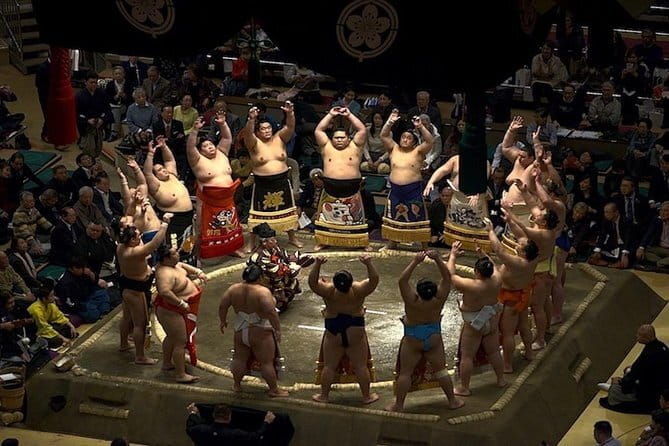
The phrase ozashiki can sound like marketing. In practice, it signals something specific: the style of entertainment is meant to feel like social company, with performers and audience in closer interaction than you’d get at a standard theater.
What I like about this format is the learning curve. When you’re watching dance and shamisen, it can be tempting to just admire the skill. Here, you’re guided to understand the meaning and etiquette behind the performance. That makes the whole thing more satisfying, especially if you’re visiting Tokyo for the first time and don’t want to spend days researching culture.
It also helps that the hostesses come across as genuinely kind in the accounts I saw. People describe being welcomed warmly and feeling comfortable asking questions. So if you want a little Q&A time, this is the kind of experience where you’re more likely to get real answers.
Food and Matcha: Choosing the Meal That Fits Your Day
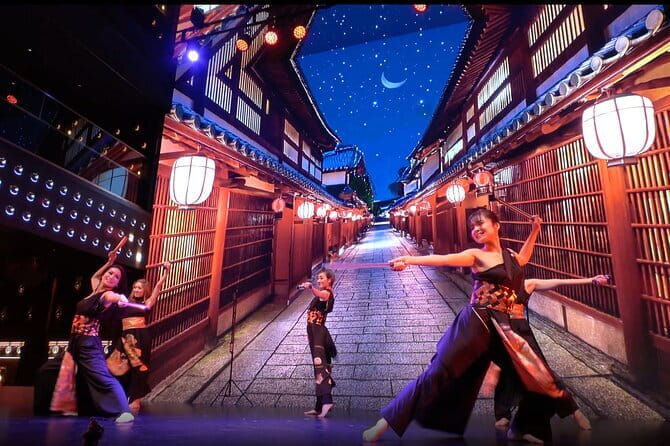
Food is not an afterthought here. It’s part of the cultural packaging.
If you choose MATSU: kaiseki plus Fukagawa character
MATSU pairs a traditional course meal with a local touch through Fukagawa meshi. Kaiseki is already a style that treats timing, seasonality, and presentation as part of the art. Adding Fukagawa meshi gives you a sense of place: you’re not eating generic Japanese food. You’re eating something that fits the Fukagawa theme of the area.
You also get a drink with MATSU. That’s helpful if you want the experience to feel like a complete meal moment rather than “snack plus show.”
If you choose TAKE: Fukagawa meshi is the star
Take this course if you want a very Tokyo-local dish: rice cooked with clams in a savory broth, plus a side dish set. This is the easiest choice to understand because it’s so specific. It also tends to be easier on a schedule. About 45 minutes for the performance means you can still have a full evening after.
If you choose UME: sweets and matcha focus
UME is basically tea-time and dessert culture, with Japanese sweets and matcha and a shorter program. This course can be a good fit if your day is already packed and you want a gentle cultural reset. It’s also the cleanest choice if you’re not sure you want a full meal.
And yes, matcha is involved. People also describe the event as a path to tea-related learning, so UME can feel like the most “tea-centric” option.
Food note for different diets
One account mentions staff helped with vegan food nearby. That doesn’t mean every dietary need can be handled perfectly, and the tour data doesn’t list meal customization. But it does suggest the team is willing to help you find options if you ask.
Translation, Interaction, and What to Do If English Support Shifts
Most people highlight that the performance includes English translation while the show runs. That’s a huge factor. Dance and shamisen have layers. If you understand a few key points along the way, it lands better.
One practical tip: have a translation app ready as backup. One account notes that an English translator wasn’t available for part of the show, and the group used a phone translation tool to keep things going. So if you rely heavily on translation, don’t assume it will be perfect minute-by-minute. Be flexible, and keep your phone charged.
Also, don’t be afraid to ask questions during the friendly parts of the program. The accounts I saw repeatedly mention that hostesses explain why things are done in certain ways. That turns the experience from entertainment into a short cultural lesson you can actually remember.
Location, Getting There, and Finding the Right Door
The venue is near public transportation, and that’s good news. Still, one important warning came up: some people found the experience difficult to locate, even after using the link provided.
So here’s what I’d do:
- Save the meeting point on your map app and double-check it on arrival.
- Arrive a bit early so you can walk slowly and confirm the exact entrance.
- If you’re unsure, ask. This is a shrine precinct area, and locals expect questions.
Also, because the experience sits in a shrine setting, the “feel” of the area matters. Wear comfortable shoes. You may be walking a little, and Tokyo’s sidewalks and shrine paths reward good footwear.
Duration and How to Fit It Into Your Tokyo Day
You’re looking at a tight window overall:
- MATSU: about 70 minutes
- TAKE: about 45 minutes
- UME: about 30 minutes
That makes it easy to plan around. I like placing it earlier in the day if you can, so you still have the evening for roaming neighborhoods and food.
If you pick the TAKE course with hire car, the timing becomes extra clear: your geisha experience starts at 12:00, then you get up to 5 hours in the car afterward. That can be ideal for people who want to see more of Tokyo without spending the day switching trains.
Price and Value: Why $82.24 Can Make Sense
At $82.24 per person, this isn’t a bargain-show price. But it also isn’t just a performance ticket. You’re paying for multiple things bundled together: the admission, the performance, cultural explanation, and food or tea elements depending on the course, plus a souvenir.
Here’s the value logic that worked for me conceptually:
- Performance alone in Tokyo usually costs plenty.
- This includes a structured cultural experience with explanation, not just a stage show.
- You’re also getting food: kaiseki and drink (MATSU), Fukagawa meshi and sides (TAKE), or sweets and matcha (UME).
- The setting is tied to a real historical place (Tomioka Hachimangu precinct), which helps the experience feel grounded.
If you’re the type who loves food as part of culture, TAKE and MATSU offer the strongest “pay once, enjoy multiple parts” value. If you’re more time-limited, UME’s shorter runtime can make the price feel lighter.
One more thing: the program is praised for being authentic and intimate. When an experience feels respectful and carefully presented, you can justify spending more because you’re buying attention and craft, not just a snapshot.
Who Should Book This Geisha Entertainment Experience
This one is especially suited to:
- People who want an all-in-one cultural evening with food and performance in Tokyo.
- Anyone curious about geisha arts beyond simple sightseeing.
- Visitors who like intimate settings and clear explanations during the show.
- Food-minded guests who want Edo-era flavored meals like Fukagawa meshi or a kaiseki course.
- Families or groups who want something structured and friendly, with a lively party-like atmosphere.
It may not be ideal if you’re only looking for a long, wandering cultural day. This is a focused event. You get in, you experience it, and you move on.
Should You Book This Geisha Entertainment Experience in Tokyo?
If you want a clear, respectful, traditional experience that mixes dance, shamisen music, and meaningful food or tea, I think you should book it. The best sign is how consistently people describe the atmosphere as welcoming and the explanations as helpful, with English translation used during the performance.
Before you commit, consider two things:
- If you’re worried about finding the venue, plan extra time and save the exact meeting spot.
- Choose your course based on your real priority. MATSU is the longest and most meal-forward. TAKE is the local-food sweet spot. UME is the shortest and most tea-and-sweets focused.
One last practical point: the experience is non-refundable and cannot be changed for any reason. So pick your day carefully.
FAQ
How long is the geisha entertainment experience?
The duration depends on the course: MATSU is about 70 minutes, TAKE about 45 minutes, and UME about 30 minutes.
What’s included in the MATSU course?
MATSU includes admission, the performance, an ozashiki geisha entertainment experience, kaiseki cuisine with Fukagawa meshi, a drink, and a souvenir.
What’s included in the TAKE course?
TAKE includes admission, the performance, an ozashiki geisha entertainment experience, a Fukagawa-meshi set with side dish, and a souvenir.
What’s included in the UME course?
UME includes admission, the performance, Japanese sweets and matcha, and a souvenir. The ozashiki geisha entertainment experience is not included in the UME course.
Is the ozashiki geisha entertainment included for all courses?
No. It’s included for MATSU and TAKE, but not included for the UME course.
What is Fukagawa meshi?
Fukagawa meshi is a local specialty: rice cooked with clams in a savory broth.
Do I get a souvenir?
Yes. A souvenir is included with the courses.
What happens with the TAKE course that includes a hire car?
After your geisha experience starts at 12:00, you’ll have up to 5 hours to explore Tokyo on your own in a hire car, and the driver can speak English.
Is there any extra optional activity?
Yes. Shooting a period drama-style short movie by a professional cameraman is optional, but it is not included.
How does ticketing work?
You receive a mobile ticket. Confirmation is typically received within 48 hours of booking, subject to availability.