REVIEW · TOKYO
Tokyo: Tsukiji Fish Market Foodie and Educational Tour
Book on GetYourGuide →Operated by Hanamichi · Bookable on GetYourGuide
Tsukiji can feel like organized chaos. This 2-hour walk-and-taste tour turns that crowd energy into clear history, smart food picks, and a simple plan you can actually follow. I especially like how it starts with a shrine stop, not just fish, and then connects you to what you’ll taste at the market.
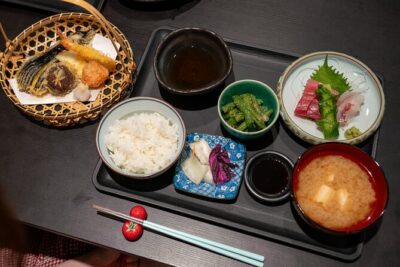
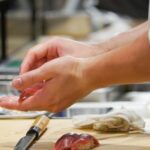
My favorite part is the included meal: a small bento with freshly cut tuna, wasabi, and a bit of Japanese sake served at Tsukiji Uogashi Mall. I also like the small-group size (max 6) because you can ask questions and get real guidance instead of waving your arms at stall menus.
One drawback to consider: the tour is not for vegetarians, and most extra eating and shopping is on you since street food and drinks during the Outer Market portion are not included.
In This Review
- Key highlights worth your attention
- Tsukiji in two hours: what $70 buys you (and what it doesn’t)
- Meeting at Lawson’s Tsukiji 4 chome: how to start without stress
- Namiyoke Inari Jinja: the shrine lesson that makes the market make sense
- Tsukiji Uogashi Mall stop: tuna bento, fresh wasabi, and a sake splash
- Uogashi Mall browsing: shopping, fruit, and a food court option
- Tsukiji Outer Market: food hunting with guidance (and smart optional spending)
- Ending at Lawson’s: a convenient-store finale that saves your energy
- Small group English tour: why it feels personal (and not like a cattle line)
- Who should book this Tsukiji foodie-and-education tour?
- Should you book? My straight answer
- FAQ
- Where do I meet the guide?
- How long is the tour?
- Is the tour in English?
- What’s included in the price?
- What’s not included?
- Is the tour suitable for vegetarians?
- Are there any child-related accommodations?
- What food stops are part of the tour?
- How big is the group?
- Can I get a refund if my plans change?
Key highlights worth your attention
- Namiyoke Inari Jinja first, with clear explanations of why this shrine matters and how people pray for bad luck to stay away
- Tsukiji Uogashi Mall bento tasting with freshly cut tuna and fresh wasabi, plus a small serving of sake
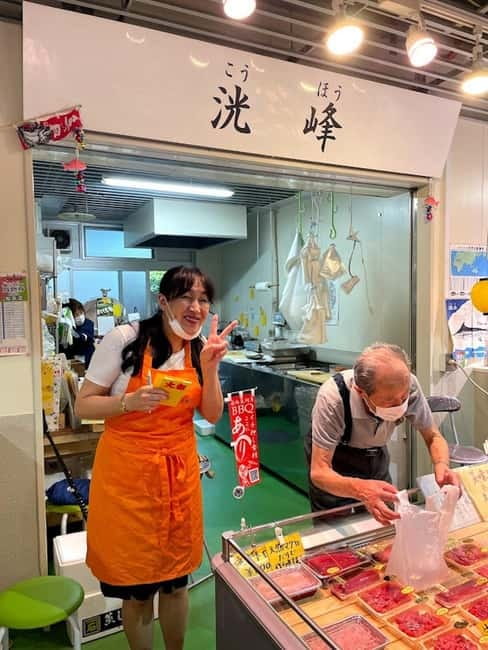
- A stop with local wholesaler Tsukiji KohHoh (the people behind the fish knowledge)
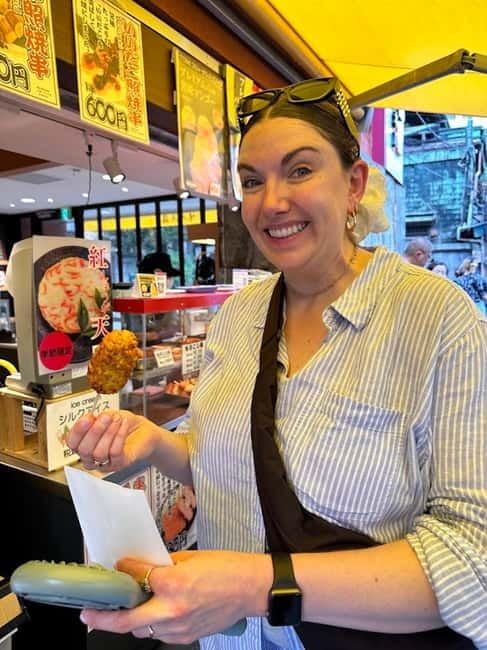
- Tsukiji Outer Market guidance focused on what to try and what to skip while shopping for ingredients and knives
- Ending with a Lawson’s snack hunt, where the guide helps you buy like a local convenience-store pro
- Small group size capped at 6 participants, with English live guidance and photos taken during the tour
Tsukiji in two hours: what $70 buys you (and what it doesn’t)
At $70 per person for a 2-hour experience, you’re paying for more than “go see fish.” You get an English live guide, a historical overview, photos during the walk, and at least one proper food moment that’s included: a small bento with freshly cut tuna and wasabi, plus a small amount of sake and bottled water.
That matters because Tsukiji is one of those places where showing up on your own can turn into decision fatigue. There are stalls, smells, lines, and a lot of stuff you can buy. This tour gives you structure first, then lets you taste and choose while you’re already oriented.
What’s not covered is also important. During the Outer Market exploring portion, you can try street food and drinks, but those purchases are not included. The same goes for anything you pick up at Lawson’s during the final snack hunt. In other words: you get solid included value, then you have the freedom to add more.
You can also read our reviews of more tours and experiences in Tokyo



Meeting at Lawson’s Tsukiji 4 chome: how to start without stress
You meet outside Lawson’s at the Tsukiji 4 chome intersection. The instructions are clear: don’t congregate right at the store entrance, since you could block others getting in. Your guide staff will have a notice board waiting for you.
From there, the tour is mostly on foot with short transfers between stops. The total walking time on the plan is light-to-moderate: about 10 minutes to the shrine area, a short 5-minute link after that, and roughly 10 minutes back to the final Lawson’s meeting point. Wear shoes you can stand in comfortably—Tsukiji is a place where you do plenty of waiting near counters and stalls.
Also, this is English-language guidance with a small group (up to 6). That setup is great if you want to ask, not just observe.
Namiyoke Inari Jinja: the shrine lesson that makes the market make sense
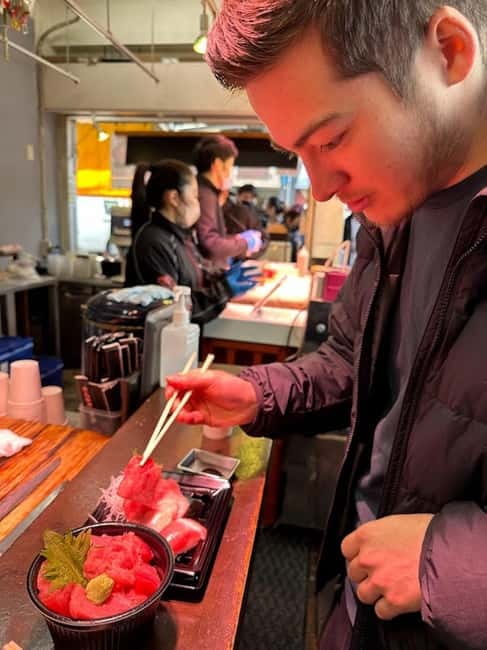
A lot of people treat Tsukiji like it starts with seafood. This tour starts with Namiyoke Inari Jinja, a local shrine visit of about 15 minutes.
What you learn here is the practical, everyday side of religion in Japan—why this shrine is highly worshipped by locals and how people use it for protection. You’ll hear the story behind why people pray here, including how prayers are connected to keeping bad luck away and protecting against misfortunes and turmoil. That’s not a vague “check the box” stop. It gives context to the area and to the way people approach luck, safety, and daily life.
If you’re the type who likes to understand the background behind what you see, you’ll appreciate this. It also slows the pace down right at the beginning, so the market later feels less like sensory overload.
Tsukiji Uogashi Mall stop: tuna bento, fresh wasabi, and a sake splash
After the shrine, you head to Tsukiji Uogashi Mall, specifically a store associated with a local wholesaler named Tsukiji KohHoh at Toyosu Market. This is where the tour’s included food moment happens.
You get to try a small bento box with freshly cut tuna and fresh wasabi. Alongside that, there’s a small amount of sake included. The fish theme here isn’t just about eating—it’s about understanding the product.
The tour also mentions that the “friends” behind the store are experts in blue marlin. Even if you don’t get a blue marlin tasting, that detail signals the type of place you’re being guided to: people who work with fish in real wholesale contexts, not just a restaurant menu.
Why I like this stop for you: it’s a calmer, guided entry point before you hit the more chaotic outer market. You’re tasting first with explanation, so when you later see tuna cuts and seafood talk, you’ll know what you’re looking at instead of guessing.
Uogashi Mall browsing: shopping, fruit, and a food court option
Once you’ve done the included tasting, you’ll also be shown around Tsukiji Uogashi Mall itself. The tour includes time to look around, with options to purchase more products—especially things like vegetables and fruit—and access to a food court where you can find restaurants.
Even if you don’t plan to buy much here, I like having this buffer. It gives you a chance to understand the supply chain vibe of Tsukiji: wholesale-related goods, ingredients, and packaged items in a place that feels more manageable than the open-air alley setup you’ll see later.
If you want to pick up ingredients as souvenirs—seasonings, packaged foods, or Japanese kitchen tools—this is the kind of stop where you might find more structured shopping before the Outer Market becomes all alley and impulse.
You can also read our reviews of more shopping tours in Tokyo

Tsukiji Outer Market: food hunting with guidance (and smart optional spending)
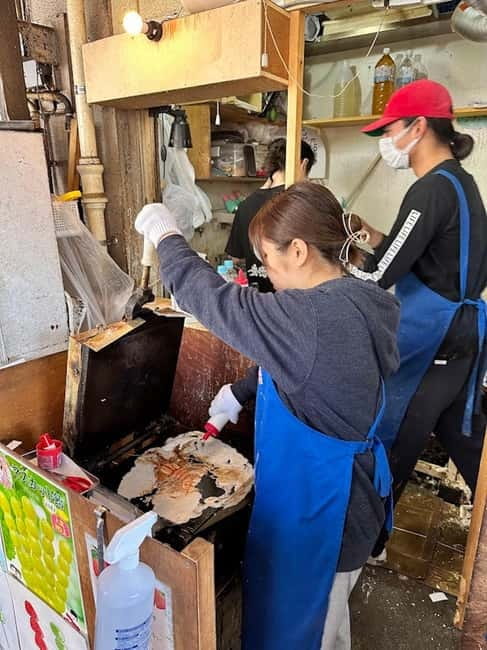
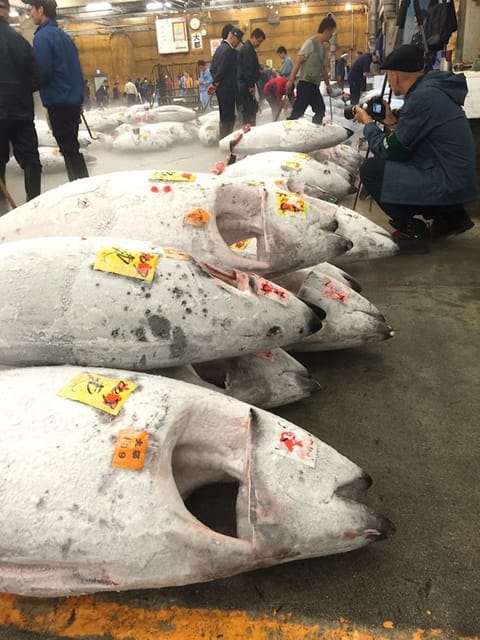
Then comes the Outer Market portion: Tsukiji Outer Fish Market. This is the part most people imagine when they hear Tsukiji, and the tour focuses on the history of the area plus “how to eat your way through it” without getting overwhelmed.
You’ll search for more food at the famous Outer Fish Market. The tour encourages street food and drinks, but those are optional and not included in the price. That’s actually a good setup. You can try a little, then decide if it’s worth expanding your spend based on what you like.
The guide also steers you toward alternative foodie options (not only fish), and you’ll have time for shopping. Expect stalls and alleys where people buy local Japanese ingredients, souvenirs, and cooking knives and utensils—so the market isn’t only about snacks. It’s also about bringing home pantry items and tools you can actually use later.
Practical tip: go with a small appetite first, then build. With food choices everywhere, it’s easy to accidentally overspend and overeat early. Having a guide means you can ask what to prioritize, which reduces wasted money on the stuff that looks fun but isn’t your best value.
Ending at Lawson’s: a convenient-store finale that saves your energy
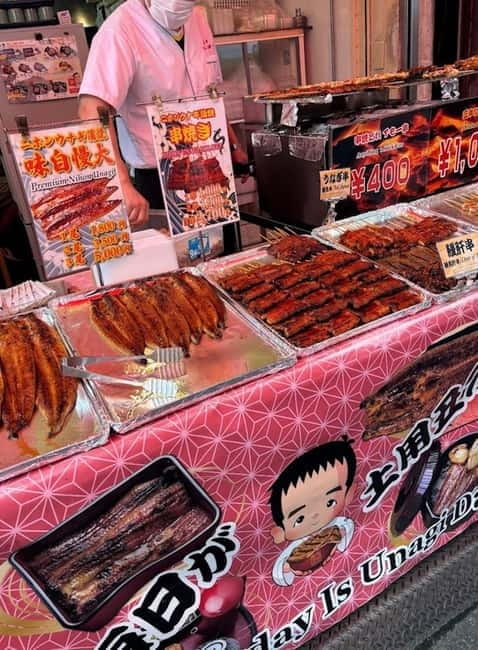
The tour finishes back where you started: outside Lawson’s at the Tsukiji 4 chome intersection. The last stretch includes about 10 minutes walking back, and you’ll end with a snack hunt at Lawson’s.
Here’s the part I think is underrated. The tour doesn’t treat the convenience store like an afterthought. It explicitly includes time for advice on what to buy and enjoy. It also notes that convenience-store food and drinks are amazing, and the guide can tell you what’s worth your attention.
This ending is useful for two reasons:
1) You get one last chance to grab something small and portable if you still want to eat.
2) You leave with a “how to shop” mini lesson that works anywhere in Japan—not just Tsukiji.
Just remember: anything you purchase at Lawson’s is paid by you.
Small group English tour: why it feels personal (and not like a cattle line)
A major part of the experience is the group size: limited to 6 participants. That changes the whole feel. Instead of you trying to hear a guide over everyone else’s questions, you can actually ask what you want to understand—why a shrine is important, what kind of fish you’re tasting, or what kind of snack is a good first pick in the Outer Market maze.
The tour also includes photos during the walk. That’s handy in Tsukiji because you’ll be moving through tight spaces, and you may not want to keep switching between eating, reading signs, and taking pictures.
English live guide is also a real advantage. Tsukiji is dense with labels, product types, and local terms. Even a great self-guided day can leave you guessing. Having a guide keeps the day practical.
And in the reviews, guides are praised by name—Chinami is mentioned as exceptionally knowledgeable and friendly, with strong English and local knowledge that helps avoid tourist traps and find more authentic food and shopping decisions. You’ll also get tips for the rest of your time in Tokyo and Kyoto, which is a nice bonus when you’re building an itinerary.
Who should book this Tsukiji foodie-and-education tour?
This is a good fit if you:
- Want a food-centered Tokyo tour that also includes shrine and area history
- Like the idea of tasting first (tuna bento with wasabi and sake) before you freestyle in the Outer Market
- Prefer small-group guidance (max 6) in English
- Appreciate shopping help for ingredients, souvenirs, and kitchen tools like knives and utensils
It’s not a good fit if you:
- Are vegetarian (the tour is noted as not suitable for vegetarians)
- Want a fully self-directed market day with zero included structure
- Expect the price to cover all snacks and drinks everywhere (it doesn’t—street food and Lawson’s purchases are extra)
Should you book? My straight answer
Yes, if you want Tsukiji to be organized, tasty, and explainable. The included bento and sake break alone make the price feel more reasonable, and the shrine plus food guidance turns a crowded market area into a learning day you can actually remember.
Skip it if you’re the kind of traveler who only wants to wander freely and pick everything yourself. Also skip if your diet can’t handle non-vegetarian offerings; this one is clearly not designed for that.
If you do book, come hungry enough to enjoy the tasting, but save your spending urges for after you’ve heard what the guide recommends. Tsukiji rewards you when you pick with a plan.
FAQ
Where do I meet the guide?
You meet outside Lawson’s at the Tsukiji 4 chome intersection. Your staff will have a notice board waiting for you.
How long is the tour?
The tour lasts about 2 hours.
Is the tour in English?
Yes. The tour has a live guide speaking English.
What’s included in the price?
You get an educational guided walking tour around the Tsukiji market area, photos taken during the tour, a historical overview, bottled water, and a small bento box with freshly cut tuna (plus fresh wasabi) and a small amount of sake.
What’s not included?
Snack, food, and other purchased items in the markets are not included. Also, any purchases at Lawson’s are paid for by each participant.
Is the tour suitable for vegetarians?
No. The tour is not suitable for vegetarians.
Are there any child-related accommodations?
If you plan to bring children and not eat the included bento, you should tell the provider in advance. The tour tries to accommodate based on the children’s ages and food preferences.
What food stops are part of the tour?
You’ll visit Namiyoke Inari Jinja, then Tsukiji Uogashi Mall at a store connected with Tsukiji KohHoh for the included tuna bento and sake. You’ll also explore the Tsukiji Outer Fish Market for additional optional food and drinks, and end at Lawson’s for a snack hunt.
How big is the group?
The tour is a small group limited to 6 participants.
Can I get a refund if my plans change?
Yes. Free cancellation is available up to 24 hours in advance for a full refund.