REVIEW · TOKYO
Bullet Train and Mt. Fuji Famous Food Tour
Book on Viator →Operated by Arigato Japan KK · Bookable on Viator
Mt. Fuji tastes better with sake. This 7-hour trip links Tokyo to Fujinomiya by Shinkansen, then feeds you with six regional stops and an included lunch. The big payoff is Mt. Fuji culture—views, shrine history, and the local way people eat around the mountain—though the timing is tight and the views depend on weather.
What I like most is the focus: you’re not bouncing between random highlights. You’re learning why Fujinomiya food works (local ingredients, classic techniques, and tea-and-sake culture) while a small team of guides keeps the day flowing—people like Norma, Josh, Arigato, Lauren, and Alex have led the experience. One consideration: you’ll be on your feet and walking between stops, and the tour asks for strong physical fitness.
In This Review
- Key things to know before you go
- Shinkansen day trip to Fujinomiya: what you’re really paying for
- Meeting point and timing: the early start that shapes the day
- Mt. Fuji World Heritage Centre: context before the views
- Fujinomiya food tour: six local stops and the lunch that anchors it
- Sake and green tea: how the tasting fits the region
- Wagashi-making and the sweet-side of Mt. Fuji culture
- Shrine and temple time: when Mt. Fuji shows up (or doesn’t)
- Fujitaro Honten and the final stretch back to Tokyo
- Who this tour suits best
- Price, logistics, and what to expect on the ground
- Should you book this Mt. Fuji food and sake day trip?
- FAQ
- How long is the tour?
- Does the price include the bullet train from Tokyo?
- What does the tour include for food and drink?
- Is wagashi-making included?
- Is the tour suitable for vegetarians or vegans?
- Are there age limits for alcohol?
- What if the weather is bad for Mt. Fuji viewing?
Key things to know before you go
- Small group size (max 10): easier questions, more personalized pacing at each food stop
- Six tasting stops plus a full lunch: you’ll sample the region instead of just nibbling
- Sake and local green tea included: built into the day, not an optional add-on
- Wagashi-making experience: you’ll learn how the classic sweets are shaped and served
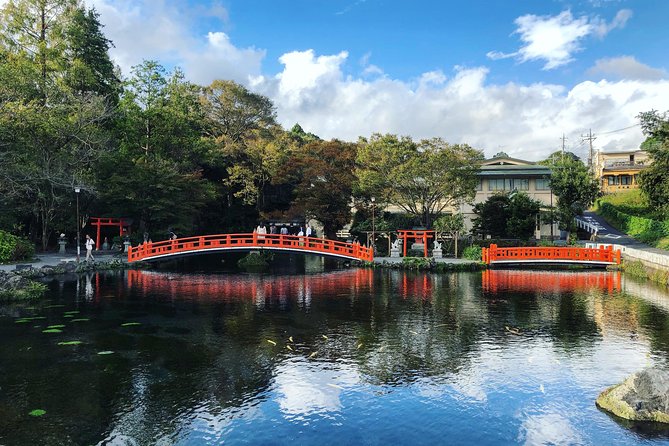
- Mt. Fuji World Heritage Centre + shrine visits: context first, then the dramatic viewpoints
- Weather matters for Mt. Fuji: if visibility is poor, the day can shift to protect your experience
Shinkansen day trip to Fujinomiya: what you’re really paying for
At $638 per person, this isn’t a bargain-basement add-on. You’re paying for three things that are hard to DIY in a comfortable way: (1) round-trip bullet train from Tokyo, (2) a local guide who knows where to take you for the best food and cultural stops, and (3) an organized schedule that strings together tastings, lunch, and shrine sightseeing without leaving you to figure it out on the fly.
The value shows up in the structure. You get guided time in Fujinomiya, multiple chances to try regional specialties, and the included cultural stops. Also, the group stays small, so it feels like a foodie outing with built-in transport—not a crowded bus tour.
The other side of the value equation is that it’s a “one-day, do it all” plan. If you want slow wandering and lots of free time, you might feel slightly rushed. And because Mt. Fuji visibility is weather-dependent, you’re booking a day that tries to catch a clear view of the mountain, not a guaranteed postcard shot.
You can also read our reviews of more food & drink experiences in Tokyo



Meeting point and timing: the early start that shapes the day
Your day kicks off at 8:30 am at the Apple MarunouchiMitsubishi Building in Tokyo. The tour ends back at the same area, so you don’t need to plan a second transfer or navigate a late return with jet-lag fog.
A helpful detail: there’s no hotel pickup and drop-off. Instead, you meet at the Tokyo location, and the guide coordinates travel with the group. If you’re staying far from central Tokyo, factor in that commute so you arrive on time without stress.
You’ll also want to treat this like a full morning-to-afternoon plan. The itinerary includes a lot of small-to-medium segments—museum time, walking around Fujinomiya, and shrine/temple stops—so build in the assumption that you’ll be moving through the day.
Mt. Fuji World Heritage Centre: context before the views
One of the best moments to start with is the Mt. Fuji World Heritage Centre in Shizuoka. The ticket for this stop is included, and it’s not just a quick photo stop. It’s your orientation—why Mt. Fuji matters historically and culturally, and how the surrounding area fits into that story.
I like this approach because it makes the rest of the day easier to read. When you later visit shrines like Fujisan Honguu Sengen Taisha, you won’t just be looking at buildings—you’ll understand why people treat the mountain like something more than scenery. Even if the mountain is shy, the cultural angle stays with you.
There’s also a practical benefit: museum time is a good way to reset when the day runs tight. It gives you a break from walking, and it’s an efficient way to learn while the group is still fresh.
Fujinomiya food tour: six local stops and the lunch that anchors it
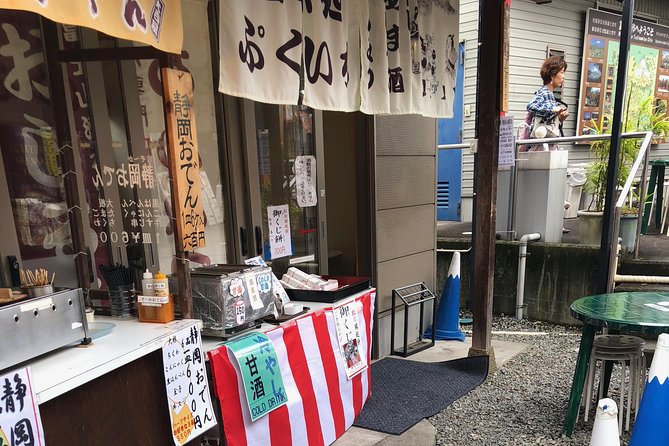
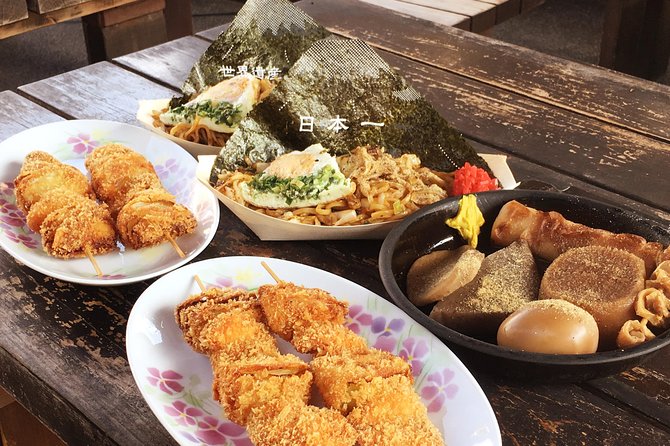
The heart of the day is Fujinomiya in Shizuoka Prefecture, with a three-hour guided segment. This is where the tour earns its name: you’ll visit six local shops and restaurants to try regional specialties, and you’ll have an included lunch.
A detail worth circling: lunch comes from an 80-year-old restaurant known for using local ingredients. That kind of longevity matters. You’re not just eating “something good”—you’re eating a dish with staying power, the kind of place that didn’t survive by chasing trends.
The tour also builds tasting into multiple beats, not just one long meal. You’ll typically get a train bento or snacks earlier in the day, then you’ll eat again in Fujinomiya, then you’ll sample more through the cultural food activities. For food lovers, it’s a great pacing choice. For people with very small appetites, it can feel like a lot of food early. If you know you don’t eat much in the morning, plan to go slow at each stop and share if your group allows it.
Dietary note: this experience is vegan, vegetarian, pescetarian, and gluten-free friendly. That’s a big deal for value and comfort, because it reduces the chances you’ll be stuck with plain sides while everyone else enjoys the full spread.
Sake and green tea: how the tasting fits the region
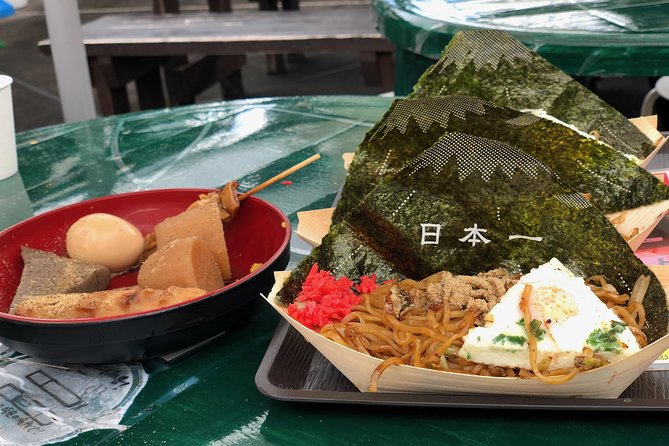
This tour leans into the Fujinomiya flavor world beyond just food. You’ll do sake tasting and also get a cup of local green tea as part of the day.
What makes this feel purposeful is the pairing logic. Tea and sake in Japan aren’t random add-ons; they connect to food culture and local production. So instead of treating drinks as a separate activity, the tour uses them to frame the meal stops you’re already doing.
One practical constraint: the minimum drinking age is 21. If you’re under that age, you’ll still get the rest of the food and culture, but this is important to know so you’re not surprised by the drink portion.
You can also read our reviews of more tours and experiences in Tokyo



Wagashi-making and the sweet-side of Mt. Fuji culture
A standout included experience is wagashi-making. That’s one of those “hands-on, not just watching” activities that can turn a good tour into a memorable one.
Wagashi is more than dessert. It’s a seasonal, craft-heavy way to present sweetness, and it connects strongly to Japanese tea culture. Here, it complements the green tea tasting, so you’re not doing the craft in a vacuum—you’ll understand why the sweets are designed the way they are and how people enjoy them.
Also, wagashi-making is usually something that works well for different travel styles. Foodies get technique and ingredients; non-foodies appreciate the calm, structured activity between busier stops.
Shrine and temple time: when Mt. Fuji shows up (or doesn’t)
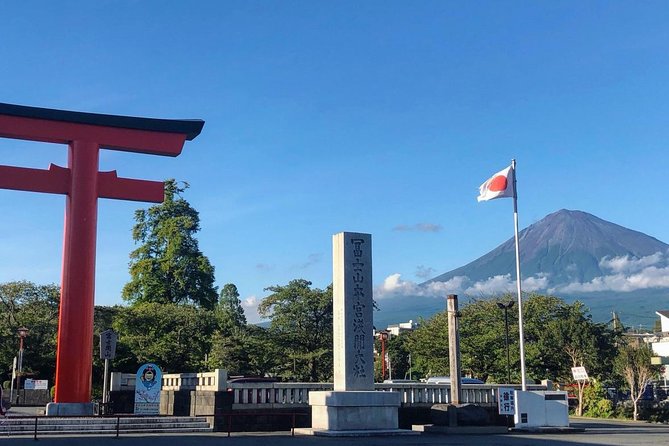
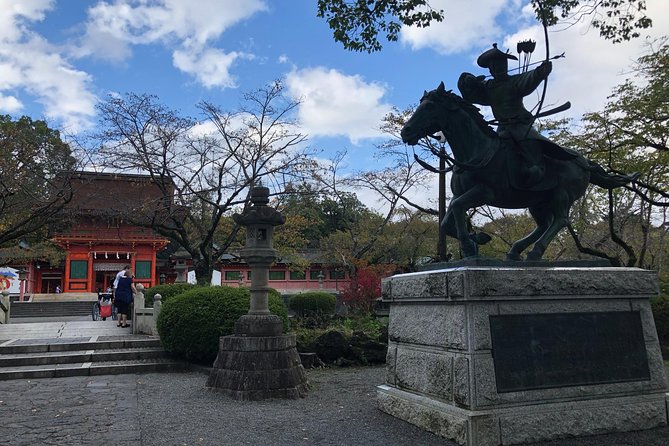
After the food-focused portion, you head into the religious and scenic side of the day. The itinerary includes Fujisan Honguu Sengen Taisha and Daisenji, plus the cultural centre earlier sets you up for what to look for.
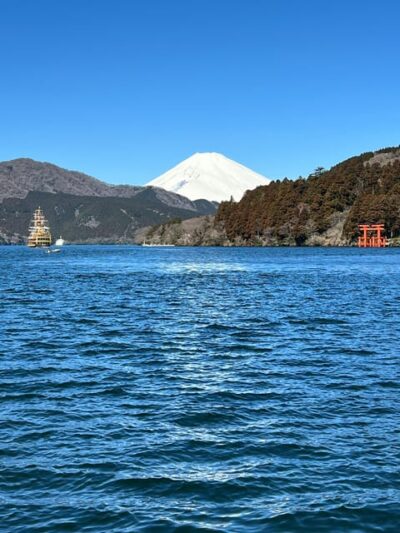
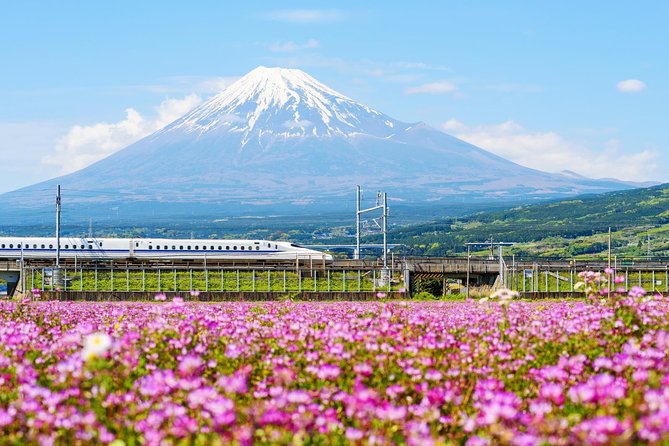
This is where the tour’s “Mt. Fuji views” promise lives. The shrine area is tied to the way people worship and relate to the mountain, so it’s not just a viewpoint—it’s a place with meaning. And Daisenji adds a different atmosphere, giving you a fuller sense of how the region expresses devotion and tradition.
Here’s the one reality check: Mt. Fuji can be hidden. The experience requires good weather, and if conditions are poor, the tour may be adjusted or offered a different date. So if your goal is specifically a dramatic view of the peak, prioritize bringing a flexible attitude and dress for cool, changing conditions.
Fujitaro Honten and the final stretch back to Tokyo
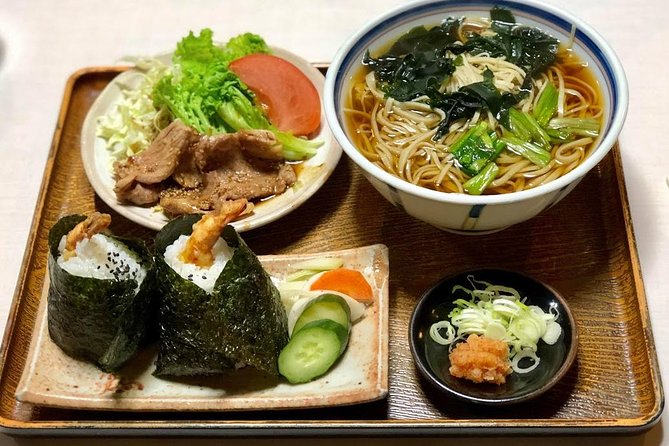
The day ends at Fujitaro Honten before you return to Tokyo. Even without a ton of detail in the essentials, a stop like this is typically about a final regional flavor hit—something to tie the day together and give you an easy way to take a taste home.
Then it’s back on the Shinkansen to your original meeting point in Marunouchi. The round-trip structure is a real convenience: you’re not budgeting extra time for transit decisions after a long day of walking, tasting, and sightseeing.
Who this tour suits best
This is a strong fit if you:
- love food-focused travel and want multiple tastings instead of one meal
- want an efficient Shinkansen day trip with a guide doing the heavy lifting
- enjoy Japanese craft culture, especially wagashi and tea
- want a small-group experience that stays under 10 people
It’s less ideal if you:
- hate being on your feet for a full day and you don’t consider yourself physically strong
- want lots of free time to explore on your own in Fujinomiya
- are expecting a guaranteed Mt. Fuji summit view regardless of weather
Price, logistics, and what to expect on the ground
Let’s be real: $638 is a premium for a day trip. But you’re not just paying for transport. Your ticket covers guided Shinkansen travel, multiple food stops, and included cultural admissions and experiences. You also get mobile ticket support, and the group stays small, which can cut down on the long, slow friction that happens in big tours.
What’s not included: hotel pickup/drop-off, and any extra drinks or food beyond what’s scheduled. Since the day includes tastings and lunch, you can usually stay within the plan—but if you’re the type who wants to keep ordering while others are done, budget a little for optional extras.
One more small but important point: confirmation happens at booking, and the tour uses a mobile ticket, so you’ll want your phone ready and charged on travel day.
Should you book this Mt. Fuji food and sake day trip?
I think this is worth booking if you want the Mt. Fuji region through your taste buds—not just from a viewpoint. The combination of Shinkansen convenience, a small group, six food stops, an 80-year-old lunch, and included culture like wagashi gives you a lot of “done for you” value.
Skip it if your priority is maximum downtime or a slow scenic day. Also, if you’re extremely weather-sensitive (like you’ll be upset if the peak isn’t clearly visible), treat this as a culture-and-food experience first, with views as the bonus.
If your idea of a perfect day in Japan includes learning why people eat what they eat, then this is an easy yes.
FAQ
How long is the tour?
It runs about 7 hours total.
Does the price include the bullet train from Tokyo?
Yes. The tour includes a guided bullet train trip from Tokyo and return travel to the starting city.
What does the tour include for food and drink?
You’ll try local dishes at 6 food stops, have a Japanese lunch, and enjoy sake and local green tea. Additional drinks or extra food are not included, though you may be able to purchase them.
Is wagashi-making included?
Yes. There is a Wagashi-making Experience included.
Is the tour suitable for vegetarians or vegans?
Yes. The tour is listed as vegan, vegetarian, pescetarian, and gluten-free friendly.
Are there age limits for alcohol?
Yes. The minimum drinking age is 21.
What if the weather is bad for Mt. Fuji viewing?
The experience requires good weather. If it’s canceled due to poor weather, you’ll be offered a different date or a full refund.