REVIEW · TOKYO
Kamakura Temples Private Guided Tour from Tokyo
Book on GetYourGuide →Operated by Nippon PLUS · Bookable on GetYourGuide
Kamakura is Tokyo’s quieter spiritual cousin. This private guided day takes you straight into Kamakura’s major temples and shrine—without you having to plan the order or handle the crowd stress. I like how the schedule hits big sights like the Great Buddha at Kotoku-in while still leaving time to wander and breathe.
One heads-up: the $145 price covers the guide and hotel meeting, but you’ll still pay for transportation and temple entrances, plus lunch, on the day.
In This Review
- Key things I’d plan around
- From Tokyo to Kamakura: the day actually starts with simplicity
- Hase-dera Temple: the 11-faced Kannon and the Jizo-do Hall
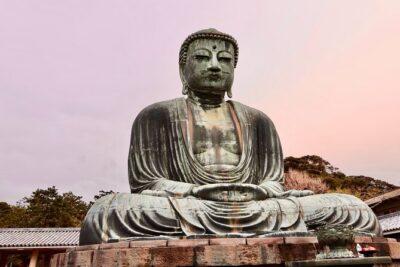
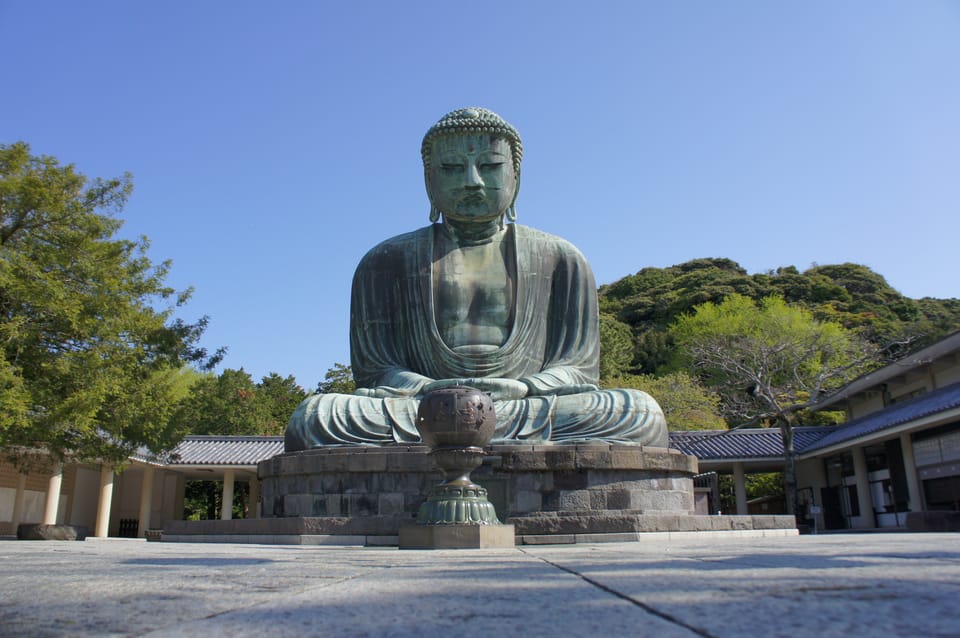
- Kotoku-in and the Great Buddha: 13 meters high, with a timeline back to 1292
- Tsurugaoka Hachimangu: Shinto rituals and Kamakura’s center point
- Komachi Street lunch and shopping: where you choose your own pace
- Price and logistics: what $145 really buys (and what to budget)
- Walking distance and crowd reality: how to stay comfortable
- Guide quality: what to expect from the English interpreter
- Who this Kamakura private tour suits best
- Should you book this Kamakura temples private tour from Tokyo?
- FAQ
- How long is the Kamakura Temples private guided tour from Tokyo?
- What places are included in Kamakura?
- Is the tour private and does it run in English?
- What’s the pickup and drop-off like?
- How much walking is involved?
- Are entrance fees and lunch included in the price?
- How much is public transportation to expect?
- Can I cancel for a full refund?
Key things I’d plan around
- A licensed English-speaking guide helps you understand what you’re seeing, not just where to stand for photos.
- Hase-dera focuses on the Hase Kannon (including the meaning of the 11 faces) plus the Jizo-do Hall with hundreds of small statues.
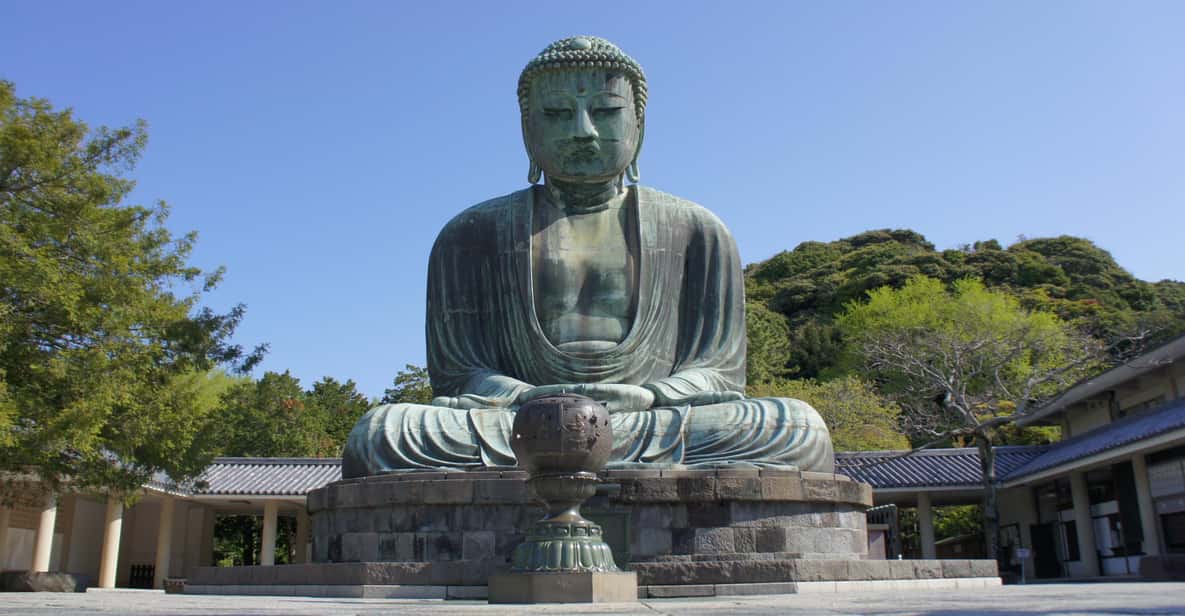
- Kotoku-in’s Great Buddha is 13 meters tall and the tour explains why it matters, including a timeline going back to 1292.
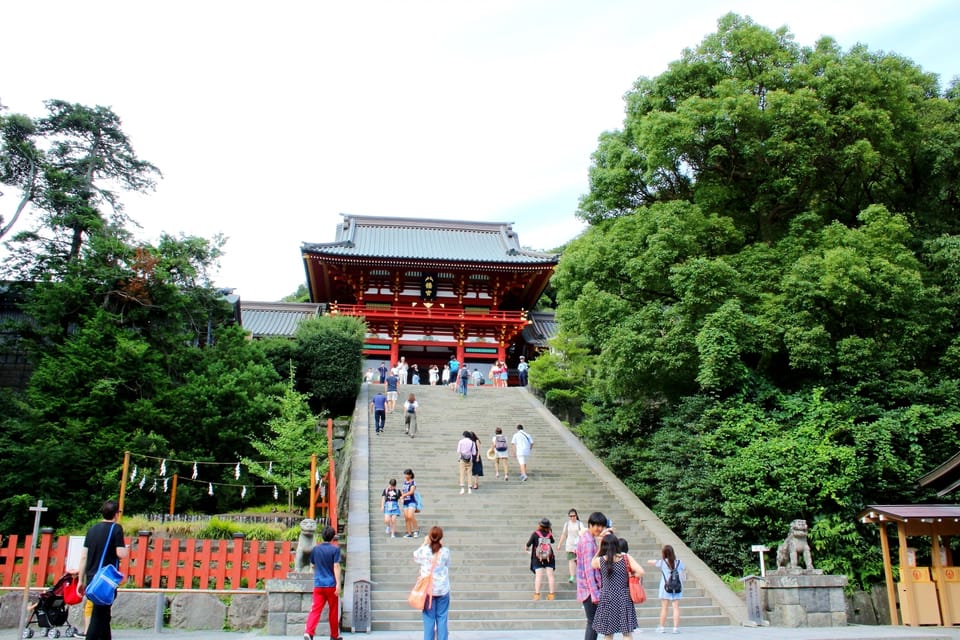
- Tsurugaoka Hachimangu anchors the day at the city’s spiritual center, dedicated to Emperor Ojin (God of War).
- Komachi Street gives you 1.5 hours to reset with lunch and some shopping at your own pace.
- You’ll walk 3–4 km total, so comfy shoes aren’t optional.
From Tokyo to Kamakura: the day actually starts with simplicity
This is built as an easy day trip. Your guide meets you at one of four pickup options (Tokyo Station, Tokyo area, Shinjuku City, or Shinjuku Station) and then you travel to Kamakura by train.
On the timetable, you spend about 70 minutes each way on the main Tokyo–Kamakura ride. Once you’re in town, you’re not hopping around blindly. The pacing is tight but not frantic: guided time at each stop, short transfers between sights, and a real lunch break later.
Why that matters: Kamakura is famous, so it can get busy. Having a private guide means you can spend your mental energy on the temples, not on figuring out trains, entrances, and the best walking route.
Also, pay attention to one detail that affects your comfort level: pickup and drop-off are described as on foot. In practice, that means you’ll be meeting your guide at your lodging area or a nearby point, then moving from there.
You can also read our reviews of more guided tours in Tokyo
Hase-dera Temple: the 11-faced Kannon and the Jizo-do Hall
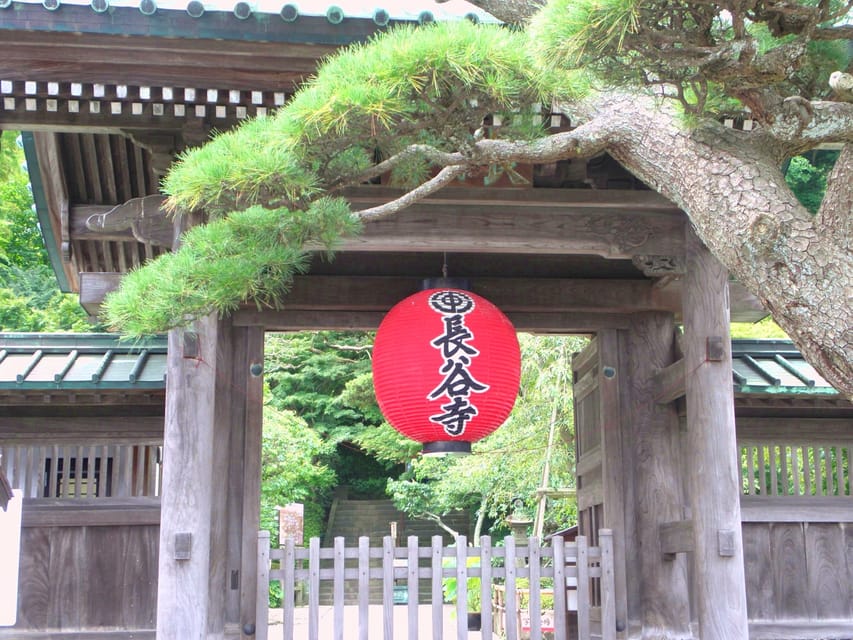
Your first big stop is Hase-dera (Hasedera), sometimes called the Temple of Flowers. You’ll get a guided visit with a photo stop—then you have a little freedom to look around the grounds.
The star is Hase Kannon, the Buddhist statue of Kannon (the Goddess of Mercy). What I’d watch for is the tour’s explanation of the eleven-faced Kannon. Those faces aren’t treated as random decoration; they’re explained as representing different phases in the search for enlightenment. That single interpretive point makes the statue feel far more specific once you’re standing in front of it.
Then there’s the Jizo-do Hall, famous for holding hundreds of small Jizo Bodhisattva statues. It’s the kind of place where you can keep noticing new details without needing extra info. Even if you don’t read everything on-site, the scale of the statues and the quiet focus of the hall does the work.
Practical tip: bring your attention with you. At Hase-dera, it’s easy to treat it like one more temple on a list. A guide helps you slow down and understand what each section represents.
Kotoku-in and the Great Buddha: 13 meters high, with a timeline back to 1292
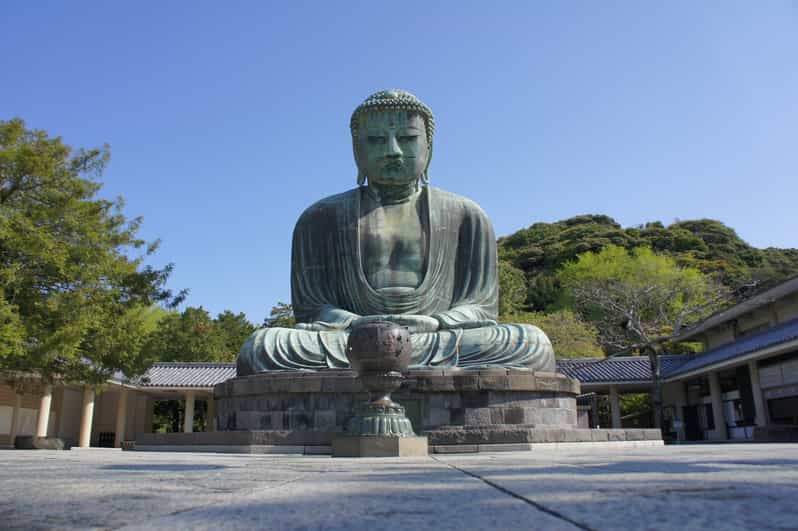
Next up is Kōtoku-in Temple, where you’ll see Japan’s famed Great Buddha. You get another guided stop plus time for photos, and this is where the day’s wow-factor really lands.
The statue is 13 meters high, and the tour includes background on its significance and history, including that it dates back to 1292. Even with no deep prior knowledge, it’s hard not to feel the scale. The Great Buddha isn’t just an object to view; it’s a marker of how long people have returned to this kind of devotion.
One thing to keep in mind: the Great Buddha entrance is listed as an additional 300 yen per person. So you’ll want to be mentally prepared for the pay-at-the-day portion if you’re budgeting tightly.
Best way to enjoy Kotoku-in: treat it like a single moment. Stand, take your photos, then listen to your guide’s historical framing. After that, you can look around the area and let the rest of the temple feel like supporting context instead of competing priorities.
Tsurugaoka Hachimangu: Shinto rituals and Kamakura’s center point
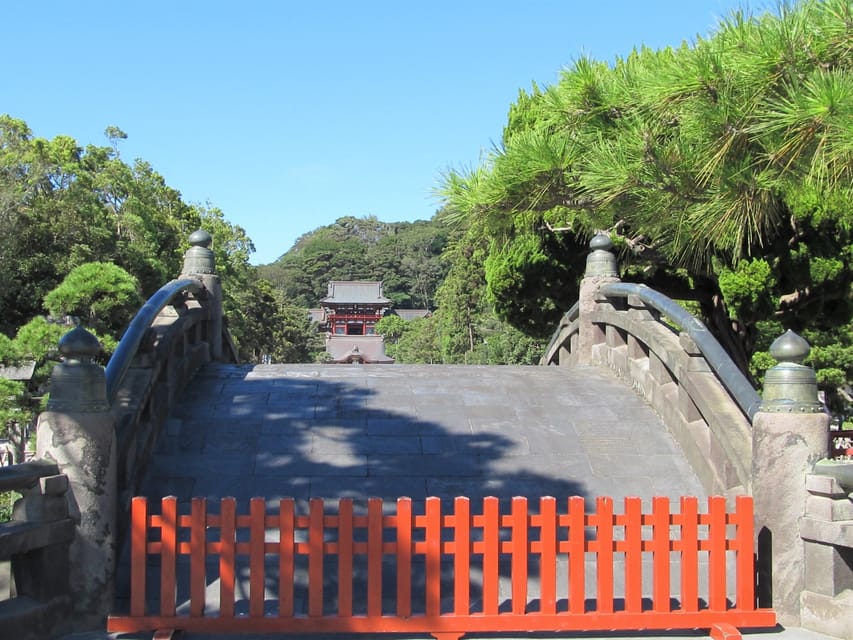
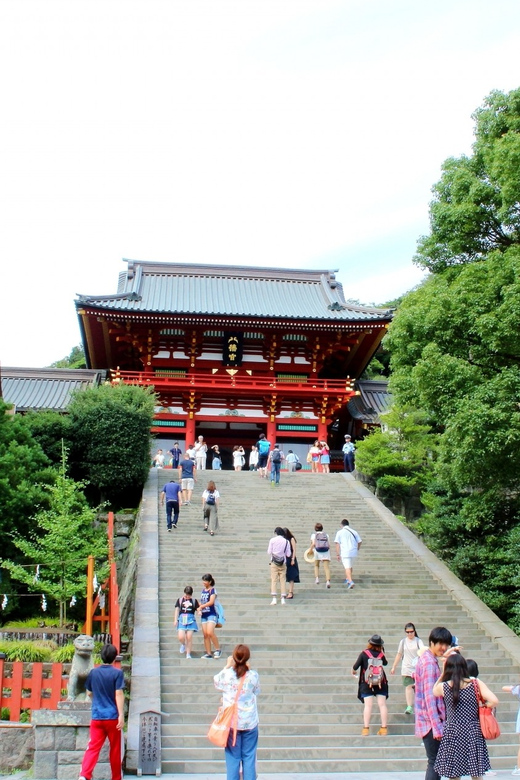
After lunch time later in the day, you still get one of the big spiritual anchors first: Tsurugaoka Hachimangu Shrine. This stop has guided time and a photo stop, and it’s positioned as the most important Shinto shrine in Kamakura.
The facts the guide should explain (and that you can look for as you explore):
- It was built in 1063
- It’s dedicated to Emperor Ojin, also known as the God of War
- The shrine sits at the geographical center of Kamakura
The effect of those details is that it stops feeling like a generic shrine visit. It becomes a way to understand how Kamakura organized itself around power, belief, and community space.
This is also a good spot to enjoy the atmosphere. It’s described as tranquil, and the guide’s insight helps you notice how the complex functions as a lived-in sacred place—not just a set for tourists.
Practical thought: if you’re sensitive to crowd levels, this is a place where your guide’s route choices matter. The tour is private, and that makes navigation easier.
Komachi Street lunch and shopping: where you choose your own pace
Once the temple-and-shrine portion wraps, you land on Komachi Street. You’ll get 1.5 hours that mixes lunch, guided time, free time, and shopping.
This is a smart design choice. Lunch time during a sightseeing day can either feel rushed or become a forced tourist meal. Here, the structure gives you freedom to pick what fits you while still staying on schedule.
You’re also in a place built for casual browsing. Komachi Street is ideal if you want:
- a sit-down Japanese meal,
- quick snacks between stops,
- or souvenir shopping without it feeling like a duty cycle.
If you’re traveling as a couple or a family, this segment is where you can split preferences—one person browsing, another taking a break—without derailing the day.
You can also read our reviews of more private tours in Tokyo

Price and logistics: what $145 really buys (and what to budget)
The headline price is $145 per person for an 8-hour private guided tour. What’s included is straightforward: a National Government Licensed Guide Interpreter and hotel pickup and drop-off (on foot).
What’s not included is where you’ll want to do your quick math:
- Public transportation (for you and the guide) around 2,000 yen per person
- Entrance fees: Hasedera 400 yen, Kotoku-in Great Buddha 300 yen
- Lunch and drinks
Also budget for the main train ride. The tour notes that one-way train tickets cost around 1,200 yen. Depending on what the tour uses for local movement, your total transit cost can land higher than the one-way figure alone—so treat the posted 2,000 yen “around” as your planning number, not a guarantee.
So is $145 good value? It usually is if you care about interpretation and efficiency. You’re paying for a private English guide plus a full-day structure that links major sites (Hase-dera, Kotoku-in, Tsurugaoka Hachimangu) with time to actually look around.
If you’re the kind of traveler who only wants company and photos, you might feel the price more sharply—because the on-site commentary is the main value add. In a low-information version of this day, the sights still impress, but you lose the payoff from having someone connect the dots.
My advice: treat this as a guide-first day. If you want context, you’ll likely feel the value quickly.
Walking distance and crowd reality: how to stay comfortable
The tour includes 3–4 km of walking. That’s not extreme, but it’s enough to make shoes matter—especially if you’re also doing stairs or standing in viewing areas.
A private guide helps with crowd navigation. When routes get tight, you don’t want to be the one stopping to re-check maps. This tour is set up to keep you moving logically between stops, with short transfers rather than long, uncertain walks.
Still, you can make the day easier on yourself:
- wear comfortable shoes,
- keep water and snacks in mind for later (lunch is built in, but drinks aren’t included),
- and pace your photo stops so you don’t linger too long in one spot.
Guide quality: what to expect from the English interpreter
This tour is led by an English live guide, and English is the language of communication.
What varies most from one day to another is how much detail your guide chooses to share at each location. Some guides (with names you might encounter, like Mizuma-san, Steve, Take, or Richie) have a reputation for explaining historical and cultural context in a way that feels easy to follow. Others may focus more on moving you between sights and less on extended explanations.
So if you’re picky about guidance style, do this: at the beginning of the day, tell your guide what you want most—temple symbolism, historical timelines, or practical cultural context. A private setting makes that conversation genuinely useful.
Who this Kamakura private tour suits best
I’d say this tour fits best if you want:
- a first-time Kamakura day trip that covers the big three icons,
- someone to connect what you see—like Kannon’s eleven faces or the Great Buddha’s timeline—to what it means,
- and a schedule that keeps you from dealing with on-the-spot transport planning.
It’s also a good option for families who want structure. With private guidance, kids (and adults) usually enjoy having a story to go with the sights.
If you already know your Kamakura sites well and you prefer a loose self-guided day, you might find a private tour less necessary. This one is about guided understanding and efficient flow.
Should you book this Kamakura temples private tour from Tokyo?
Book it if you want a smooth, English-guided day that covers Hase-dera, Kotoku-in’s Great Buddha, and Tsurugaoka Hachimangu with clear explanations and a real lunch window on Komachi Street. The combination of major landmarks plus guide interpretation is exactly what makes the day-trip structure worth the private price.
Skip it or shop around if you dislike paying extra on the day or if you prefer long, deep explanations at every stop. This experience includes add-on entrances and lunch, and the day’s value depends on how much you’ll appreciate the guide’s commentary.
If you’re a “tell me what I’m looking at” traveler, you’ll likely feel happy with this plan—especially once you’re standing under a 13-meter Great Buddha and listening to why it matters.
FAQ
How long is the Kamakura Temples private guided tour from Tokyo?
The tour duration is 8 hours.
What places are included in Kamakura?
You visit Hase-dera, Kotoku-in (including the Great Buddha), and Tsurugaoka Hachimangu Shrine, plus time on Komachi Street for lunch and shopping.
Is the tour private and does it run in English?
Yes, it’s a private group tour, and the guide provides English interpretation.
What’s the pickup and drop-off like?
You can choose among four pickup locations: Tokyo Station, Tokyo, Shinjuku City, or Shinjuku Station. Pickup and drop-off are described as on foot, and you’ll travel by train for the main route.
How much walking is involved?
The tour includes 3–4 km of walking, so comfortable shoes are recommended.
Are entrance fees and lunch included in the price?
No. Entrance fees are not included (Hasedera: 400 yen; Kotoku-in Great Buddha: 300 yen). Lunch and drinks are also not included.
How much is public transportation to expect?
Public transportation to and from attractions for you and the guide is around 2,000 yen per person. The one-way Tokyo–Kamakura train tickets are noted as around 1,200 yen.
Can I cancel for a full refund?
Yes. You can cancel up to 24 hours in advance for a full refund.