REVIEW · TOKYO
From Tokyo: Mount Fuji Private Tour With English Guide
Book on GetYourGuide →Operated by Wonder land · Bookable on GetYourGuide
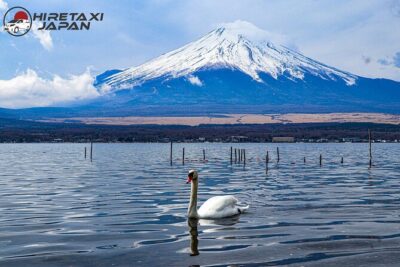
Mount Fuji looks different from every angle. This day tour strings together the best photo stops without you having to plan every turn. I love the private setup with an English-speaking driver who can tailor the day, and I love that you get multiple Fuji viewpoints in one trip, from the pagoda to the 5th Station. One thing to keep in mind: if the weather is thick or rainy, cloud cover can hide the mountain, even though the tour runs rain or shine.
You’ll also appreciate the “Fuji-and-friends” pacing. You’re not only chasing the peak—you’re sampling Fuji water at Oshino Hakkai, enjoying Fuji Five Lakes scenery, and working in classic hot-spring area stops and ropeways. The possible drawback for some people: it’s a lot of stops in one day, and several include walking on uneven ground, so comfortable shoes matter.
In This Review
- Key highlights at a glance
- A private Fuji day that feels organized, not rushed
- Price and what you’re really paying for (and getting back)
- Starting point: choosing Ueno or Tokyo, then settling in
- Chureito Pagoda: the Fuji postcard moment, with a real-time payoff
- Fuji 5th Station: when the mountain gets close
- Lake Kawaguchi: reflection country when the sky cooperates
- Lake Yamanaka and the duck boat ride: a lighter break
- Oishi Park and the Lawson Kawaguchiko Station photo stop
- Oshino Hakkai: Fuji’s water in clear ponds
- Arakura Fuji Sengen Shrine: the five-storied pagoda viewpoint
- Lake Ashi: a change from lakes near Fuji
- Ropeways and valley stops: Hakone in a day, efficiently
- Gotemba Premium Outlets: a Mount Fuji day with shopping reality
- Food options for halal and vegetarian travelers
- Getting the most out of the day: how to prepare
- The guides: what recent experiences teach you about the service
- Who should book this private Mount Fuji day trip?
- Should you book the Mount Fuji private tour?
- FAQ
- Where are the pickup locations for this Mount Fuji private tour?
- How long is the tour, and is it rain or shine?
- What’s included in the price?
- Can the tour accommodate halal or vegetarian meals?
- Are entrance fees and meals included?
- What should I bring and what isn’t allowed?
Key highlights at a glance
- Private day, flexible routing: You choose pickup and the driver can adjust based on your preferences.
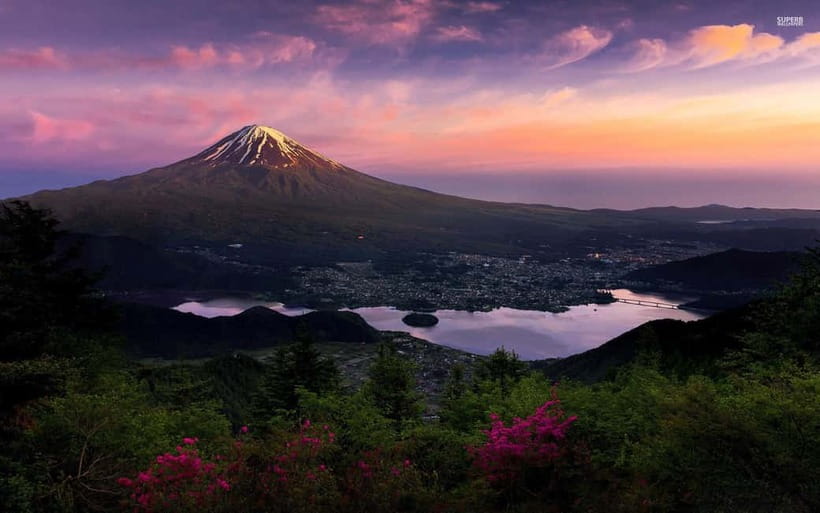
- Fuji from postcard locations: Chureito Pagoda, Lake Kawaguchi, and the Fuji 5th Station.
- Oshino Hakkai’s snowmelt ponds: A meaningful culture stop tied directly to Mount Fuji’s water.
- Hakone add-ons by ropeway and valley stops: Big scenery day beyond just the mountain.
- Family-friendly, stress-free vibe: Guides in recent bookings were praised for patience with kids and smooth timing.
A private Fuji day that feels organized, not rushed
This tour is built for people who want Mount Fuji to be the star, but also want a day that runs on rails. You start with pickup in the Tokyo area (you can choose from Ueno, Tokyo, or Yamanashi), then you settle into a comfortable private vehicle for the long transfer out of the city.
What I like most is how the schedule is arranged around visibility and variety. You’re not just driving past viewpoints. You’re stopping long enough to actually look, take photos, and soak in the scene. Recent reviews highlight this “smooth and enjoyable” feel, even for families—big groups and kids included—because the driver keeps things moving while still giving you time at the key photo moments.
The private format also matters. In a shared tour, you wait for everyone, stand in lines, and follow a rigid pace. Here, your day can bend: the operator notes they can adjust meal stops for halal and vegetarian needs, and they can revise the route when you request a different sight (more on that later).
You can also read our reviews of more guided tours in Tokyo



Price and what you’re really paying for (and getting back)
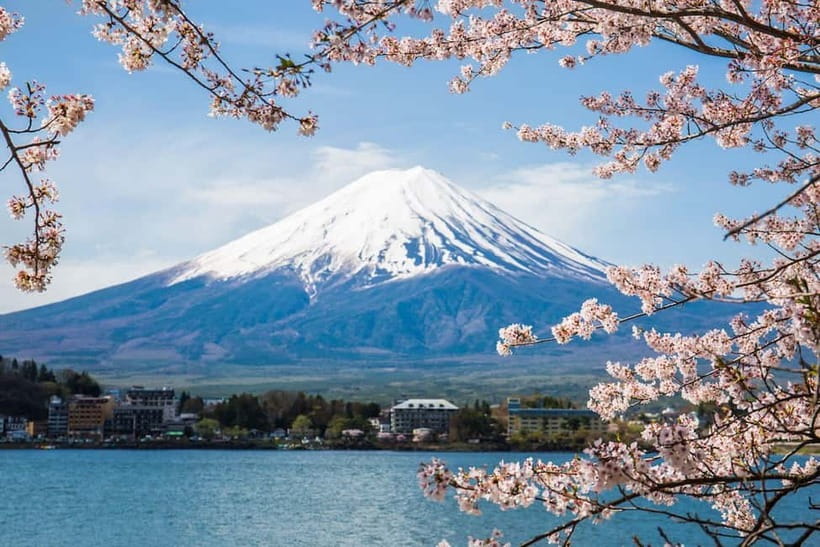
It costs $318 per group (up to 6) for a 10-hour day trip. That price can feel steep until you translate it into what you get: private transport plus an English-speaking driver, water bottles, coffee, and a day packed with multiple “big name” locations.
If you’re coming as a couple or small group, the value is mainly in:
- avoiding the stress of public transit transfers
- maximizing photo time without losing hours in queues and missed connections
- getting your route adjusted for comfort, kids, or food needs
If you’re traveling with friends and can fill the group size, this can quickly become one of the better ways to do Fuji from Tokyo without spending days coordinating trains and buses.
Just be honest with yourself about your energy. It’s a full day with many stops. If you want a slow, one-viewpoint-at-a-time style trip, you might find the pacing busy. But if you want “see a lot, still have time to enjoy,” this format fits.
Starting point: choosing Ueno or Tokyo, then settling in
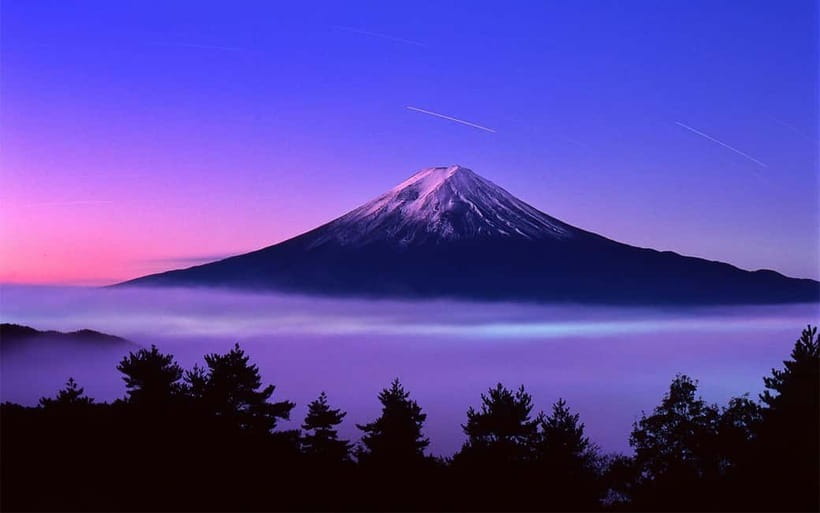
Pickup is one of the simple wins here. You get three pickup location options: Ueno, Tokyo, or Yamanashi. That flexibility helps a lot if you’re not staying right in the center, or if you’d rather start closer to where your day already begins.
Once you’re in the car, the tour includes a transfer segment of about 2 hours before the sightseeing really starts. During long drives like this, having a driver who’s used to these roads makes a difference. The vehicle is described as comfortable and sized for the group, and recent feedback praises drivers for being friendly and professional while keeping the trip smooth.
One practical note: the tour lists restrictions like no smoking in the vehicle and no alcohol/drugs. So you’ll want to plan for water and snacks if you don’t want to rely on meal stops.
Chureito Pagoda: the Fuji postcard moment, with a real-time payoff
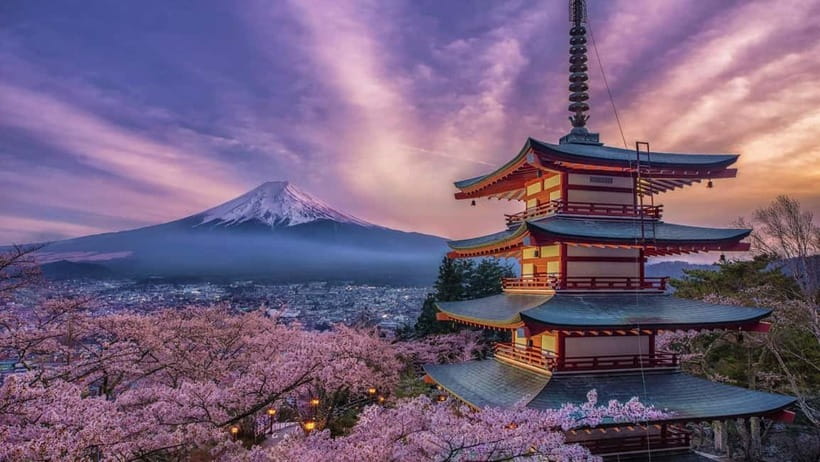
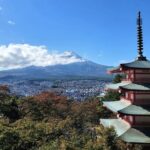
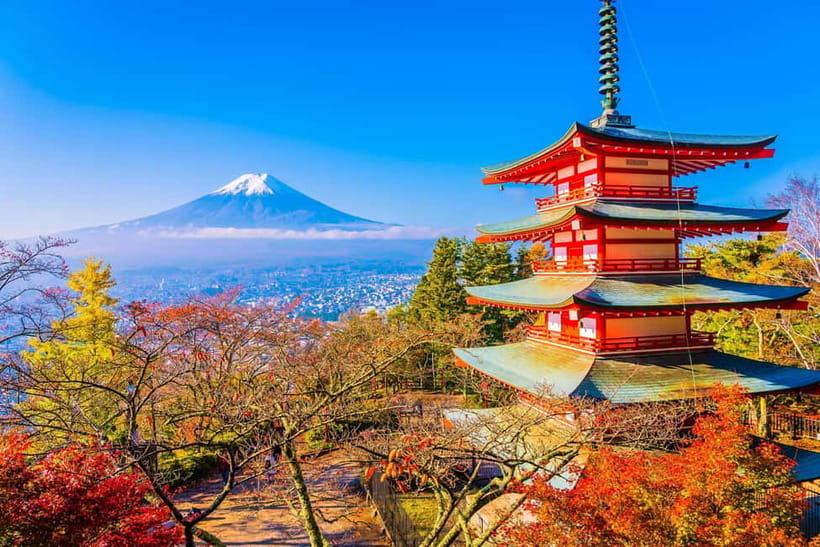
You’ll start with Chureito Pagoda, one of Japan’s most recognizable Fuji-with-a-pagoda scenes. This stop is scheduled for a break and photo time, with time to walk around and take pictures from different angles.
Why this place works so well for a first-time Fuji day:
- The composition is famous for a reason—Fuji often lines up behind the pagoda like a framed painting.
- Even if the weather changes, you’re in a spot designed for viewing and photographing.
- You get a gentle “opening act” before the bigger driving blocks.
There’s also an extra benefit: it sets your expectations for the day. After seeing Fuji framed like this, the later viewpoints feel like a progression, not random stops.
Fuji 5th Station: when the mountain gets close
Next up is Mt. Fuji 5th Station, the highest point you can reach by vehicle. This is one of the true “wow” stops on a Fuji day because it changes the scale. Instead of viewing Fuji from a distance, you’re much closer to the volcanic terrain and the high-altitude atmosphere.
The tour gives about 45 minutes here for visits and sightseeing. That’s usually enough time to:
- take in wide views
- feel the altitude setting
- grab photos before clouds roll in (if they do)
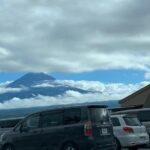
A key consideration: visibility. The tour runs rain or shine, but you can’t force the sky to clear. If you go on a day with low clouds, you might get fewer mountain views. Still, 5th Station is often worthwhile even without a perfect view because it’s the most direct “Fuji experience” accessible by car.
You can also read our reviews of more private tours in Tokyo

Lake Kawaguchi: reflection country when the sky cooperates
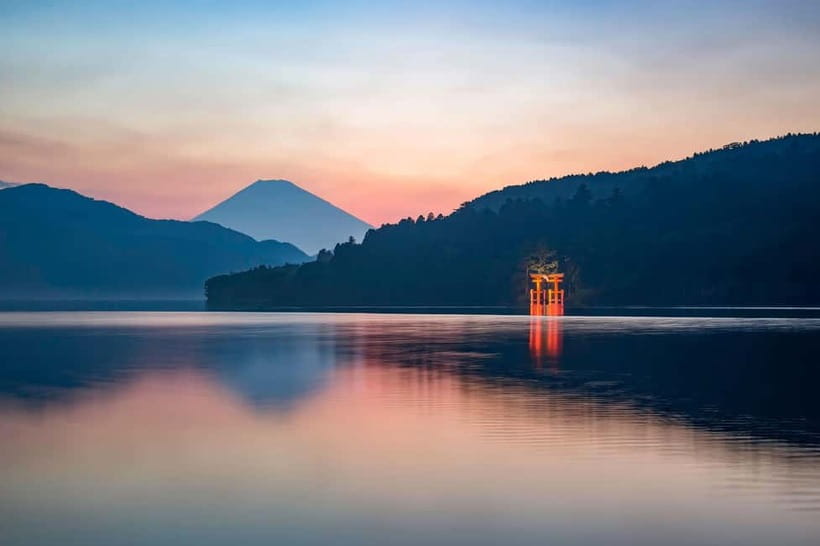
For many people, Lake Kawaguchi is the emotional center of a Fuji day. This stop is planned for about 1 hour of sightseeing time, with scenic views on the way and a relaxed feel once you arrive.
Lake Kawaguchi is famous for its mirror-like reflections of Mount Fuji on clear days. Even when the reflection is faint, you can still enjoy:
- lakeside atmosphere
- a slow pace that balances the earlier temple/pagoda time
- easy photo opportunities from common viewing points
One smart way to use your hour: don’t spend it all on one side. If conditions allow, move a bit and you’ll often find different angles that feel like different seasons of Fuji photography.
Lake Yamanaka and the duck boat ride: a lighter break
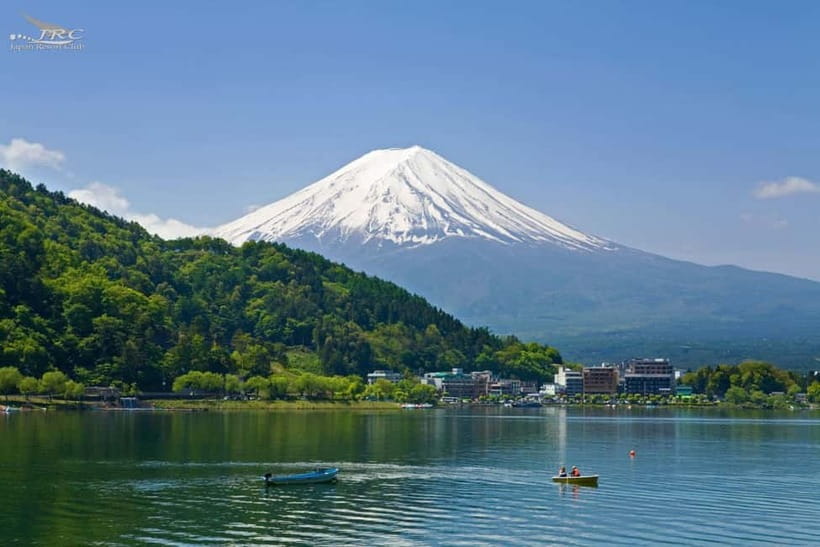
Then the tour shifts to Lake Yamanaka, with sightseeing plus a duck boat ride for about 30 minutes. This is a nice change of pace in a packed day. The duck boat part is short, but it adds fun and motion—great for families and groups that need a break from walking and standing.
Even if you’re not a “boat person,” Yamanaka helps balance the itinerary. After pagoda and 5th Station intensity, it gives you something more playful and casual.
Oishi Park and the Lawson Kawaguchiko Station photo stop
The schedule includes a stop at Oishi Park (with a break and sightseeing time) and a photo stop near LAWSON Kawaguchiko Station.
These parts are less about a single monument and more about Fuji views in everyday scenery. Oishi Park is where you go to see Fuji with lake-and-hill context. The LAWSON area photo stop is more of a quick, iconic “Fuji in town” moment—use it for snapshots and a breather.
In a day with lots of changing scenes, tiny pauses like these can make the biggest difference to how the day feels.
Oshino Hakkai: Fuji’s water in clear ponds
Next is Oshino Hakkai, known for its crystal-clear ponds fed by snowmelt from Mount Fuji. This stop is loaded with atmosphere: you’re in a traditional-style area with ponds, shops, and that quiet “Fuji village” feeling.
The tour allocates time for photo stops, visiting, shopping, and sightseeing. You’ll also get the distinctive experience highlighted in the tour description: tasting water from Mount Fuji.
Why I think this stop earns time:
- It ties the mountain’s story to something you can physically experience—water.
- It breaks up the day so you’re not always in high-viewpoint mode.
- It’s a cultural stop, not just scenic scenery.
Possible consideration: if it’s rainy, some of the walking can feel slippery. Comfortable shoes aren’t optional on a day like this.
Arakura Fuji Sengen Shrine: the five-storied pagoda viewpoint
After Oshino Hakkai, you’ll head to Arakura Fuji Sengen Shrine, often linked with the five-storied pagoda viewpoint.
This is a break, photo stop, and visit stop for around 30 minutes. It’s short, but it’s the right kind of short: enough to climb a bit, take photos, and get that “Fuji framed by structure” feeling again after Chureito Pagoda.
If you want variety in your photos (and not just repeated angles), this is a strong inclusion.
Lake Ashi: a change from lakes near Fuji
The itinerary later includes Lake Ashi with about 1 hour for break, photo stop, visiting, and sightseeing. Lake Ashi helps shift the mood. By now you’re deeper into the broader Hakone/area feel, so the scenery becomes less “single-mountain postcard” and more “volcanic region in motion.”
This is also where the day starts to feel like a route, not just a list of attractions. The vehicle takes you from viewpoint to viewpoint, and Lake Ashi adds a slower, sweeping feel.
Ropeways and valley stops: Hakone in a day, efficiently
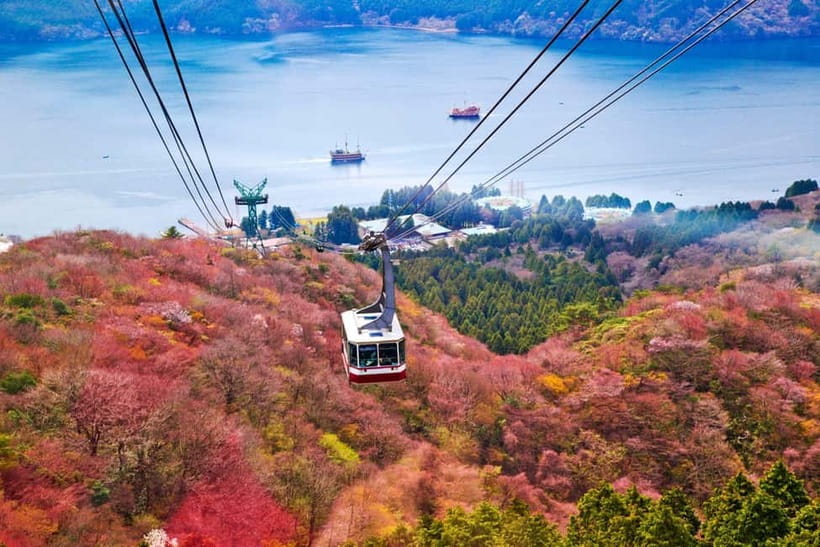
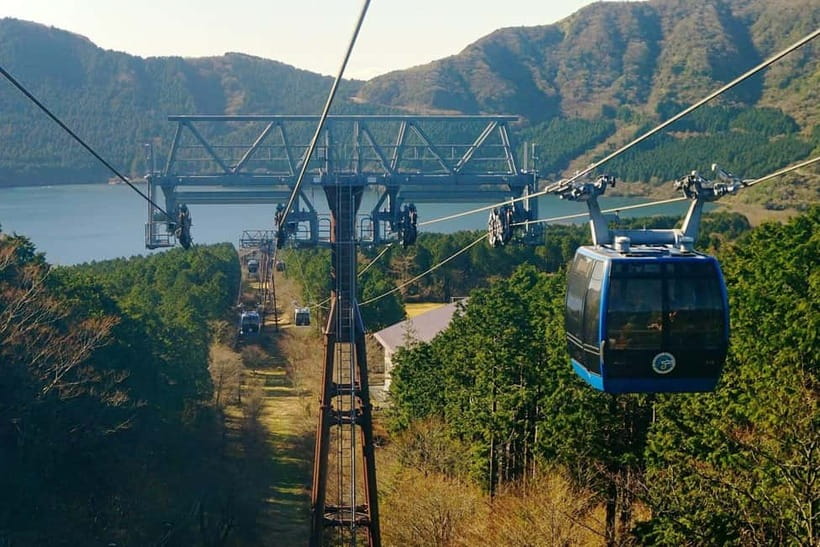
The tour includes both Mt. Kachi Kachi Ropeway and Hakone Ropeway, plus valley/park-style stops like Owakudani Valley and Fugaku Wind Cave and Narusawa Ice Cave.
Here’s how this part tends to work for your experience:
- Ropeways give you wide views without long hikes.
- Cave and valley stops add variety and texture (not just views, but physical places).
- You’ll likely spend more time inside or at attractions here than you do at purely scenic corners.
A couple notes based strictly on what’s provided:
- Mt. Kachi Kachi Ropeway includes about 2 hours total with a safety briefing.
- Hakone Ropeway also shows about 2 hours, with free time and a cable car ride.
- Owakudani Valley is listed as a visit/free-time/sightseeing stop, with duration not specified.
- Fugaku Wind Cave and Narusawa Ice Cave each appear with around 15 minutes.
My practical advice: pack your energy for this block. The day includes transitions, and this is where timing can feel tight. If you’re prone to motion sickness, plan accordingly before you hit the ropeways.
Gotemba Premium Outlets: a Mount Fuji day with shopping reality
Yes, there’s also Gotemba Premium Outlets. You get about 2 hours for shopping and free time.
This is a “value” stop for a specific kind of traveler: you can turn a big scenic day into a one-day shopping errand too. If you’re shopping anyway, it’s efficient. If you’re not, you might treat it as a stretch break and use the time to rest your feet.
Either way, it’s a flexible slot where you can choose what to do with your time.
Food options for halal and vegetarian travelers
One detail I’m glad is explicitly offered: the tour can arrange meal stops that are Muslim-friendly or vegetarian. The operator also says they’re happy to adjust the itinerary to meet your preferences.
That’s not just a checkbox. In practice, it changes the whole day. When food options are handled for you, you spend less time worrying about finding somewhere safe and suitable between scenic stops.
If you have dietary needs, communicate them at booking so the driver can plan the timing around your meal.
Getting the most out of the day: how to prepare
This tour asks you to be comfortable moving through multiple sites. So I’d plan like this:
- Wear comfortable shoes (the tour does not allow sandals or flip flops).
- Bring a charged smartphone for photos and Fuji visibility checks.
- If you get carsick easily, consider prep before ropeways and windy areas.
- Bring cash, since cash is listed as something to have.
Also, the tour operates rain or shine with adjustments for safety and comfort. That means you should bring weather-appropriate clothing, even if the forecast looks friendly.
The guides: what recent experiences teach you about the service
Recent reviews name drivers and guides like Rana, Ali, and Malik. The common thread in the praise is not just friendliness. It’s competence and flexibility.
A few specific patterns stand out in the feedback you provided:
- Ali was repeatedly described as patient and professional, including for larger families with young kids.
- Guides were able to keep the day organized and stress-free.
- In one case, a request for a different waterfall stop (Shiraito Falls) led to a quick route change, and the guide handled a misunderstanding politely and fast.
That tells me the private format is real. You’re not just paying for a car—you’re paying for someone to translate your requests into a workable route.
Who should book this private Mount Fuji day trip?
I’d recommend this tour if you fit one of these profiles:
- You want big Fuji viewpoints plus regional sights in a single day.
- You’re traveling with a family or a group and prefer a private pace.
- You care about convenience: hotel pickup, direct transport, and help with photos.
- You need dietary flexibility (halal/vegetarian) and want it handled during the day.
I’d hesitate if:
- you get tired easily with lots of stops and short sightseeing windows
- you’re traveling with mobility limits and can’t handle short walks on uneven terrain (the tour notes wheelchair accessibility, but also says participants should be able to walk short distances)
Should you book the Mount Fuji private tour?
If your goal is to see Mount Fuji from multiple proven angles—pagoda, lake, Oshino Hakkai, and Fuji 5th Station—and you want your day handled end-to-end, this is a strong choice. The private setup, photo support, and flexibility around pickup and preferences make it feel like a tailored day rather than a standard bus tour.
Book it when you’re okay with a packed schedule and you want efficiency without the stress of planning transit. If you’d rather do fewer stops with longer lounging time, consider a slower Fuji-focused itinerary instead.
FAQ
Where are the pickup locations for this Mount Fuji private tour?
Pickup options are listed as Ueno, Tokyo, or Yamanashi. You choose the pickup location.
How long is the tour, and is it rain or shine?
The duration is 10 hours. The tour operates rain or shine, with adjustments made for safety and comfort.
What’s included in the price?
Included items are: private full-day tour, transportation in a comfortable vehicle, an English speaking driver, return transportation to Tokyo, visiting famous places, photo assistance, water bottles, coffee, and internet if needed.
Can the tour accommodate halal or vegetarian meals?
Yes. The operator says they can arrange Muslim-friendly or vegetarian meal stops and adjust the itinerary to match your preferences.
Are entrance fees and meals included?
No. Entrance fees and meals and refreshments are not included.
What should I bring and what isn’t allowed?
Bring passport or ID, comfortable shoes, comfortable clothes, and a charged smartphone (cash is also listed). Not allowed: sandals/flip flops, pets, oversize luggage, smoking in the vehicle, and alcohol and drugs.