REVIEW · TOKYO
Tokyo: Private Tsukiji Fish Market Tour with 3 food stops
Book on GetYourGuide →Operated by Trip Port · Bookable on GetYourGuide
Three bites, two temples, zero stress. This private Tsukiji walk mixes street food with real local customs, paced so you are not stuck watching someone else’s plan. I like that you get three included tastings picked for you, plus time to wander the Outer Market with a guide who can read the room.
You also step out of seafood mode for a Shinto stop at Namiyoke Inari Jinja and a Buddhist visit at Tsukiji Hongan-ji. One caution: if you are craving heavy storytelling about the market’s history and daily mechanics, you may want to ask for more context early, since not every guide style hits the same depth.
Guides can work in English or Japanese, and on prior departures guides like Shuto and Sowar have shown people how to pray and adjusted the flow when someone was not ready to snack right away. At $49 for a 2-hour, self-guided pace is not the goal here. The goal is a guided route that gets you fed and oriented fast.
In This Review
- Key highlights worth circling
- Tsukiji’s real draw: food culture, not just scenery
- Meeting at Lawson Tsukiji 4 Chome: simple start, clear route
- Stop 1: 築地魚河岸 海幸橋棟 in about 15 minutes
- Namiyoke Inari Jinja: a Shinto pause you can actually use
- Tsukiji Outer Market: your 55 minutes of food and freedom
- What if you are not ready to eat yet?
- How to get the most out of the Outer Market time
- Tsukiji Hongan-ji: Buddhist calm, plus meaningful context
- The three included foods: why the selection matters
- How much value is $49 for a private 2-hour Tsukiji tour?
- Guide style matters: what to ask so you get the depth you want
- Who this tour fits best
- Should you book this Tsukiji private tour?
- FAQ
- FAQ
- How long is the Tsukiji private tour?
- Where does the tour start?
- Where does the tour end?
- Is this a private tour?
- What food is included?
- What else is included besides the tastings?
- What languages are offered?
- Is the tour wheelchair accessible?
- What if I need to cancel?
- What if I am late to the meeting point?
Key highlights worth circling
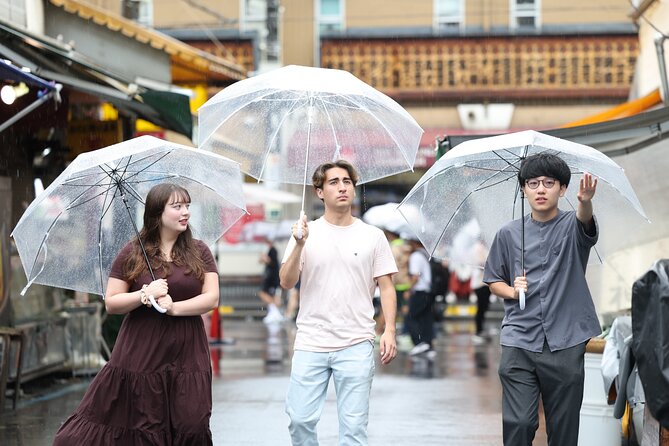
- Private routing at your pace, so you can slow down at the stalls that catch your eye
- Three included food tastings chosen for Tsukiji’s local flavor, not random tourist bites
- Namiyoke Inari Jinja visit with prayer guidance, plus a second stop at Tsukiji Hongan-ji
- Outer Market time (about 55 minutes) to taste, look, and ask questions without rushing
- Flexible guide approach, including adjusting when you do not want to eat at the start
- Photo sharing after the tour, so you keep your hands free for food and your camera
Tsukiji’s real draw: food culture, not just scenery
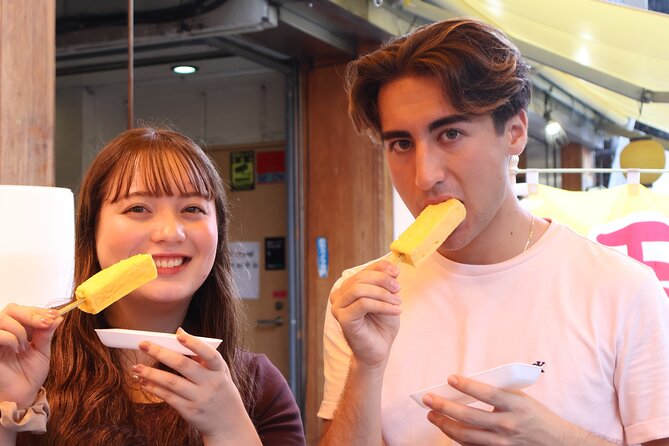
Tsukiji gets billed as a fish market, but the best part is the food culture around it. The streets and stalls teach you how Japan organizes everyday life around what people buy, cook, and share. Even if you have read a lot about Tsukiji, it still helps to see it with a plan and someone who knows how to connect the dots.
This tour is built for that. You are walking the Tsukiji area with a friendly local guide, then sampling three must-try items included in the price. The structure matters because Tsukiji is sensory overload—if you show up cold, you can spend the whole time trying to decide what is good and what is just loud.
You can also read our reviews of more food & drink experiences in Tokyo



Meeting at Lawson Tsukiji 4 Chome: simple start, clear route
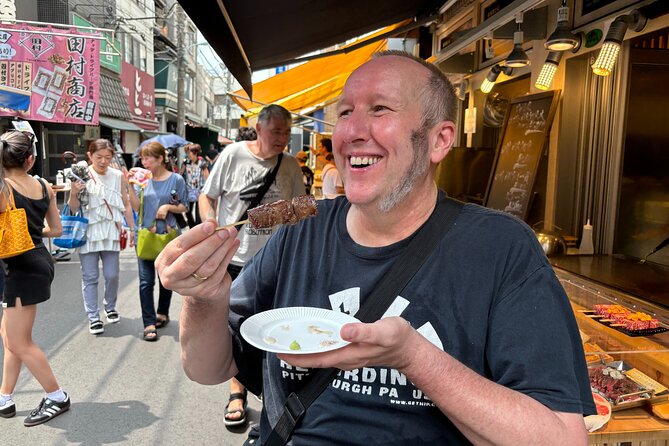
The tour starts at LAWSON Tsukiji 4 Chome Store. Your guide will be standing in front of the store, so you are not hunting for a hidden meeting plaque.
The whole thing runs about 2 hours on foot. That timing is a sweet spot: long enough to feel like you did something real, short enough that Tsukiji does not burn your whole day. You also finish at 築地駅 (Tsukiji Station), which is convenient if you want to hop onto the next leg of your Tokyo route.
Because it is private, you get a smoother experience than the classic big-group approach. There are no other participants in your group plan, which helps when you want to linger over a stall or skip a line without making it awkward.
Stop 1: 築地魚河岸 海幸橋棟 in about 15 minutes
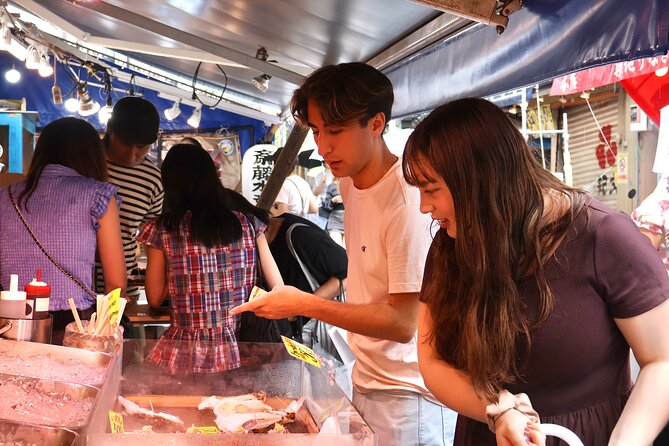
Your first guided glimpse is at 築地魚河岸 海幸橋棟 for roughly 15 minutes. This is a good opener because it sets the tone: you are arriving in the Tsukiji zone where food systems feel close to the street.
Even in a short visit, you will pick up context for what you are about to see in the Outer Market. Think of this first stop as your orientation phase—less about checking boxes and more about getting your bearings before you start eating.
Namiyoke Inari Jinja: a Shinto pause you can actually use
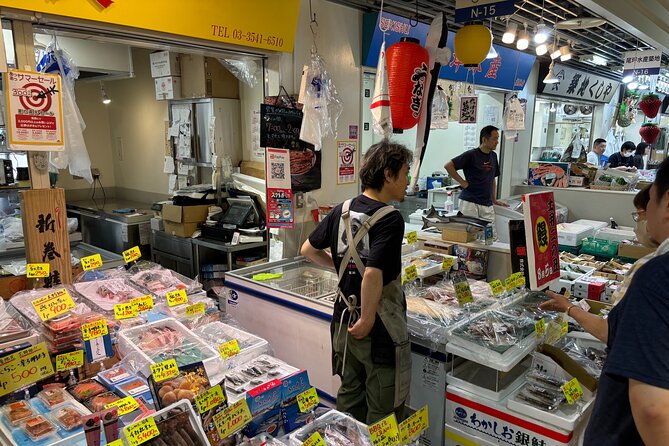
Next comes Namiyoke Inari Jinja, about 10 minutes. It is quick, but it is not random. This shrine stop helps you understand Tsukiji as part of Japanese daily culture, not only as a place to consume food.
What makes this visit especially practical is the chance to learn the correct way to pray. On prior departures, guides like Shuto have taught people how to do the ritual actions at the shrine. That small detail changes everything—otherwise you might just stand there wondering what people are doing and why.
If you want cultural depth, this is one of the most worthwhile pieces of the itinerary because it gives you a real skill, not just photos. You leave with a better feel for how Shinto practices show up in ordinary neighborhoods and market areas.
Tsukiji Outer Market: your 55 minutes of food and freedom
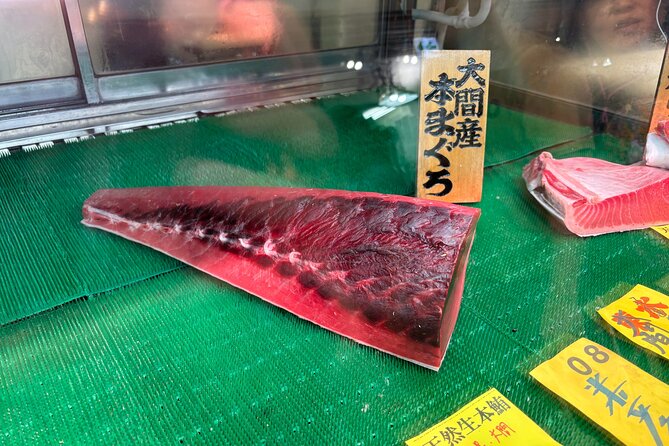
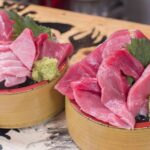
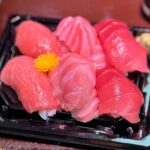
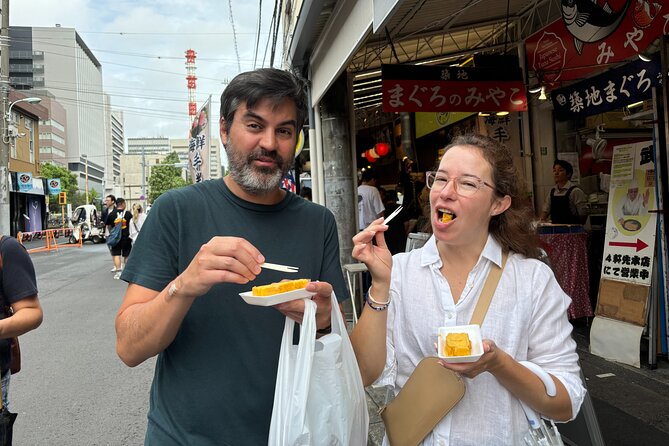
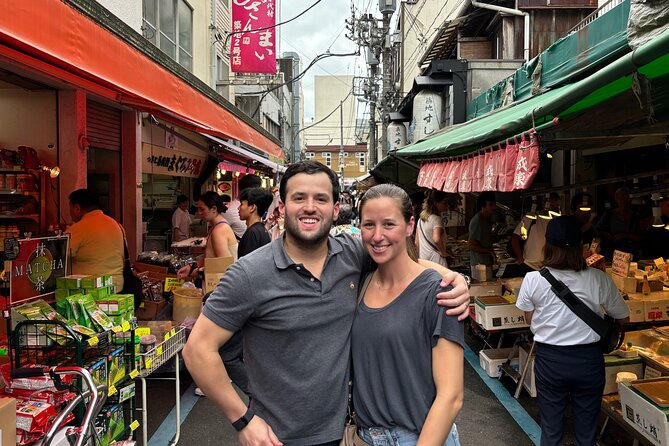
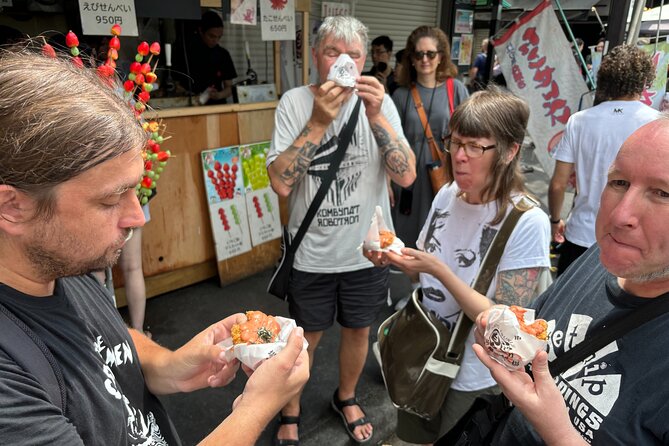
The heart of the tour is Tsukiji Outer Market, with about 55 minutes for street food, tastings, and general market wandering. This is where you get the three included local foods.
Here is the key idea: you are not meant to guess your way through Tsukiji. Your guide selects the stops, so you can spend your energy tasting and asking questions instead of trying to translate signage while juggling a line. The guide also helps you notice what matters—how food is portioned, what the stall is known for, and what to pay attention to when you order.
You can also read our reviews of more tours and experiences in Tokyo



What if you are not ready to eat yet?
One practical advantage: the guide can adapt. On earlier tours, Sowar adjusted the route when someone did not want to eat right away because it was too early. If you are fasting, feeling jet-lagged, or simply prefer to start light, tell your guide at the start. You are on a private tour, so they can flex within reason.
How to get the most out of the Outer Market time
Plan for standing and short walks. This is a hands-on area where people move at a quick rhythm. Wear comfortable shoes and bring your patience for crowds near popular stalls.
Also, remember you already have three tastings included. Treat the tastings as the main meal portion and keep extra purchases intentional. You will likely find yourself tempted by everything, but you get the best value when you let the included items set your baseline.
Tsukiji Hongan-ji: Buddhist calm, plus meaningful context
After the food, you shift gears to Tsukiji Hongan-ji for about 30 minutes of sightseeing. This stop gives you the other half of the cultural mix: a Buddhist temple within the same Tsukiji walking circuit.
The balance is smart. After eating your way through the market, you get a chance to slow down and absorb the place as a living community. It is not only architecture; it is also perspective. You will see how spiritual spaces sit near commercial life, and how people treat these places as normal parts of the day.
On tours led by guides like Shuto, guests have also been taught how to pray at the temple. If that is your interest, it is a big payoff—again, you are not just observing, you are learning what to do respectfully.
The three included foods: why the selection matters
You get three must-try local foods, chosen carefully by the local guide. The biggest value here is not just that the food is good—it is that the guide prevents common Tsukiji mistakes.
In a market like this, it is easy to:
- pick items that look photogenic but are not the local specialty
- get stuck in the wrong line
- order something that is too heavy or too repetitive for your appetite
A good guide solves that by balancing variety across the three tastings. Even if you do not know what to order in Japanese, you are still eating a thoughtful set that helps you understand Tsukiji’s flavor profile.
If you have strong preferences (spice, seafood intensity, or plain flavors), mention them at the start. The tour is private, and adaptation has happened on past departures when guests had different comfort levels with eating early.
How much value is $49 for a private 2-hour Tsukiji tour?
At $49 per person for a 2-hour private walking tour, you are paying for three things:
1) a guide to route you through Tsukiji efficiently
2) three included tastings selected locally
3) an added cultural stops package (Namiyoke Inari Jinja and Tsukiji Hongan-ji)
If you try to replicate this on your own, the cost is rarely just food. You are also paying with time—time spent reading menus, walking back and forth, and trying to figure out what is worth the wait. With a guide, you compress that learning curve.
The photos included after the tour are a small bonus, but it is also practical. You can focus on eating and looking rather than constantly stopping to capture everything.
The one reason this may feel less valuable is if you expect very deep market storytelling. One past experience felt light on context and explanation. If you want more historical framing, you should communicate that early so the guide can aim the conversation toward what you care about.
Guide style matters: what to ask so you get the depth you want
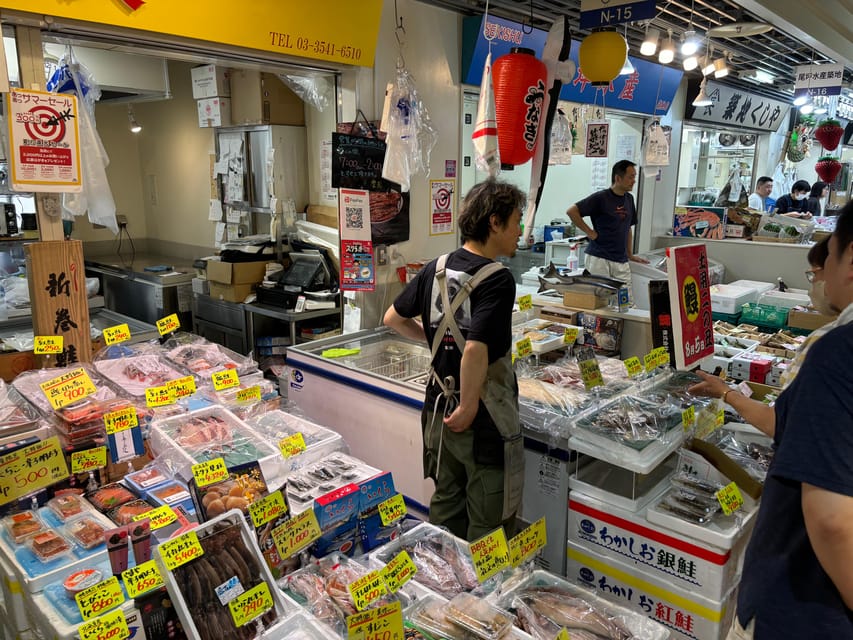
Tsukiji can be a lot to take in. A good guide makes it easier by turning a chaotic scene into a sequence you understand. But guide personalities differ.
If you want more depth, ask clear questions at the start, like:
- What makes this stall a local favorite?
- How does Tsukiji’s food culture work day to day?
- What should I notice when I see certain fish prep styles or ordering patterns?
This tour also includes cultural ritual guidance at the shrine and temple. If you care about that, ask for a quick explanation of what each action means before you try it. On prior departures, some guides like Shuto have done exactly that, which is why this portion tends to be a standout.
Who this tour fits best
This experience is a strong match if:
- you want a private Tsukiji walk instead of a larger group
- you like street food but want the guide to handle ordering and routing
- you want both food and culture in one 2-hour window
- you enjoy learning small etiquette details, especially at religious sites
It is also a good choice for first-timers. Tsukiji can feel confusing if you arrive with no plan. This tour gives you structure and included bites, so you do not waste the first hour simply deciding what to try.
If you are already a Tsukiji veteran and you want intense historical depth, you may need to prompt the guide to lean into the deeper context. The itinerary is short, so your questions are what expand it.
Should you book this Tsukiji private tour?
I think it is worth booking if your priority is a smooth, guided food-and-culture circuit that saves you time and gets you tasting without stress. The private pace, three included foods, and the combo of Namiyoke Inari Jinja plus Tsukiji Hongan-ji make it feel more complete than a basic market stroll.
Book it with confidence if you want:
- a simple starting point (LAWSON Tsukiji 4 Chome)
- three guided tastings instead of decision fatigue
- a practical cultural experience, especially prayer guidance if you ask for it
Skip it or adjust your expectations if you mostly want a long lecture about Tsukiji’s evolution and inner workings. In that case, do not be shy about asking for more storytelling right away, since guide styles can vary.
FAQ
FAQ
How long is the Tsukiji private tour?
The tour lasts 2 hours.
Where does the tour start?
You meet at LAWSON Tsukiji 4 Chome Store, with the guide standing in front.
Where does the tour end?
The tour finishes at 築地駅 (Tsukiji Station).
Is this a private tour?
Yes. It is a private group, so you do not share the tour with other participants.
What food is included?
Three must-try local foods are included as part of the tour price. The guide carefully selects them.
What else is included besides the tastings?
You get expert guidance during a 2-hour walking tour of the Tsukiji market area, and photos are sent after the tour.
What languages are offered?
The live tour guide is available in English and Japanese.
Is the tour wheelchair accessible?
Yes, the tour is listed as wheelchair accessible.
What if I need to cancel?
Free cancellation is available up to 24 hours in advance for a full refund.
What if I am late to the meeting point?
If you do not show up within 15 minutes of the scheduled meeting time, it is treated as a no-show and no refund is provided. If you will be late, contact the provider in advance and wait for their response.