REVIEW · TOKYO
Tokyo Private Tour in Luxury Vehicle with English Guide
Book on Viator →Operated by Mukarram Muhammad · Bookable on Viator
One luxury day, multiple Tokyo moods. This private tour is built for a smooth day with hotel pickup, an English pro guide, and the ability to shape the route around your interests instead of waiting on a big bus. You ride in a comfortable air-conditioned vehicle with Wi‑Fi so your photos actually get uploaded the same day.
I like the “do what matters” flexibility: you can linger where you care most, whether that’s temple steps, a garden pause, or skyline views. I also love the practical touches like water bottles and door-to-door convenience, which makes a long day feel manageable.
One thing to consider: it’s a full 8–10 hour highlight run, and several major stops do not include admission tickets, so you’ll want cash/card ready for things like Tokyo Skytree, Tokyo Tower, Shinjuku Gyoen, and more.
In This Review
- Key things to know before you go
- How the day flows: private pace, long hours, real Tokyo logistics
- Value check: is $650 per group a smart use of time?
- Luxury vehicle + English guidance: why it changes your Tokyo day
- Imperial Palace park area: big grounds, calm pacing
- Senso-ji in Asakusa: temple energy with room to breathe
- Tsukiji Outer Market: food street time without the chaos tax
- Skytree and Tokyo Tower: two skyline styles in one day
- Shinjuku Gyoen: the quiet reset you’ll appreciate later
- Meiji Shrine: forest calm, then Harajuku shopping energy
- Shibuya Crossing: the 30-minute Tokyo moment
- Getting the most out of customization: how to steer without derailing
- A note on pace and guide quality
- Who should book this tour
- Should you book this Tokyo private tour?
- FAQ
- What is the price and group size for this Tokyo private tour?
- How long is the tour?
- Is hotel pickup and drop-off included?
- Does the tour include admission tickets?
- Is Wi-Fi available during the tour?
- Can I cancel and get a full refund?
Key things to know before you go
- Private, up to 6 people: your group stays together, with no pressure to match someone else’s pace.
- English-speaking guide support: helps with explanations and real-world on-the-ground friction like language barriers.
- A classic Tokyo mix: palace grounds, historic temples, foodie streets, gardens, and iconic towers.
- Wi‑Fi and comfort on board: helps on photo-heavy stops and reduces the stress of a long day.
- Tickets are selective: some locations are free, others require you to pay admission tickets on the spot.
- Meiji and Harajuku contrast: you get calm forest shrine time and then a quick trip into shopping energy.
How the day flows: private pace, long hours, real Tokyo logistics
This is the kind of tour that works best when you want structure without feeling locked in. You get a dedicated driver and an English-speaking pro guide, which matters in Tokyo more than it sounds. The city is easy to navigate once you know it, but it can be tiring when you’re bouncing between districts, translating signs, and trying to figure out the best entrance or side street.
The time window is usually 8 to 10 hours, which is plenty for a highlights day if you don’t try to do everything at triple speed. Since it’s private, you can choose your “slow moments.” Want more time on gardens? You can. Want extra time in shopping streets? You can. Want your skyline stop to be photos-first and questions-second? That usually fits too.
Group size is capped at up to 6, so you’re not fighting for elbow room. That makes it easier for the guide to adjust timing and for you to ask questions without feeling like you’re in a cattle chute. I also like that the tour price is set per group, not per person, because it can become surprisingly reasonable once you split it among a small group.
You can also read our reviews of more guided tours in Tokyo
Value check: is $650 per group a smart use of time?
At $650 per group (up to 6), you’re paying for three things: time, comfort, and help. Time is the big one. A well-planned Tokyo day can remove hours of guesswork—especially when you’re moving from historic districts to modern viewpoints and back again in one day.
Here’s how I think about the value:
- You’re buying convenience. Hotel pickup and drop-off means you avoid the “how do we get there now?” dance.
- You’re buying interpretation. An English guide can turn a quick stop into an actually meaningful visit, especially at places like the Imperial Palace area and Meiji Shrine.
- You’re buying a calmer experience. A luxury vehicle with air-conditioning helps a lot in Japan, where weather and walking distance can be a surprise.
The one cost you should plan for is admission tickets for several stops (they are not included). That won’t ruin the value, but it does mean the final cash outlay can be higher than you initially expect. If you’re the kind of traveler who wants to see the top sights in one day with minimal friction, this price can make a lot of sense. If you’re comfortable navigating on your own and hate paying for guided time, you might prefer a do-it-yourself route.
Luxury vehicle + English guidance: why it changes your Tokyo day
The vehicle is described as air-conditioned and modern, and you also get Wi‑Fi onboard and water bottles. That’s not just comfort fluff. In practice, it means:
- you can keep family and friends in the loop while you’re out,
- you can send that photo while it’s still fresh,
- and you’re less worn out when you walk from one district highlight to the next.
The English-speaking guide piece is what turns the day from sightseeing into understanding. In the positive feedback, the guide(s) are described as attentive and willing to follow requests. One reviewer specifically called out that the guide made the explanations practical, and helped with things like transactions and handling language barriers. That’s huge in Tokyo because a lot of the annoying moments happen in the small details: where to line up, what to ask for, how to handle a ticket purchase, or how to communicate a preference.
There’s also a fair warning to take seriously: at least one review noted that the driver felt more like a driver than a guide for part of the day, with limited site commentary. For that reason, I’d treat the tour as a guide-led experience, but still come prepared with questions. If you care about history or context, tell your guide what you want more of early on.
Imperial Palace park area: big grounds, calm pacing
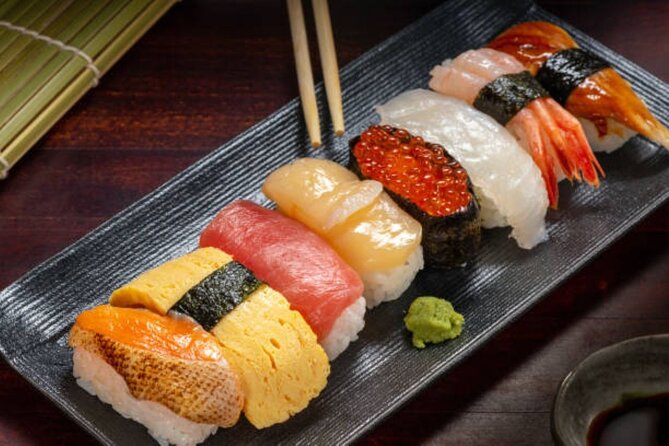
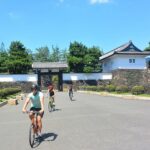
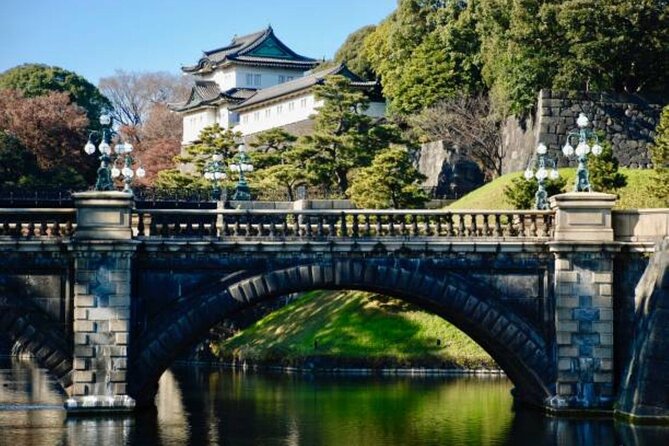
The day’s first major stop is the Imperial Palace area (1 hour). This is not a museum-style stop. It’s more about the feel of the grounds and the scale of the palace precincts in the heart of the city.
Admission tickets are not included here, so you’ll want to check the practical details once you arrive (the tour listing flags that tickets aren’t included, not that the site is always closed). The useful way to use your time is simple: don’t rush the walk. Give yourself a few minutes to orient, then pick a route through the park-like spaces that feels good in the moment.
A private guide helps here because you can ask the right questions instead of just scanning signs. If you’re into government history and Japan’s cultural center, this stop sets the tone for the rest of the day.
Senso-ji in Asakusa: temple energy with room to breathe
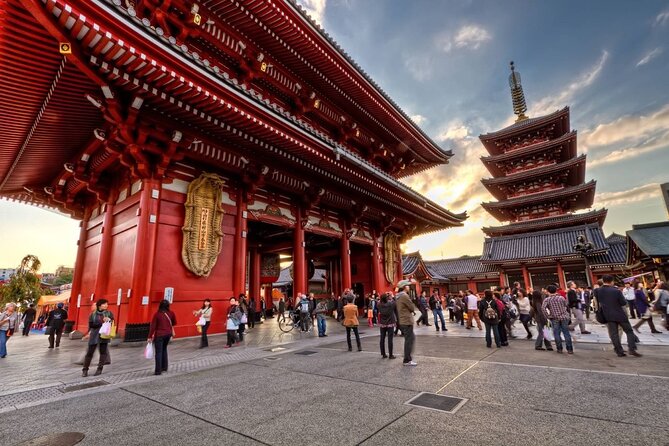
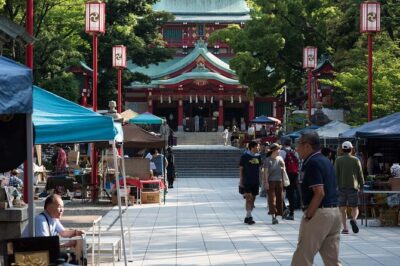
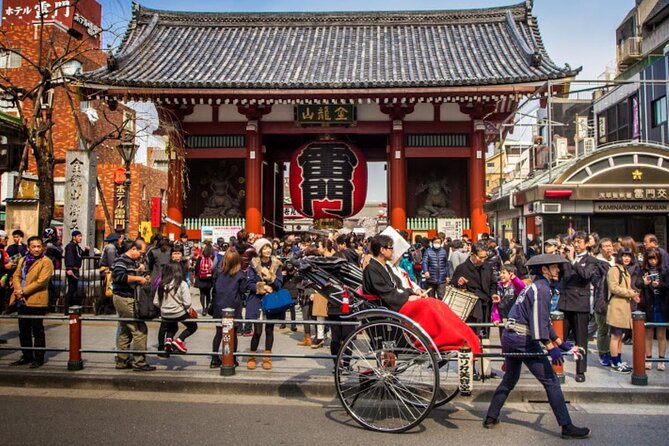
Next up is Senso-ji Temple (1 hour, admission ticket free). This is one of Tokyo’s most visited spiritual sites, so you’ll feel the crowds. The win on a private tour is not that the crowds vanish, but that you can move with purpose.
Use the guide time in two ways:
- Ask for the basic meaning and symbolism so you’re not just looking at architecture.
- Use your group’s shared pace to decide when to slow down for photos versus when to keep moving.
This stop is a good “first culture hit” because it’s active and visual. If you’re feeling overwhelmed later in the day, you can always return to this area’s energy as a reminder of what Tokyo does best: mixing old and new in the same frame.
You can also read our reviews of more private tours in Tokyo

Tsukiji Outer Market: food street time without the chaos tax
Tsukiji Outer Market is listed as a free stop (1 hour). This is where you go for “Food Town” energy—wholesaler-and-retailer streets, snack stops, and the kind of eating that turns shopping into a plan.
I think of this as a high-reward, low-commitment stop. You can eat a little, explore a bit, and still feel like you gained something. Because lunch isn’t included on this tour, this is one of the easiest places to build your own meal plan—snacks now, full lunch later, or a late lunch after the market.
A guide helps you avoid the common frustration: spending 20 minutes trying to decode what to buy or where to stand. If your guide supports transactions (and some guides in the feedback are described as helping with exactly that), you’ll save time and reduce mistakes.
Skytree and Tokyo Tower: two skyline styles in one day
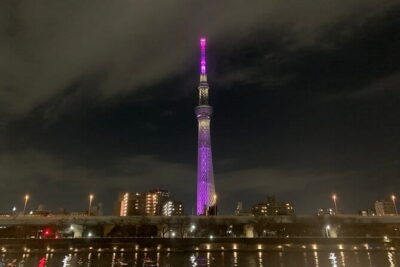
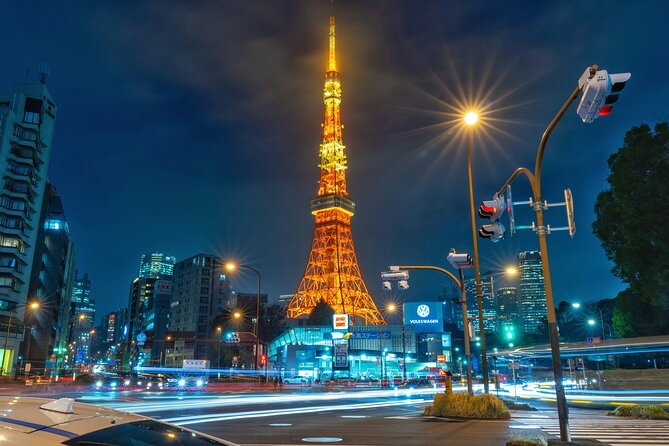
Tokyo has famous viewpoints. This tour gives you two: Tokyo Skytree (1 hour, tickets not included) and Tokyo Tower (1 hour, tickets not included).
Skytree tends to feel like a modern “be seen from everywhere” statement. Tokyo Tower has a more classic silhouette and an instantly recognizable presence in the city.
With two observation-tower stops in one day, timing matters. If you want the best photos, I’d treat each tower like a mission:
- quick photo plan first,
- then spend your time at the level that gives you the view you care about,
- and wrap up before you lose energy.
Since tickets aren’t included for both, build in that extra step: you’ll likely spend some time at the entrance/ticket process, and you’ll be happier if you know what you want before you get there.
Shinjuku Gyoen: the quiet reset you’ll appreciate later
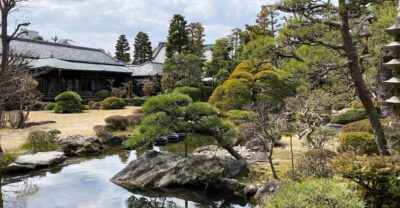
Shinjuku Gyoen National Garden is scheduled as a 1-hour stop, with admission ticket not included. The listing highlights that the garden combines Japanese traditional, formal, and landscape-style elements (in other words: different “moods” in one park), and you can usually find it’s a relief after busy neighborhoods.
This is one of the best places to slow down. Gardens are where you stop walking like you’re chasing a checkbox. Even if the weather isn’t perfect, this kind of garden stop can make the rest of the day feel less intense.
Because tickets are not included, plan to cover admission. But even then, it’s often worth it because it gives you contrast: after markets and temples, you get space to breathe.
Meiji Shrine: forest calm, then Harajuku shopping energy
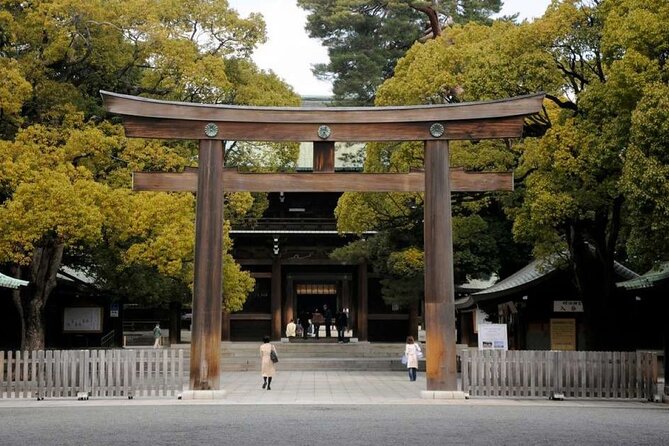
After Shinjuku Gyoen, you’ll visit Meiji Shrine (1 hour, tickets not included). The shrine is set in a large forest area, described as 70 hectares with 120,000 trees donated across different species. Even if you don’t memorize the numbers, you’ll feel the change in air and sound as you move into the forest grounds.
This stop is a great “mental recharge.” Use the time to walk slowly and notice the setting. If you love nature edges inside a big city, Meiji Shrine is one of the places where Tokyo feels genuinely different.
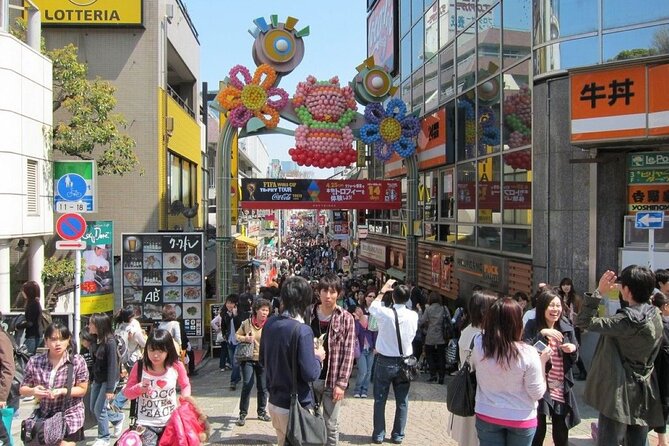
Then you transition to Takeshita Street (1 hour, free, shopping). This is the Harajuku shopping lane many people recognize, and it’s a good contrast to Meiji. If you want fashion street browsing, snacks, and casual people-watching, this is your playground. If you’re not into shopping, you can still enjoy the energy without buying anything.
Shibuya Crossing: the 30-minute Tokyo moment
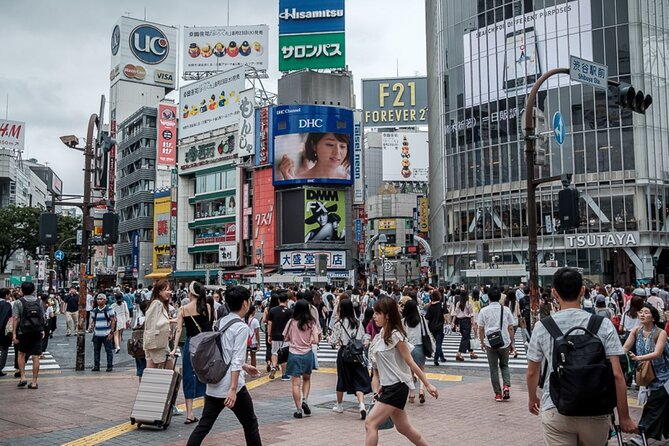
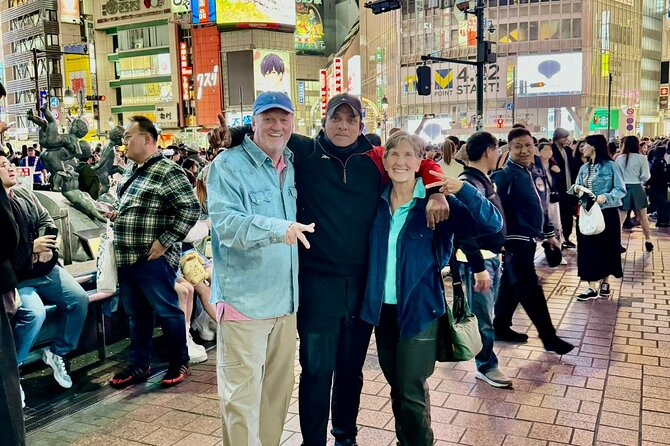
The final big action stop is Shibuya Crossing (30 minutes, admission free). It’s short by design, so you’ll want to treat it like a photo-and-feel stop rather than a long stay.
Because the tour is private and timed tightly, this can work well: you get in, you see it, you get a couple of good angles, and you’re done. If you linger too long, you risk feeling rushed elsewhere later—so use the guide’s timing help and keep moving.
Getting the most out of customization: how to steer without derailing
The biggest practical benefit of a private tour is that you can adjust. Here are smart ways to customize this route using the time you’re already spending:
- Pick your “more time” theme early. If you’re most excited about shrine/temple Japan, tell the guide right after pickup. If you care about views, decide how much time you want at Skytree and Tower before you arrive.
- Use the guide for decisions, not just directions. Ask which stop is best for photos that day and what entrance makes sense. Some guides in the feedback were described as helping with transactions, which suggests they can also help reduce confusion.
- Don’t stack too many priorities. You have nine listed stops. If you try to turn every one into a long visit, the day becomes frantic even with privacy. Decide where you want to be slow.
And yes, wear comfortable shoes. Tokyo walking isn’t “optional” even on a chauffeured tour.
A note on pace and guide quality
Most feedback is very positive, with high ratings and repeated praise for attentiveness, politeness, and safety. The common thread is that the guide helps you see the city through more than landmarks—more like how the places fit together.
At the same time, one review flagged a mismatch between what they expected and what they experienced in guide commentary. So here’s the practical approach I recommend: before you start, be clear about what you want. Ask for more explanation at temples, more history at the Imperial Palace area, or practical tips at markets. In a private setting, that usually works better than assuming the default plan matches your preferences.
Who should book this tour
This tour is a strong match if you:
- want a high-efficiency highlights day without stress,
- prefer door-to-door convenience over trains and walking between districts,
- travel with a small group (up to 6) and want a shared experience,
- care about having an English-speaking guide to translate context and reduce friction,
- want a mix of classic Tokyo (temples, palace area) and modern Tokyo (towers, crossing, shopping).
It may be less ideal if you:
- hate long days (8–10 hours is real),
- want only free sights (several major stops require tickets),
- or plan to build your own route and commentary entirely on your own.
Should you book this Tokyo private tour?
If you want to see Tokyo’s headline sights in one day and you value comfort, planning, and an English guide to help you make sense of what you’re looking at, I think this is a smart booking. The Wi‑Fi, hotel pickup, and private pacing are exactly the kind of “invisible” perks that make a long itinerary feel doable.
Book it especially if you’re short on time and you’d rather pay for a smooth day than spend your energy figuring things out. If you’re the type who loves wandering independently and you’re comfortable buying tickets yourself, you might find better value on a self-guided plan. But for a calm, guided, private Tokyo day, this one is easy to justify.
FAQ
What is the price and group size for this Tokyo private tour?
It costs $650.00 per group, for up to 6 people.
How long is the tour?
The tour runs about 8 to 10 hours.
Is hotel pickup and drop-off included?
Yes. Pick-up and Drop-off to Hotel are included.
Does the tour include admission tickets?
No. Several stops show admission tickets as not included, while others are free. For example, Senso-ji and Tsukiji Outer Market are free, while Imperial Palace, Tokyo Skytree, Tokyo Tower, Shinjuku Gyoen, and Meiji Shrine are listed as not included.
Is Wi-Fi available during the tour?
Yes. WiFi on board and water bottles are included.
Can I cancel and get a full refund?
Yes. You can cancel for a full refund if you cancel at least 24 hours before the experience starts. If you cancel less than 24 hours before, the amount paid is not refunded.